Peptides are short chains of amino acids that act as signaling molecules — they bind receptors, trigger intracellular cascades, and shift the behavior of cells without becoming structural building blocks the way bulk proteins do. The research-peptide catalog can look like an undifferentiated list of cryptic names, but almost every compound falls into one of a handful of mechanistic families defined by the receptor it engages and the pathway it switches on. This pillar reference walks through those major classes one at a time, describing the established molecular mechanism for each and what the preclinical and clinical-research literature has actually studied it for. Everything here is presented for laboratory research use only — not for human consumption, and not as dosing guidance. The goal is conceptual: once you understand the receptor and the second messenger, the entire shelf becomes legible.
Receptor signaling: the common grammar
Before the individual classes, it helps to fix the vocabulary. Most research peptides exert their effects through cell-surface receptors — proteins embedded in the plasma membrane whose extracellular domain recognizes a specific peptide ligand. Binding changes the receptor’s conformation, and that change is transduced into the cell.
The single most important receptor superfamily for this catalog is the G-protein-coupled receptor (GPCR) family. GPCRs are seven-transmembrane proteins; when an agonist binds, an associated heterotrimeric G-protein exchanges GDP for GTP and dissociates into subunits that modulate downstream effectors. A Gs-coupled receptor activates adenylyl cyclase, raising cyclic AMP (cAMP) and activating protein kinase A; a Gq-coupled receptor activates phospholipase C, raising intracellular calcium. Growth hormone secretagogue, melanocortin, GLP-1, and many other peptide receptors are GPCRs, which is why cAMP recurs again and again as the proximal signal.
A second important architecture is the single-pass receptor with intrinsic or associated kinase activity. The growth hormone receptor itself is not a GPCR — it dimerizes on ligand binding and signals through the JAK2/STAT5 pathway. Receptor tyrosine kinases (such as the IGF-1 and insulin receptors) autophosphorylate and recruit adaptor proteins that drive the PI3K/AKT and MAPK cascades governing growth and metabolism.
Two cross-cutting concepts round out the grammar. Half-life and stability determine how long a peptide signals: native peptides are often degraded within minutes by peptidases such as dipeptidyl peptidase-4 (DPP-4), so many research analogs carry amino-acid substitutions, lipidation, or other modifications that resist degradation. And receptor desensitization — internalization and downregulation after sustained agonism — shapes how the literature describes pulsatile versus continuous exposure.
Growth hormone secretagogues: two receptors, one axis
The largest single family in the research catalog acts on the growth hormone (GH) axis, and it splits cleanly into two receptor mechanisms that converge on the somatotroph cells of the anterior pituitary.
GHRH analogs (the GHRH receptor arm)
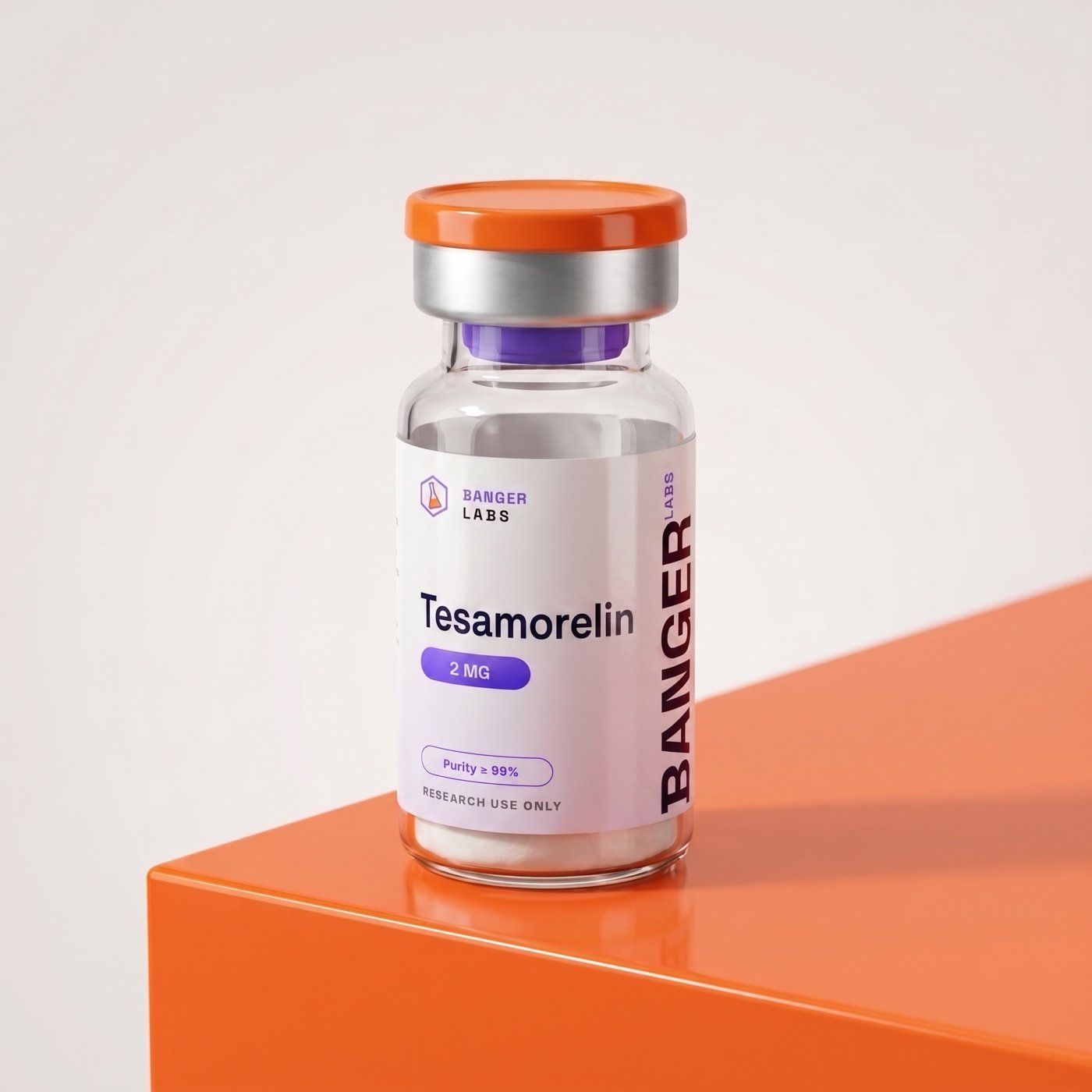
Growth-hormone-releasing hormone (GHRH) binds the GHRH receptor, a Gs-coupled GPCR on pituitary somatotrophs. Activation raises cAMP, which both stimulates synthesis of GH and promotes its release. Research analogs in this arm — sermorelin, CJC-1295 (with DAC) and the no-DAC modified GRF(1-29), and tesamorelin — are essentially GHRH fragments or stabilized variants. The functional difference is half-life: the DAC (Drug Affinity Complex) modification binds albumin to extend circulating time, whereas modified GRF(1-29) is short-acting. Tesamorelin is the GHRH analog with the most clinical-research characterization and is studied in the context of visceral adipose tissue.
GHRPs and ghrelin-mimetics (the GHS-R1a arm)
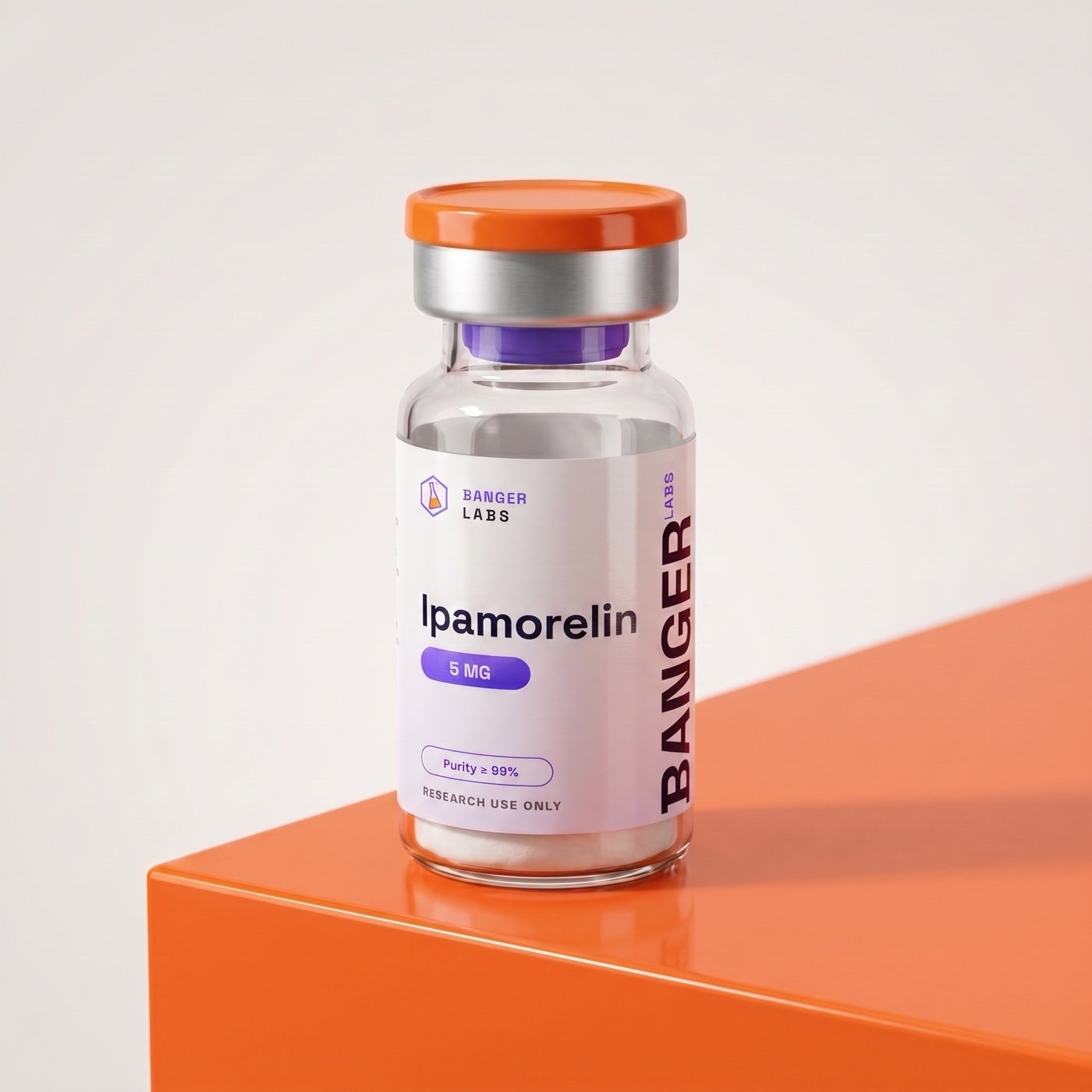
The second arm acts on a different receptor entirely: the growth hormone secretagogue receptor (GHS-R1a), the endogenous receptor for ghrelin. This is a Gq-coupled GPCR; activation raises intracellular calcium and drives GH release through a pathway distinct from, and synergistic with, the GHRH/cAMP arm. The growth-hormone-releasing peptides — GHRP-2, GHRP-6, hexarelin, and ipamorelin — are GHS-R1a agonists. They differ in selectivity: GHRP-6 also stimulates appetite signaling and GHRP-2 raises prolactin and cortisol to varying degrees in studies, while ipamorelin is characterized in the literature as a more selective GH secretagogue with minimal effect on those other axes.
For a side-by-side breakdown of these molecules, see CJC-1295 vs Ipamorelin, GHRP-2 vs GHRP-6 vs Ipamorelin vs Hexarelin, and Sermorelin vs CJC-1295 vs Tesamorelin. All sit in the secretagogues research category.
The downstream effector: GH, IGF-1, and the fragment
Secretagogues are upstream tools; the catalog also includes the downstream effectors themselves. Recombinant growth hormone (HGH 191aa) binds the GH receptor, a class-I cytokine receptor that dimerizes and signals through JAK2/STAT5, driving transcription of growth-related genes including hepatic insulin-like growth factor-1 (IGF-1).
IGF-1 LR3 is a modified IGF-1 analog that binds the IGF-1 receptor, a receptor tyrosine kinase, activating PI3K/AKT and MAPK signaling associated with cell growth and survival in preclinical models. The LR3 modification (an Arg substitution plus an N-terminal extension) reduces binding to IGF-binding proteins, extending its activity in research settings.
HGH Fragment 176-191 is a C-terminal fragment of the GH molecule studied specifically for lipolytic activity in adipocyte models without the IGF-1-raising, growth-promoting actions of the full hormone. AOD-9604 is a related fragment analog characterized in preclinical lipid-metabolism research. Both sit alongside the secretagogues but are studied for a narrower metabolic question.
Incretins and metabolic peptides: the GLP-1 receptor family
The incretin class is the fastest-moving area of peptide research and is defined by a set of related class-B GPCRs — the GLP-1 receptor, the GIP receptor, the glucagon receptor, and the amylin/calcitonin receptors. All are Gs-coupled, so the proximal signal is again cAMP, but the tissue distribution of each receptor gives the class its distinctive metabolic biology.
Mono-, dual-, and triple-agonists
The native incretins GLP-1 and GIP are released from the gut after nutrient intake and potentiate glucose-dependent insulin secretion from pancreatic beta cells. Because native GLP-1 is degraded within minutes by DPP-4, research analogs are engineered for resistance and extended half-life. The research catalog spans the full progression of receptor coverage:
| Compound | Receptor target(s) | Preclinical/clinical-research focus |
|---|---|---|
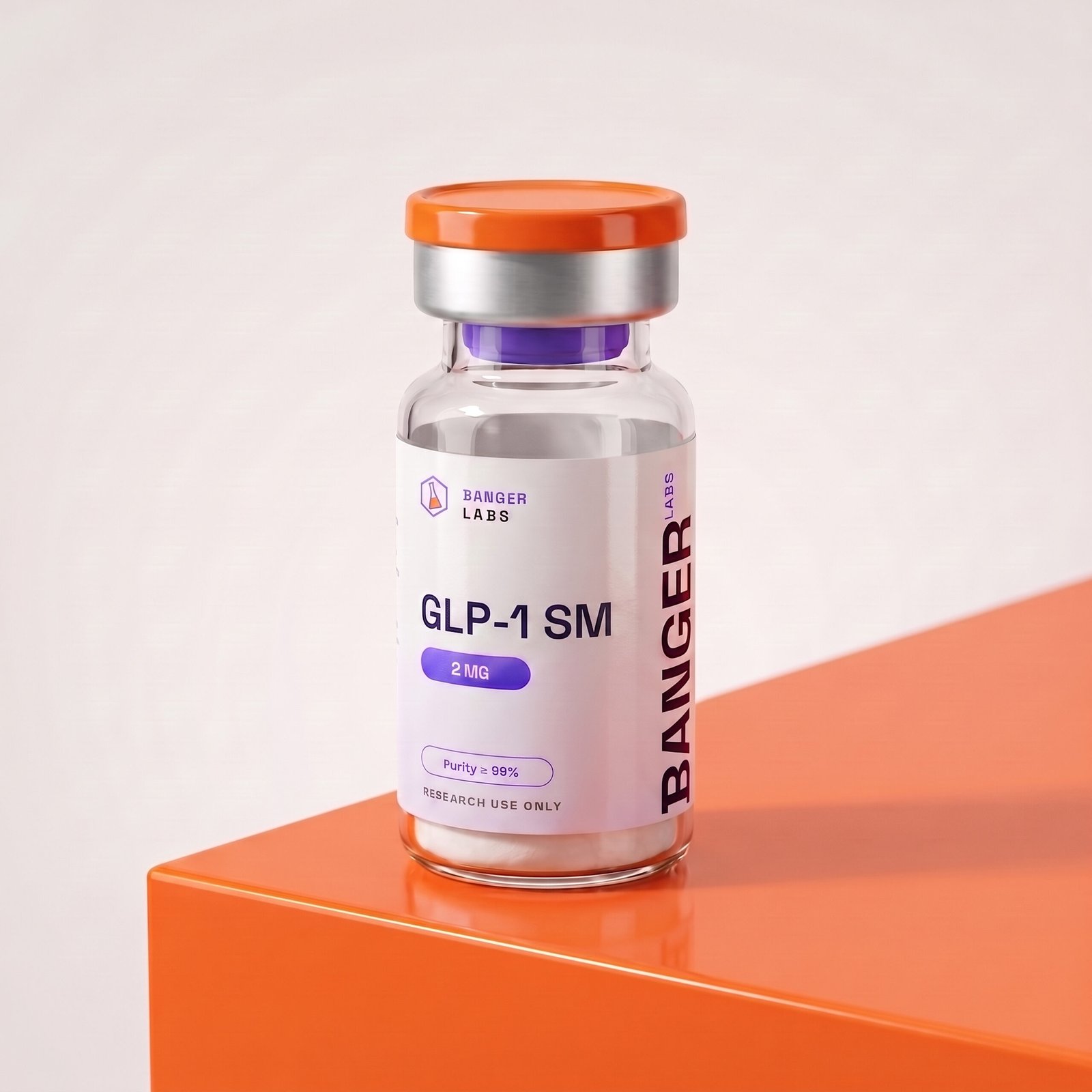
| GLP-1 SM | GLP-1 receptor agonist | Glucose-dependent insulin secretion, gastric emptying, satiety signaling |
| GLP-2 T | GIP + GLP-1 dual agonist | Combined incretin signaling and energy-balance models |
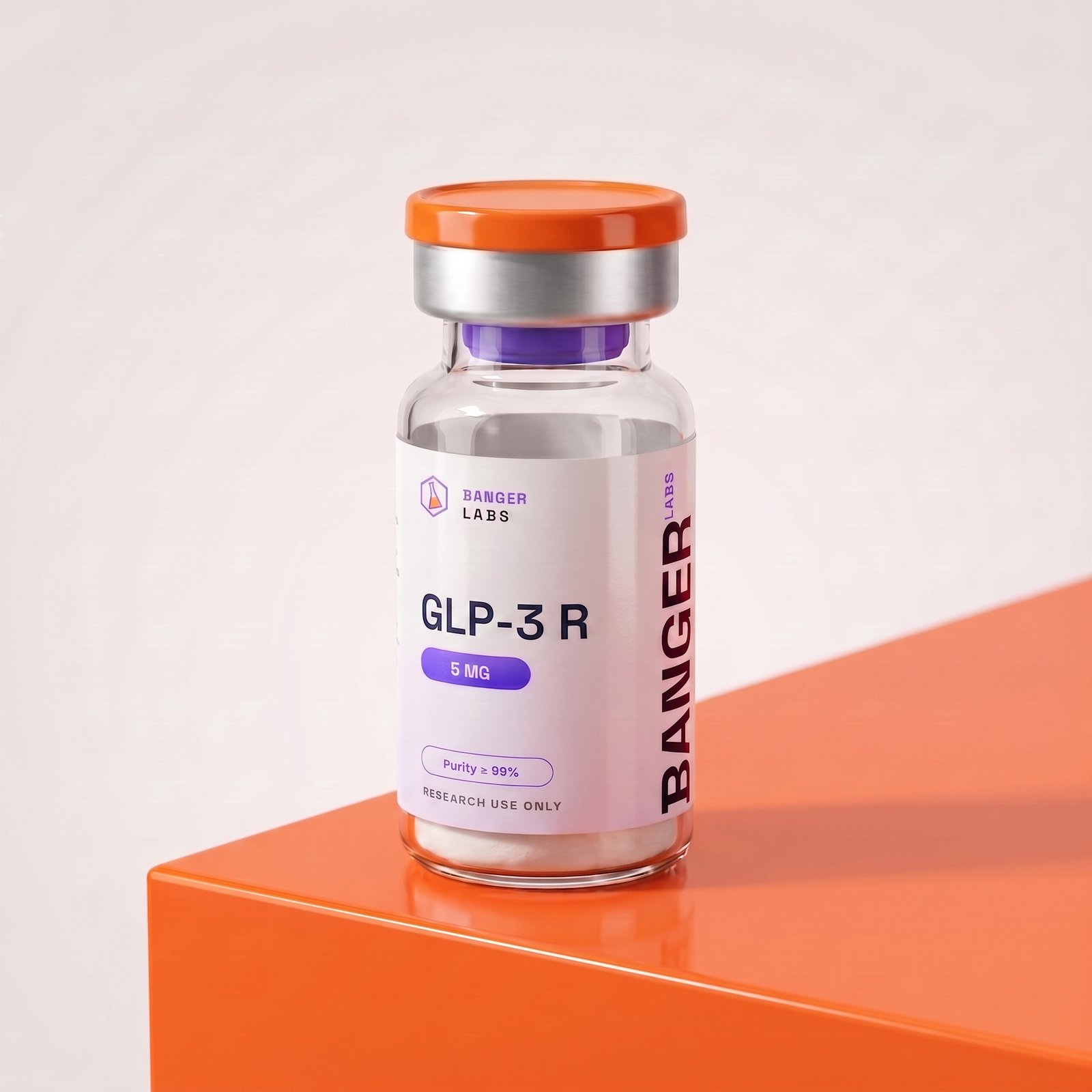
| GLP-3 R | GIP + GLP-1 + glucagon triple agonist | Adds glucagon-receptor energy-expenditure signaling |
| GLP-4 SV | GLP-1 + glucagon dual agonist | Hepatic and metabolic research models |
| GLP-5 C | Amylin/calcitonin receptor agonist | Satiety signaling via a non-incretin pathway, often studied with GLP-1 agonists |
The mechanistic logic is additive: a GLP-1 agonist engages satiety and insulinotropic signaling; adding GIP-receptor agonism (GLP-2 T) or glucagon-receptor agonism (GLP-3 R, GLP-4 SV) recruits additional metabolic pathways, and amylin agonism (GLP-5 C) works through an entirely separate receptor system, which is why it appears in combination research.
Explore these at GLP-1 SM, GLP-2 T, GLP-3 R, and GLP-4 SV. Two sibling guides go deeper: the GLP-1 class explained and GLP-1 SM vs GLP-2 T research. The full set lives in receptor agonists research.
Tissue-repair and cytoprotective peptides
This class is mechanistically more heterogeneous than the receptor-defined families above, but the unifying theme in the preclinical literature is angiogenesis, extracellular-matrix remodeling, and cytoprotection — the cellular machinery of healing.
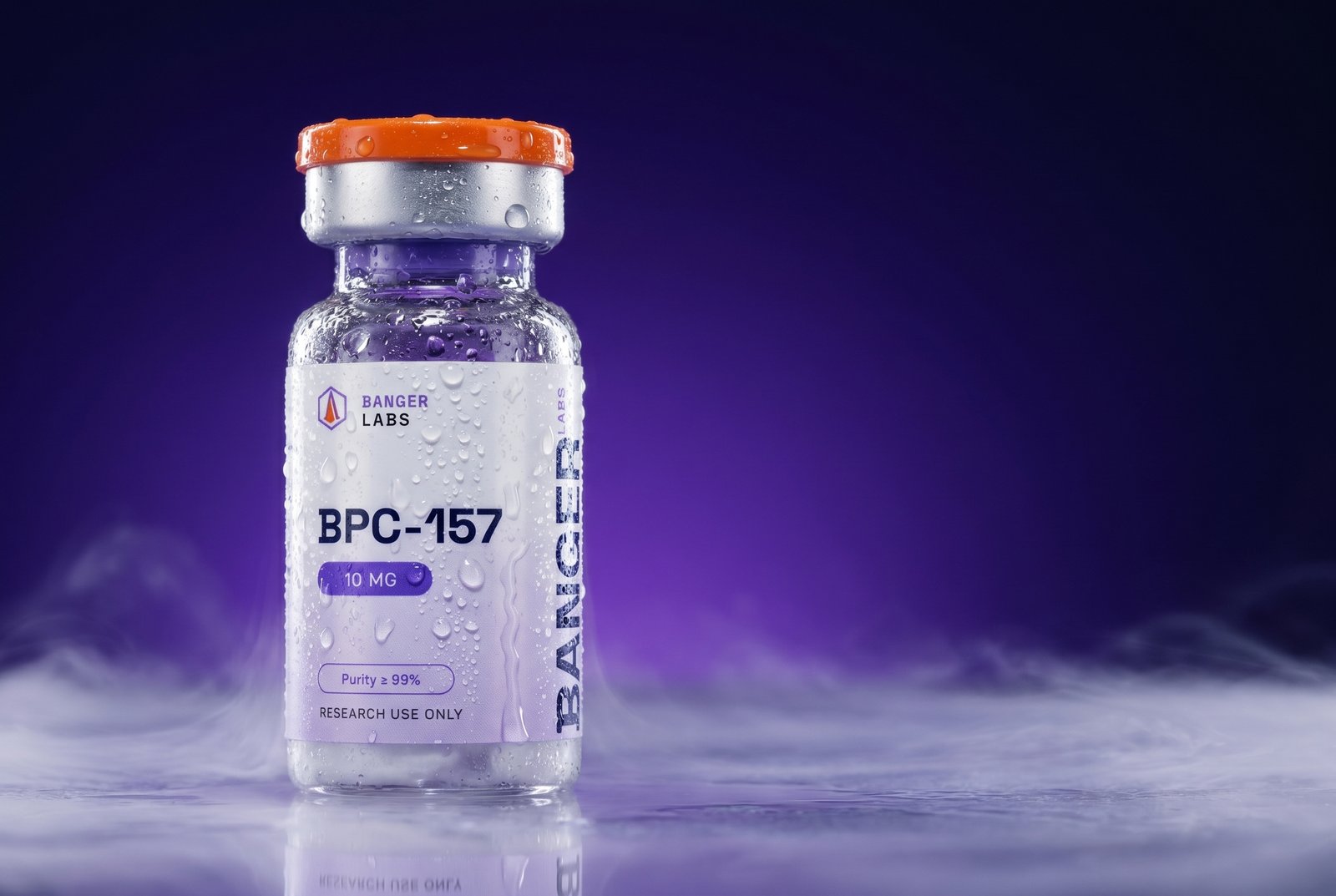
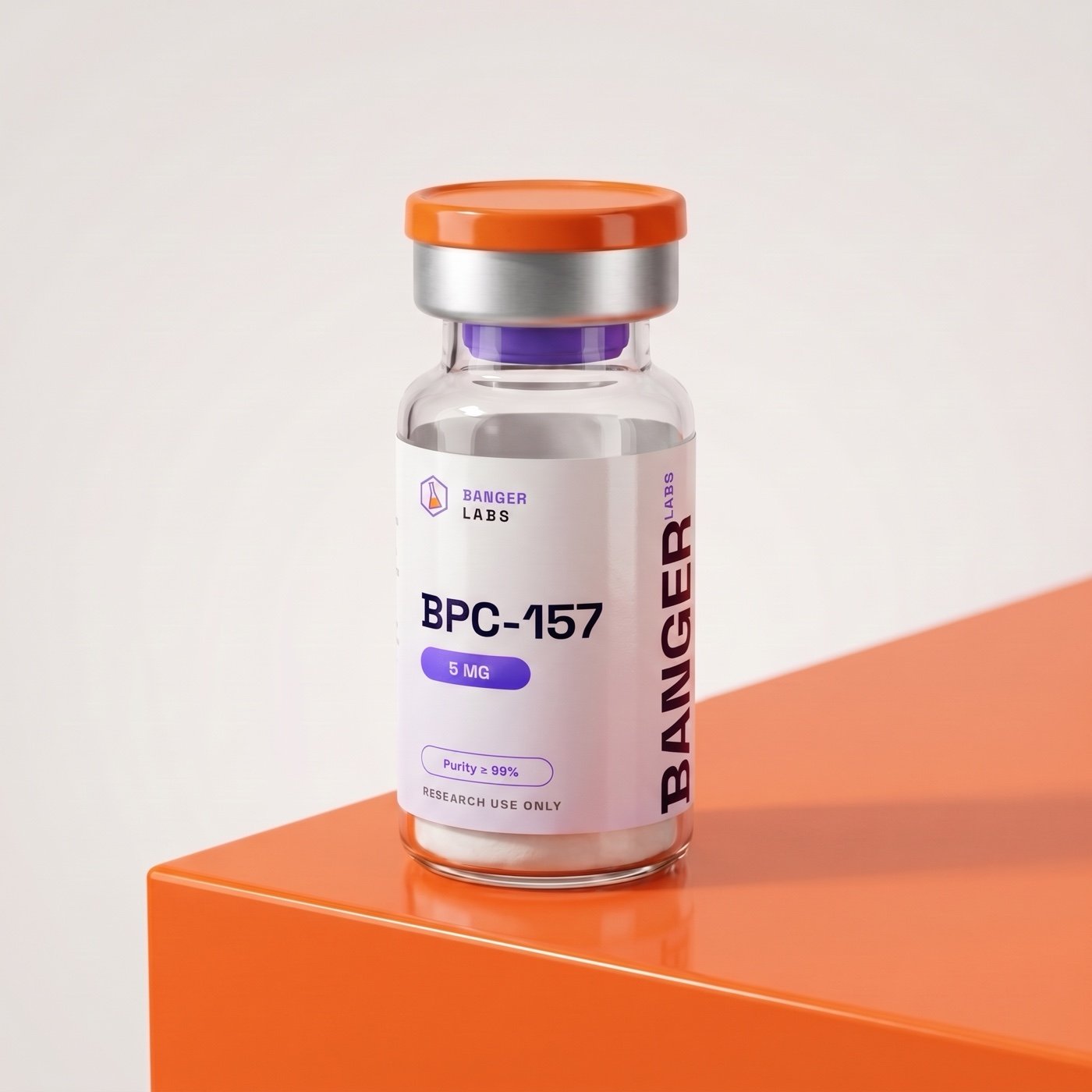
BPC-157
BPC-157 is a synthetic pentadecapeptide derived from a sequence in human gastric juice. Preclinical (predominantly rodent) studies describe pro-angiogenic activity associated with upregulation of VEGF signaling and modulation of the nitric oxide system, alongside effects on tendon-fibroblast and endothelial-cell behavior in vitro. It is one of the most extensively studied tissue-repair peptides in animal models of soft-tissue, tendon, and gastrointestinal injury.
TB-500 (thymosin beta-4 fragment)
TB-500 is the synthetic active region of thymosin beta-4, whose defining biochemical role is actin sequestration — binding G-actin monomers to regulate cytoskeletal assembly. This activity underlies its studied roles in cell migration, angiogenesis, and wound-healing models. Because BPC-157 and TB-500 are studied through partly different mechanisms (VEGF/NO vs actin/cell-migration), they are frequently compared and combined in preclinical repair research; see BPC-157 vs TB-500.
GHK-Cu
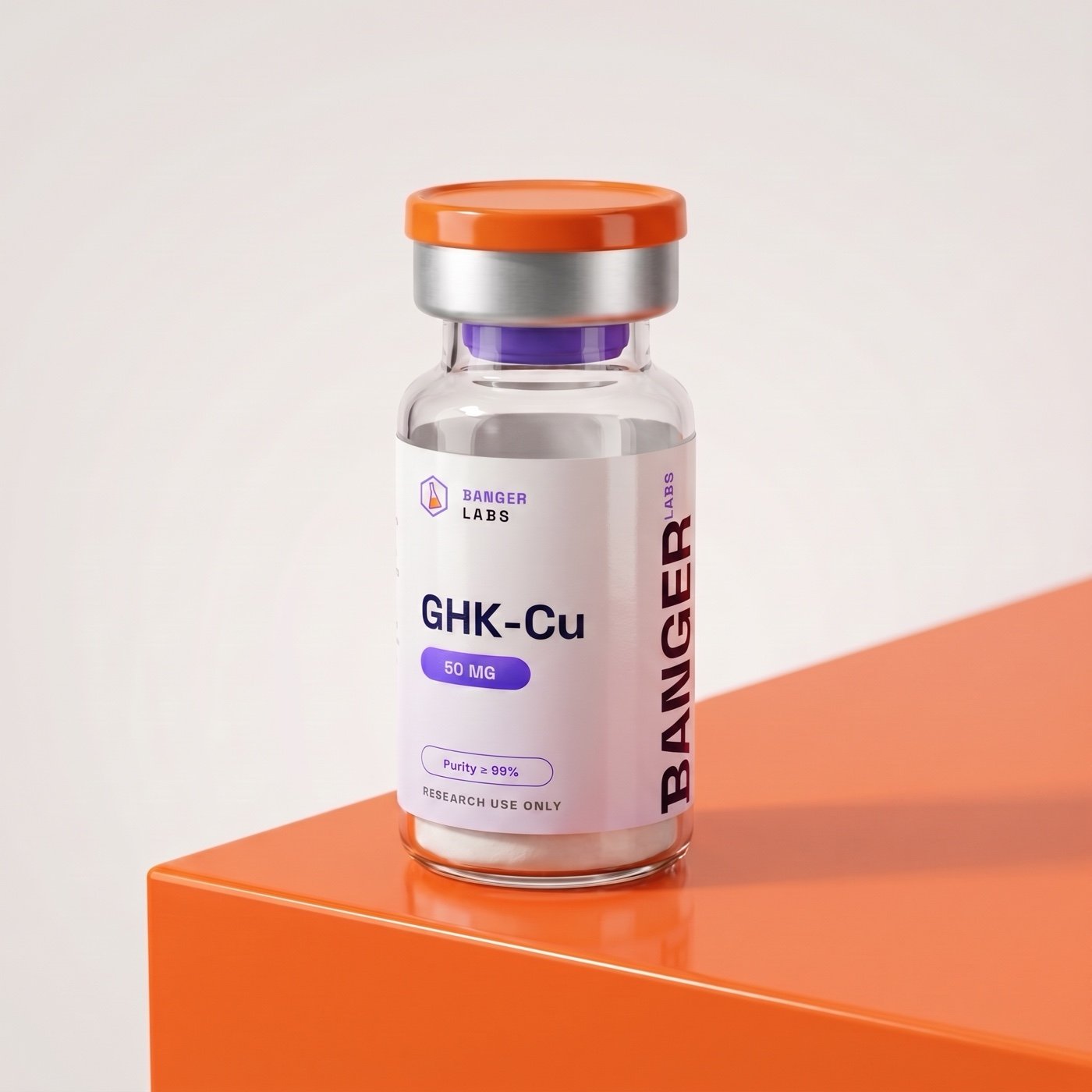
GHK-Cu is a copper-binding tripeptide (glycyl-L-histidyl-L-lysine) with a well-characterized role in skin and extracellular-matrix biology. The copper complex is studied for stimulating collagen and glycosaminoglycan synthesis and for broad gene-expression modulation in fibroblast models. Its sibling AHK-Cu is a related copper peptide studied in similar dermal contexts. For a focused treatment, see the GHK-Cu research overview.
These compounds anchor the fragments & copper peptides research category.
Melanocortin peptides: the MC receptor family
The melanocortin system is a family of five GPCRs (MC1R-MC5R), all Gs-coupled and signaling through cAMP, but each receptor sits in a different tissue, so a single ligand can produce strikingly different effects depending on receptor selectivity.
Melanotan I (MT-1) and Melanotan II (MT-2) are synthetic analogs of alpha-melanocyte-stimulating hormone (α-MSH). Both engage MC1R on melanocytes, where cAMP signaling upregulates melanogenesis — the basis for their study in pigmentation models. MT-1 (afamelanotide) is the more MC1R-selective analog, whereas MT-2 is a broader, non-selective agonist that also activates MC4R in the central nervous system, the receptor associated with appetite and sexual-function pathways in research. The MT-1 vs MT-2 research comparison walks through this selectivity difference.
PT-141 (bremelanotide) is a melanocortin analog selective for MC4R in the central nervous system; it is studied for sexual-function signaling through a centrally-mediated mechanism rather than a vascular one, which distinguishes it from other research compounds in that space. See PT-141 vs Kisspeptin-10 vs Gonadorelin for how the reproductive-axis peptides differ.
Related reproductive-axis peptides act earlier in the cascade: gonadorelin is a GnRH analog acting on pituitary GnRH receptors, kisspeptin-10 acts upstream on KISS1R neurons that gate GnRH release, and hCG mimics LH at the LH receptor. These and the melanocortins are catalogued under specialty compounds.
Mitochondrial and cellular-stress peptides
A newer research class targets the mitochondrion directly rather than a surface receptor, addressing bioenergetics and oxidative stress at the organelle level.
MOTS-c is a mitochondrial-derived peptide — encoded within the mitochondrial 12S rRNA gene — studied as a regulator of metabolic homeostasis. The preclinical literature associates it with activation of the AMPK pathway, the cell’s master energy sensor, linking it to glucose uptake and metabolic-stress signaling.
SS-31 (elamipretide) works by a different mechanism: it is a mitochondria-targeting tetrapeptide that concentrates at the inner mitochondrial membrane and binds cardiolipin, the signature phospholipid of that membrane. By stabilizing cardiolipin it is studied for protecting cristae architecture and reducing reactive-oxygen-species production, with the most clinical-research characterization in mitochondrial-dysfunction models.
Adjacent metabolic and cellular-aging tools include 5-Amino-1MQ (an NNMT enzyme inhibitor studied in adipocyte metabolism), AICAR (an AMPK activator), NAD+ (the central redox cofactor), epithalon (studied for telomerase and circadian signaling), and FOXO4-DRI (a senescence-research peptide). Many sit in the specialty category.
Thymic, immune, and neuro-signaling peptides
Two final groups round out the mechanistic map. The thymic and immune-modulating peptides are studied for their effects on T-cell maturation and innate immunity.
Thymosin alpha-1 is a thymic peptide studied as a modulator of T-cell differentiation and Toll-like-receptor signaling in immune-research models, and thymalin is a thymic-extract peptide studied in related immune-regulation contexts. LL-37 is a human cathelicidin antimicrobial peptide that disrupts microbial membranes and also acts as an immune signaling molecule, while KPV is an α-MSH-derived tripeptide studied for anti-inflammatory signaling. VIP (vasoactive intestinal peptide) and ARA-290 act on their own receptor systems in immune- and tissue-protection research.
The neuro-signaling peptides — selank and semax (studied for BDNF-related and neuromodulatory effects), DSIP (delta-sleep-inducing peptide), and melatonin (the MT1/MT2 receptor agonist of the circadian system) — act on central pathways studied in cognition, stress, and sleep models. Supporting antioxidant tools such as glutathione round out the specialty shelf.
Practical notes for the bench
Mechanism only matters if the material is real and intact. Two practical references support any work that follows from this overview.
- Verify identity and purity before drawing conclusions: read the certificate of analysis carefully — see how to read a peptide COA and peptide purity explained.
- Handle correctly: most of these peptides ship lyophilized and are reconstituted before use — see peptide reconstitution & storage and lyophilized vs reconstituted peptides.
And the boundary that frames everything above: these are research compounds. See what “research use only” means and the research disclaimer.
Common questions
What is the single most common receptor type among research peptides?
The G-protein-coupled receptor (GPCR) family. Growth hormone secretagogue receptors, the GHRH receptor, the incretin receptors (GLP-1, GIP, glucagon), and the melanocortin receptors are all GPCRs. Many are Gs-coupled and signal through cyclic AMP, which is why cAMP appears as the proximal second messenger across so many otherwise unrelated classes.
Why do GHRH analogs and GHRPs get studied together?
They act on two different receptors on the same pituitary cells. GHRH analogs (sermorelin, CJC-1295, tesamorelin) bind the Gs-coupled GHRH receptor and raise cAMP; GHRPs (GHRP-2, GHRP-6, hexarelin, ipamorelin) bind the Gq-coupled GHS-R1a ghrelin receptor and raise intracellular calcium. Because the two pathways use distinct G-proteins, preclinical work consistently reports synergistic growth-hormone release when the two arms are combined.
What is the mechanistic difference between GLP-1 SM, GLP-2 T, and GLP-3 R?
Receptor coverage. GLP-1 SM is a GLP-1 receptor mono-agonist. GLP-2 T is a dual GIP + GLP-1 agonist. GLP-3 R is a triple GIP + GLP-1 + glucagon agonist. Each added receptor recruits an additional metabolic pathway, and GLP-4 SV adds glucagon agonism to GLP-1 in a dual configuration. GLP-5 C is mechanistically separate, acting on amylin/calcitonin receptors.
How do BPC-157, TB-500, and GHK-Cu differ mechanistically if they’re all ‘repair’ peptides?
They reach the repair phenotype through different routes. BPC-157 is associated in preclinical models with VEGF/angiogenic and nitric-oxide signaling. TB-500 (a thymosin beta-4 fragment) works largely through actin sequestration that regulates cell migration. GHK-Cu is a copper-binding tripeptide that stimulates collagen and matrix synthesis and modulates gene expression in fibroblasts. Same theme, three distinct mechanisms.
What does it mean that MOTS-c and SS-31 ‘target mitochondria’ instead of a receptor?
Neither acts primarily through a cell-surface receptor. MOTS-c is a mitochondrial-derived peptide associated with activation of the AMPK energy-sensing pathway. SS-31 (elamipretide) is a mitochondria-targeting tetrapeptide that binds cardiolipin at the inner mitochondrial membrane to stabilize cristae and reduce reactive oxygen species. They represent an intracellular/organelle-level mechanism distinct from the GPCR and kinase-receptor families.
Related research reading
References
- Müller TD, Finan B, Bloom SR, et al. Glucagon-like peptide 1 (GLP-1). Molecular Metabolism. 2019;30:72-130. https://www.ncbi.nlm.nih.gov/pmc/articles/PMC6812410/
- Sikiric P, Seiwerth S, Rucman R, et al. Brain-gut axis and pentadecapeptide BPC 157: theoretical and practical implications. Current Neuropharmacology. 2016;14(8):857-865. https://www.ncbi.nlm.nih.gov/pmc/articles/PMC5333585/
- Goldstein AL, Hannappel E, Sosne G, Kleinman HK. Thymosin β4: a multi-functional regenerative peptide. Expert Opinion on Biological Therapy. 2012;12(1):37-51. https://pubmed.ncbi.nlm.nih.gov/22074294/
- Lee C, Zeng J, Drew BG, et al. The mitochondrial-derived peptide MOTS-c promotes metabolic homeostasis and reduces obesity and insulin resistance. Cell Metabolism. 2015;21(3):443-454. https://www.ncbi.nlm.nih.gov/pmc/articles/PMC4350682/
Banger Labs supplies materials for laboratory and research use only. Not for human consumption. Not intended to diagnose, treat, cure, or prevent any disease. Statements have not been evaluated by the FDA.
Shop research peptides
Research-grade, ≥ 99% HPLC standard, COA per batch:
- GHK-Cu Research Overview: Copper Peptide Mechanisms & Forms →
- GLP-1 Class Research Peptides Explained: Incretin Biology, Single vs Dual vs Triple Agonists →
- Thymosin Alpha-1, Thymalin, LL-37 & TB-500: Immune & Repair Peptide Research →
Browse the full Research Library →
For research use only. Not for human or veterinary use. Not a drug, food, or cosmetic.