By the Banger Labs Research Team · Updated June 2026
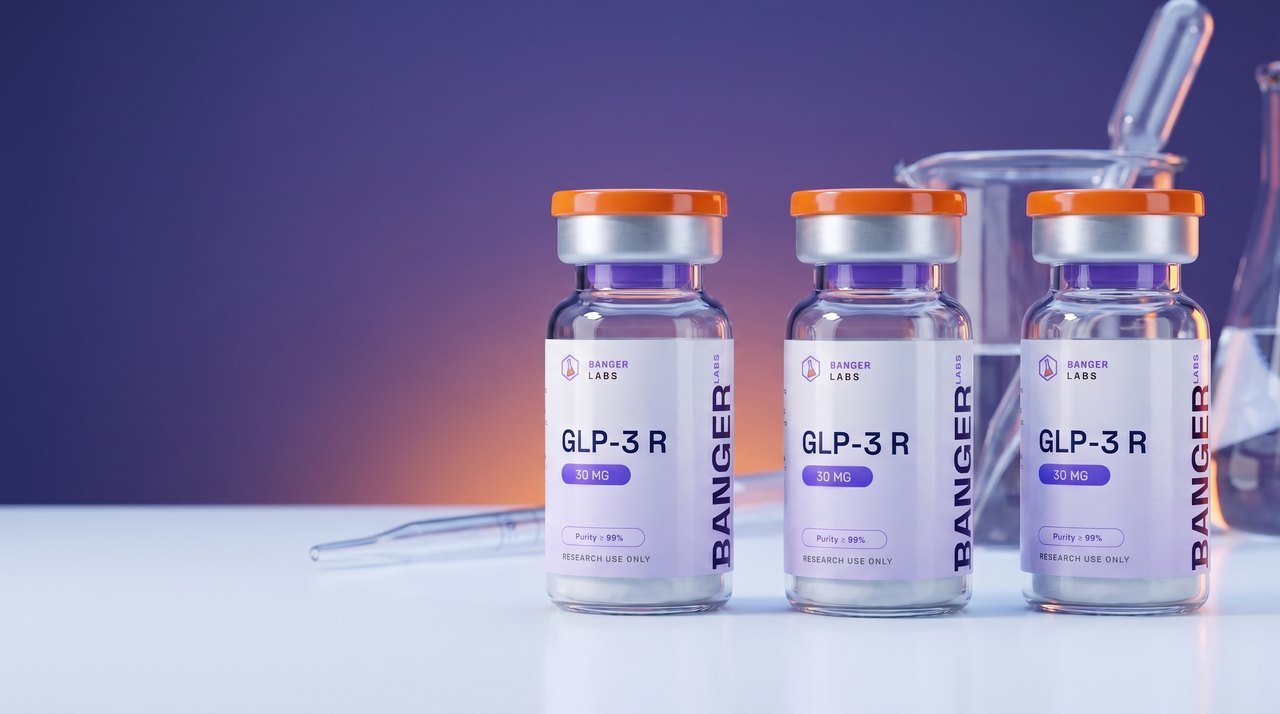
Short answer: Lyophilized (freeze-dried) research peptides are reconstituted with bacteriostatic water, added gently down the vial wall and swirled, not shaken. Store lyophilized vials in the freezer and reconstituted vials refrigerated, away from light.
Reconstitution steps (research handling)
- Wipe both vial stoppers with alcohol.
- Draw bacteriostatic water and add it slowly down the inside wall of the peptide vial.
- Swirl gently to dissolve — do not shake (shaking can damage the peptide).
- Let it fully clarify before use; discard if cloudy or particulated.
Storage at a glance
Always follow the handling guidance for your specific compound and keep everything strictly for research use.
Frequently asked questions
What water do you use to reconstitute peptides?
Bacteriostatic water is standard for research reconstitution; it contains 0.9% benzyl alcohol.
Should reconstituted peptides be refrigerated?
Yes — store reconstituted vials refrigerated and away from light; keep sealed lyophilized vials frozen.
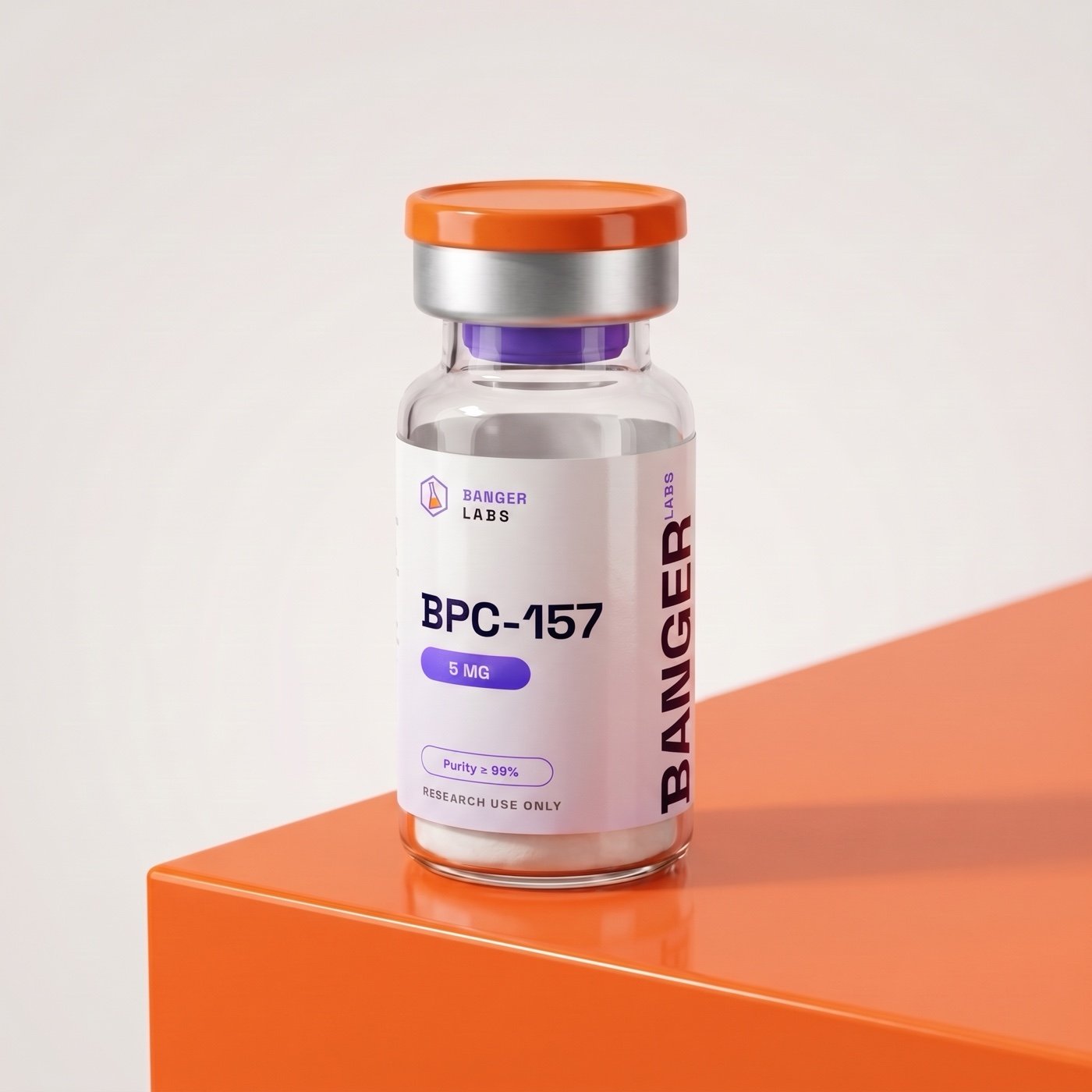
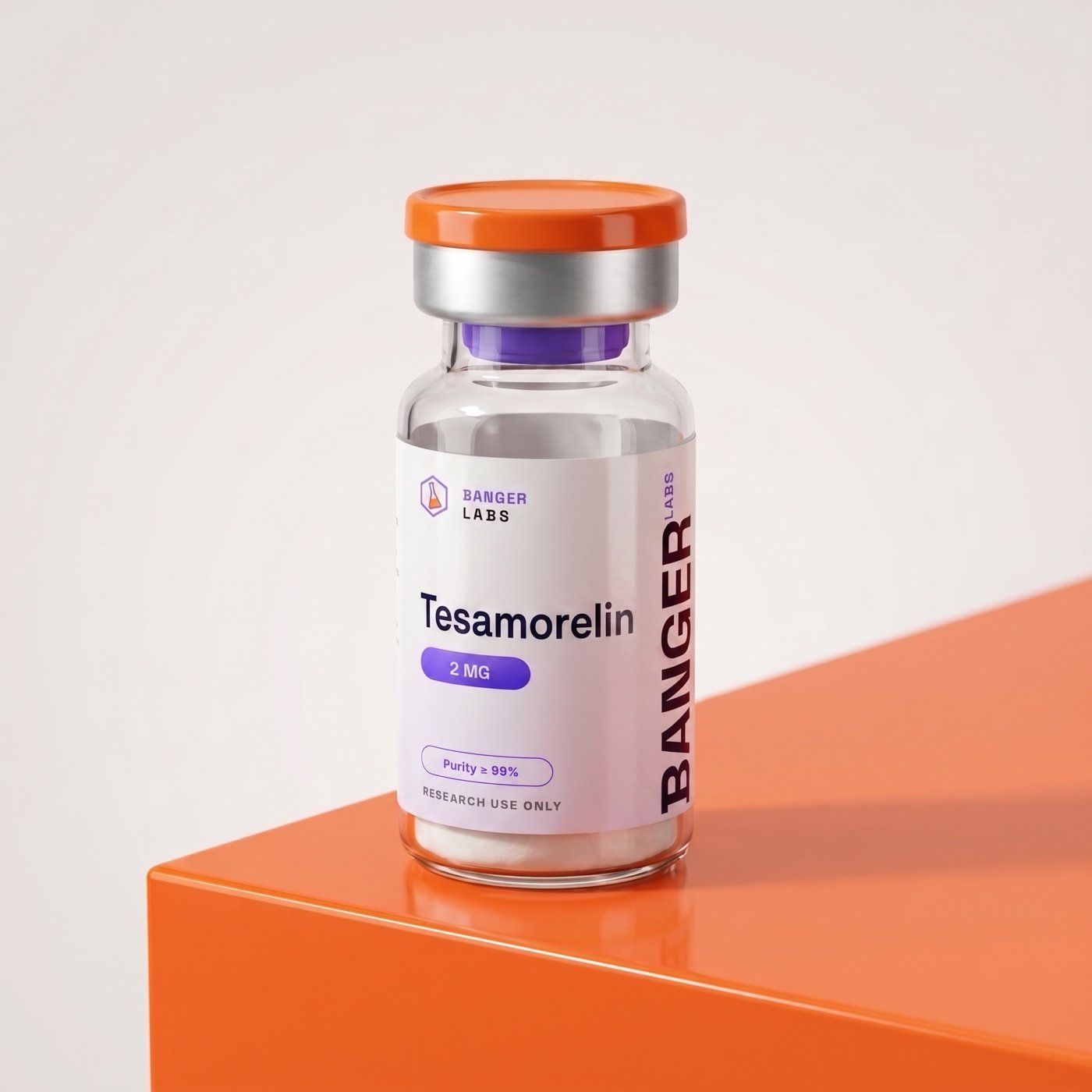
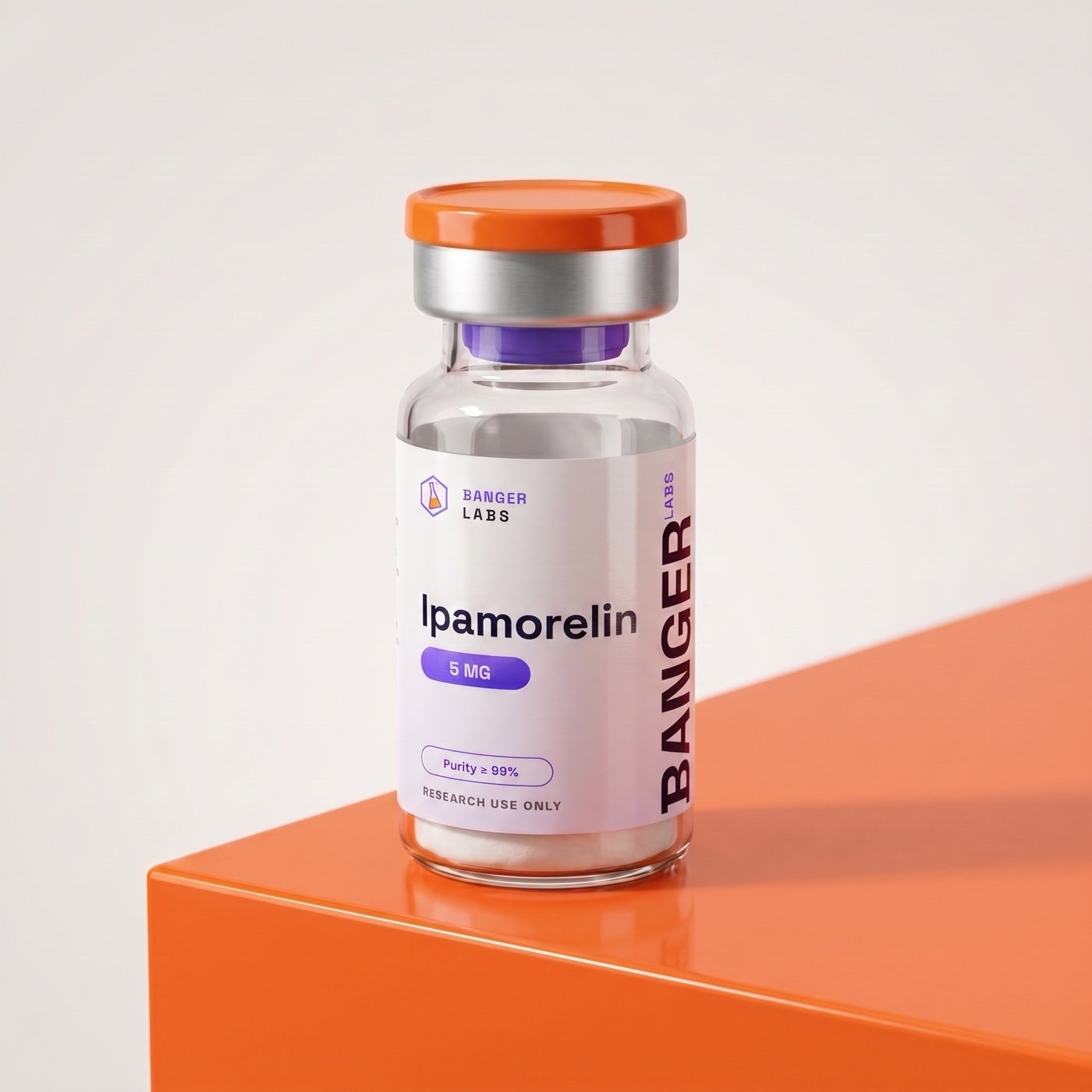
Shop research peptides

Keep exploring
By the Banger Labs Research Team. For research use only. Not for human or veterinary use. Not a drug, food, or cosmetic. Educational information, not medical advice.