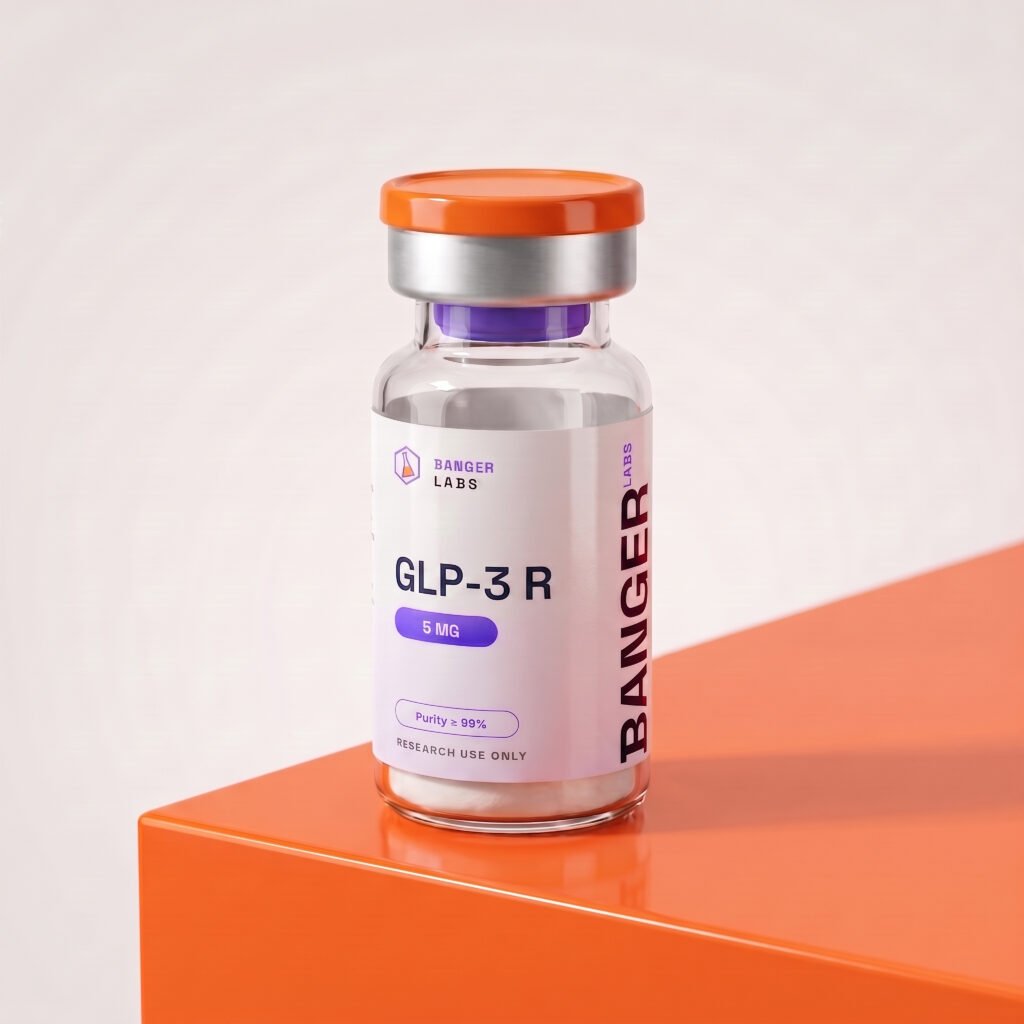
 For Research Use Only
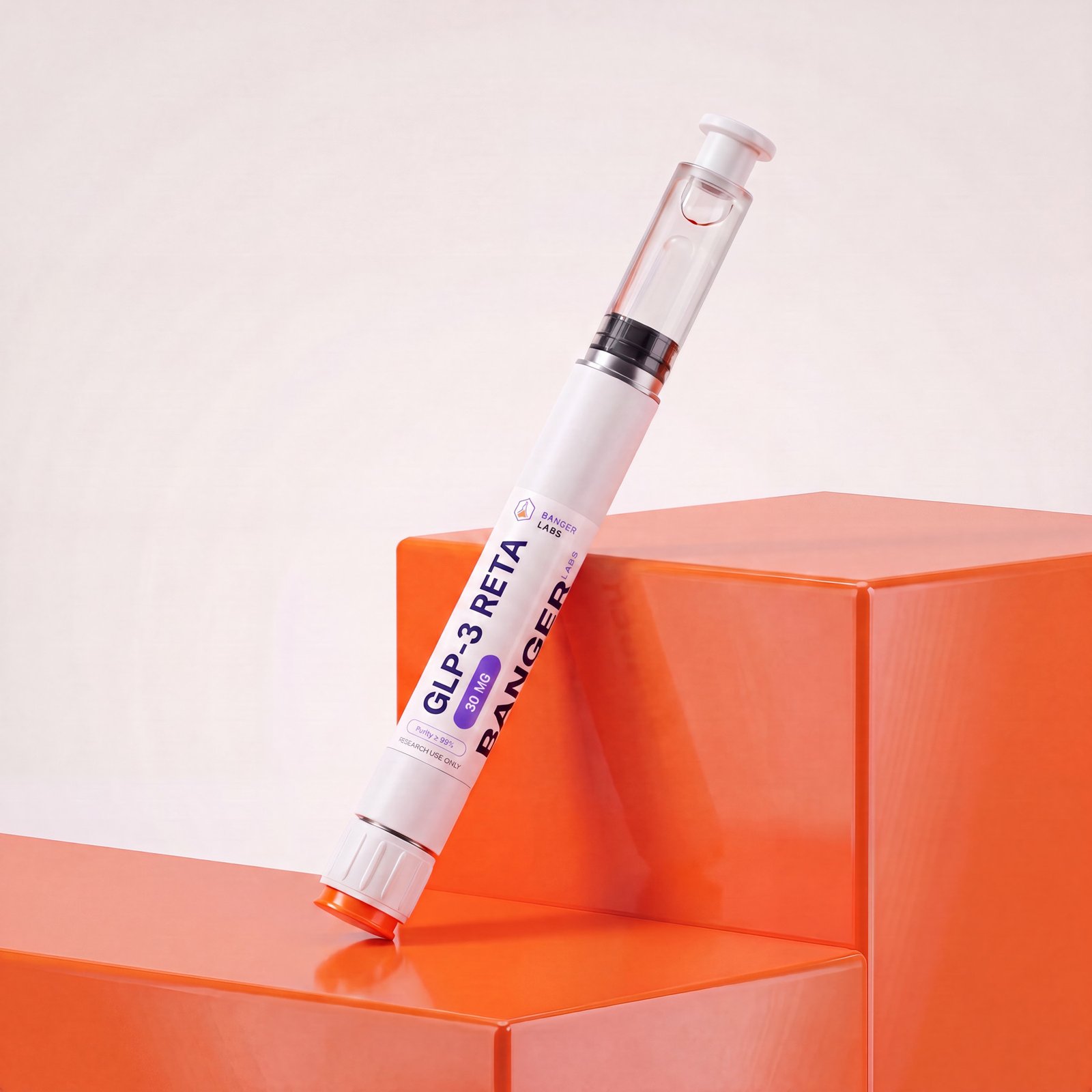
GLP-3 RETA
GLP-3 R — research-grade peptide. ≥ 99% purity (HPLC), Certificate of Analysis with every batch. For laboratory research use only.
 + 1 Free 3ml BAC Water
+ 2 Free 3ml BAC Water
+ 1 Free 3ml BAC Water
+ 2 Free 3ml BAC Water
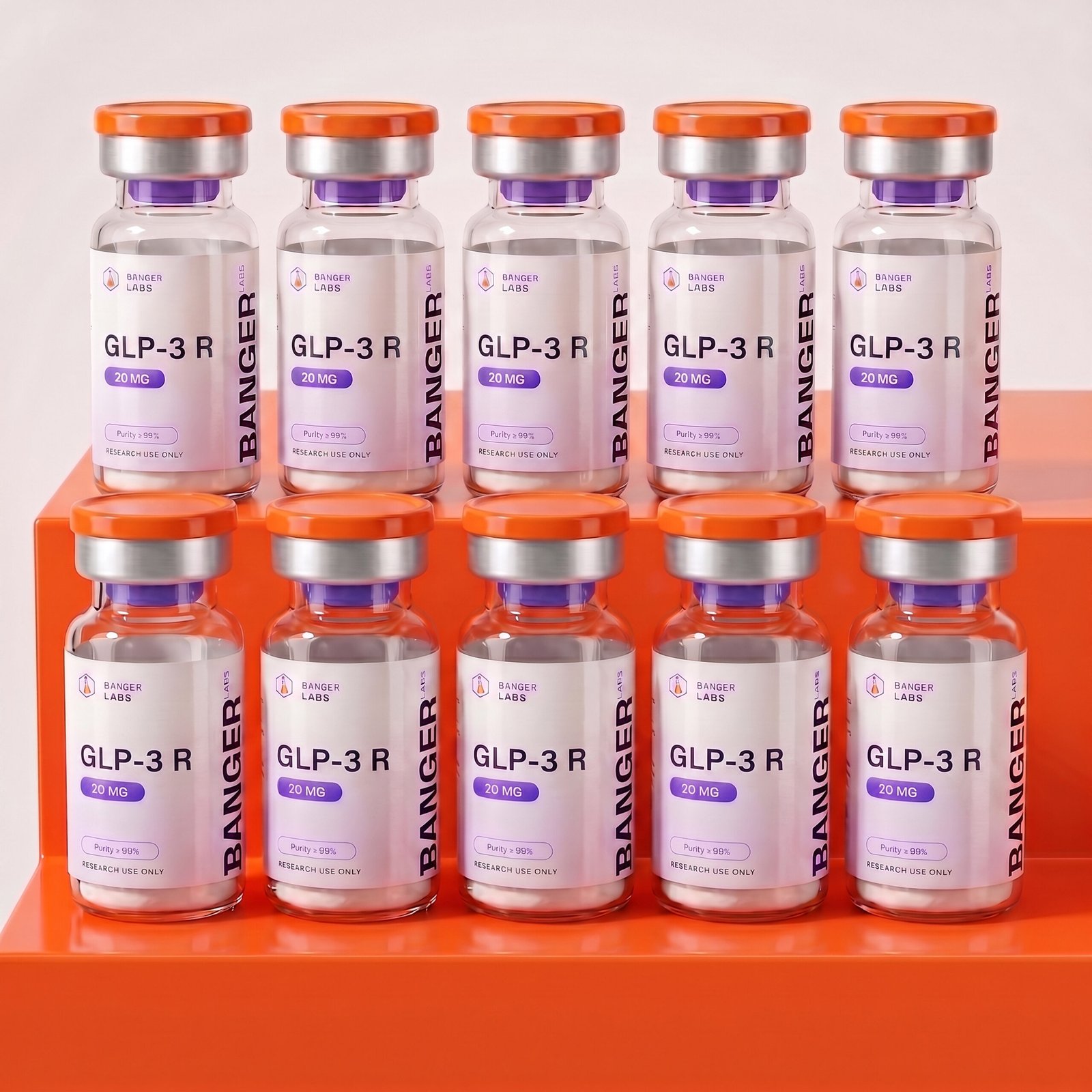 10 VIALS · 40% OFF
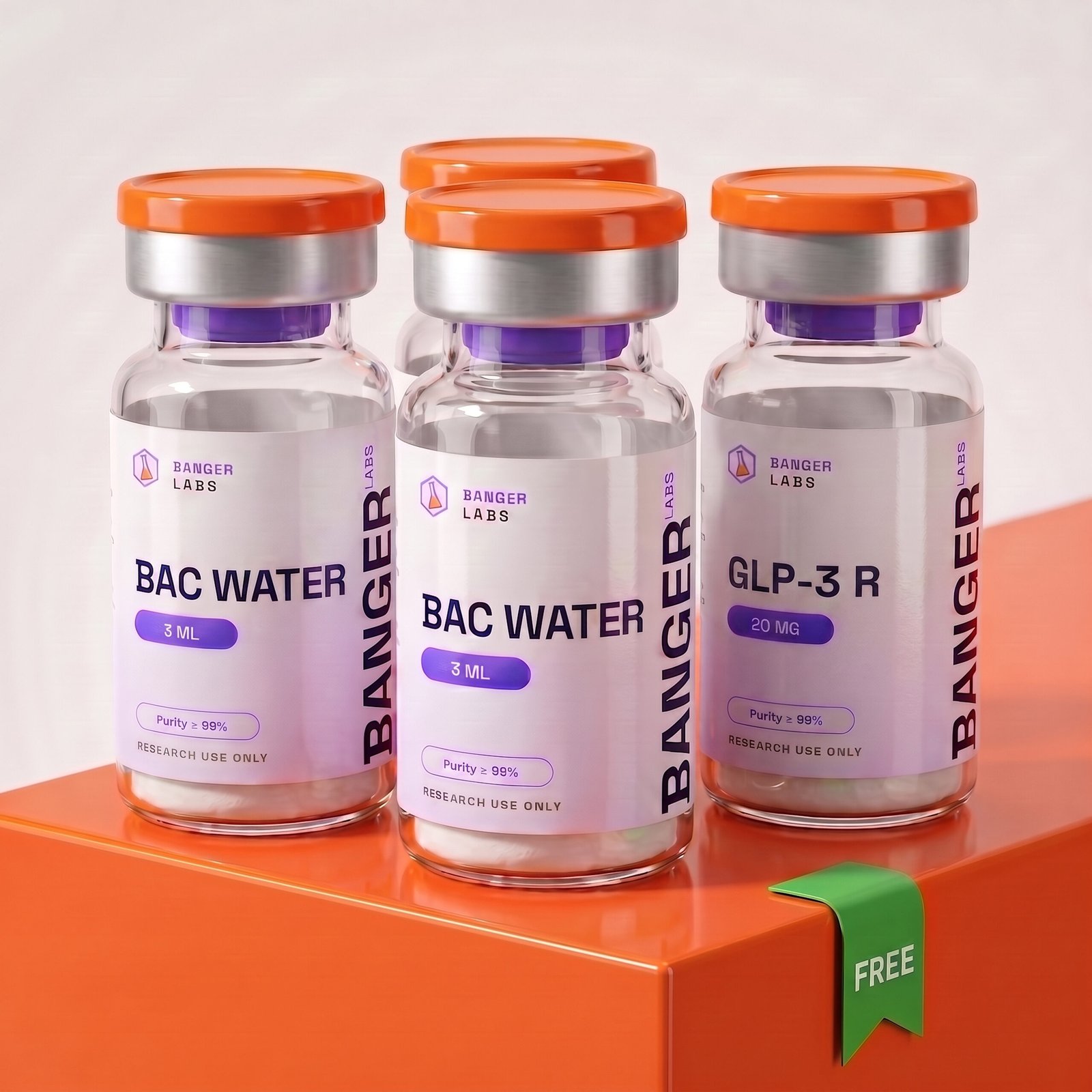 FREE
FREE- 3 Free 3ml BAC Water
- Free GLP-3 R 10mg vial
- Free Priority Shipping
Transparency
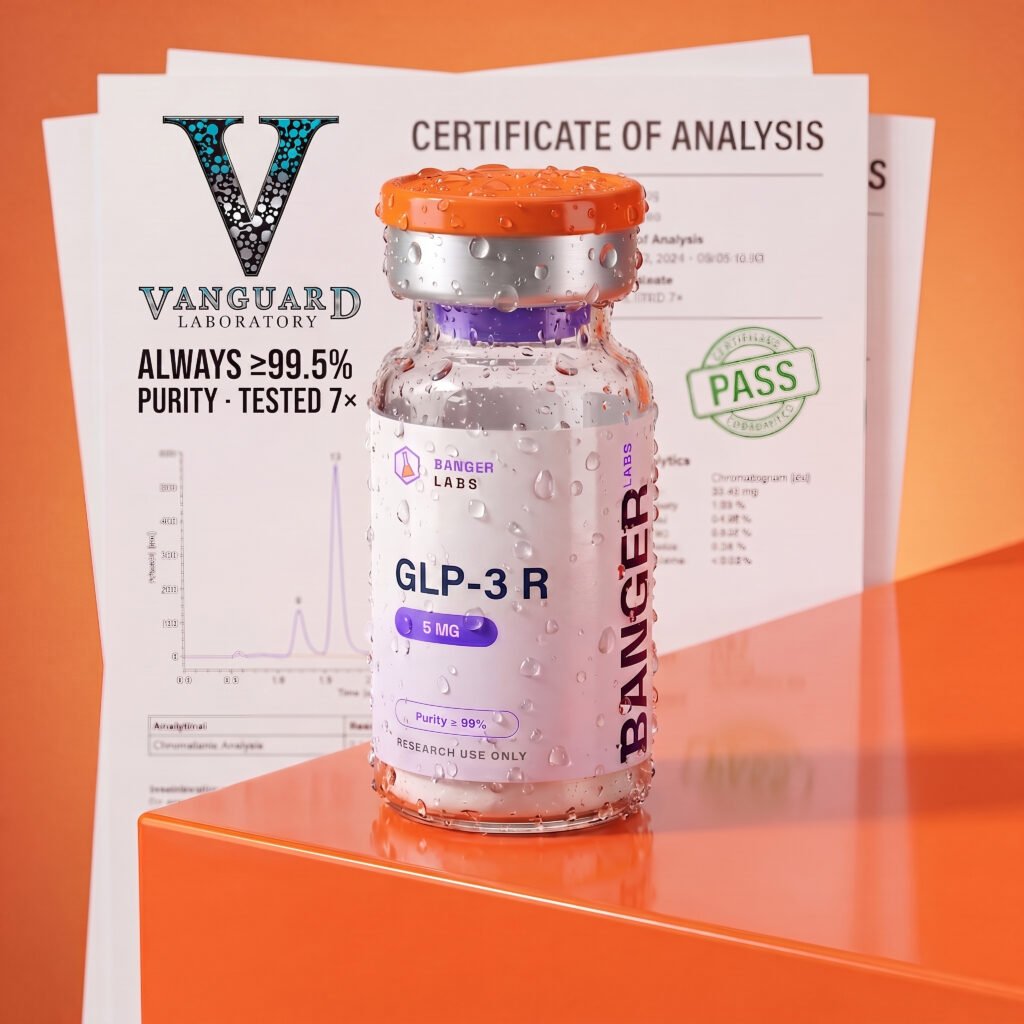
Certificate of Analysis
Every batch independently verified by third-party laboratories.
GLP-3 RETA COA
All Banger Labs products are independently tested by accredited third-party laboratories. Results are batch-specific and provided for research transparency only. This product is not approved for human use.
Lab Verified
Every Dose, Independently Tested
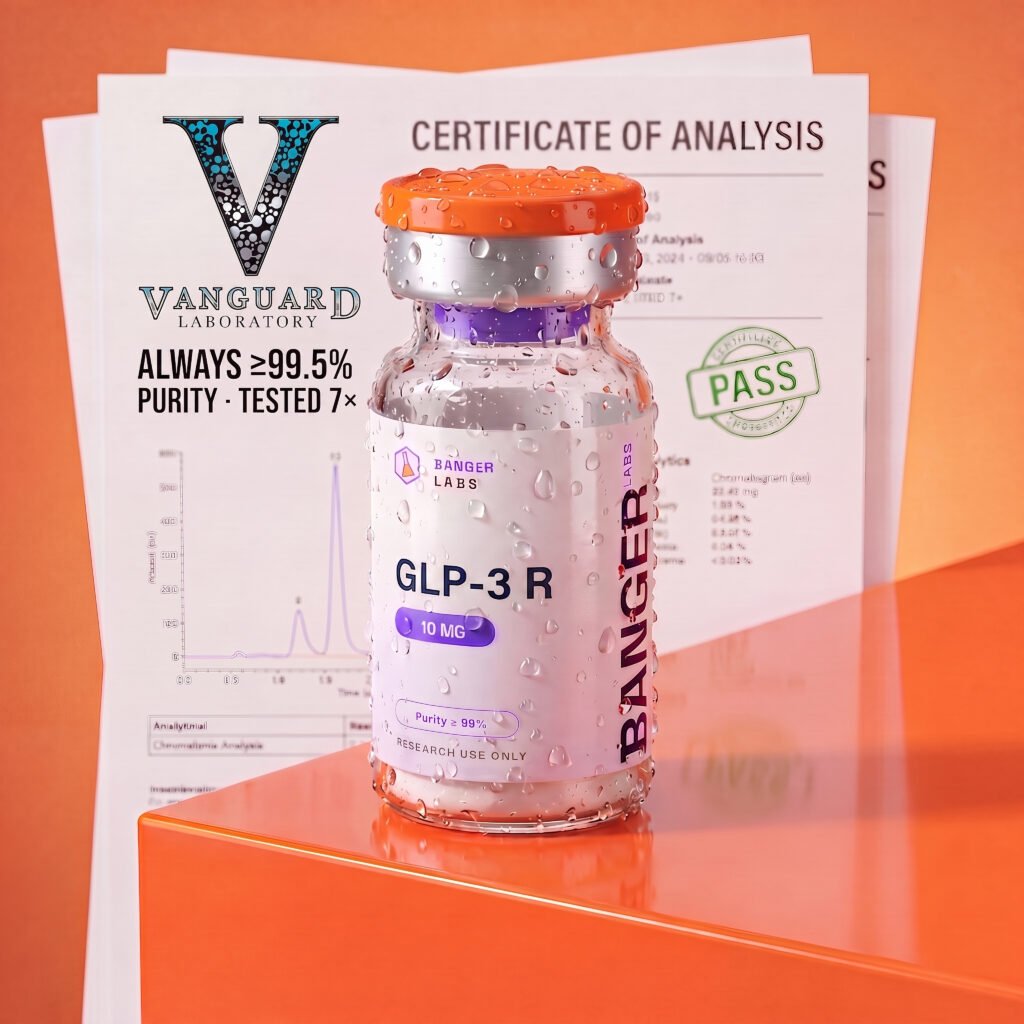
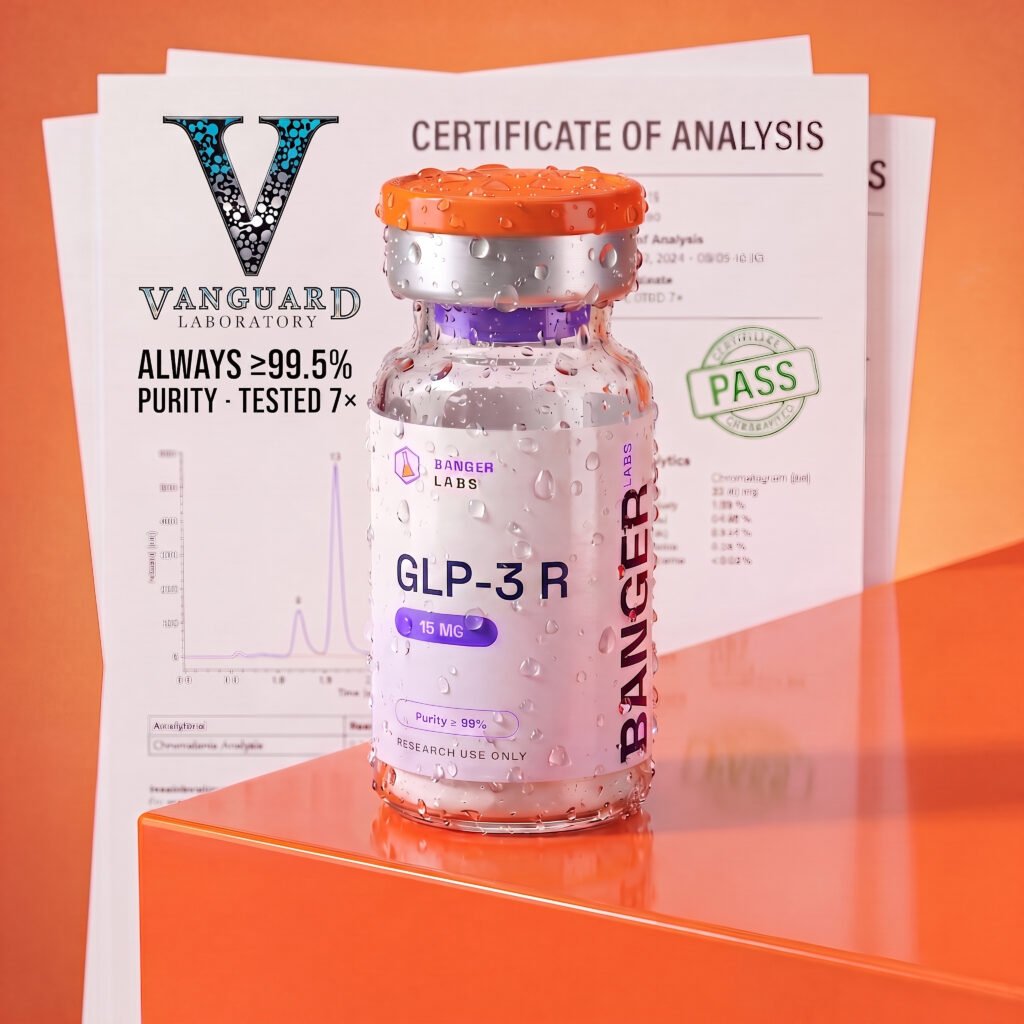
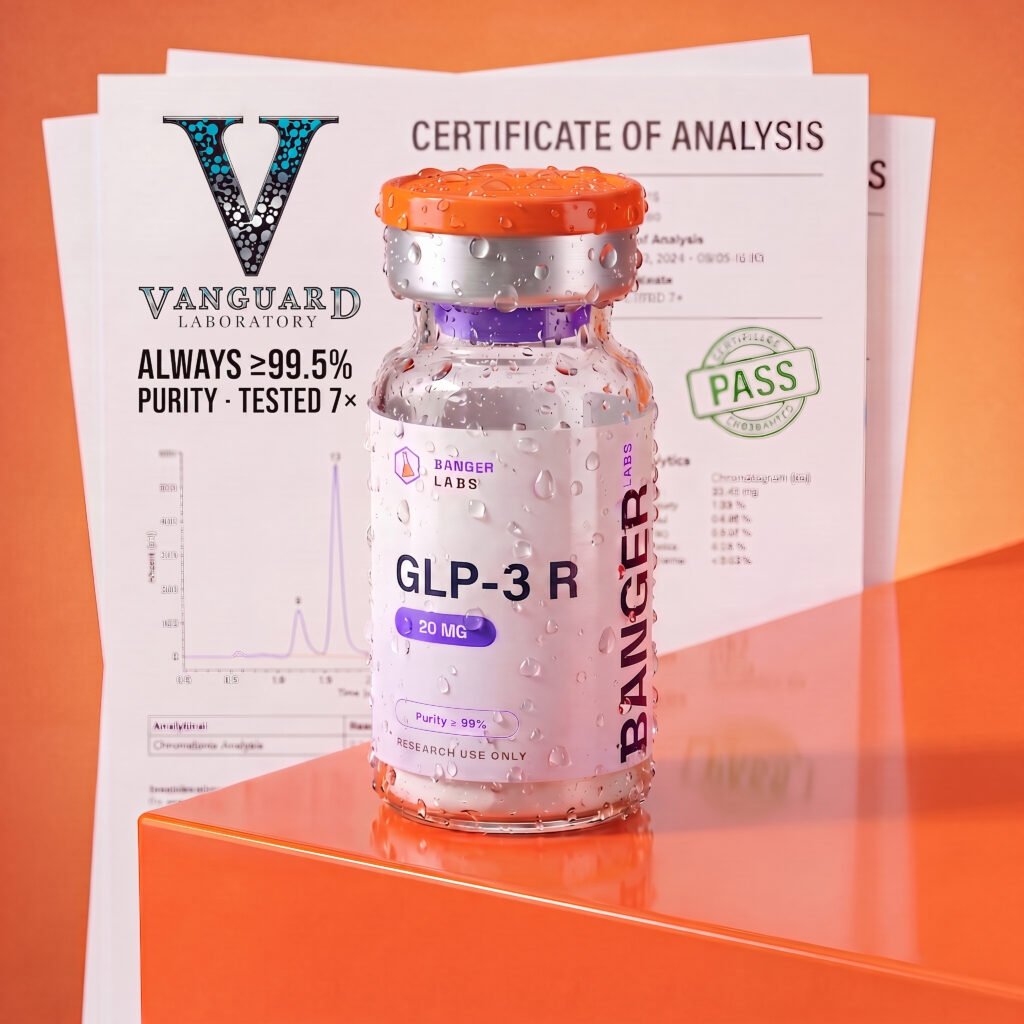
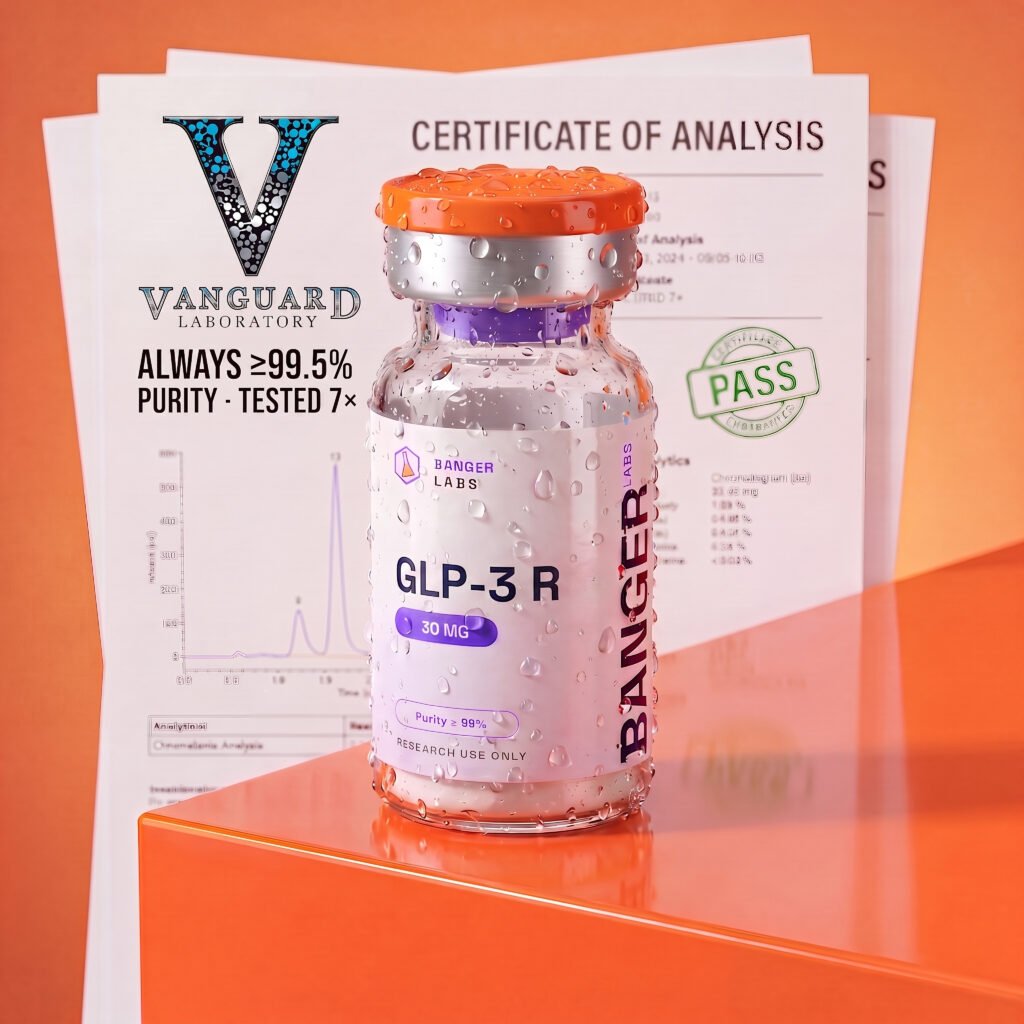
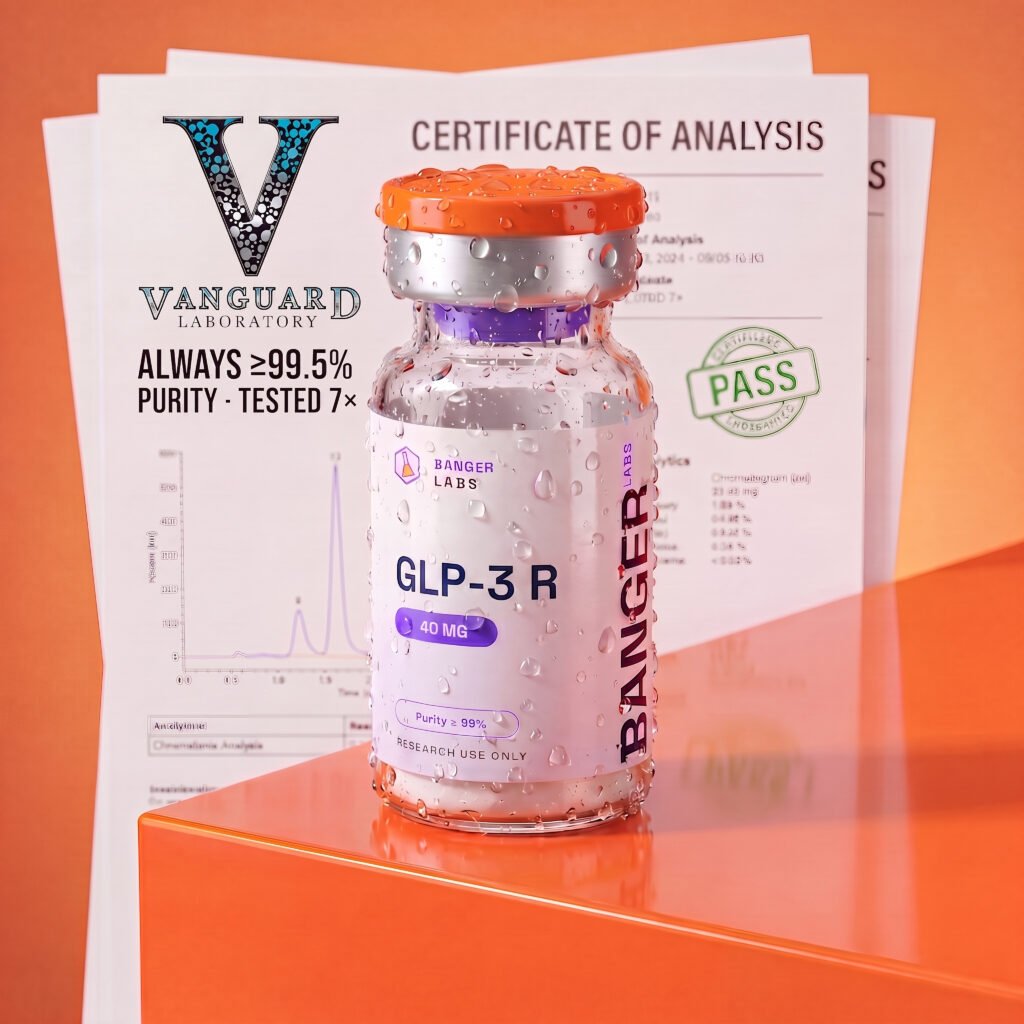
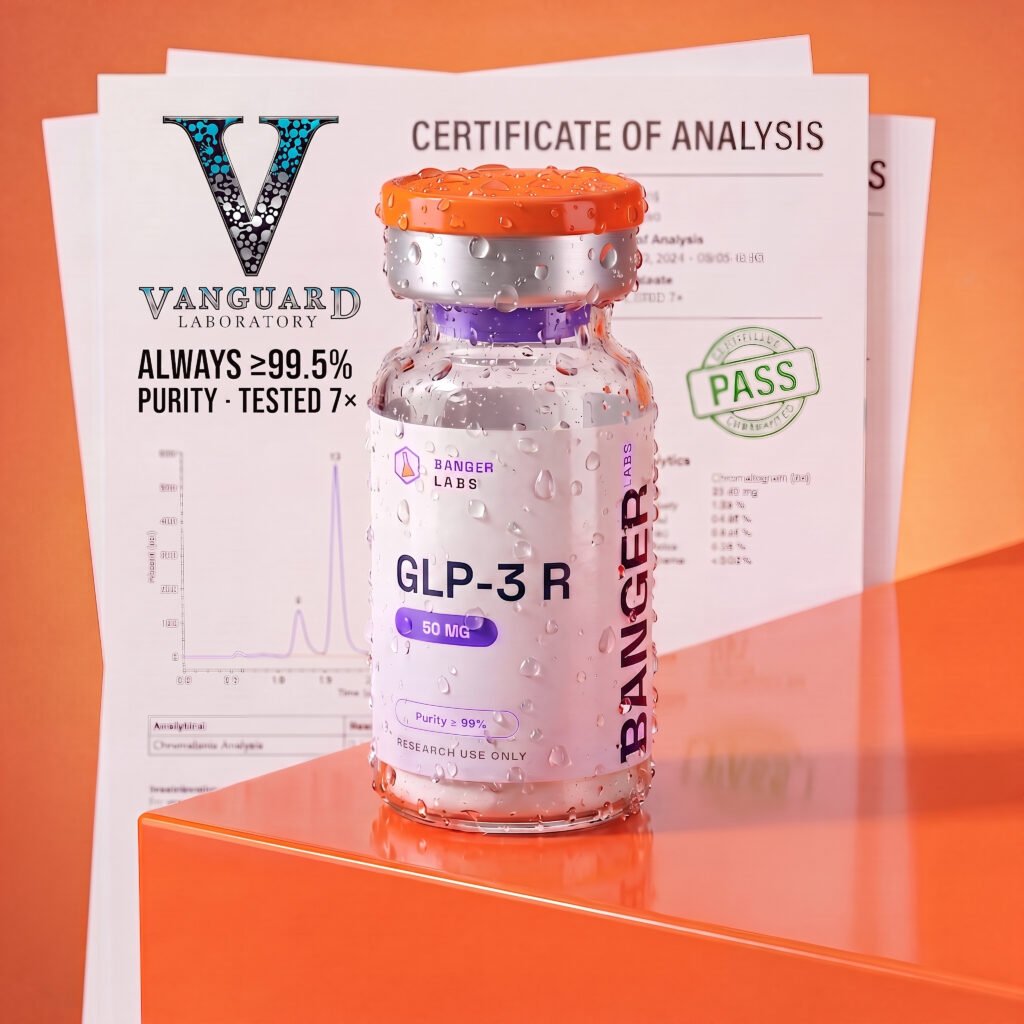
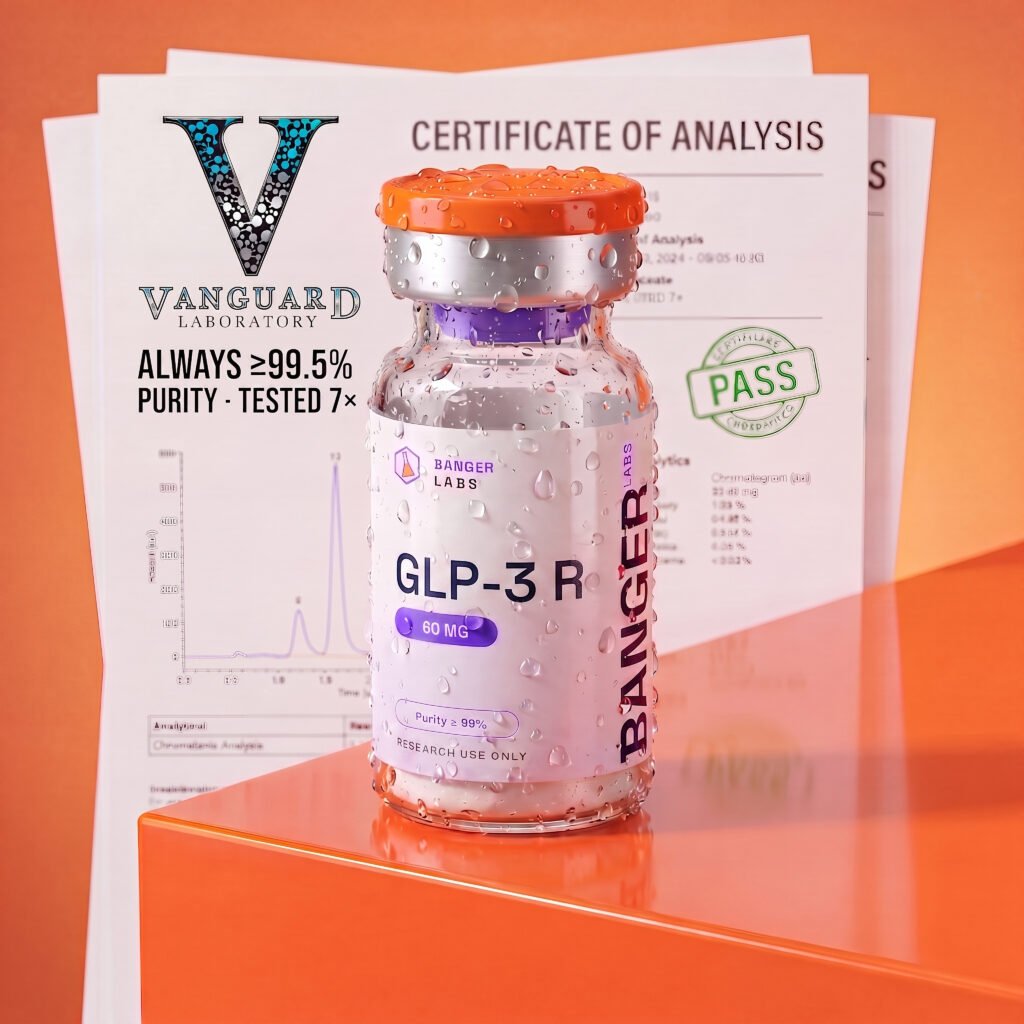
Verified by Vanguard Laboratory — always ≥99.5% purity, tested 7×. Swipe to view your selected dose.
Support
Frequently Asked Questions
Everything you need to know about this product and your order.
Research Overview Cited research summary, handling & references — tap to expand
GLP-3 RETA: A Research Compendium
What GLP-3 RETA Is
GLP-3 RETA (research designation LY3437943) is a synthetic, single-molecule peptide engineered to act as a triple agonist at three receptors: the glucagon receptor, the glucose-dependent insulinotropic polypeptide (GIP) receptor, and the glucagon-like peptide-1 (GLP-1) receptor. The discovery literature describes it as a fatty-acid-modified peptide built to engage all three receptors from a single backbone, extending the dual-agonist concept by adding glucagon-receptor activity.[1] It is studied as a research tool for probing how simultaneous engagement of these three incretin and counter-regulatory pathways is coordinated at the receptor and signalling level.[2] Banger Labs supplies GLP-3 RETA exclusively as a research chemical for in-vitro and laboratory investigation; it is not a drug, supplement, or product for human or veterinary use.
Areas Studied in the Research Literature
Research on GLP-3 RETA and the triple-agonist concept centres on receptor pharmacology and mechanistic studies in cell and rodent models. The entries below summarise areas investigators have studied and make no claims about outcomes.
Triple Receptor Agonism
The defining research theme is balanced co-activation of the glucagon, GIP, and GLP-1 receptors by one peptide. The discovery paper characterises its activity profile across all three receptors in cell-based assays.[1]
Glucagon-Receptor Signalling
The glucagon-receptor arm distinguishes triple agonists from dual agonists. Mechanistic work in mice has linked glucagon-receptor signalling to hepatic energy metabolism via FXR and FGF21 pathways.[3]
Dual & Triple Agonist Design
Comparative studies of complementary glucagon and GLP-1 receptor activities in animal models inform the rationale behind multi-receptor peptide design.[4]
Incretin Pathway Integration
Review literature traces how combining GIP, GLP-1, and glucagon receptor activity in one molecule emerged from incretin and gut-hormone research.[2][5]
Energy Metabolism (Preclinical)
Animal-model investigations have probed how engagement of these receptors influences hepatic lipid handling and energy-metabolism signalling pathways.[3]
Appetite-Pathway Research
Gut-hormone reviews summarise the neuroendocrine appetite-regulation pathways that incretin-receptor research, including triple agonists, has explored in preclinical systems.[5]
Reconstitution, Handling & Storage (Research)
These notes reflect general laboratory practice for lyophilised research peptides. They are procedural bench notes only and are not directions for use in any organism.
Reconstitution
Lyophilised peptide is commonly dissolved by adding sterile or bacteriostatic water slowly along the vial wall, then allowing it to dissolve gently without vortexing to minimise shear and foaming.
Aliquoting
Splitting reconstituted stock into single-use aliquots is a common laboratory practice to avoid repeated freeze-thaw cycles in multi-day studies.
Storage
Lyophilised material is typically held frozen and protected from light and humidity; reconstituted solutions are generally refrigerated and used within a short window per protocol.
Documentation
Logging lot number, concentration, solvent, and date of preparation supports reproducibility and traceability at the bench.
Stability & Half-Life Notes
As an acylated, albumin-binding peptide, GLP-3 RETA is described in the discovery literature as engineered for resistance to enzymatic degradation and extended molecular persistence relative to native peptide hormones.[1] The stability of any individual research preparation depends on solvent, pH, temperature, and freeze-thaw history; investigators should verify integrity for their own experimental conditions.
Research Use Only — Not For Human Use
GLP-3 RETA supplied by Banger Labs is a research chemical intended exclusively for in-vitro and laboratory research by qualified professionals. It is not a medicine, has not been approved in this form for the diagnosis, treatment, cure, or prevention of any condition, and must not be administered to humans or animals. Nothing here describes therapeutic effect, dosing, or efficacy.
References
- Coskun T, Urva S, Roell WC, et al. LY3437943, a novel triple glucagon, GIP, and GLP-1 receptor agonist for glycemic control and weight loss: From discovery to clinical proof of concept. Cell Metab. 2022. PMID: 35985340
- Jakubowska A, Le Roux CW, Viljoen A. The Road towards Triple Agonists: Glucagon-Like Peptide 1, Glucose-Dependent Insulinotropic Polypeptide and Glucagon Receptor - An Update. Endocrinol Metab (Seoul). 2024. PMID: 38356208
- Kim T, Nason S, Holleman C, et al. Glucagon Receptor Signaling Regulates Energy Metabolism via Hepatic Farnesoid X Receptor and Fibroblast Growth Factor 21. Diabetes. 2018. PMID: 29925501
- Park BG, Lee CW, Park JW, et al. Antiobesity therapeutics with complementary dual-agonist activities at glucagon and glucagon-like peptide 1 receptors. Diabetes Obes Metab. 2022. PMID: 34491605
- Hong SH, Choi KM. Gut hormones and appetite regulation. Curr Opin Endocrinol Diabetes Obes. 2024. PMID: 38511400
Scientific References
Explore the published research literature on GLP-3 RETA. We link directly to independent, primary sources — we don't summarize or interpret findings. For research use only.
Links open external databases (pubmed.ncbi.nlm.nih.gov · clinicaltrials.gov). Banger Labs is not affiliated with these sources. For research use only — not medical advice.

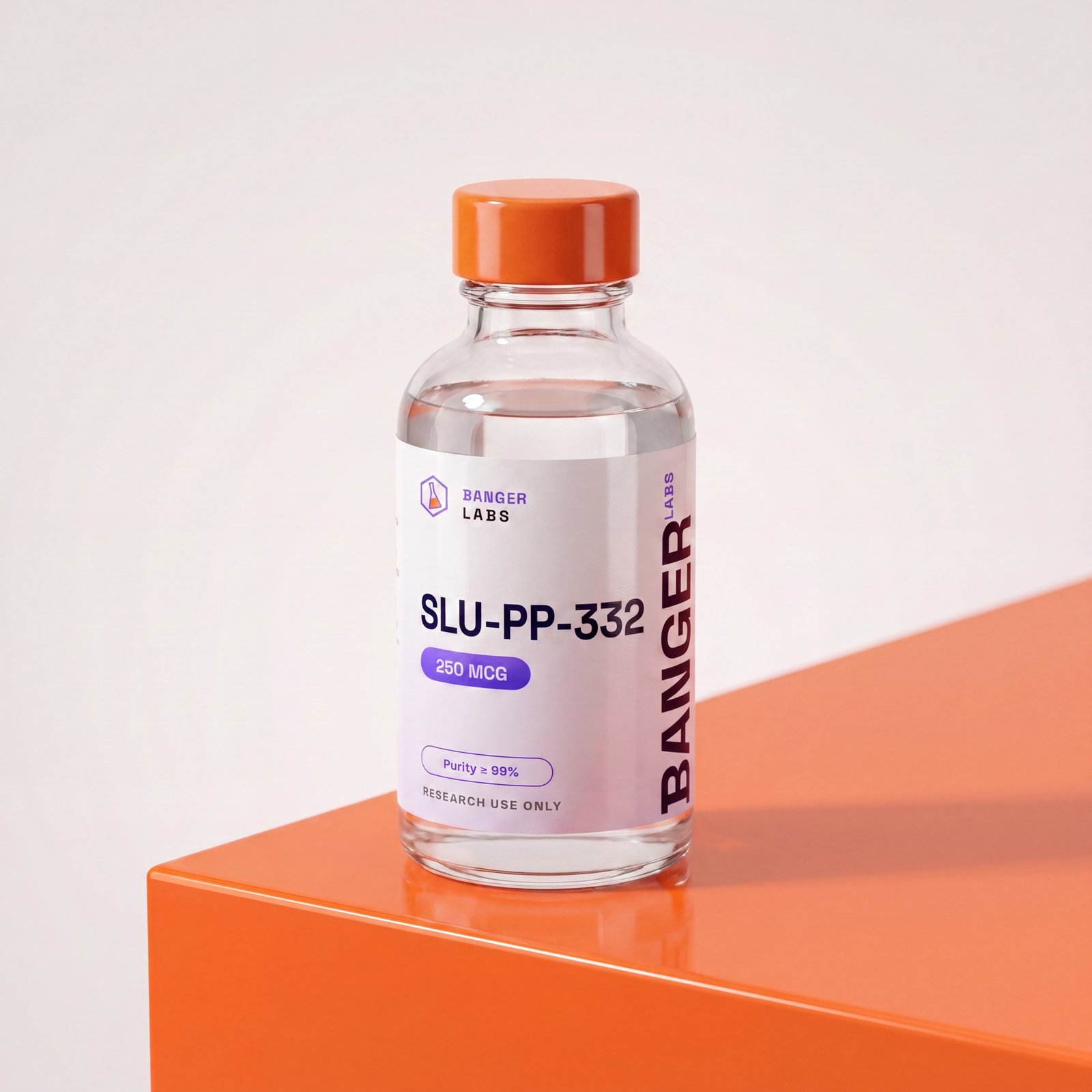
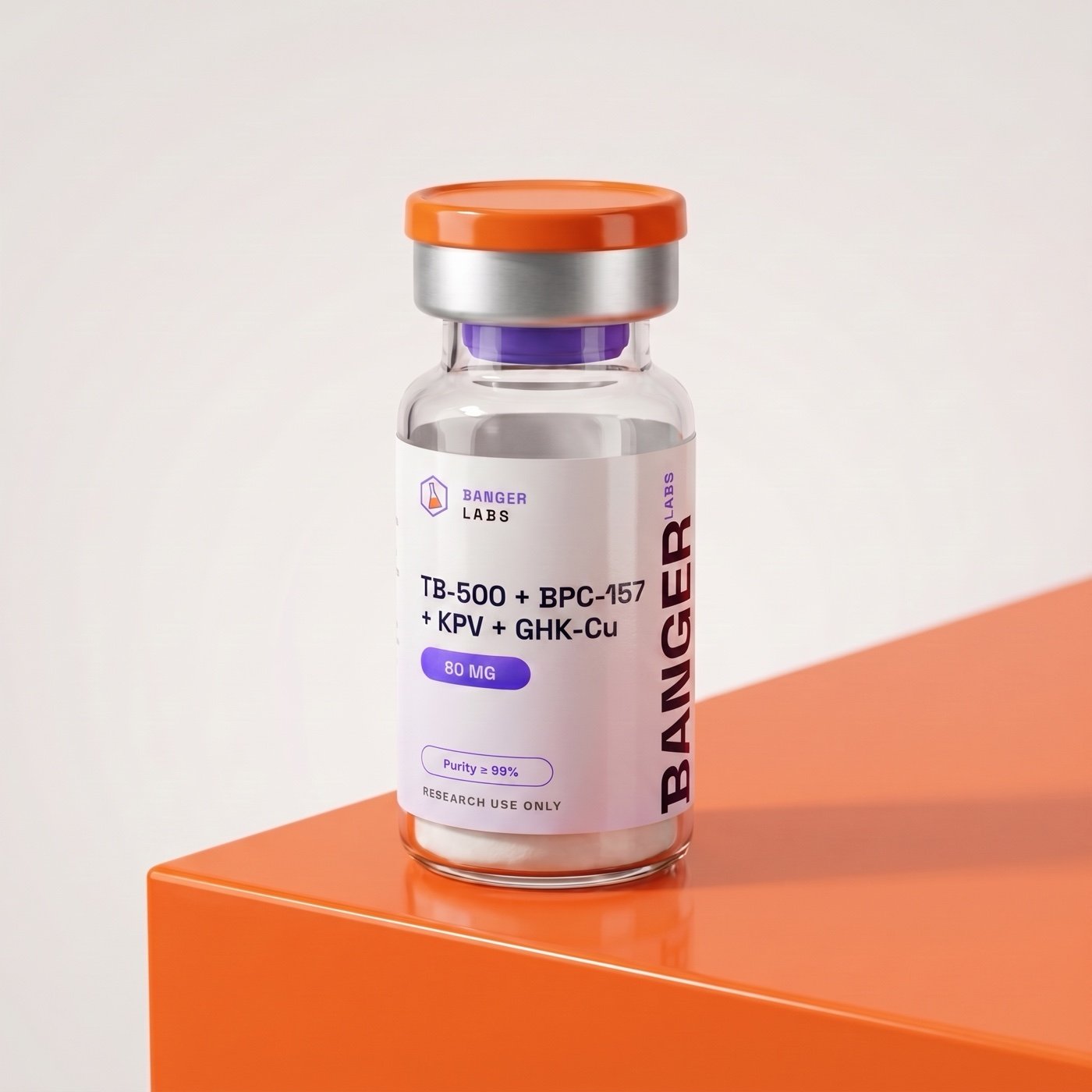
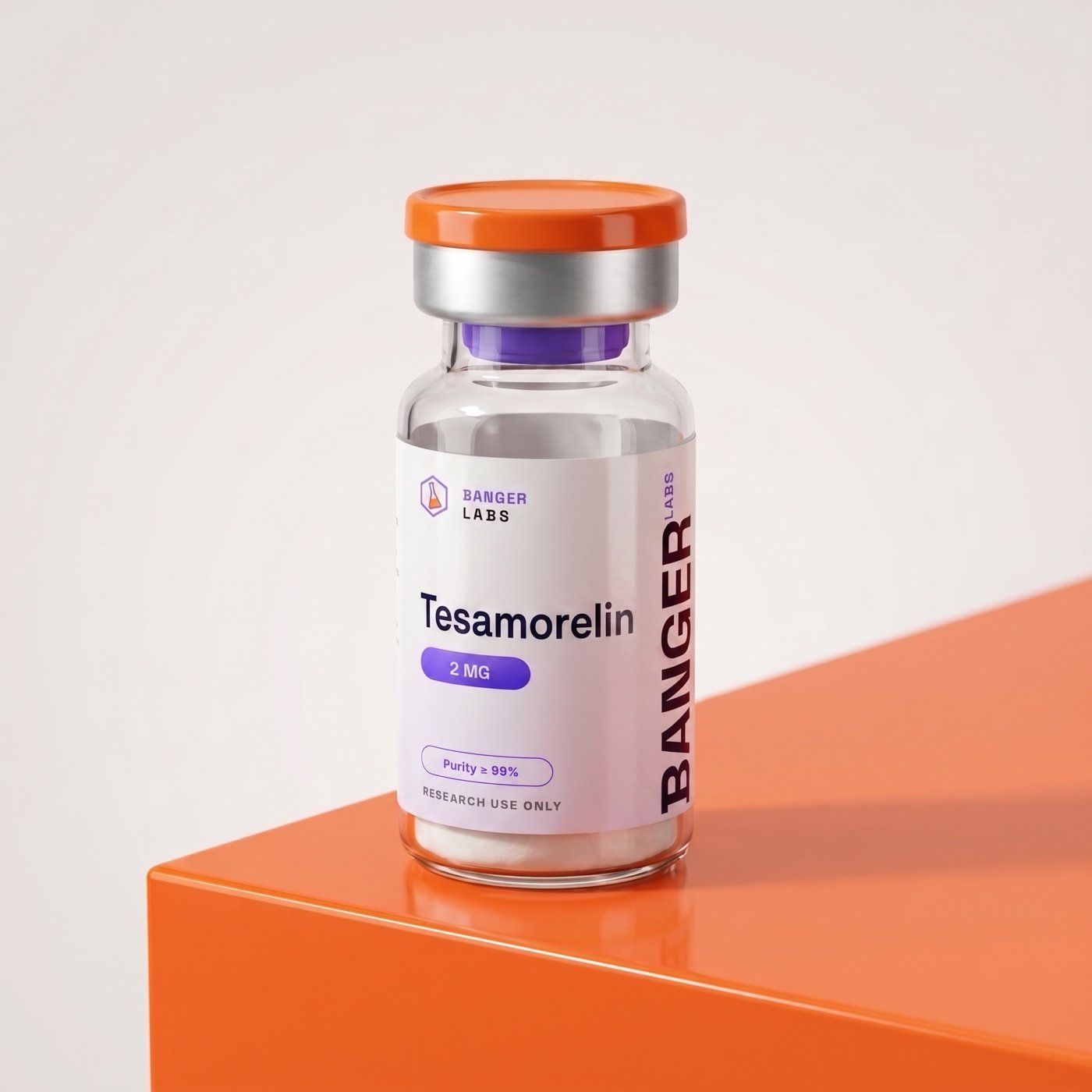
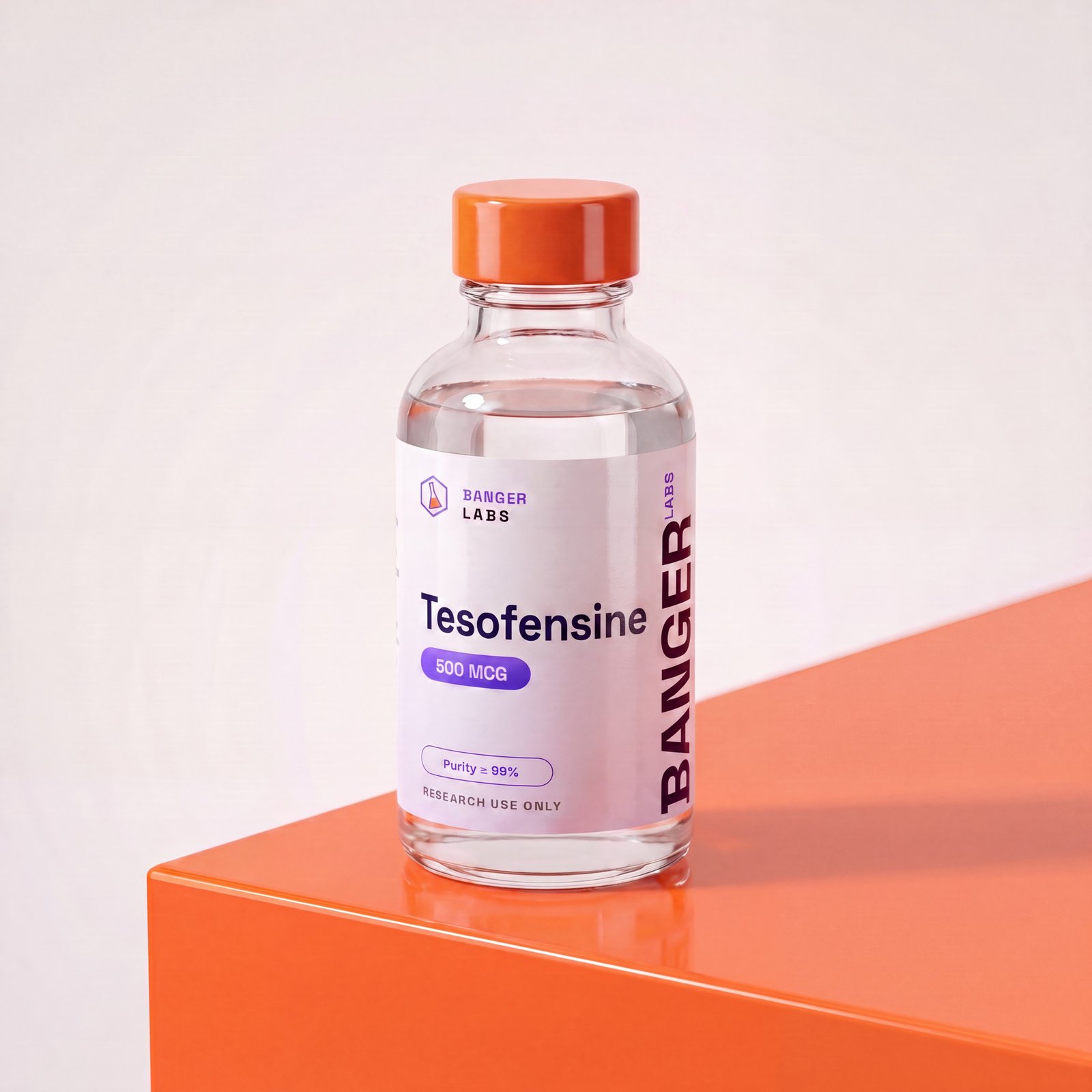
Certificate of Analysis
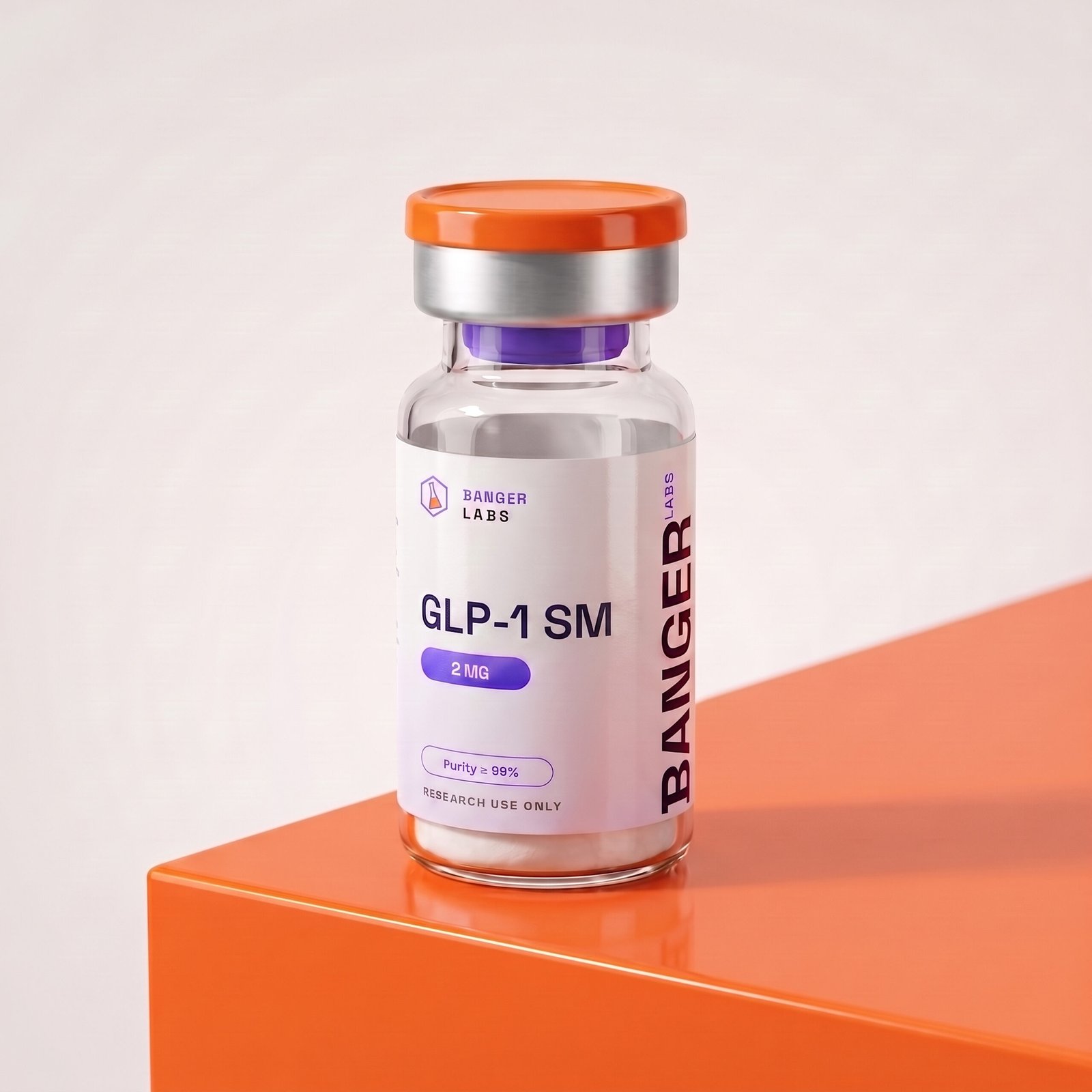
GLP-3 RETA · ≥99.4% purity (HPLC)