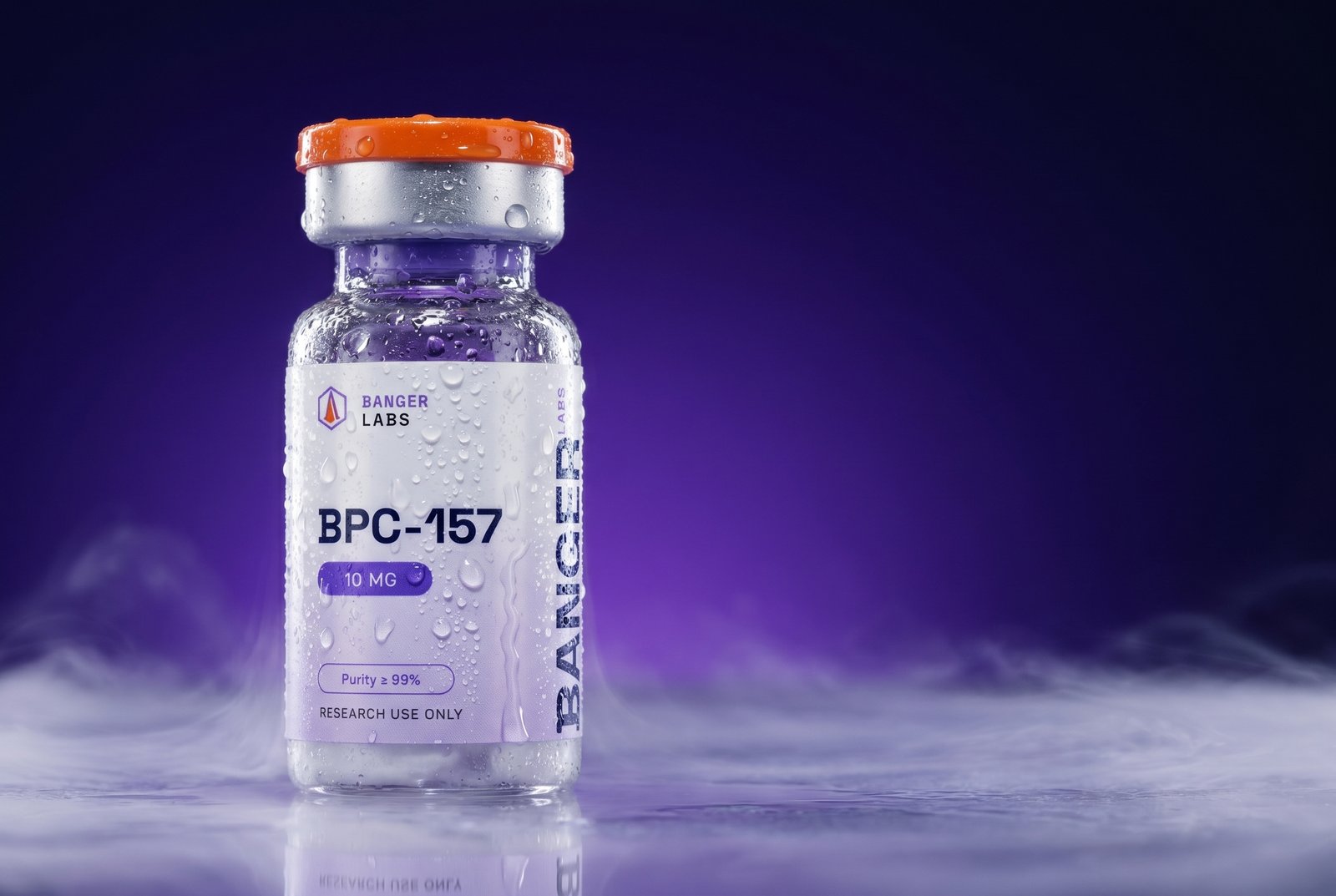
A research peptide can arrive as a fluffy white cake at the bottom of a vial or as a clear solution — and the difference is not cosmetic. Lyophilization (freeze-drying) is the reason most research peptides ship as a dry powder: removing water dramatically slows the chemical reactions that degrade a peptide, so a lyophilized vial is far more stable than the same material once it has been dissolved. Understanding why that is true — and what changes the moment you reconstitute — is the foundation of good handling and reproducible bench work. This guide walks through what lyophilization actually does, how shelf life compares before and after reconstitution, the specific stressors that break peptides down, and how cold-chain shipping and storage protect research integrity. All material discussed here is for research use only and not for human consumption.
What lyophilization actually is
Lyophilization, or freeze-drying, is a dehydration process: the peptide solution is frozen, then placed under vacuum so the frozen water sublimates directly from solid to vapor without passing through a liquid phase. What remains is a dry, porous cake — the white or off-white plug you see at the bottom of a research vial. The goal is simple to state: get the water out, because water is the medium in which most peptide degradation chemistry happens.
Peptides are chains of amino acids held together by amide (peptide) bonds, and many of those bonds — along with vulnerable side chains — are susceptible to hydrolysis, a reaction that requires water. By removing nearly all of the water, lyophilization slows hydrolytic pathways to a crawl. Reactions that would proceed in hours or days in solution can take months or years in a properly dried, properly stored solid. This is the same principle behind freeze-dried reference standards and many pharmaceutical powders.
Lyophilized material is also lighter and more shipping-tolerant than solution, which is one reason research suppliers default to it. To learn how to read the documentation that should accompany every vial, see our guide on how to read a peptide COA.
Shelf life: lyophilized vs reconstituted
The single most important practical takeaway is this: a lyophilized peptide is far more stable than the same peptide in solution. Once you add a diluent, you reintroduce water — and with it, the hydrolysis and other reactions that lyophilization was designed to suppress. The general, well-established pattern in peptide handling is captured below. Exact figures are peptide-specific and depend on sequence, purity, and storage, so treat these as directional rather than absolute.
| State | Typical storage | Relative stability | Practical note |
|---|---|---|---|
| Lyophilized, frozen | -20 °C or colder, desiccated, dark | Highest | Long-term storage form for most research peptides |
| Lyophilized, refrigerated | 2–8 °C, desiccated, dark | High | Common for shorter holds and shipping |
| Lyophilized, room temp | Brief, dark, sealed | Moderate | Acceptable for short transit windows only |
| Reconstituted, refrigerated | 2–8 °C, dark | Limited | Use within a short, peptide-dependent window |
| Reconstituted, room temp | — | Lowest | Avoid; degradation accelerates |
Notice the cliff: the moment a vial is reconstituted, its useful window shrinks from a long-term horizon to a short, peptide-dependent one. This is why a common bench practice is to reconstitute only what is needed and, where the peptide tolerates it, aliquot the solution into single-use portions to avoid repeated handling of one shared vial.
For the mechanics of reconstituting correctly — choosing a diluent, calculating concentration, and storing the result — work through our peptide reconstitution and storage guide.
What actually degrades a peptide
Degradation is not a single event but a family of chemical and physical pathways. The literature on peptide and protein stability identifies several well-characterized culprits, and most bench problems trace back to one of them.
Heat
Higher temperature accelerates essentially every degradation reaction. This is why frozen storage is the long-term default for lyophilized material and refrigeration is standard for solutions — cold slows the chemistry. Leaving a vial on the bench or near a heat source is one of the most common avoidable mistakes.
Light
Certain amino acid residues — notably tryptophan, tyrosine, and cysteine-containing motifs — are susceptible to photodegradation. Amber vials and dark storage are not superstition; they limit light-driven oxidation and related pathways. Keep both dry and reconstituted material out of direct light.
Freeze-thaw cycles
Repeatedly freezing and thawing a reconstituted solution is mechanically and chemically stressful: ice formation concentrates solutes and can drive aggregation and physical denaturation. The well-established mitigation is to aliquot before freezing so each portion is thawed only once, rather than cycling a single vial multiple times.
Hydrolysis and oxidation in solution
Once water is present, hydrolysis of the peptide backbone and oxidation of susceptible side chains proceed at rates that depend on pH, buffer, and temperature. This is the core reason reconstituted shelf life is so much shorter than lyophilized shelf life — and the central insight that ties this whole guide together.
Cold-chain shipping and what to check on arrival
Because lyophilized peptides are relatively shipping-tolerant, short transit at ambient or cool-pack temperature is generally acceptable for the dry powder — far more so than it would be for a solution. Responsible suppliers still use insulated packaging and cold packs to keep material cool and out of light during transit, and they pair each shipment with documentation.
- Inspect the cake. An intact powder plug is expected. A melted, collapsed, or splashed-up appearance suggests heat exposure in transit.
- Check the vial seal and septum. The stopper should be seated and undisturbed; a compromised seal can admit moisture, which is the enemy of a lyophilized solid.
- Confirm the paperwork. Each lot should be traceable to a Certificate of Analysis. Review our COA reference to know what you are looking at.
- Move it to proper storage promptly. Get dry material into desiccated, dark, cold storage rather than leaving it at room temperature.
If something looks wrong on arrival, photograph it and note the conditions before doing anything else — that record is what makes a quality conversation productive. For more on supplier transparency and verification, see is Banger Labs legit.
Handling for research integrity
Reproducible results depend on the material being what the label says it is at the moment it is used. A handful of disciplined habits protect that integrity across a project.
- Equilibrate before opening. Let a cold vial warm to room temperature while sealed before breaking the seal, so atmospheric moisture does not condense onto cold glass or powder.
- Reconstitute deliberately. Add diluent slowly down the vial wall rather than blasting it onto the cake, and let the peptide dissolve gently without aggressive shaking.
- Aliquot when appropriate. For peptides that tolerate it, split reconstituted solution into single-use portions to eliminate repeated freeze-thaw and repeated septum punctures.
- Label everything. Record peptide, concentration, diluent, and date of reconstitution on each aliquot. Undated solutions are a frequent source of irreproducibility.
- Store correctly and consistently. Dark, cold, and — for dry material — desiccated. Consistency between runs matters as much as the absolute conditions.
Good handling also depends on good consumables: appropriate diluent, sterile syringes and filters, and proper vials. Browse our research supplies category for the bench items that support clean technique. And whichever peptide you are working with — whether a repair-focused sequence like BPC-157 or TB-500, or a secretagogue like ipamorelin — the same lyophilized-vs-reconstituted principles apply.
The most reproducible peptide is the one that was kept dry, cold, dark, and handled as little as possible before use.
Common questions
Why is a lyophilized peptide more stable than a reconstituted one?
Lyophilization removes nearly all the water from the vial. Most peptide degradation — especially hydrolysis of the backbone — requires water, so a dry solid degrades far more slowly than the same peptide dissolved in a diluent. Reconstituting reintroduces water and restarts that chemistry, which is why the in-solution window is much shorter.
How should I store a peptide before and after reconstitution?
As a directional rule: store lyophilized material desiccated, dark, and frozen (around -20 °C or colder) for long-term holds, or refrigerated for shorter ones. Once reconstituted, keep the solution refrigerated and dark and use it within a short, peptide-specific window. Exact figures depend on the sequence and purity, so consult the documentation for the specific peptide.
Are freeze-thaw cycles really a problem?
Yes. Repeated freezing and thawing of a solution causes ice formation that concentrates solutes and can drive aggregation and physical denaturation. The standard mitigation is to aliquot a reconstituted peptide into single-use portions before freezing so each portion is thawed only once.
Does the lyophilized cake need to look a certain way?
An intact, fluffy powder plug at the bottom of the vial is the expected appearance. Collapse, melt-back, or material splashed up the vial walls can indicate the cold chain was disrupted in transit. Document the appearance on arrival and check it against the accompanying Certificate of Analysis.
Why do peptides ship in amber vials or dark packaging?
Several amino acid residues are susceptible to light-driven oxidation and photodegradation. Amber glass and opaque, insulated packaging limit that exposure during shipping and storage. Keep both dry and reconstituted material out of direct light as a matter of routine.
Related research reading
References
- Manning MC, Chou DK, Murphy BM, Payne RW, Katayama DS. Stability of protein pharmaceuticals: an update. Pharmaceutical Research. 2010. (Peer-reviewed review of protein/peptide degradation pathways including hydrolysis, oxidation, and aggregation.)
- Wang W. Lyophilization and development of solid protein pharmaceuticals. International Journal of Pharmaceutics. 2000. (Reference review on freeze-drying of peptides and proteins and resulting solid-state stability.)
- U.S. National Library of Medicine, PubChem — peptide compound records and physicochemical data. https://pubchem.ncbi.nlm.nih.gov/
- U.S. FDA. Guidance on lyophilized/sterile drug products and stability considerations. https://www.fda.gov/
Banger Labs supplies materials for laboratory and research use only. Not for human consumption. Not intended to diagnose, treat, cure, or prevent any disease. Statements have not been evaluated by the FDA.
Shop research peptides
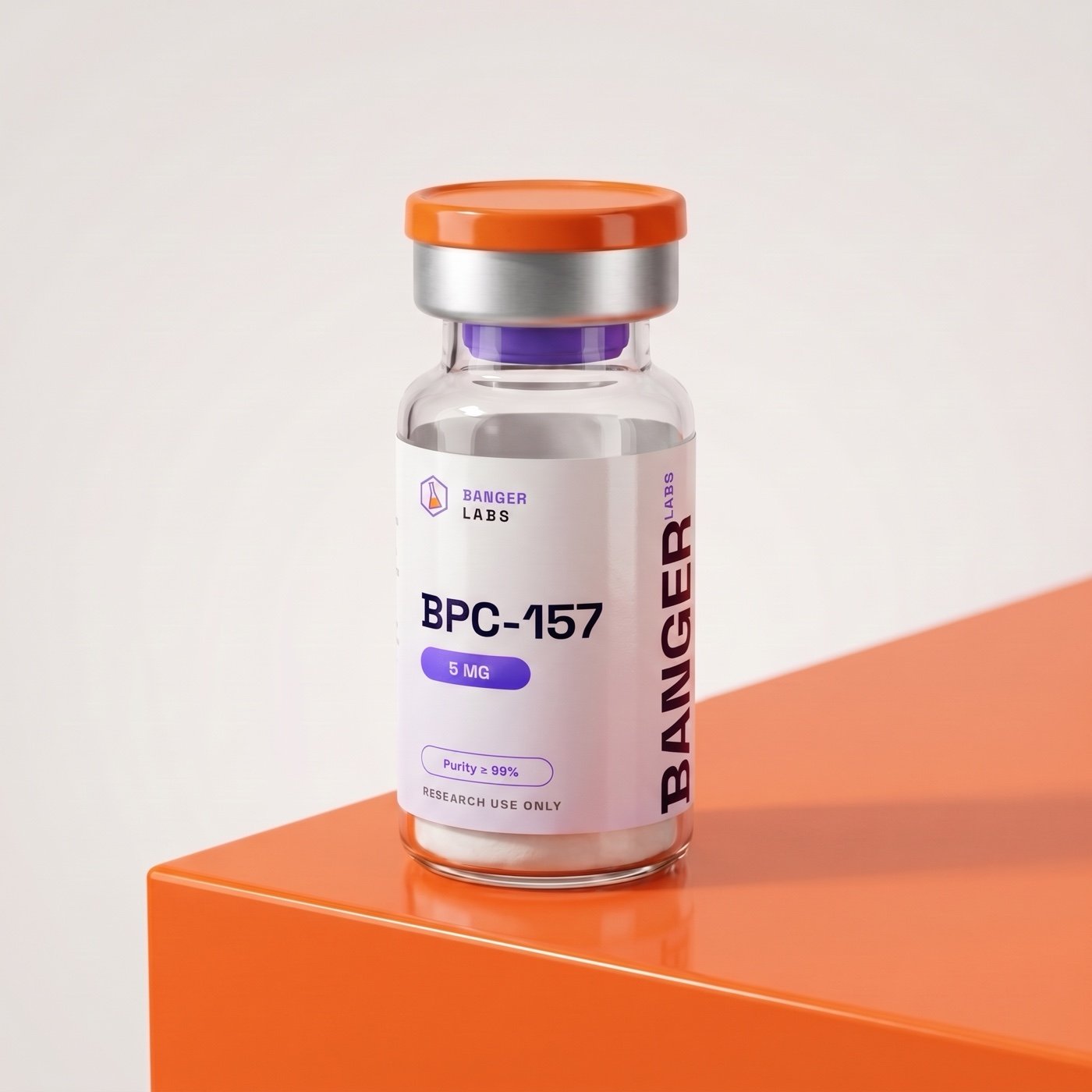
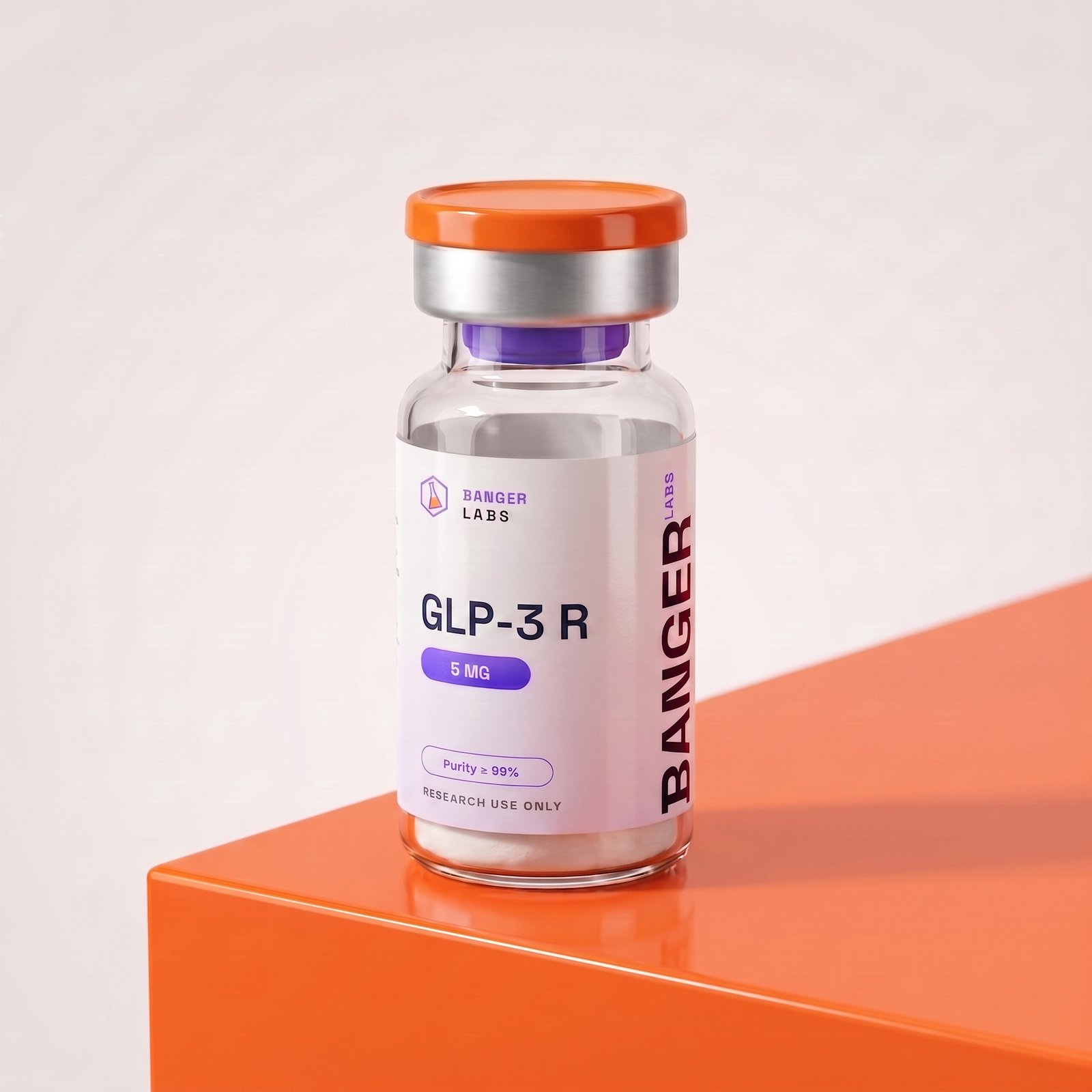
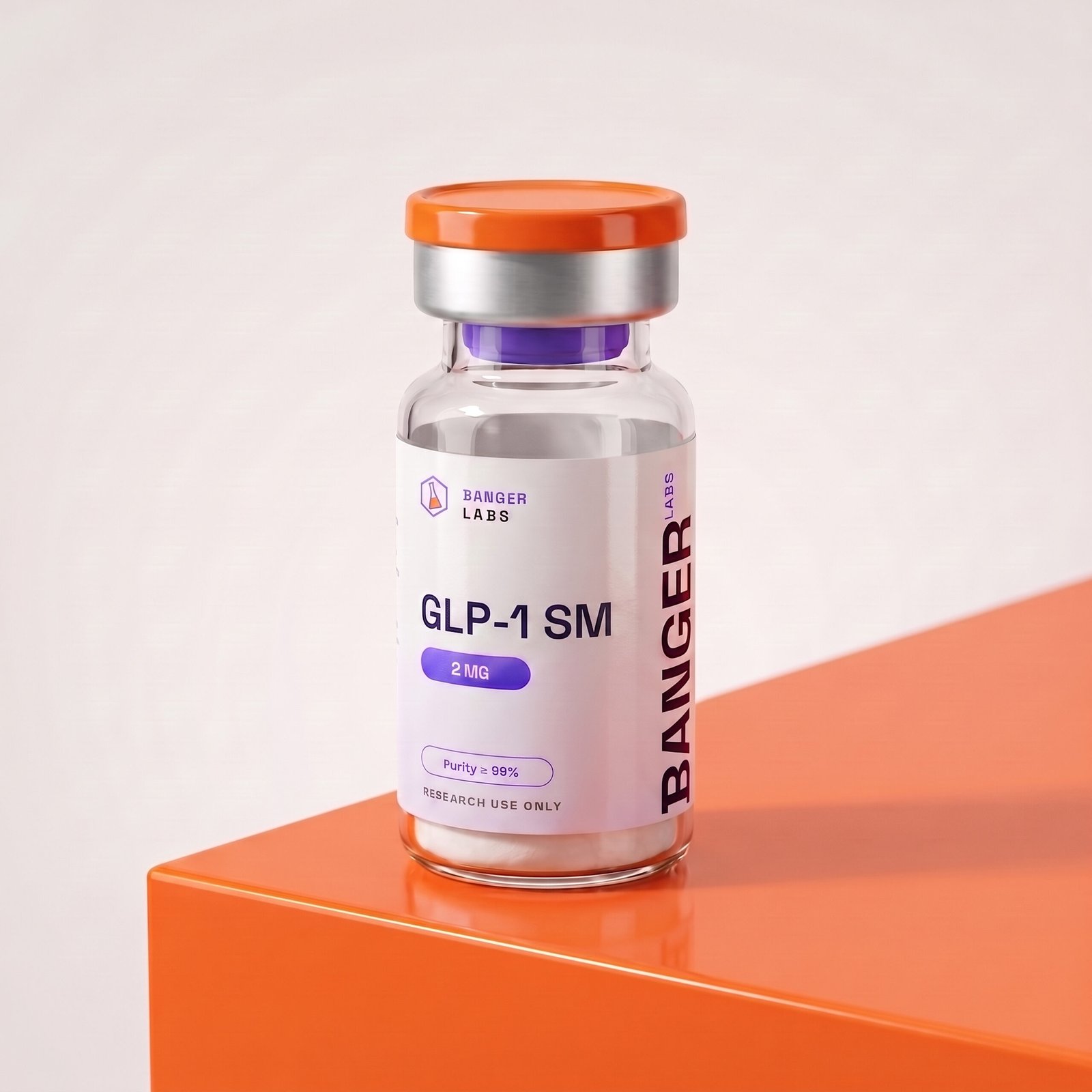
Research-grade, ≥ 99% HPLC standard, COA per batch:
- How to Read a Peptide COA →
- Peptide Purity Explained: ≥99% HPLC, Net Peptide Content & Why It Matters →
- Peptide Reconstitution & Storage Guide →
Browse the full Research Library →
For research use only. Not for human or veterinary use. Not a drug, food, or cosmetic.