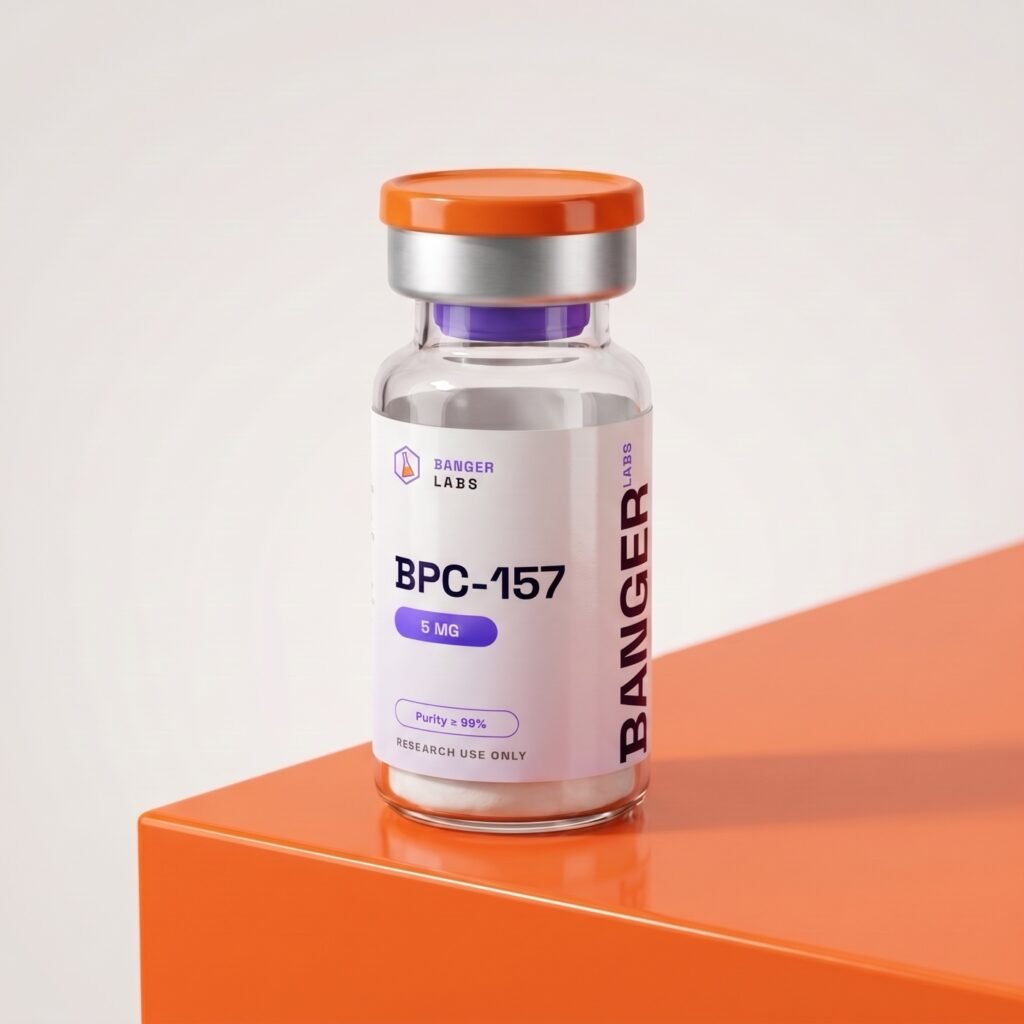
 For Research Use Only
BPC-157
BPC-157 — research-grade peptide. ≥ 99% purity (HPLC), Certificate of Analysis with every batch. For laboratory research use only.
 + 1 Free 3ml BAC Water
+ 2 Free 3ml BAC Water
+ 1 Free 3ml BAC Water
+ 2 Free 3ml BAC Water
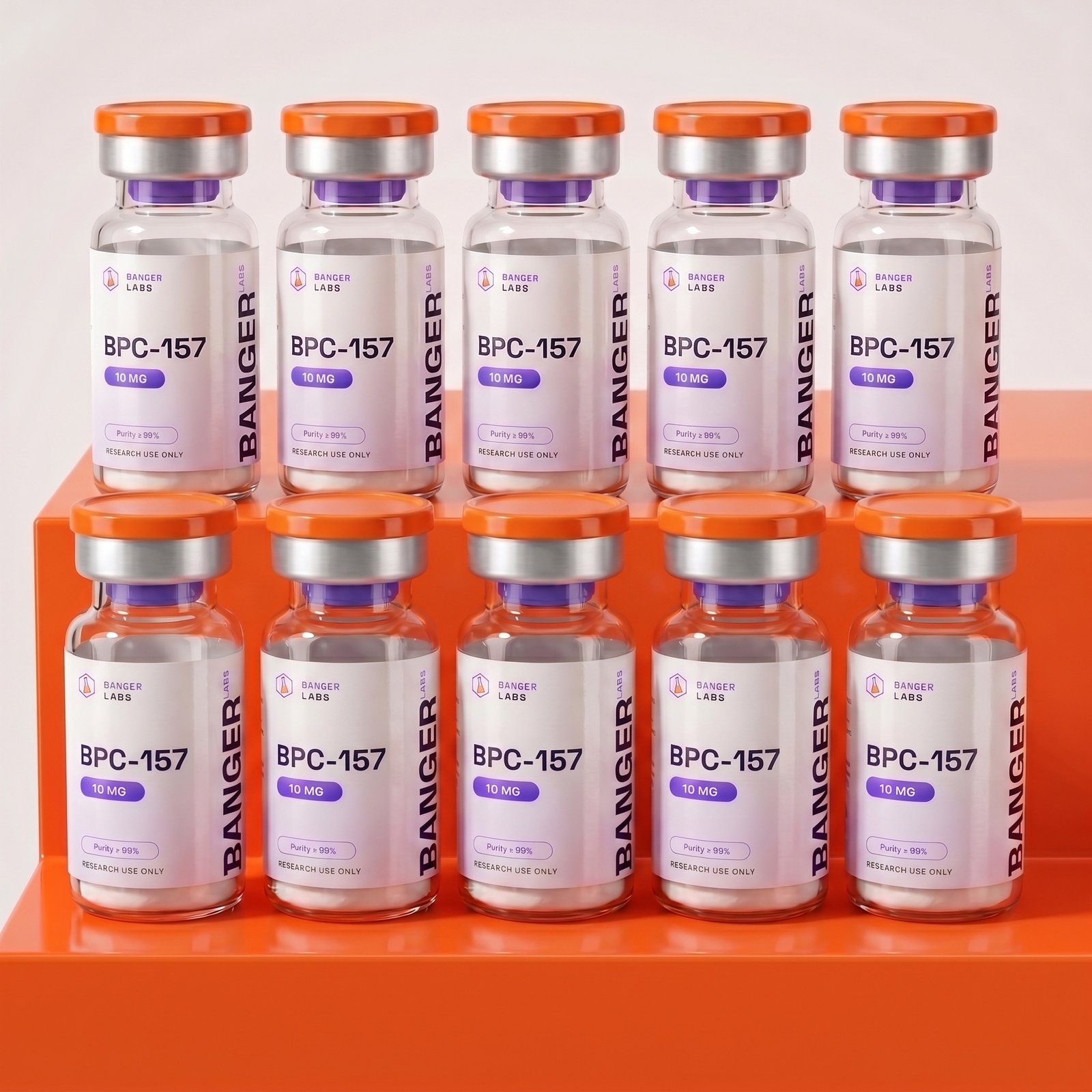 10 VIALS · 40% OFF
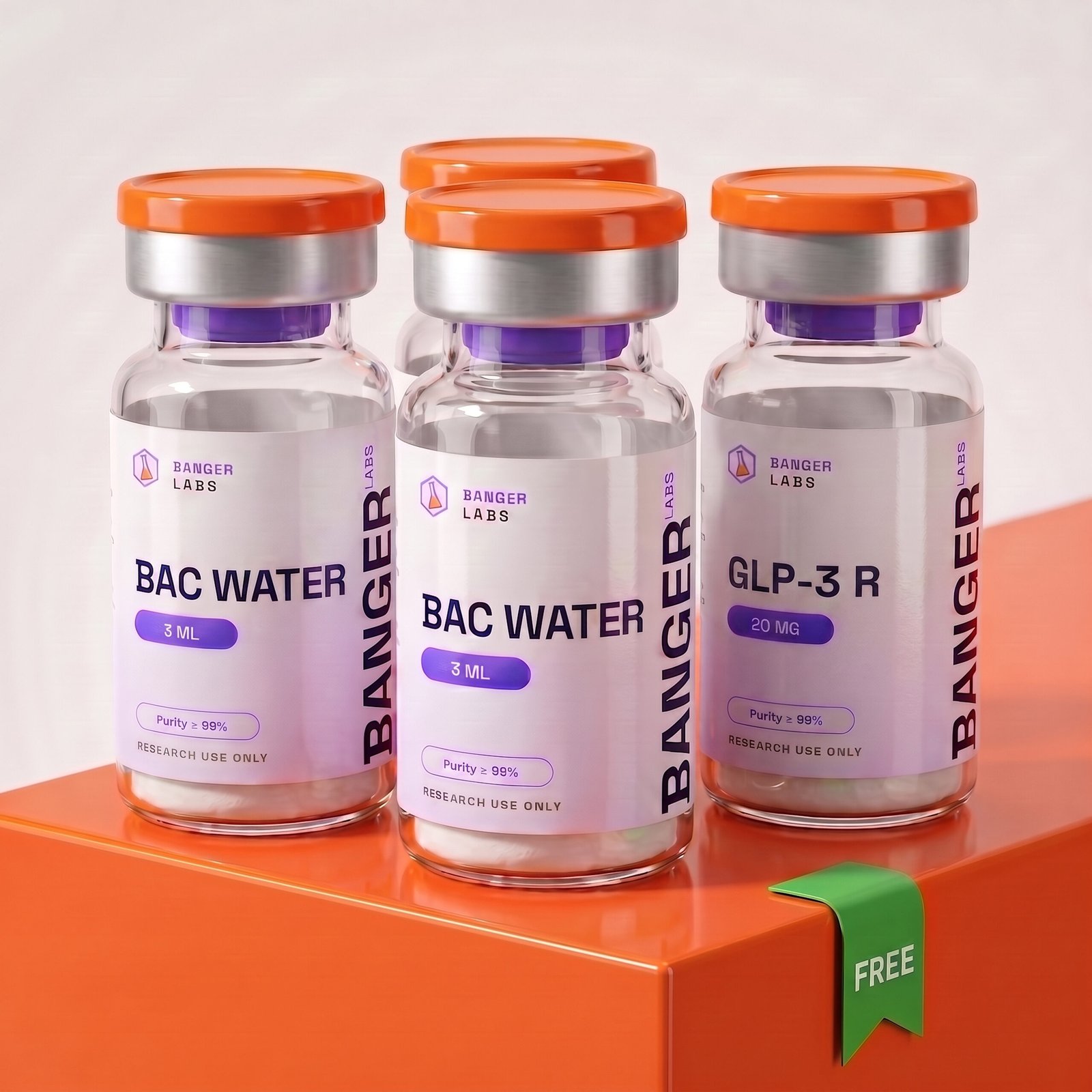 FREE
FREE- 3 Free 3ml BAC Water
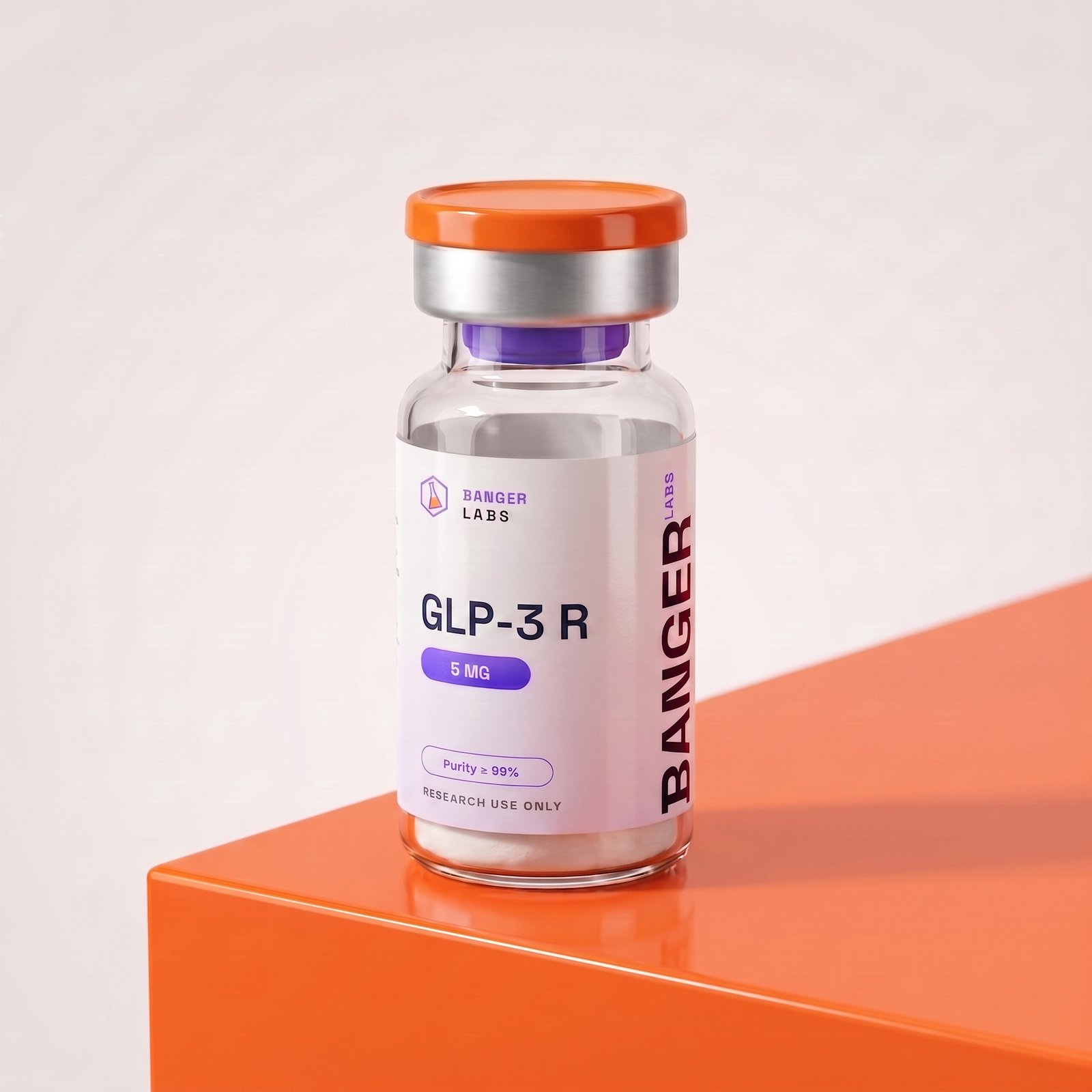
- Free GLP-3 R 10mg vial
- Free Priority Shipping
Transparency
Certificate of Analysis
Every batch independently verified by third-party laboratories.
BPC-157 COA
All Banger Labs products are independently tested by accredited third-party laboratories. Results are batch-specific and provided for research transparency only. This product is not approved for human use.
Lab Verified
Every Dose, Independently Tested
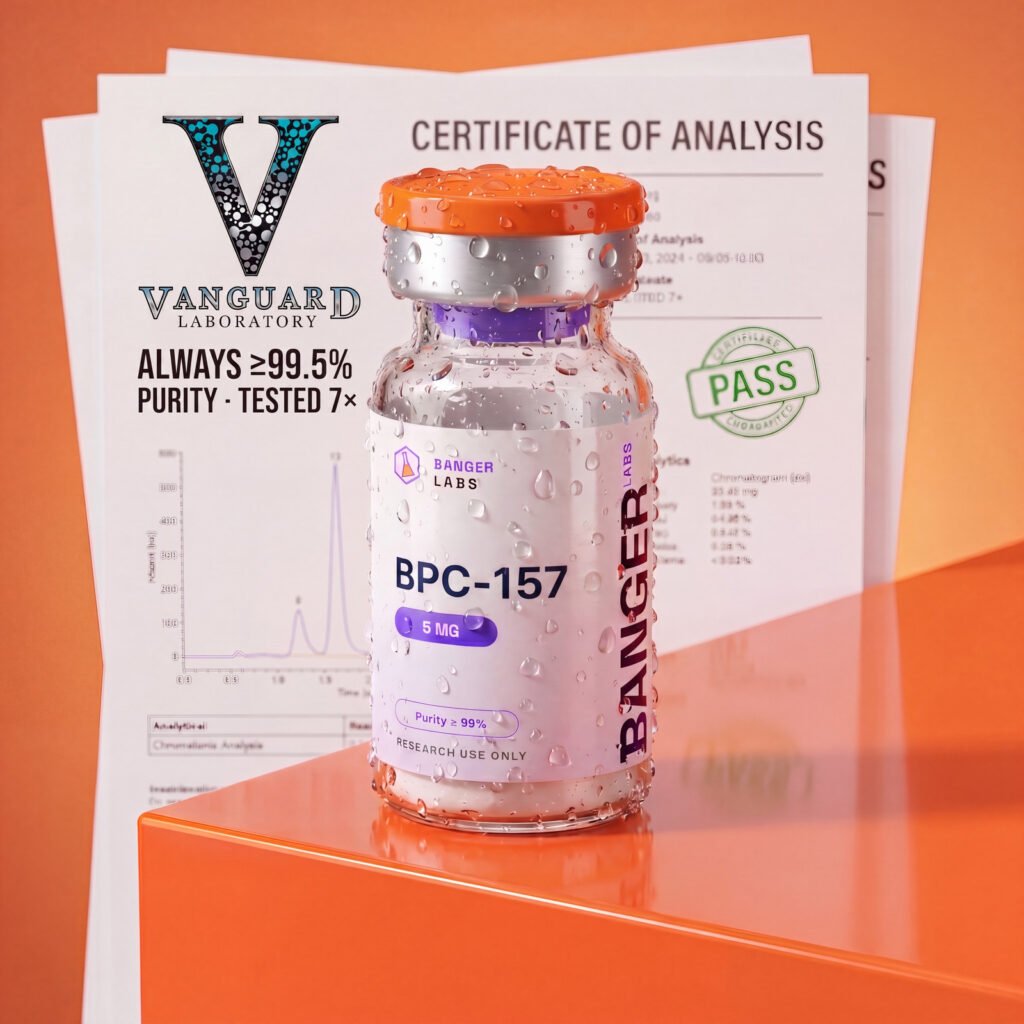
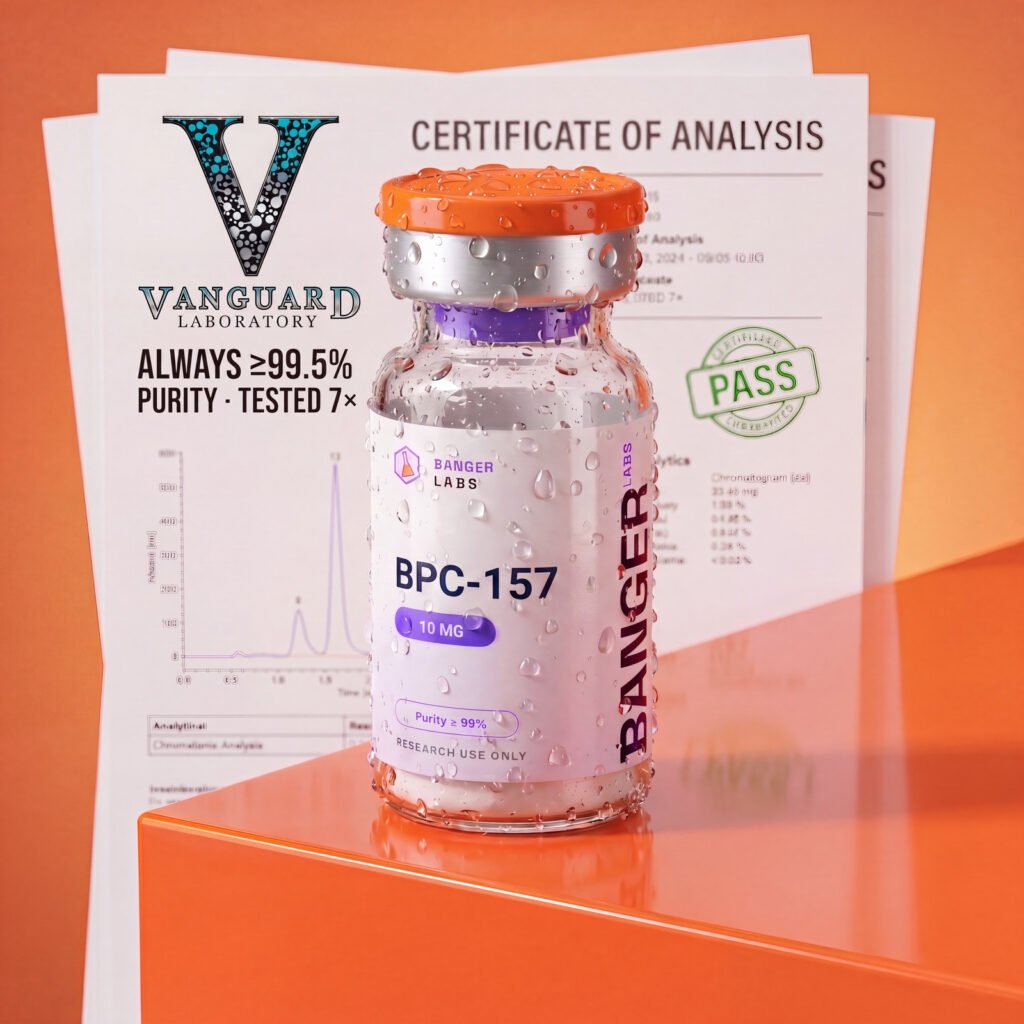
Verified by Vanguard Laboratory — always ≥99.5% purity, tested 7×. Swipe to view your selected dose.
Support
Frequently Asked Questions
Everything you need to know about this product and your order.
Research Overview Cited research summary, handling & references — tap to expand
BPC-157: A Research Compendium
What BPC-157 Is
BPC-157 is a synthetic pentadecapeptide — a single chain of fifteen amino acids with the sequence Gly-Glu-Pro-Pro-Pro-Gly-Lys-Pro-Ala-Asp-Asp-Ala-Gly-Leu-Val (GEPPPGKPADDAGLV) and a molecular weight of approximately 1419 Da. The "pentadecapeptide" descriptor simply refers to that 15-residue length; the abbreviation "BPC" derives from "Body Protection Compound," the name given to a larger protein with which the fragment is associated in the early literature. The sequence corresponds to a partial fragment first described in connection with a protein reported in human gastric juice, which is why BPC-157 is consistently referred to throughout the published record as a "stable gastric pentadecapeptide." [1][2]
Structurally, BPC-157 is a relatively short, unmodified peptide composed entirely of standard L-amino acids, with no disulfide bridges, glycosylation, or other complex post-translational features. Its sequence is notably rich in proline (three consecutive proline residues near the N-terminus) and contains both acidic (glutamic acid, aspartic acid) and basic (lysine) residues, giving it an amphoteric character. This comparatively simple primary structure is one practical reason it is straightforward to synthesize and characterize, and it is part of why the compound has been used so widely as a model peptide in laboratory pharmacology rather than as a structurally fragile candidate. [2]
BPC-157 first entered the scientific literature in the 1990s, when it was described as a peptide present in gastric juice with apparent protective characteristics in early experimental systems. Since then the bulk of published work has accumulated within preclinical research — predominantly rodent models and isolated cell or tissue systems. It is important to note for context that a large share of this literature originates from a single research group, that many studies employ a narrow set of experimental doses, and that the body of evidence is therefore best read as an active but still preclinical and largely single-source field rather than an established clinical one. [1][2]
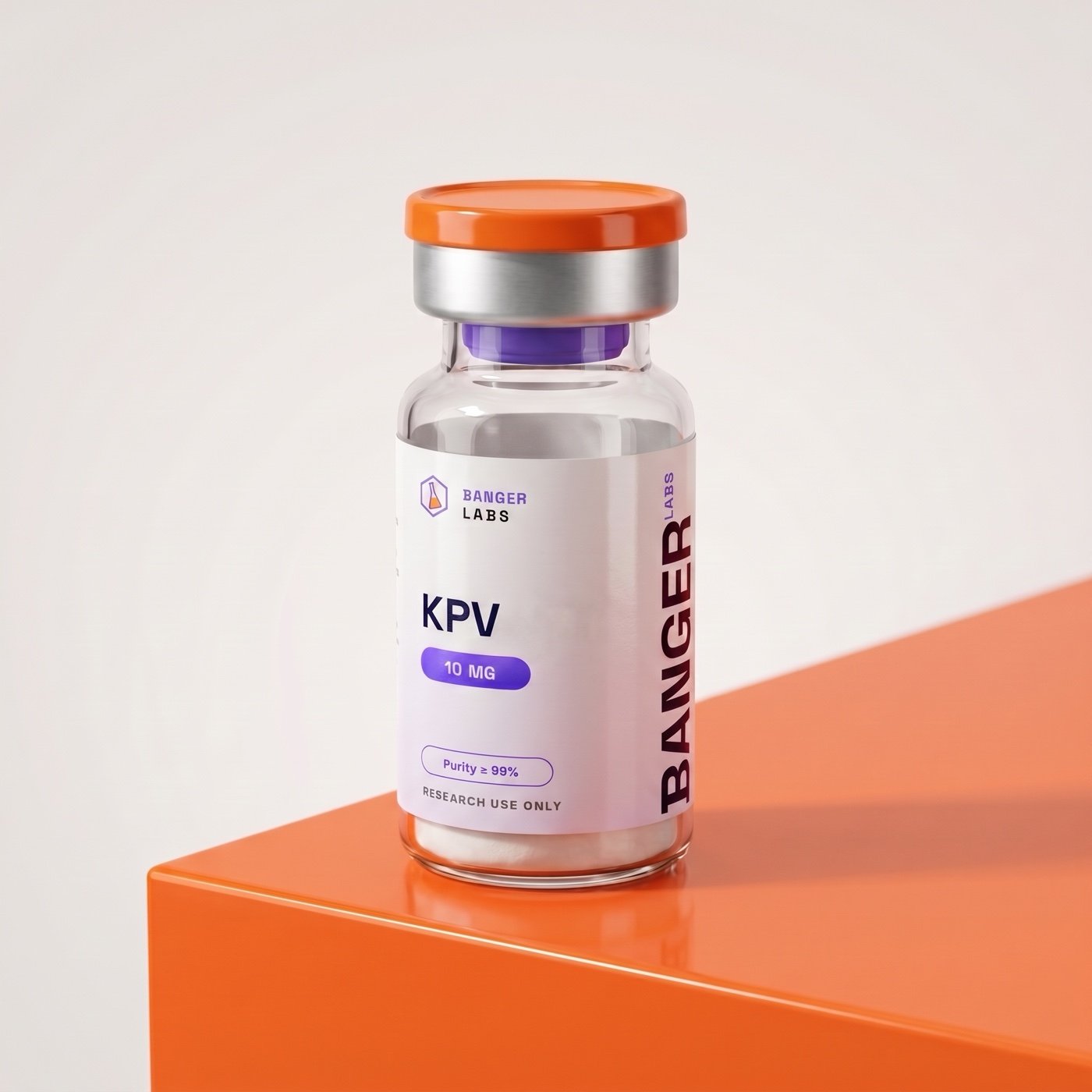
Banger Labs supplies BPC-157 as a lyophilized (freeze-dried) powder intended strictly for in-vitro and laboratory research. The sections that follow summarize the published research landscape for reference purposes only — they describe what investigators reported observing in laboratory and animal models, and they do not describe, recommend, or imply any use in humans or animals.
Areas Studied in the Research Literature
Across the published literature — which is overwhelmingly preclinical and concentrated in rodent models and isolated cell or tissue systems — BPC-157 has been examined within several distinct research domains. The summaries below report what investigators described observing in those specific experimental settings, with each claim tied to a verified primary source. They are not generalizable conclusions: a finding reported in a rat injury model or an endothelial-cell assay does not establish that the same thing occurs in humans, and nothing in this section should be read as evidence of safety or efficacy in any living person. The framing throughout is deliberately observational — "in this model, investigators reported X" — because that is the limit of what the cited research supports.
Gastrointestinal & cytoprotection research
Because the BPC-157 sequence is derived from a gastric-juice protein fragment, the earliest and most extensive body of work sits in gastrointestinal models. In rat research, BPC-157 has been studied for its association with gastric-mucosal lesion endpoints under various experimental challenges, with investigators comparing routes of administration in those models. [4] More broadly, authors have framed these observations within the classical pharmacological concept of "cytoprotection" and "organoprotection" — the idea, drawn from Robert's and Selye's historical work, that a compound may be associated with tissue-integrity endpoints under stress conditions in experimental systems. [2] Review literature situates the GI work within a wider gut-and-stress-response research framework, including the so-called brain-gut axis. [1] All of these remain animal-model and review observations.
Tendon, ligament & musculoskeletal research
A substantial portion of the literature examines connective-tissue and musculoskeletal repair endpoints in animal and ex-vivo systems. In a rat medial-collateral-ligament transection model, investigators reported measured differences in ligament-healing endpoints across intraperitoneal, oral, and topical administration over a multi-week observation period. [5] In a separate rat model involving Achilles tendon detachment from bone, researchers reported observations on tendon-to-bone healing endpoints, and also examined the peptide in the context of corticosteroid exposure. [6] At the cellular level, ex-vivo and in-vitro work using tendon-derived cells has investigated outgrowth, cell survival, and cell migration as candidate mechanisms behind the tissue-level observations. [7] These are strictly laboratory-model and cell-culture findings.
Angiogenesis & vascular signaling research
A recurring theme connecting several research areas is angiogenesis — the formation of new blood vessels — and the molecular signaling associated with it. In muscle- and tendon-injury models, BPC-157 has been studied in relation to angiogenesis endpoints and VEGF (vascular endothelial growth factor) expression, using both in-vivo injury models and cell-based assays. [8] In a more mechanistic study, investigators examined the VEGFR2 receptor and reported an association between BPC-157 exposure and VEGFR2 activation and up-regulation in rat models and human vascular-endothelial-cell systems, describing downstream signaling involving the VEGFR2–Akt–eNOS pathway. [9] This is receptor- and pathway-level research in cells and animals; it characterizes a candidate mechanism, not a clinical outcome.
Nervous-system & wound-healing research
BPC-157 has also been examined in nervous-system and tissue-repair contexts. In a rat spinal-cord-injury model, investigators reported observations on the healing course and on functional-recovery endpoints over an extended follow-up period. [10] Beyond that single study, a dedicated review surveys the broader set of central-nervous-system research questions that have been raised around the peptide, collecting the preclinical observations and the open questions that accompany them. [3] As with every other domain on this page, this work is preclinical and exploratory; it does not demonstrate a nervous-system effect in humans.
Reconstitution, Handling & Storage (Research)
The following notes describe general laboratory handling and storage practices for lyophilized research peptides. They are provided so that qualified researchers can work accurately and reproducibly at the bench, and to help preserve the integrity of the material between experiments. They are general laboratory-practice notes only — they are not protocols, dosing guidance, or instructions for any form of administration to humans or animals, and they should always be read alongside the lot-specific Certificate of Analysis.
On arrival & inspection
Lyophilized BPC-157 ships as a dry powder or thin film at the base of a sealed vial. On receipt, inspect the vial for an intact seal, confirm the label matches your order, and verify the lot number against its Certificate of Analysis. The dry, sealed powder is the most stable form of the compound, so it is best left unopened and cold until you are ready to use it.
Reconstitution for research
For laboratory work, lyophilized peptides are typically brought into solution using a suitable sterile diluent — commonly bacteriostatic water or sterile water for benchwork. The diluent is added slowly down the inner wall of the vial rather than directly onto the pellet, which helps avoid foaming and mechanical shearing of the peptide. The vial is then left to dissolve and swirled gently — never shaken vigorously, as agitation can denature peptides. Final concentration is calculated from the labeled peptide mass on the COA and the exact volume of diluent added.
Storage — dry powder
Before reconstitution, lyophilized peptide is generally stored cold and kept away from light, humidity, and repeated temperature swings. For short working periods refrigeration may be adequate, while longer-term storage of the dry powder is commonly at −20 °C or colder. Always defer to the storage conditions and shelf-life stated on the lot-specific Certificate of Analysis, which reflect the actual material in hand.
Storage — reconstituted solution
Once dissolved, peptides are markedly less stable than the dry powder and have a finite working life. Reconstituted solution is generally kept refrigerated (around 2–8 °C), protected from light, and used within a limited window. Repeated freeze–thaw cycles are a common cause of peptide degradation and aggregation, so where longer storage of solution is unavoidable, aliquoting into single-use portions before freezing is a standard laboratory practice. Discard any solution showing visible cloudiness, particulates, or color change.
Stability & Half-Life Notes
A recurring and distinguishing point throughout the published BPC-157 literature is its reported stability relative to many other peptides. In particular, the compound is repeatedly characterized as stable in conditions modeling human gastric juice — a property that review articles emphasize and that sets it apart from peptides which are rapidly broken down in such environments. [2] This relative robustness is one of the practical reasons BPC-157 has appeared so frequently as a model peptide across decades of laboratory pharmacology research, and it is reflected in the breadth of administration routes investigators have been able to study in animal models. [1][2]
It is important, however, to be precise about what "stable" does and does not mean here. Stability in an experimental gastric-juice model is a physico-chemical observation about the molecule; it is not a statement about absorption, distribution, or any outcome in a living human. Quantitative pharmacokinetic parameters — including a single, well-established plasma half-life — are not consistently defined across the published record. Reported values and behavior depend heavily on the species studied, the route of administration, the formulation, and the assay used in each individual experiment, and much of the work uses a narrow range of experimental doses. For these reasons no single half-life figure is presented on this page; doing so would overstate the precision of the underlying literature.
Researchers should treat the stability discussion above as background context drawn from the cited reviews and primary studies, and should rely on the specific primary sources relevant to their own model — together with the lot-specific Certificate of Analysis for the exact material they have received — when planning any in-vitro or laboratory work. The COA, not this overview, is the authoritative document for the purity, identity, and recommended storage of the vial in hand.
Research Use Only — Not For Human Use
This product is sold strictly as a research chemical for in-vitro laboratory and research use only (RUO). It is not a drug, supplement, food, cosmetic, or medical device, and it is not approved by the FDA or any regulatory body for the diagnosis, treatment, cure, mitigation, or prevention of any disease or condition.
It must not be administered to humans or animals, and must not be used for any therapeutic or diagnostic purpose. The research summaries above describe published preclinical and animal findings for reference only; they do not constitute medical advice and make no claim of safety or efficacy in humans. Handling is restricted to qualified persons in an appropriate research setting.
By purchasing, the buyer affirms they are a qualified researcher or institution and accept full responsibility for lawful, compliant handling, storage, and disposal of this material.
References
- Sikiric P, et al. Brain-gut Axis and Pentadecapeptide BPC 157: Theoretical and Practical Implications. Curr Neuropharmacol. 2016. PMID: 27138887
- Sikiric P, et al. Stable Gastric Pentadecapeptide BPC 157, Robert's Stomach Cytoprotection/Adaptive Cytoprotection/Organoprotection, and Selye's Stress Coping Response. Gut Liver. 2019. PMID: 31158953
- Vukojević J, et al. Pentadecapeptide BPC 157 and the central nervous system. Neural Regen Res. 2021. PMID: 34380875
- Xue XC, et al. Protective effects of pentadecapeptide BPC 157 on gastric ulcer in rats. World J Gastroenterol. 2004. PMID: 15052688
- Cerovecki T, et al. Pentadecapeptide BPC 157 (PL 14736) improves ligament healing in the rat. J Orthop Res. 2010. PMID: 20225319
- Krivic A, et al. Achilles detachment in rat and stable gastric pentadecapeptide BPC 157: Promoted tendon-to-bone healing and opposed corticosteroid aggravation. J Orthop Res. 2006. PMID: 16583442
- Chang CH, et al. The promoting effect of pentadecapeptide BPC 157 on tendon healing involves tendon outgrowth, cell survival, and cell migration. J Appl Physiol (1985). 2011. PMID: 21030672
- Brcic L, et al. Modulatory effect of gastric pentadecapeptide BPC 157 on angiogenesis in muscle and tendon healing. J Physiol Pharmacol. 2009. PMID: 20388964
- Hsieh MJ, et al. Therapeutic potential of pro-angiogenic BPC157 is associated with VEGFR2 activation and up-regulation. J Mol Med (Berl). 2017. PMID: 27847966
- Perovic D, et al. Stable gastric pentadecapeptide BPC 157 can improve the healing course of spinal cord injury and lead to functional recovery in rats. J Orthop Surg Res. 2019. PMID: 31266512
Scientific References
Explore the published research literature on BPC-157. We link directly to independent, primary sources — we don't summarize or interpret findings. For research use only.
Links open external databases (pubmed.ncbi.nlm.nih.gov · clinicaltrials.gov). Banger Labs is not affiliated with these sources. For research use only — not medical advice.
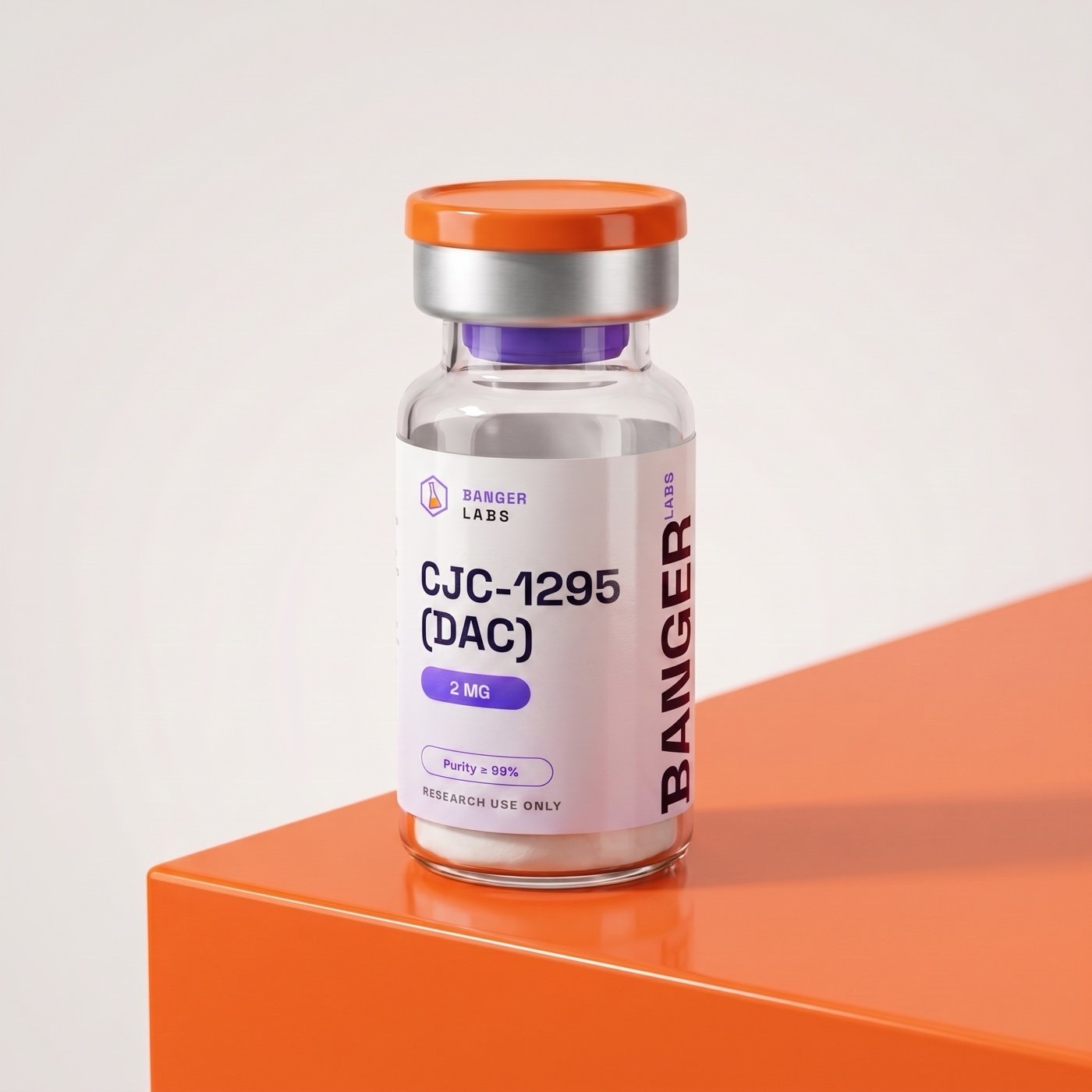
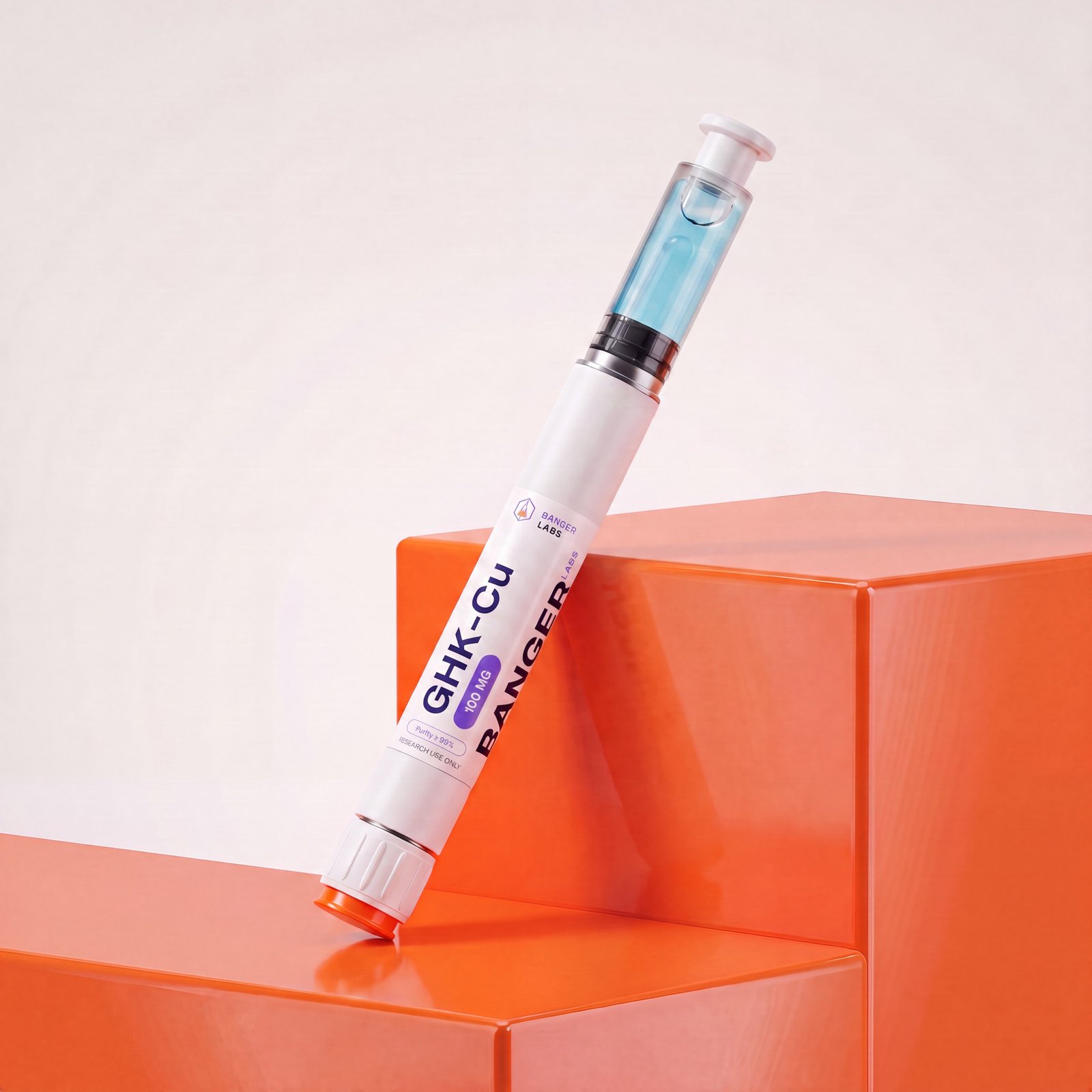
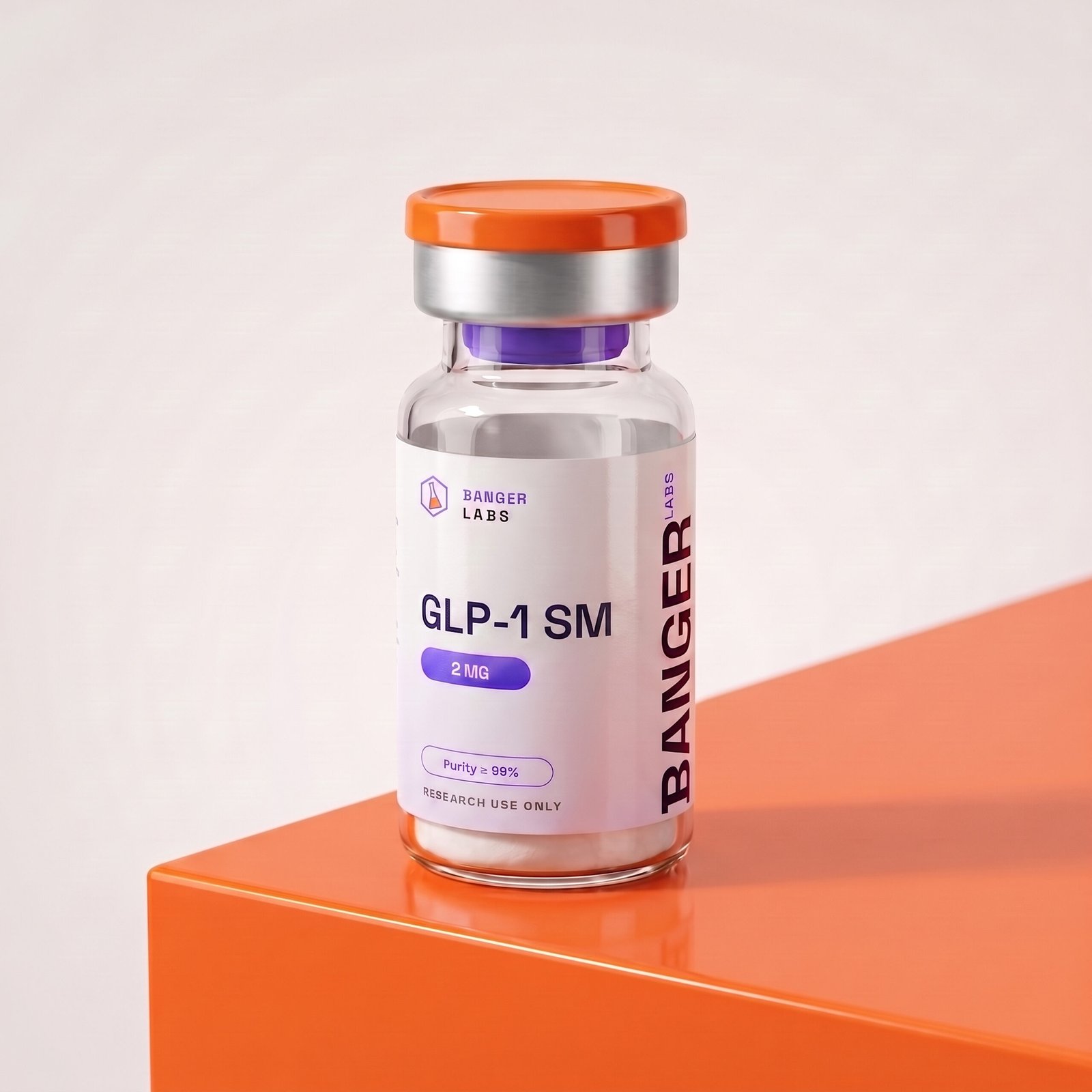
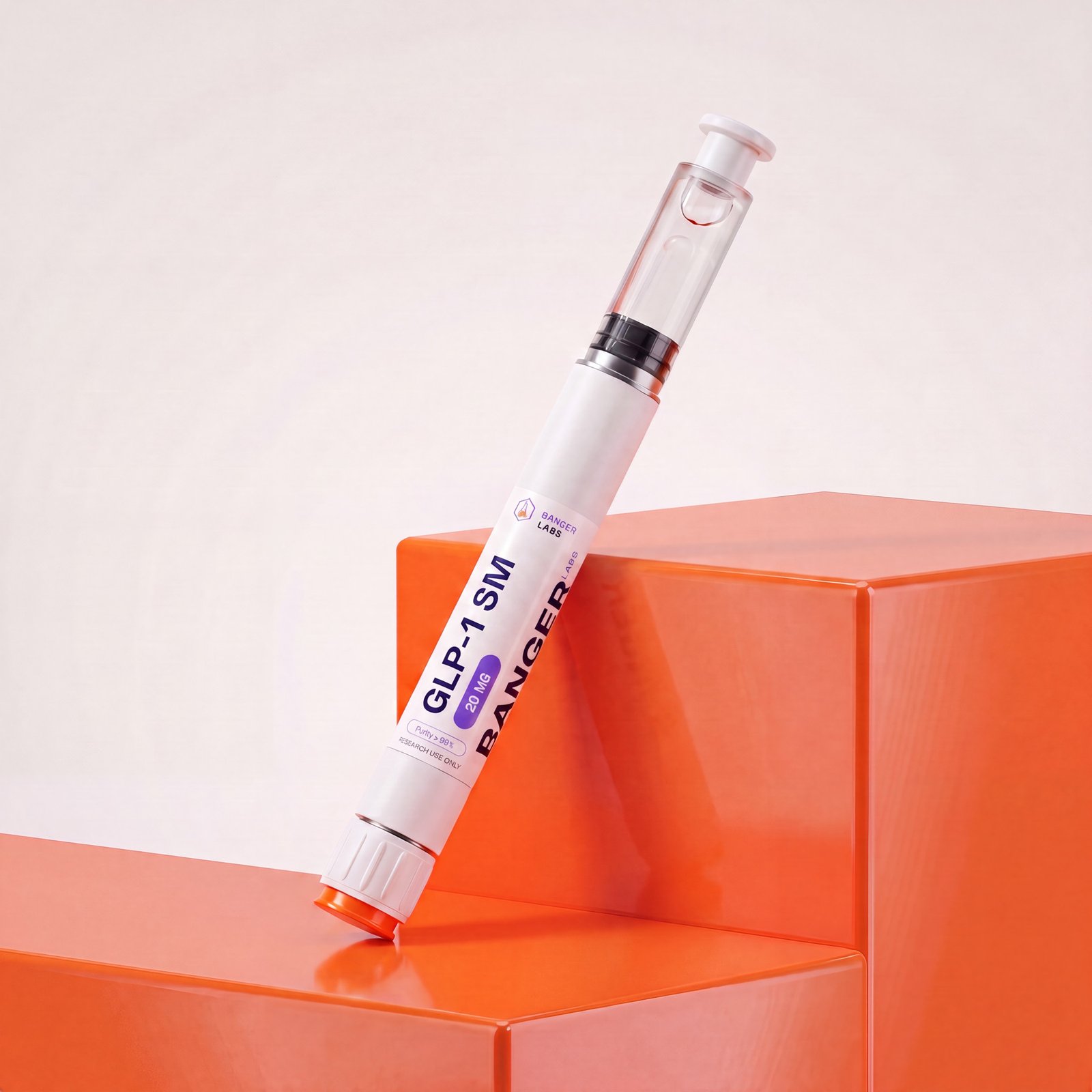
Certificate of Analysis
BPC-157 · ≥99.4% purity (HPLC)