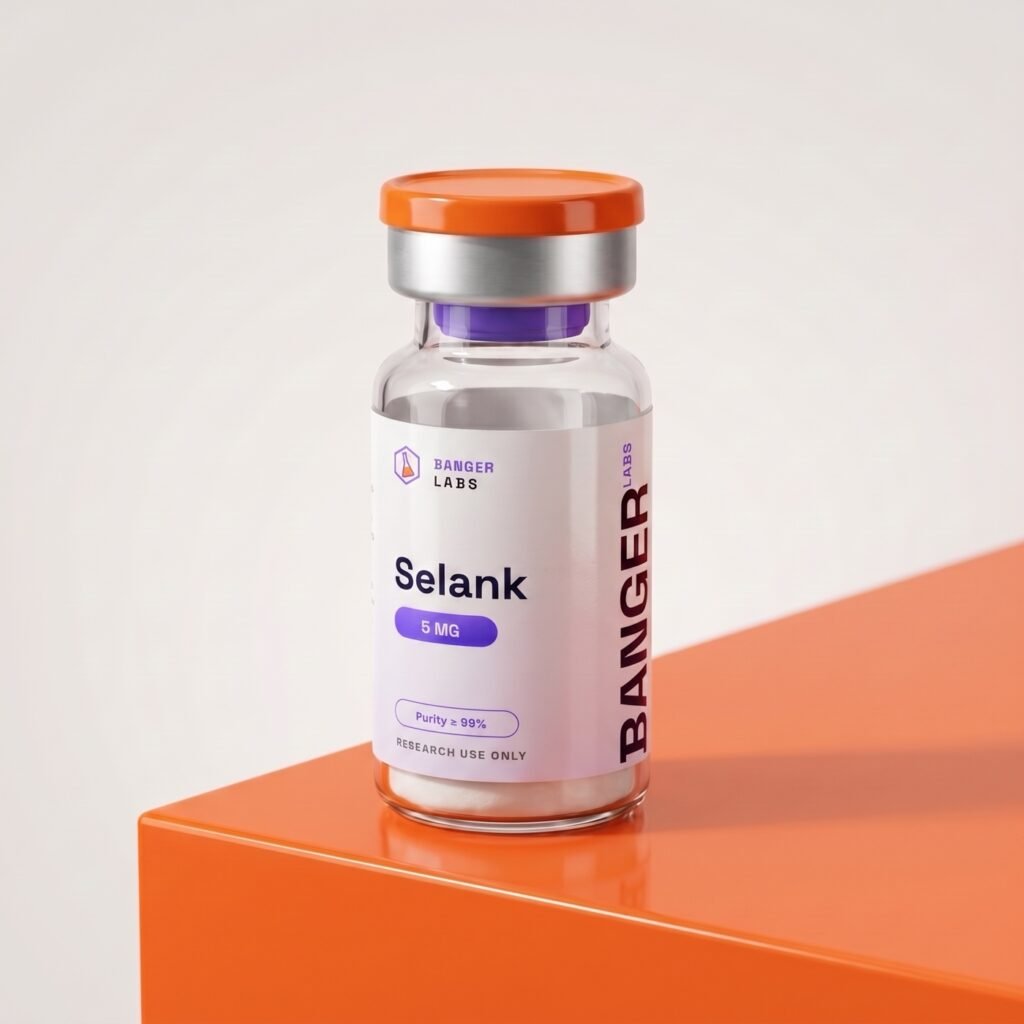
 For Research Use Only
Selank
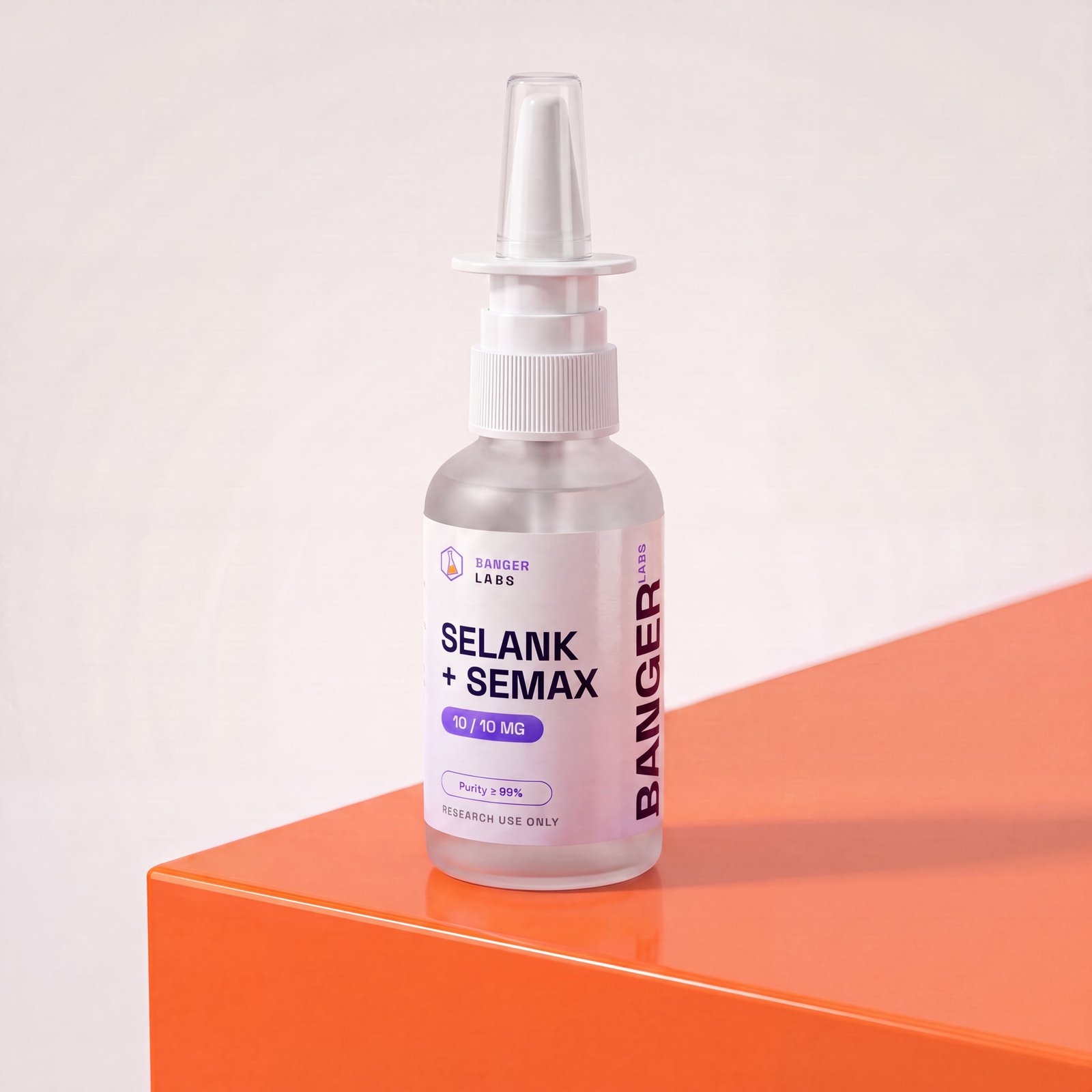
Selank — research-grade peptide. ≥ 99% purity (HPLC), Certificate of Analysis with every batch. For laboratory research use only.
 + 1 Free 3ml BAC Water
+ 2 Free 3ml BAC Water
+ 1 Free 3ml BAC Water
+ 2 Free 3ml BAC Water
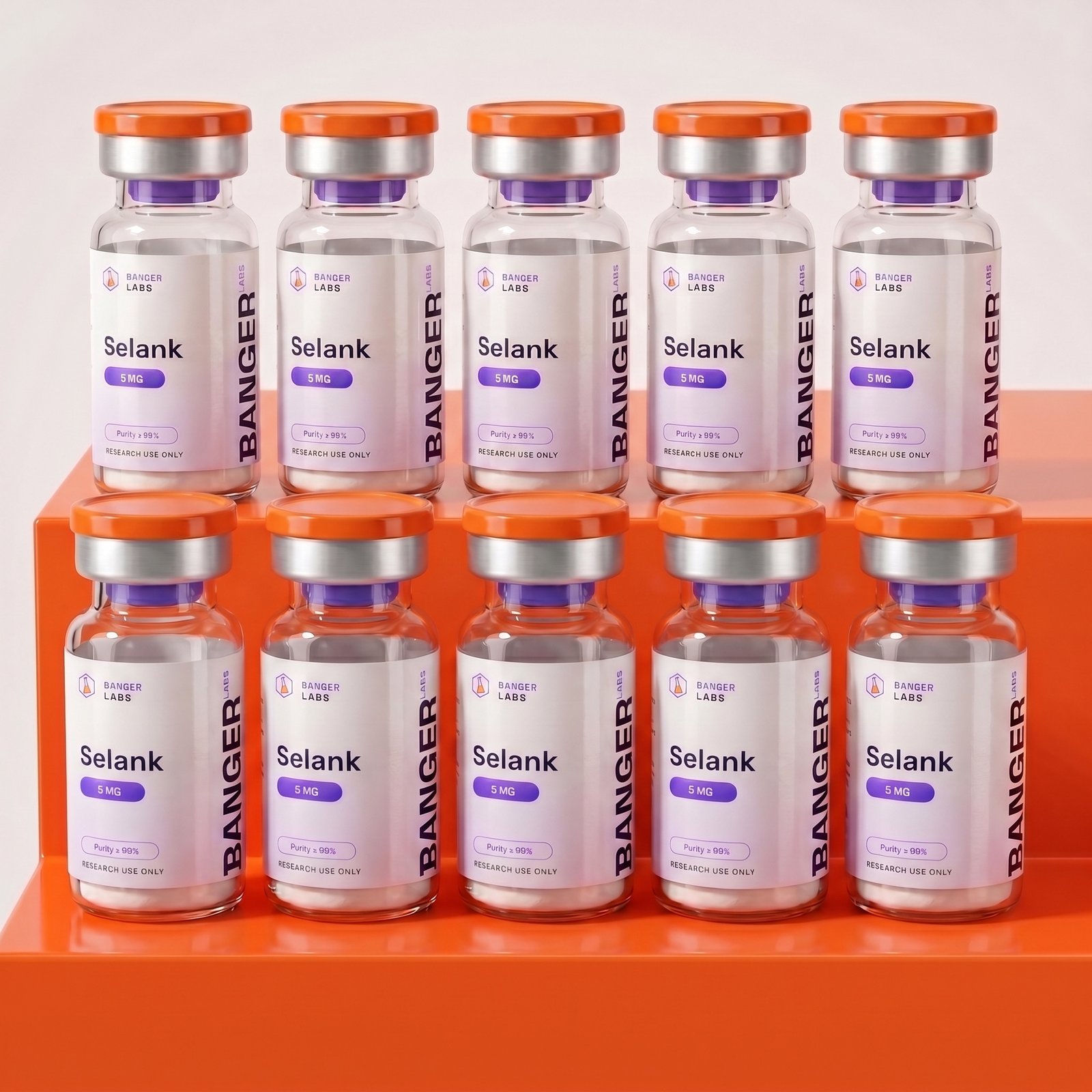 10 VIALS · 40% OFF
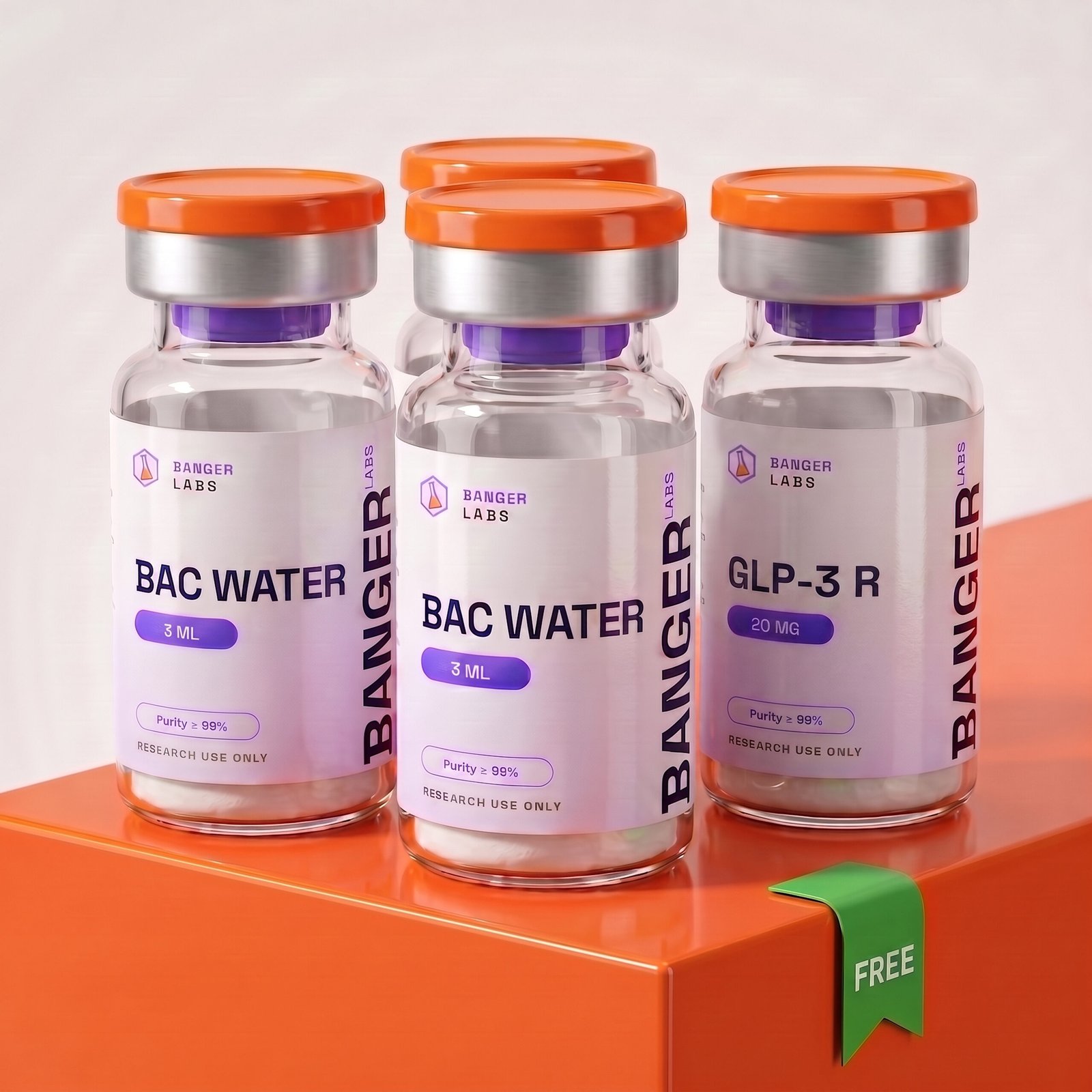 FREE
FREE- 3 Free 3ml BAC Water
- Free GLP-3 R 10mg vial
- Free Priority Shipping
Transparency
Certificate of Analysis
Every batch independently verified by third-party laboratories.
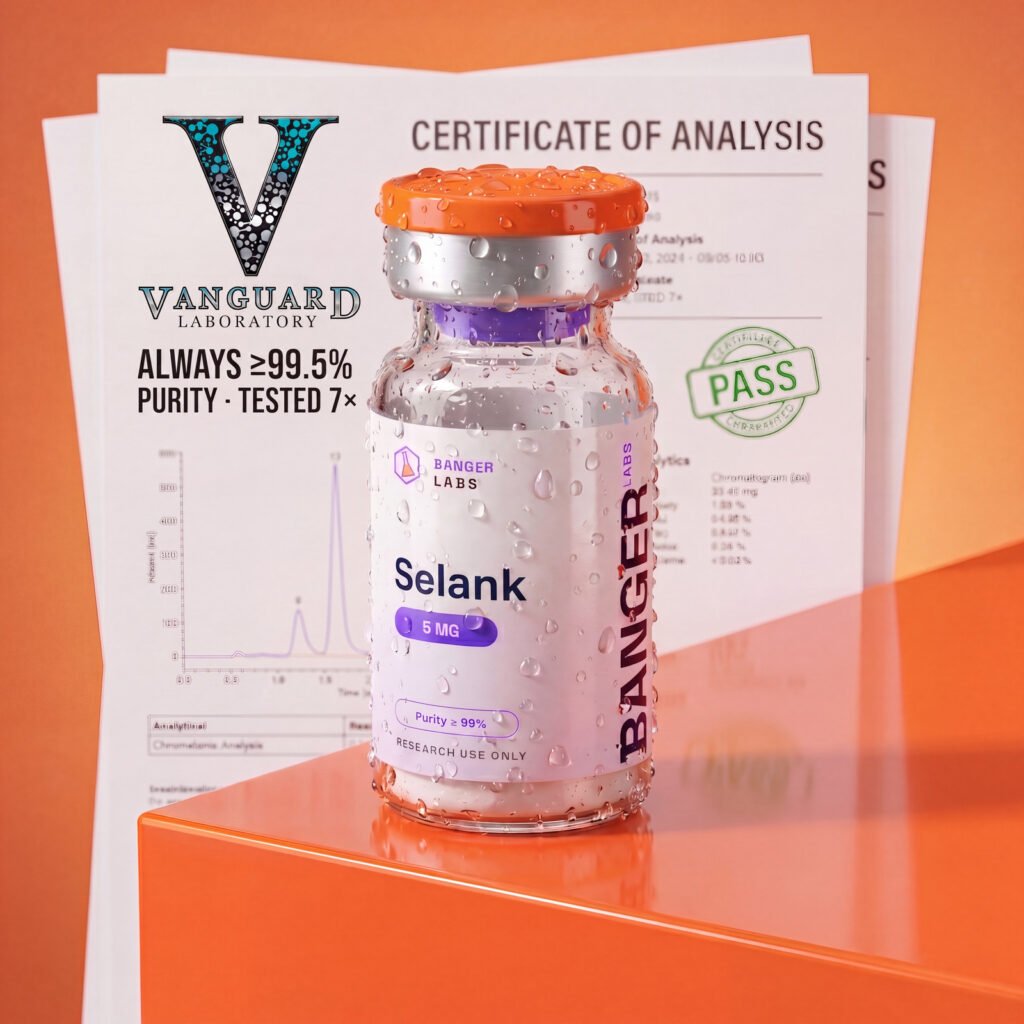
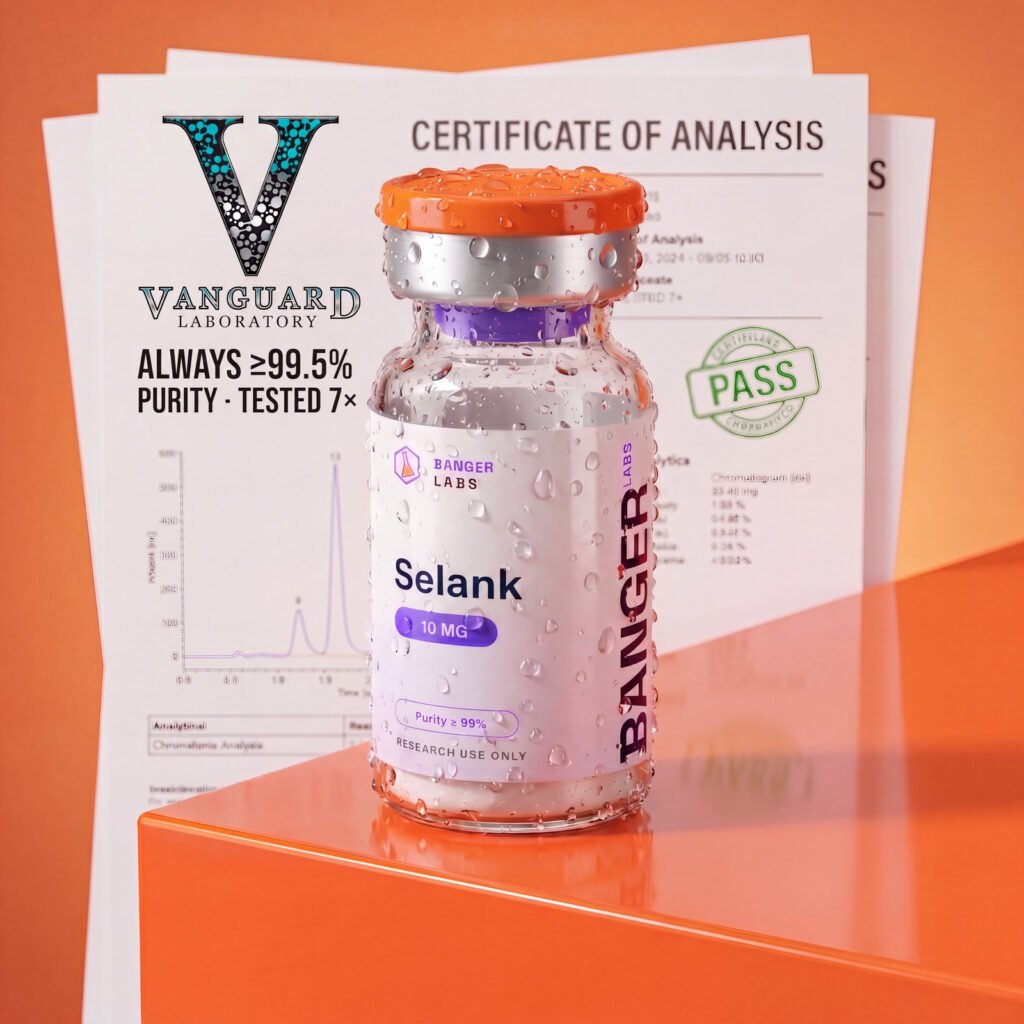
Selank COA
All Banger Labs products are independently tested by accredited third-party laboratories. Results are batch-specific and provided for research transparency only. This product is not approved for human use.
Lab Verified
Every Dose, Independently Tested
Verified by Vanguard Laboratory — always ≥99.5% purity, tested 7×. Swipe to view your selected dose.
Support
Frequently Asked Questions
Everything you need to know about this product and your order.
Research Overview Cited research summary, handling & references — tap to expand
Selank: A Research Compendium
What Selank Is
Selank is a synthetic heptapeptide (Thr-Lys-Pro-Arg-Pro-Gly-Pro) developed at the Institute of Molecular Genetics of the Russian Academy of Sciences as a stabilized analogue of the immunomodulatory fragment of the endogenous peptide tuftsin. The proline-glycine tail was added specifically to slow enzymatic degradation and extend the molecule’s biological half-life relative to native tuftsin. In the research literature Selank is most often characterized as a peptide-based anxiolytic and neuropeptide whose reported activity spans the GABAergic, monoaminergic and neurotrophic systems.[1] Because it is delivered to research models intranasally as well as parenterally, it is frequently studied as a model compound for non-injectable peptide neuropharmacology.[5]
Areas Studied in the Research Literature
The following themes recur across the published Selank literature. Each summarizes what investigators have reported in non-clinical or exploratory clinical research settings and is presented for scientific context only.
Anxiolytic-Type Activity
Selank has been examined extensively as a peptide anxiolytic, with reviews summarizing its molecular pharmacology and behavioral profile in animal models of anxiety.[1] In one rodent chronic-stress paradigm, Selank was reported to enhance the anxiety-reducing effect of diazepam.[2]
GABAergic Signaling
Investigators have studied how Selank influences expression of genes involved in GABAergic neurotransmission, both in cultured neuronal cells and in comparison with GABA itself.[7] Selank is also discussed in pharmacology reviews of agents that interact with the GABA system.[8]
BDNF & Neurotrophic Effects
Intranasal Selank has been reported to regulate brain-derived neurotrophic factor (BDNF) expression in the rat hippocampus.[5] A separate study associated Selank with protection against ethanol-induced memory impairment via changes in hippocampal and prefrontal BDNF content.[6]
Exploratory Clinical Investigation
Selank has appeared in exploratory clinical research on anxiety disorders, including comparisons of its reported anxiolytic effect and tolerability versus a benzodiazepine reference agent.[3] Additional work has examined optimization of treatment approaches for anxiety disorders in these research settings.[4]
Brain Network Mapping
Neuroimaging-oriented research has applied a functional connectomic approach to characterize how Selank (alongside the related peptide Semax) affects brain network activity.[9]
Tuftsin Lineage
As a stabilized tuftsin analogue, Selank is repeatedly described in the literature in the context of the immunoregulatory tuftsin peptide family, which frames much of the mechanistic discussion of its activity.[6]
Reconstitution, Handling & Storage (Research)
The following describes general laboratory handling conventions for lyophilized research peptides. It is provided for in-vitro/research context only and is not directions for use in humans or animals.
Reconstitution
Lyophilized peptide is typically dissolved with bacteriostatic or sterile water added slowly down the vial wall, then swirled — never shaken — until fully dissolved.
Handling
Peptides are generally handled cold, protected from repeated temperature cycling, and kept away from direct light and oxidative conditions during preparation.
Storage
Lyophilized material is commonly stored frozen; once reconstituted, aqueous peptide solutions are usually refrigerated and used within a limited window, with aliquoting used to avoid repeated freeze–thaw cycles.
Stability & Half-Life Notes
Selank was deliberately engineered for greater enzymatic stability than native tuftsin by adding a proline-glycine-proline extension that resists peptidase cleavage, which is a central reason it is studied as an intranasally and systemically deliverable peptide.[1] As with most small peptides, reconstituted material is most stable when kept cold and protected from oxidation; freeze–thaw cycling is generally minimized in research handling.
Research Use Only — Not For Human Use
This material is sold strictly for laboratory and research purposes. It is not a drug, supplement, or medical product, and nothing in this overview constitutes medical advice or a claim of therapeutic benefit. It is not intended to diagnose, treat, cure, or prevent any disease and is not for human or veterinary use. The studies referenced here are cited solely to describe the scientific literature.
References
- Vyunova TV, et al. Peptide-based Anxiolytics: The Molecular Aspects of Heptapeptide Selank Biological Activity. Protein Pept Lett. 2018. PMID: 30255741
- Kasian A, et al. Peptide Selank Enhances the Effect of Diazepam in Reducing Anxiety in Unpredictable Chronic Mild Stress Conditions in Rats. Behav Neurol. 2017. PMID: 28280289
- Medvedev VE, et al. A comparison of the anxiolytic effect and tolerability of selank and phenazepam in the treatment of anxiety disorders. Zh Nevrol Psikhiatr Im S S Korsakova. 2014. PMID: 25176261
- Medvedev VE, et al. Optimization of the treatment of anxiety disorders with selank. Zh Nevrol Psikhiatr Im S S Korsakova. 2015. PMID: 26356395
- Inozemtseva LS, et al. Intranasal administration of the peptide Selank regulates BDNF expression in the rat hippocampus in vivo. Dokl Biol Sci. 2008. PMID: 18841804
- Kolik LG, et al. Selank, Peptide Analogue of Tuftsin, Protects Against Ethanol-Induced Memory Impairment by Regulating of BDNF Content in the Hippocampus and Prefrontal Cortex in Rats. Bull Exp Biol Med. 2019. PMID: 31625062
- Filatova E, et al. GABA, Selank, and Olanzapine Affect the Expression of Genes Involved in GABAergic Neurotransmission in IMR-32 Cells. Front Pharmacol. 2017. PMID: 28293190
- Doyno CR, et al. Sedative-Hypnotic Agents That Impact Gamma-Aminobutyric Acid Receptors: Focus on Flunitrazepam, Gamma-Hydroxybutyric Acid, Phenibut, and Selank. J Clin Pharmacol. 2021. PMID: 34396551
- Panikratova YR, et al. Functional Connectomic Approach to Studying Selank and Semax Effects. Dokl Biol Sci. 2020. PMID: 32342318
Scientific References
Explore the published research literature on Selank. We link directly to independent, primary sources — we don't summarize or interpret findings. For research use only.
Links open external databases (pubmed.ncbi.nlm.nih.gov · clinicaltrials.gov). Banger Labs is not affiliated with these sources. For research use only — not medical advice.
Certificate of Analysis
Selank · ≥99.4% purity (HPLC)