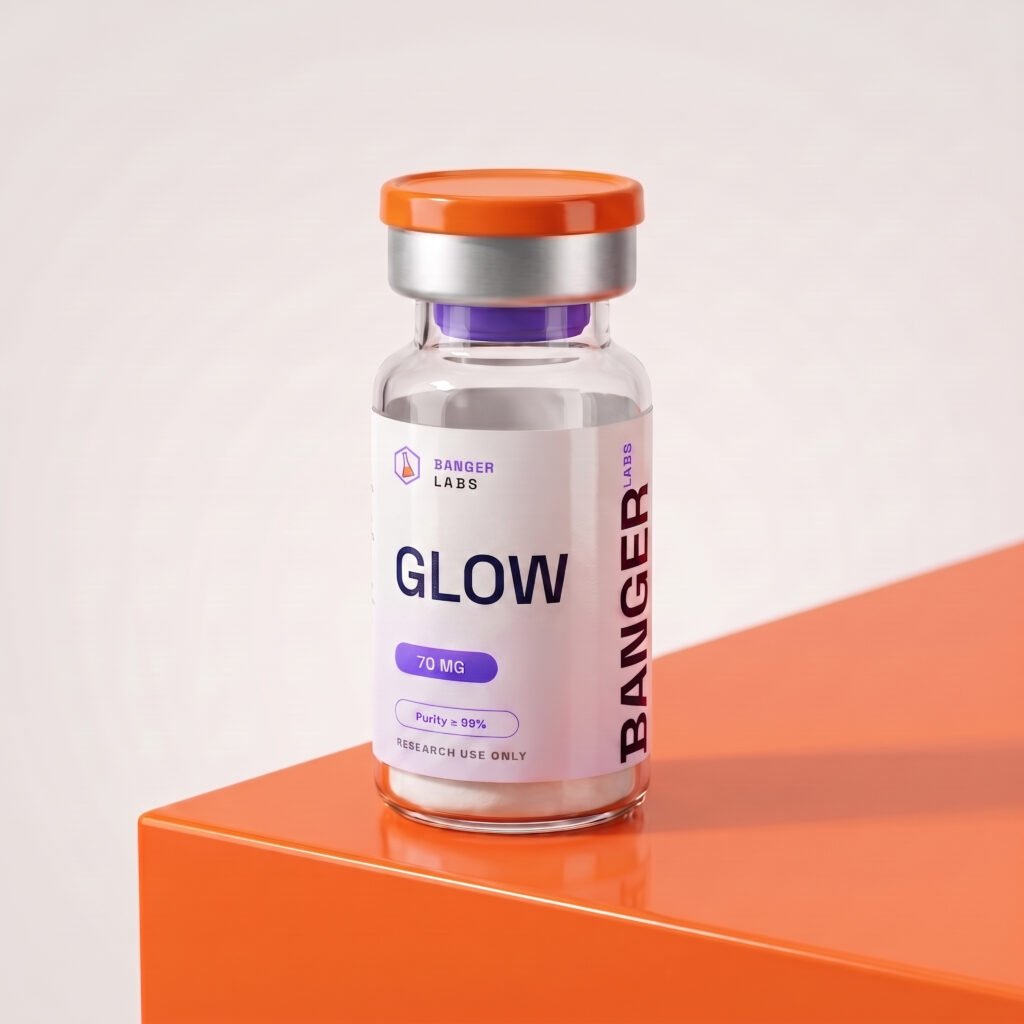
 For Research Use Only
GLOW 70MG
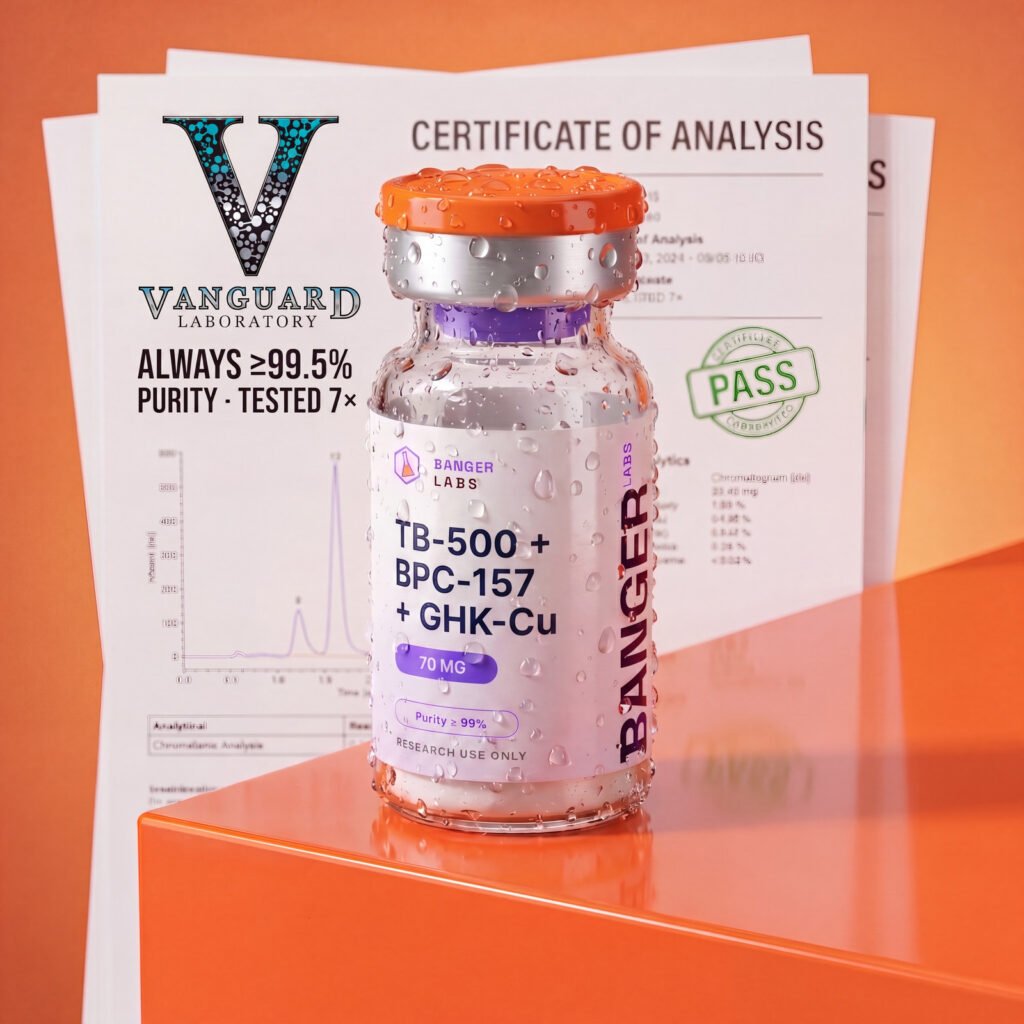
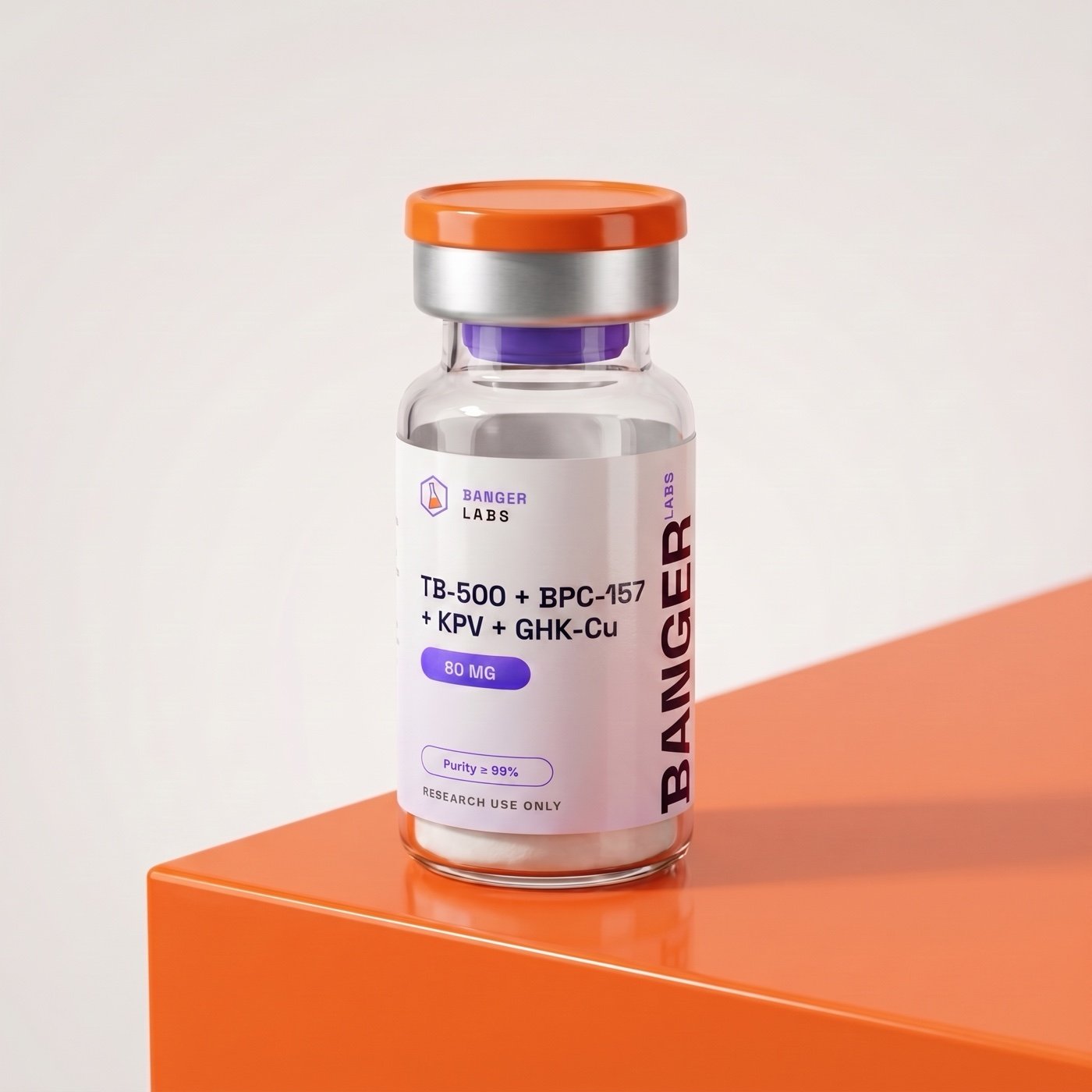
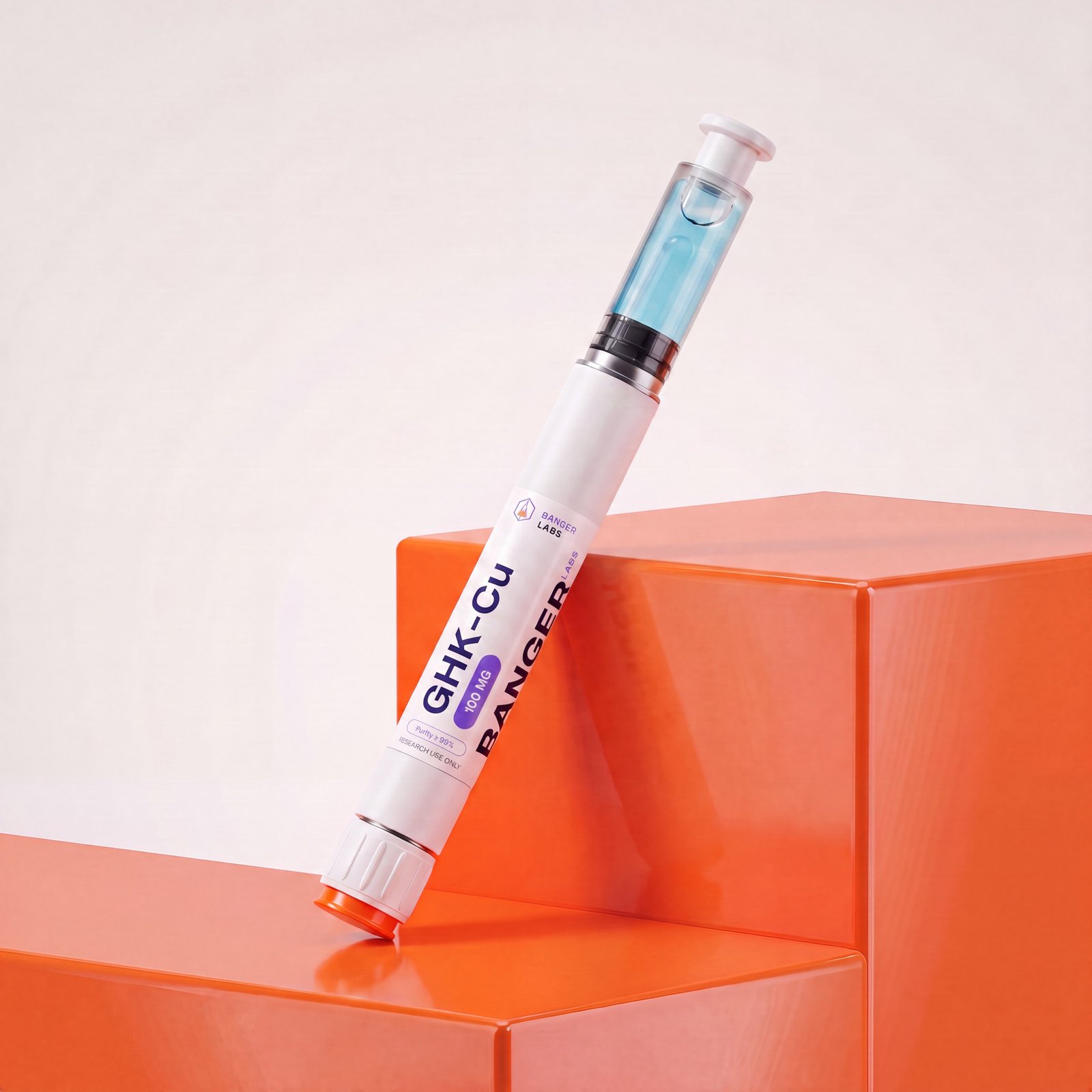
GLOW — a research-grade tri-peptide “glow” blend of GHK-Cu + BPC-157 + TB-500 (70 mg total). ≥ 99% purity (HPLC), Certificate of Analysis with every batch. For laboratory research use only.
 + 1 Free 3ml BAC Water
+ 2 Free 3ml BAC Water
+ 1 Free 3ml BAC Water
+ 2 Free 3ml BAC Water
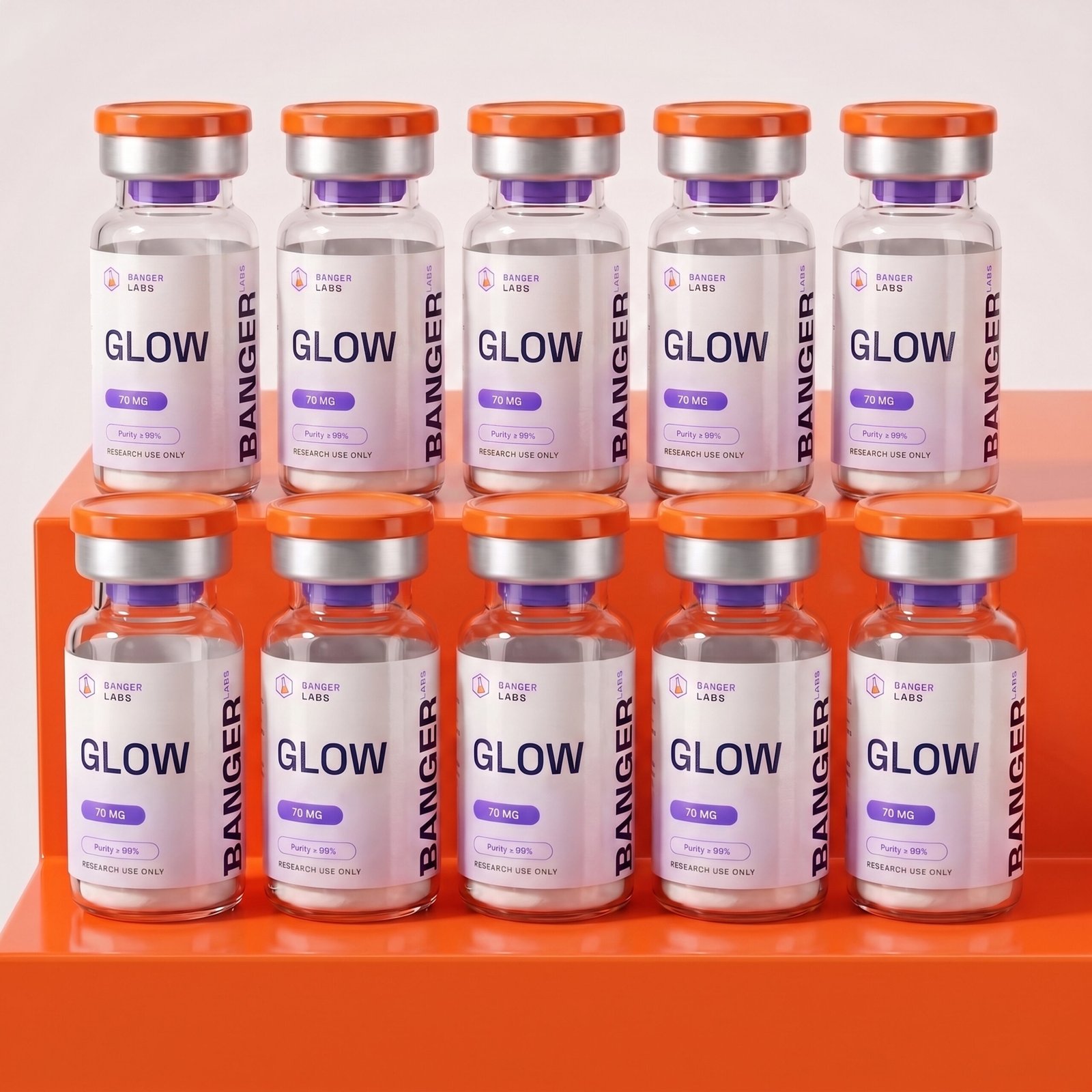 10 VIALS · 40% OFF
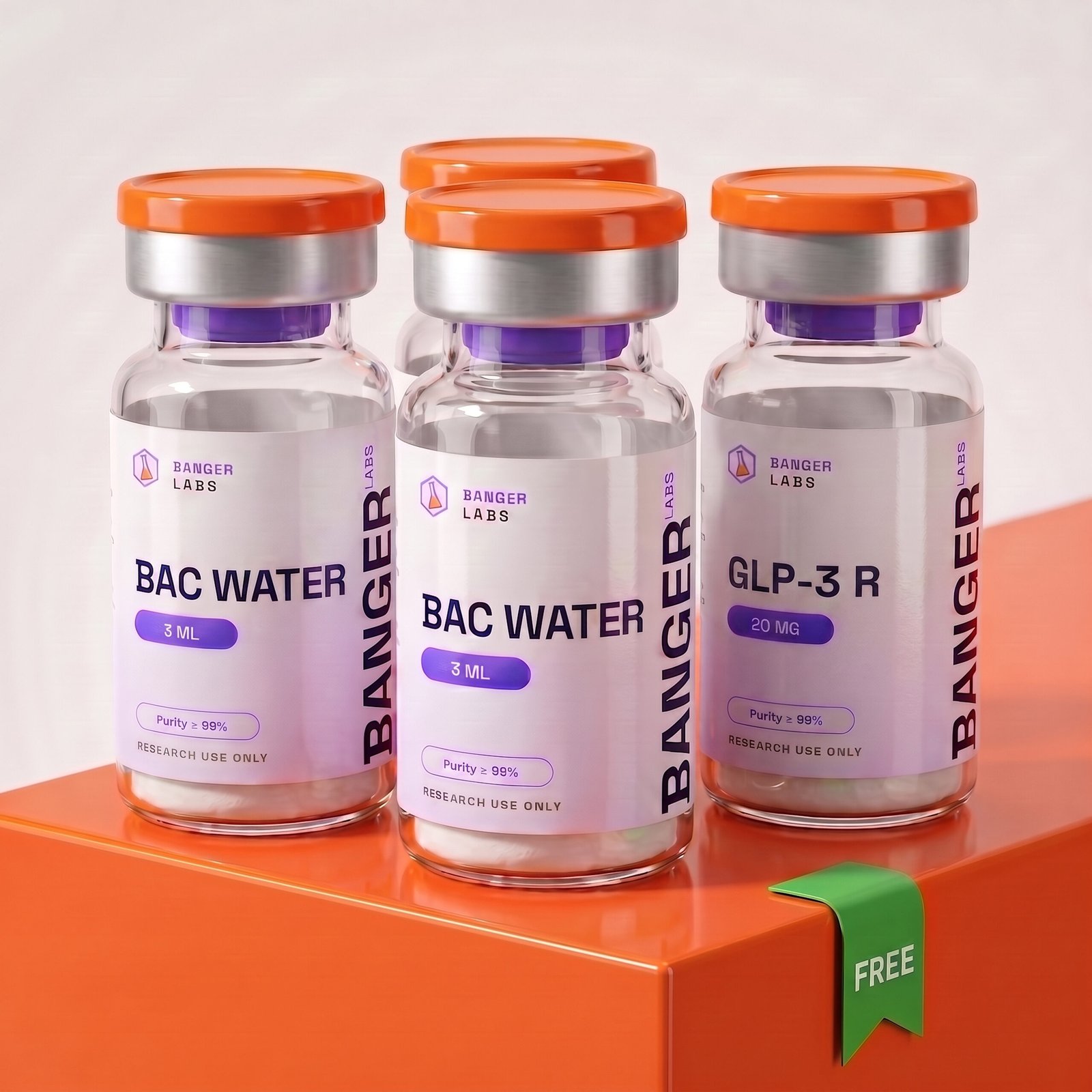 FREE
FREE- 3 Free 3ml BAC Water
- Free GLP-3 R 10mg vial
- Free Priority Shipping
Transparency
Certificate of Analysis
Every batch independently verified by third-party laboratories.
GLOW 70MG COA
All Banger Labs products are independently tested by accredited third-party laboratories. Results are batch-specific and provided for research transparency only. This product is not approved for human use.
Lab Verified
Every Dose, Independently Tested
Verified by Vanguard Laboratory — always ≥99.5% purity, tested 7×.
Support
Frequently Asked Questions
Everything you need to know about this product and your order.
Research Overview Cited research summary, handling & references — tap to expand
TB-500 + BPC-157 + GHK-Cu: A Research Compendium
What This Combination Is
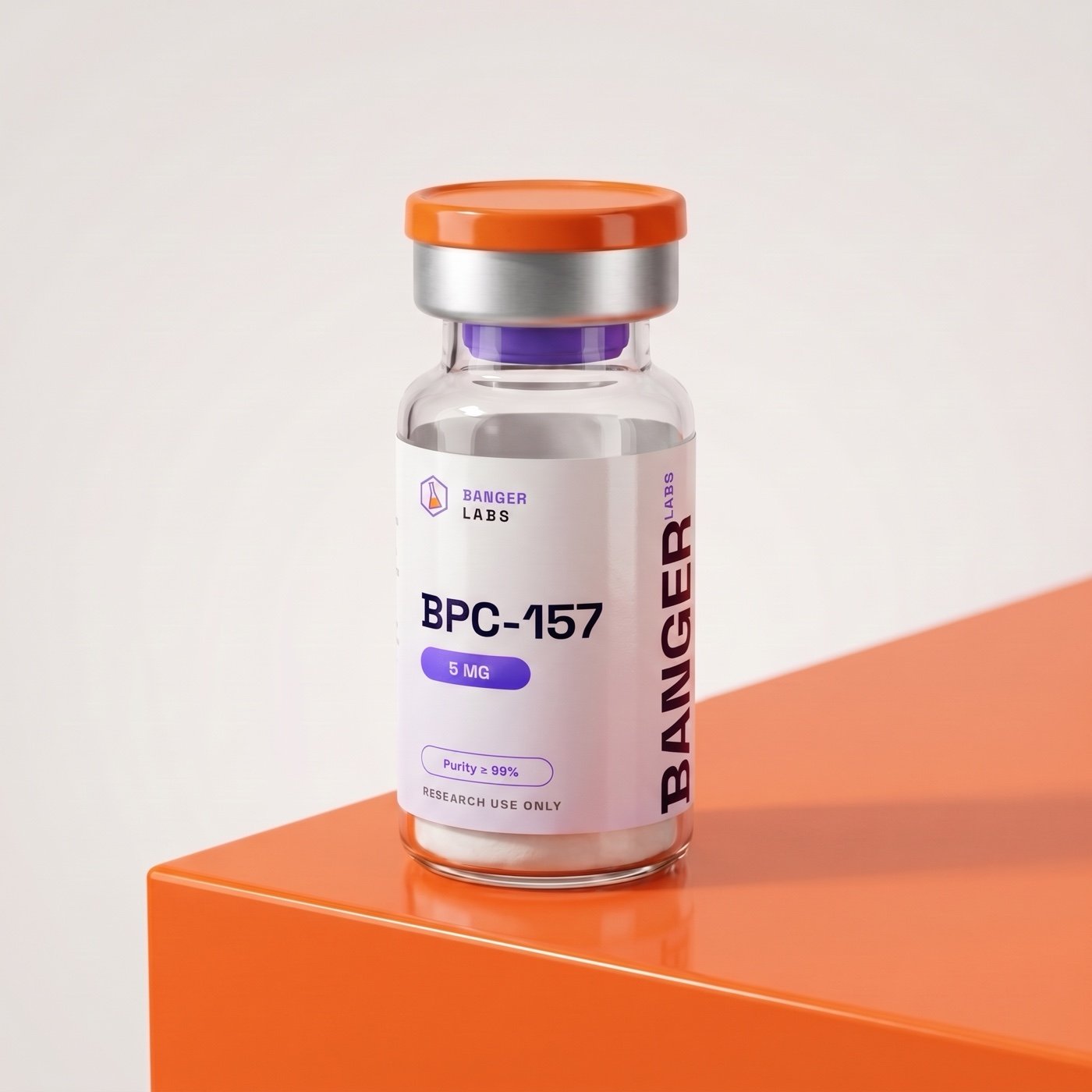
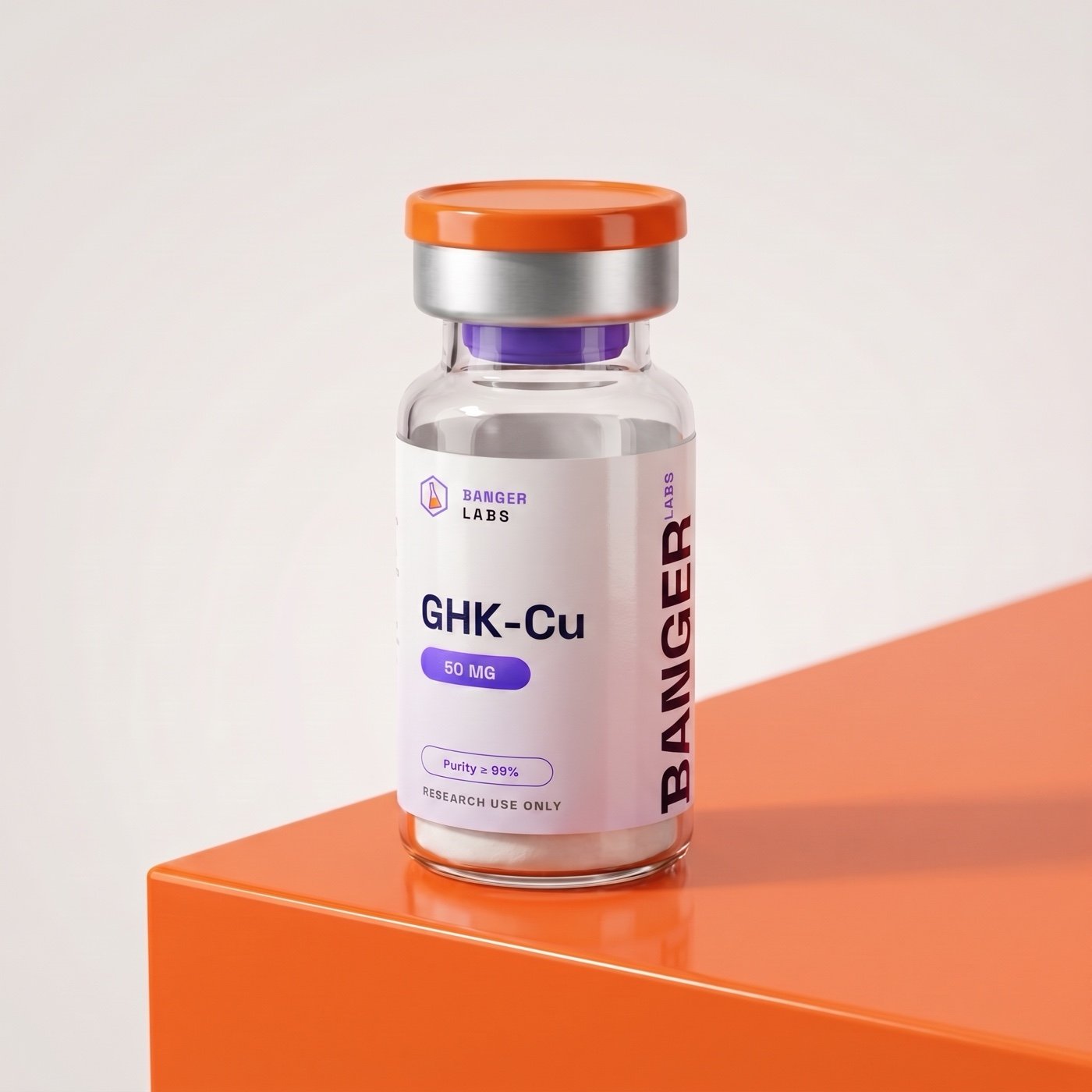
This is a research blend bringing together three distinct peptides that each appear independently in the regeneration and tissue-repair literature: TB-500 (a synthetic peptide corresponding to an active region of thymosin β4), BPC-157 (a stable gastric pentadecapeptide referred to as "body protection compound 157"), and GHK-Cu (the copper complex of the human tripeptide glycyl-histidyl-lysine). Each component has its own separate body of published work, and the descriptions below summarize each individually rather than implying any combined effect. In research, this material is handled strictly as a laboratory reference for in vitro and preclinical investigation; the summaries are descriptions of published scientific activity, not statements about outcomes in humans.
Areas Studied in the Research Literature
The cards below organize the published literature by component. They are provided to orient researchers and imply no clinical benefit, safety, or efficacy in any species, individually or in combination.
BPC-157 — Soft-Tissue Healing Models
BPC-157, a gastric pentadecapeptide, has been examined for a role in accelerating musculoskeletal soft-tissue healing in experimental work.[1] Its broader relationship to wound-healing processes has been reviewed.[2]
BPC-157 — Tendon Models
Studies have reported on the pentadecapeptide's effects in tendon-healing models, with mechanisms described in terms of tendon cell outgrowth, survival, and migration.[3]
BPC-157 — Angiogenesis & Pharmacokinetics
Pro-angiogenic activity of BPC-157 has been linked to VEGFR2 activation in research,[4] and dedicated work has characterized its pharmacokinetics, distribution, metabolism, and excretion in rats and dogs.[5]
TB-500 (Thymosin β4) — Actin & Cytoskeleton
The thymosin β4 component is best characterized for binding monomeric G-actin, a mechanism reviewed alongside its proposed cellular functions.[6]
TB-500 (Thymosin β4) — Fibrosis Models
Thymosin β4 has been studied within an "anti-fibrotic switch" framework in preclinical tissue-remodeling research.[7]
Reconstitution, Handling & Storage (Research)
The following describes generally accepted laboratory handling practices for lyophilized research peptides. It is general technical guidance for trained personnel and is not a protocol for any use in humans or animals.
Before Opening
Lyophilized material is typically kept sealed and cold until use; equilibrating a sealed vial toward room temperature before opening helps limit condensation onto the powder.
Reconstitution
Research peptides are commonly reconstituted with a suitable sterile diluent added slowly down the vial wall, swirling gently rather than shaking. With a copper-containing component, researchers often note that the solution may be colored and that buffer and pH can be relevant to a multi-peptide preparation.
Storage After Reconstitution
Solutions are generally stored refrigerated and protected from light, with handling minimized; aliquoting reduces repeated temperature cycling of a working stock.
Freeze–Thaw
Repeated freeze–thaw cycles are widely regarded as a degradation risk for peptide solutions, so single-use aliquots are a common practice for longer-term storage.
Stability & Half-Life Notes
Each component is a small peptide and is generally treated as susceptible to enzymatic and physical degradation in solution, which underlies the standard emphasis on cold storage, protection from light, and avoidance of repeated freeze–thaw cycles. A multi-peptide preparation that includes a copper complex adds further formulation considerations, since different peptides can differ in their stability profiles. Specific stability and clearance characteristics should be assessed empirically for any given preparation rather than assumed from the behavior of any single component.
Research Use Only — Not For Human Use
This product is sold strictly as a research-use-only (RUO) reference material intended for in vitro experimentation and laboratory study by qualified professionals. It is not a drug, dietary supplement, cosmetic, or food, and it is not intended to diagnose, treat, cure, or prevent any disease or condition. It is not for human or veterinary use and must not be administered to humans or animals. The summaries above describe published scientific investigation of the individual components only and make no claim of safety or efficacy, alone or in combination. Purchasers are responsible for handling, storing, and disposing of this material in accordance with all applicable laws, regulations, and institutional policies.
References
- Gwyer D, et al. Gastric pentadecapeptide body protection compound BPC 157 and its role in accelerating musculoskeletal soft tissue healing. Cell Tissue Res. 2019. PMID: 30915550
- Seiwerth S, et al. Stable Gastric Pentadecapeptide BPC 157 and Wound Healing. Front Pharmacol. 2021. PMID: 34267654
- Chang CH, et al. The promoting effect of pentadecapeptide BPC 157 on tendon healing involves tendon outgrowth, cell survival, and cell migration. J Appl Physiol (1985). 2011. PMID: 21030672
- Hsieh MJ, et al. Therapeutic potential of pro-angiogenic BPC157 is associated with VEGFR2 activation and up-regulation. J Mol Med (Berl). 2017. PMID: 27847966
- He L, et al. Pharmacokinetics, distribution, metabolism, and excretion of body-protective compound 157, a potential drug for treating various wounds, in rats and dogs. Front Pharmacol. 2022. PMID: 36588717
- Ying Y, et al. Thymosin β4 and Actin: Binding Modes, Biological Functions and Clinical Applications. Curr Protein Pept Sci. 2023. PMID: 36464872
- Kleinman HK, et al. Thymosin β4 and the anti-fibrotic switch. Int Immunopharmacol. 2023. PMID: 36580759
- Pickart L, et al. GHK Peptide as a Natural Modulator of Multiple Cellular Pathways in Skin Regeneration. Biomed Res Int. 2015. PMID: 26236730
- Pickart L, et al. Regenerative and Protective Actions of the GHK-Cu Peptide in the Light of the New Gene Data. Int J Mol Sci. 2018. PMID: 29986520
Scientific References
Explore the published research literature on GLOW 70MG. We link directly to independent, primary sources — we don't summarize or interpret findings. For research use only.
Links open external databases (pubmed.ncbi.nlm.nih.gov · clinicaltrials.gov). Banger Labs is not affiliated with these sources. For research use only — not medical advice.
Certificate of Analysis
GLOW 70MG · ≥99.4% purity (HPLC)