This glossary is a single reference for the research peptides in the Banger Labs catalog. Every entry lists the compound, its scientific class, and what it is studied for in preclinical, in-vitro, and animal research — with a link to its product page and Certificate of Analysis. A second section defines the analytical and pharmacology terms researchers encounter when sourcing and handling these materials. Everything here is presented for research use only — not for human consumption.
Research Peptides A–Z
The catalog spans 53 compounds across repair and recovery, metabolic and incretin, growth-hormone-axis, melanocortin, longevity, immune, and nootropic research classes. Each is held to ≥99% HPLC purity with a per-batch Certificate of Analysis — see our how to read a peptide CoA and peptide purity explained guides for how that documentation works.
| Compound | Class | Studied for (preclinical research) |
|---|---|---|
| 5-Amino-1MQ | NNMT inhibitor (small molecule) | 5-Amino-1MQ is a small-molecule inhibitor of nicotinamide N-methyltransferase (NNMT). It is studied in preclinical and in-vitro models for its effects on cellular NAD+ and methylation metabolism, particularly in adipocyte and metabolic research. |
| Adipotide | Pro-apoptotic peptidomimetic | Adipotide (FTPP) is a targeted peptidomimetic that links a tissue-homing motif to a pro-apoptotic sequence directed at the vasculature of white adipose tissue. It is investigated in animal models of obesity and adipose-tissue biology. |
| AHK-Cu | Copper-binding tripeptide | AHK-Cu is a copper-binding tripeptide (Ala-His-Lys) complexed with copper, related to the GHK-Cu family. It is studied in vitro and in skin and hair-follicle models for roles in cell signaling, angiogenesis, and extracellular-matrix research. |
| AICAR | AMPK activator (AICA riboside) | AICAR (AICA riboside) is a nucleoside analog that is converted intracellularly to ZMP, an AMP-mimetic that activates AMP-activated protein kinase (AMPK). It is widely used in preclinical and in-vitro research on cellular energy metabolism and exercise mimetics. |
| AOD-9604 | hGH fragment (176-191) | AOD-9604 is a synthetic peptide derived from the C-terminal fragment (176-191) of human growth hormone. It is studied in preclinical and in-vitro models for its proposed effects on lipid metabolism and adipocyte research. |
| Ara-290 | Erythropoietin-derived peptide (ARA-290) | ARA-290 (cibinetide) is an 11-amino-acid peptide derived from the tertiary structure of erythropoietin that signals through the innate repair receptor without erythropoietic activity. It is investigated in animal models of tissue protection, inflammation, and nociception. |
| BAC Water | Reconstitution supply | BAC Water is bacteriostatic water containing a small amount of benzyl alcohol as a preservative. It serves as a reconstitution diluent for dissolving lyophilized research peptides in laboratory settings; it is a supply, not a peptide. |
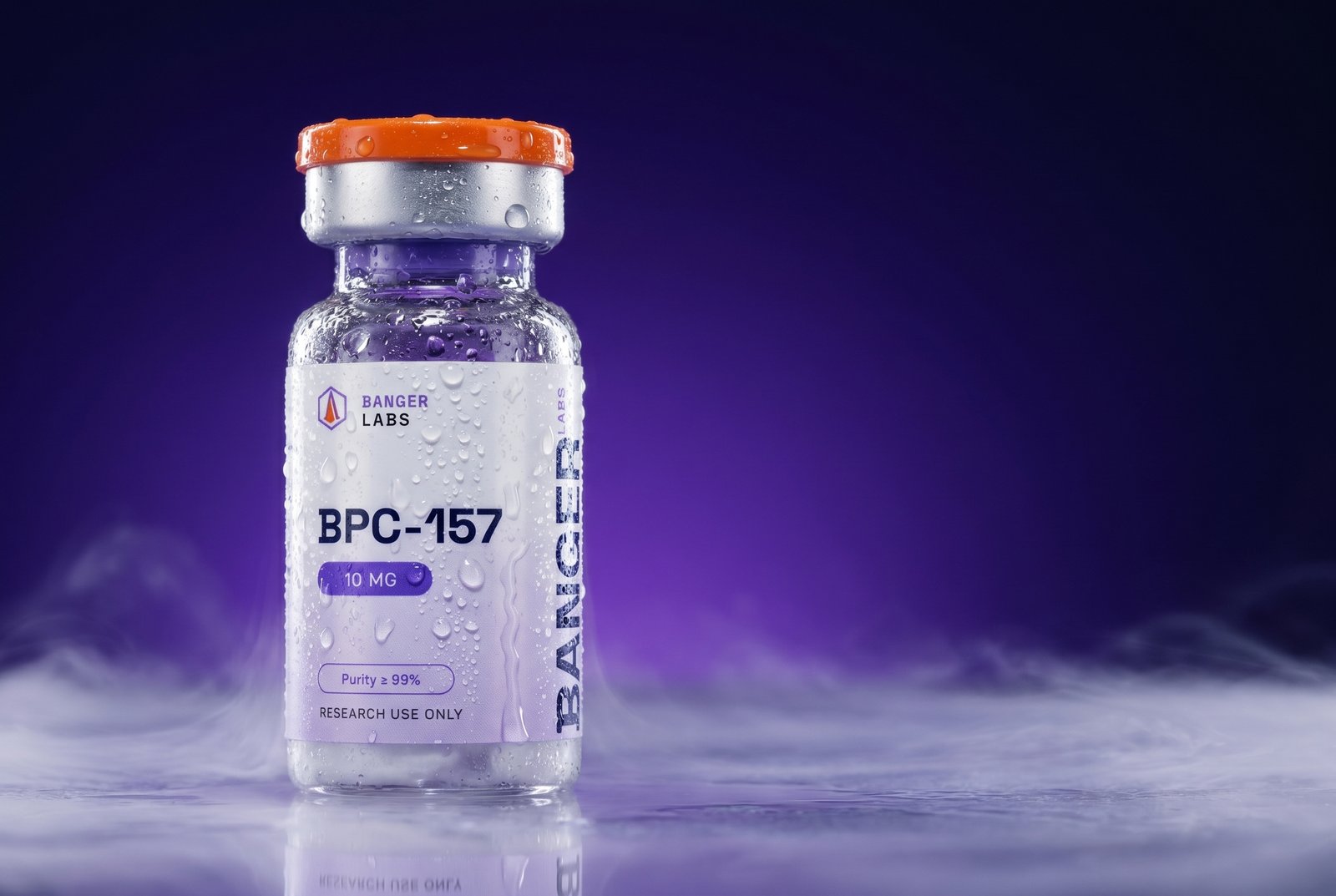
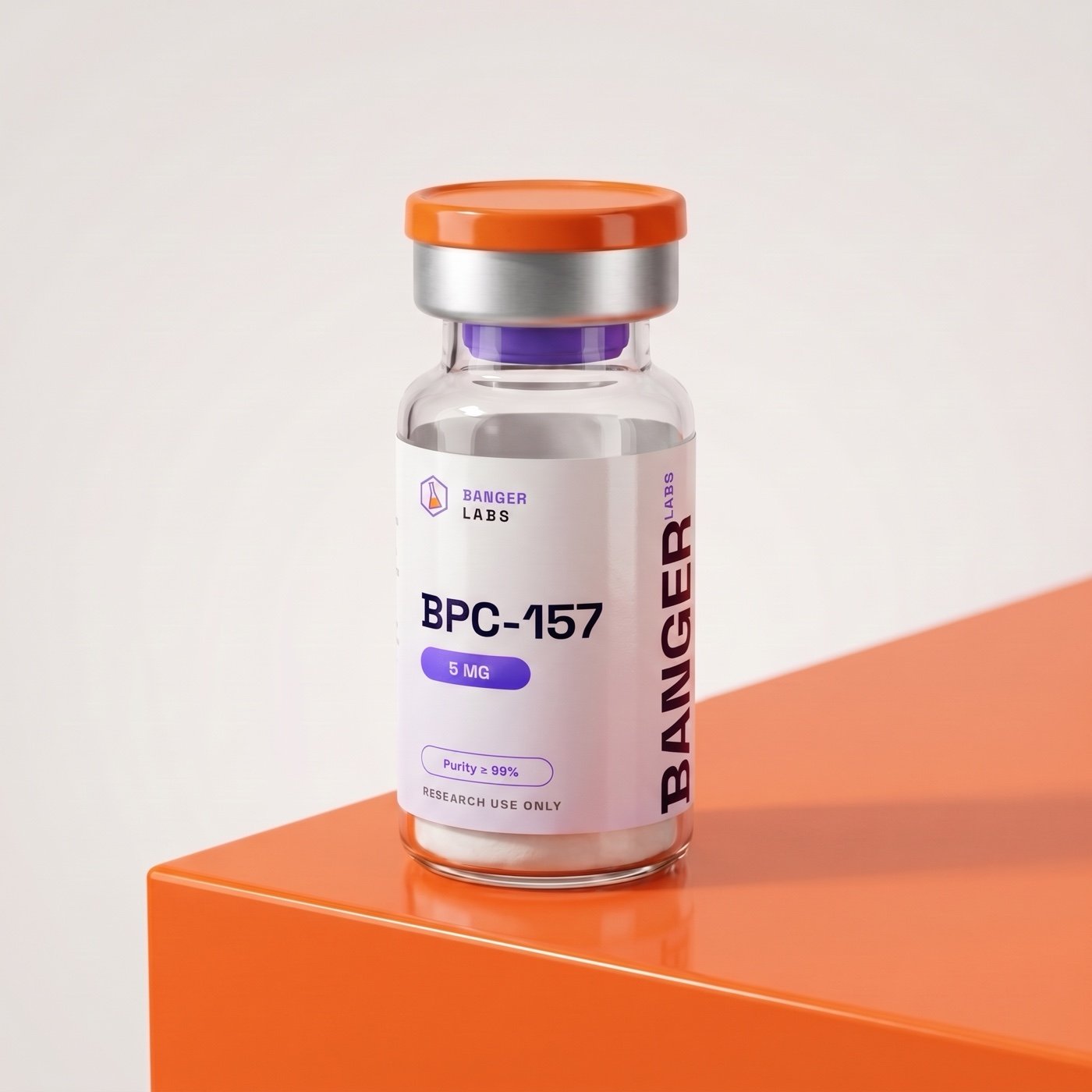
| BPC-157 | Gastric pentadecapeptide | BPC-157 is a stable gastric pentadecapeptide derived from a sequence in human gastric juice. It is studied extensively in animal and in-vitro models for tissue-repair, angiogenic, and gut-protective processes. |
| BPC-157 + TB-500 | Research peptide blend | This is a research blend combining the gastric pentadecapeptide BPC-157 with TB-500 (a thymosin beta-4 fragment). The two peptides are studied together in preclinical models of tissue repair, angiogenesis, and cellular migration; the combination is for research use only. |
| GLP-5 C | Amylin analog | A long-acting synthetic analog of the pancreatic hormone amylin that acts at amylin and calcitonin receptors. In preclinical and animal research it is studied for its effects on satiety signaling, food intake, and metabolic regulation. |
| CJC-1295 (DAC) | GHRH analog | A synthetic growth-hormone-releasing hormone (GHRH) analog bearing a Drug Affinity Complex (DAC) that extends its half-life by binding serum albumin. Studied in laboratory and animal models for its effects on growth hormone and IGF-1 secretion. |
| CJC-1295 (No DAC) | GHRH analog | A short-acting modified GHRH(1-29) analog (also called Mod-GRF 1-29) without the albumin-binding DAC moiety. Used in preclinical research to study pulsatile growth hormone release from the pituitary. |
| CJC-1295 + Ipamorelin | GHRH analog + GHRP blend | A research blend combining the GHRH analog CJC-1295 with the ghrelin-mimetic/GHRP secretagogue Ipamorelin. The two components are studied together in preclinical models for their complementary effects on growth hormone signaling pathways. |
| Dermorphin | Mu-opioid receptor agonist peptide | A naturally occurring heptapeptide originally isolated from amphibian skin that acts as a potent and selective mu-opioid receptor agonist. Used in laboratory research as a tool to probe opioid receptor pharmacology and antinociceptive signaling. |
| DSIP | Delta sleep-inducing peptide | Delta sleep-inducing peptide (DSIP) is a naturally occurring nonapeptide first identified in brain extracts. It is studied in animal and in-vitro models for its associations with sleep-related electrical activity and neuroendocrine modulation. |
| Epithalon | Telomerase-modulating tetrapeptide | A synthetic tetrapeptide (Ala-Glu-Asp-Gly) derived from the pineal peptide epithalamin. It is investigated in cell-culture and animal research for effects on telomerase activity, pineal/melatonin signaling, and aging-related cellular processes. |
| FOXO4 | FOXO4-p53 interacting peptide | A peptide based on the FOXO4 transcription factor that is designed to interfere with the FOXO4-p53 protein interaction. It is studied in cell-culture and animal senescence models as a research tool for investigating senescent-cell biology. |
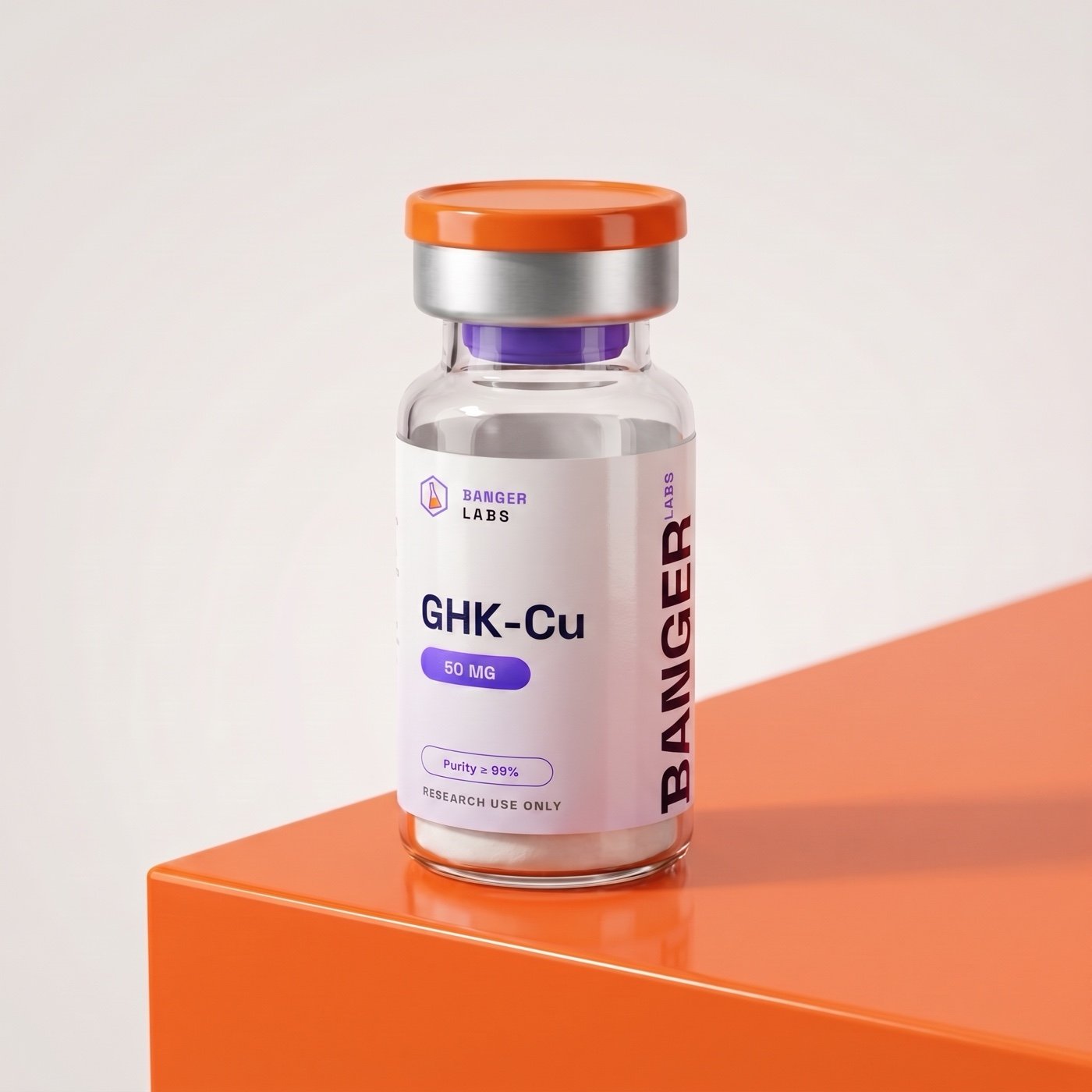
| GHK-Cu | Copper-binding tripeptide | GHK-Cu is the copper(II) complex of the naturally occurring tripeptide glycyl-L-histidyl-L-lysine. In in-vitro and animal research it is studied for its roles in copper transport, extracellular matrix remodeling, and tissue-repair signaling. |
| GHRP-2 | Ghrelin-mimetic / GHRP | GHRP-2 is a synthetic growth hormone-releasing peptide and ghrelin receptor agonist. In preclinical models it is studied for its ability to stimulate pulsatile growth hormone secretion from the pituitary and for ghrelin-pathway signaling research. |
| GHRP-6 | Ghrelin-mimetic / GHRP | GHRP-6 is a synthetic hexapeptide growth hormone secretagogue that acts on the ghrelin receptor. It is investigated in animal and in-vitro studies of growth hormone release, appetite-signaling pathways, and cytoprotective effects. |
| Glutathione | Antioxidant tripeptide | Glutathione is an endogenous tripeptide (glutamate-cysteine-glycine) and a major intracellular antioxidant. In laboratory research it is studied for redox balance, detoxification pathways, and protection against oxidative stress in cellular and animal models. |
| Gonadorelin Acetate | GnRH analog | Gonadorelin acetate is a synthetic decapeptide form of gonadotropin-releasing hormone (GnRH). In preclinical research it is studied for stimulating pituitary release of LH and FSH and for investigating the hypothalamic-pituitary-gonadal axis. |
| HCG | Gonadotropin glycoprotein | HCG (human chorionic gonadotropin) is a glycoprotein hormone that acts on LH/CG receptors. In animal and in-vitro research it is used as a tool to study gonadal steroidogenesis and reproductive endocrine signaling. |
| Hexarelin | Ghrelin-mimetic / GHRP | Hexarelin is a synthetic hexapeptide growth hormone secretagogue and ghrelin receptor agonist. It is studied in preclinical models for growth hormone release and for cardiovascular and cytoprotective signaling via the CD36 and GHS receptors. |
| HGH 191AA | Recombinant growth hormone | HGH 191AA is recombinant human growth hormone, a 191-amino-acid polypeptide identical to the pituitary somatotropin sequence. In research it is used to study growth hormone receptor signaling, IGF-1 induction, and metabolic and growth pathways in model systems. |
| HGH Fragment 176-191 | Growth hormone C-terminal fragment | HGH Fragment 176-191 is a synthetic peptide corresponding to the C-terminal region of human growth hormone. In preclinical and in-vitro studies it is investigated for its effects on lipid metabolism and lipolytic signaling pathways. |
| IGF-1LR3 | IGF-1 analog | IGF-1 LR3 (Long R3 IGF-1) is a synthetic analog of insulin-like growth factor 1 with reduced binding-protein affinity and extended activity. It is used in cell-culture and animal research to study IGF-1 receptor signaling, cell growth, and anabolic pathways. |
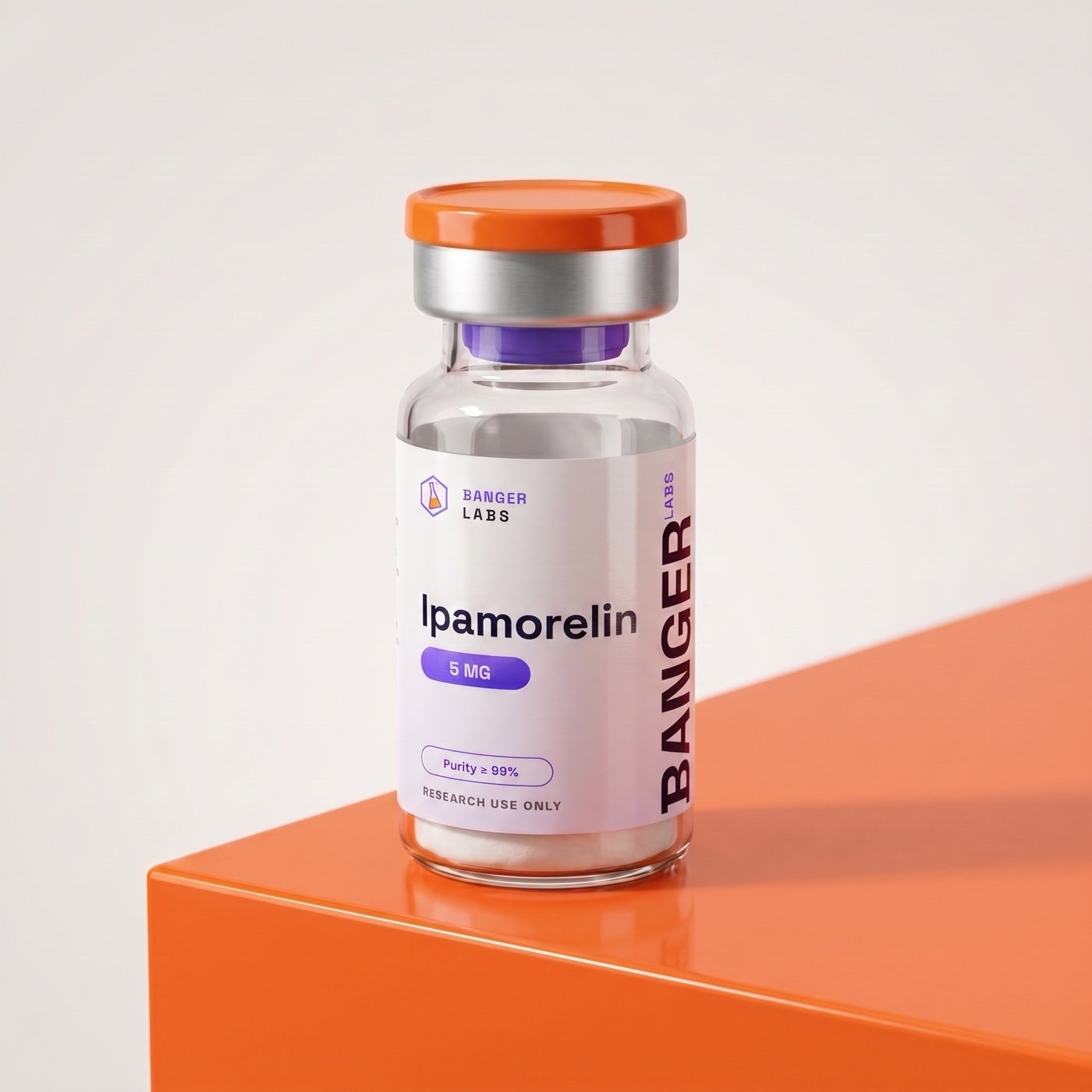
| Ipamorelin | Ghrelin-mimetic / GHRP | Ipamorelin is a selective pentapeptide growth hormone secretagogue that mimics ghrelin at the GHS-R1a receptor. It is studied in preclinical models for its capacity to stimulate growth hormone release with minimal effect on cortisol or prolactin. |
| Kisspeptin-10 | Kisspeptin / GPR54 agonist | Kisspeptin-10 is a decapeptide fragment of kisspeptin that activates the GPR54 (KISS1R) receptor. It is investigated in animal and in-vitro research for its role in regulating GnRH neurons and the reproductive hormone axis. |
| KPV | Anti-inflammatory tripeptide | KPV is a C-terminal tripeptide (Lys-Pro-Val) derived from alpha-MSH. It is studied in preclinical and in-vitro models for its anti-inflammatory activity, including effects on intracellular inflammatory signaling pathways. |
| LL-37 | Antimicrobial/host-defense peptide | LL-37 is the human cathelicidin-derived antimicrobial peptide. It is investigated in laboratory research for its broad host-defense activity against microbes and its immunomodulatory interactions with cells in vitro. |
| Melatonin | Indoleamine signaling molecule | Melatonin is an indoleamine hormone produced from serotonin and a ligand at MT1/MT2 receptors. It is studied in animal and cell models for its roles in circadian signaling and as an antioxidant in vitro. |
| Metabolic Reset | Research peptide blend | Metabolic Reset is a combination research product comprising multiple peptides studied together in preclinical work. The blend is investigated in laboratory models for the combined activity of its component peptides rather than a single mechanism. |
| MOTS-C | Mitochondrial-derived peptide | MOTS-c is a mitochondrial-derived peptide encoded within the 12S rRNA region. It is studied in animal and cell models for its roles in metabolic regulation and cellular energy-sensing pathways such as AMPK signaling. |
| MT-1 | Melanocortin agonist | MT-1 (melanotan I, afamelanotide) is a synthetic alpha-MSH analog that acts at melanocortin receptors. It is studied in preclinical and in-vitro research for its interaction with the melanocortin-1 receptor and pigmentation pathways. |
| MT-2 | Melanocortin agonist | MT-2 (melanotan II) is a cyclic synthetic melanocortin receptor agonist analog of alpha-MSH. It is investigated in animal and cell models for its broad melanocortin receptor activity, including MC1R and MC4R pathways. |
| NAD | Cellular cofactor (dinucleotide) | NAD (nicotinamide adenine dinucleotide) is an essential redox coenzyme central to cellular energy metabolism and sirtuin signaling. It is studied in preclinical and in-vitro models of mitochondrial function, oxidative stress, and aging-related cellular pathways. |
| Neuro Duo | Research nootropic peptide blend | Neuro Duo is a research blend combining neuro-active peptides (commonly Selank- and Semax-type sequences). The components are studied together in preclinical and animal models of cognition, neuroprotection, and stress-related neurochemical signaling. |
| Peak Pulse | Research growth-axis peptide blend | Peak Pulse is a research blend pairing a GHRH analog with a ghrelin-mimetic/GHRP secretagogue. Its components are studied together in animal and in-vitro models of growth-hormone axis stimulation and pulsatile secretion. |
| PT-141 | Melanocortin receptor agonist | PT-141 (bremelanotide) is a synthetic melanocortin receptor agonist derived from alpha-MSH. It is investigated in preclinical and animal models of melanocortin signaling and central nervous system pathways governing arousal behavior. |
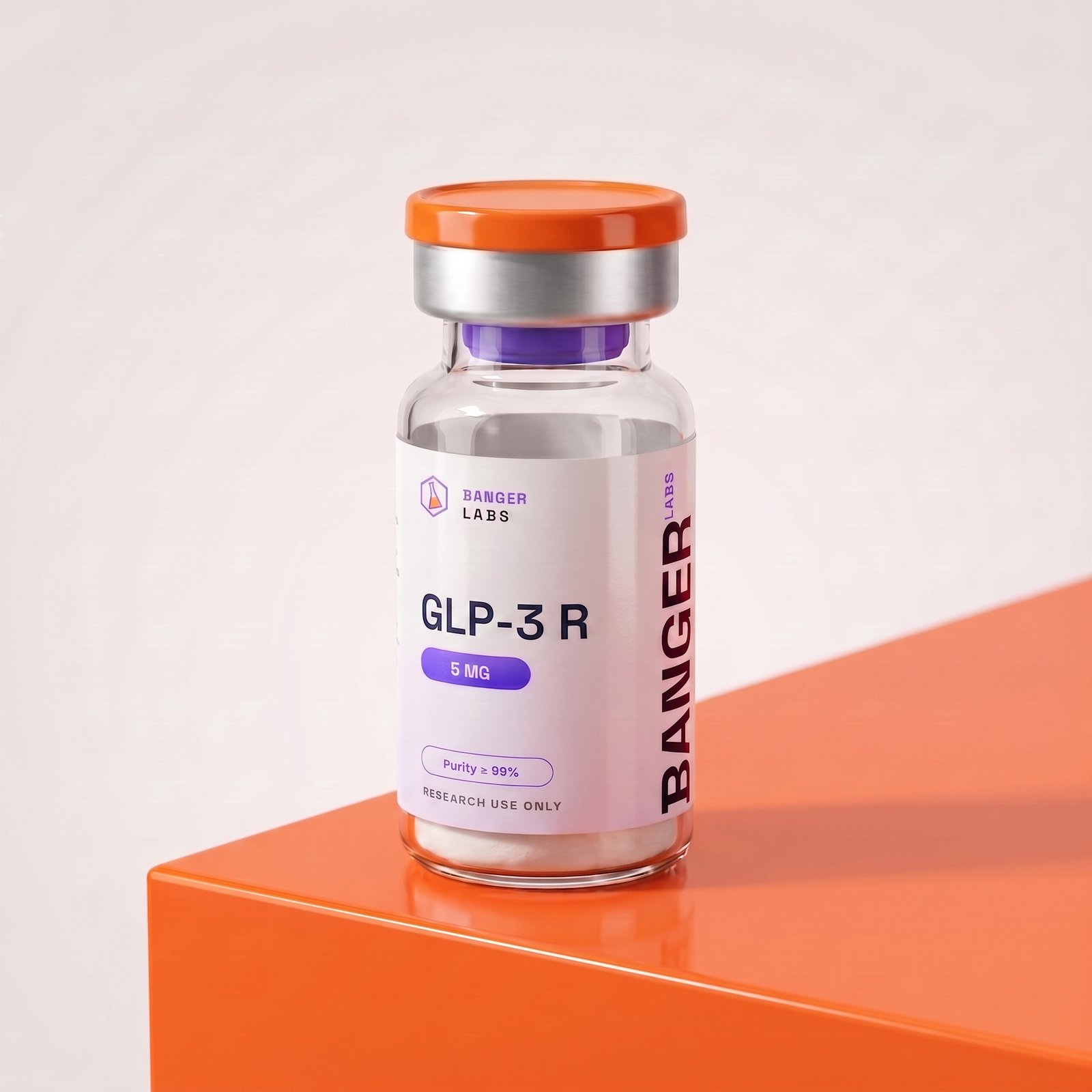
| GLP-3 R | Triple GIP/GLP-1/glucagon agonist | GLP-3 R is a synthetic triple agonist peptide targeting the GIP, GLP-1, and glucagon receptors. It is studied in preclinical and animal models of metabolic regulation, glucose handling, and energy-balance signaling. |
| Selank | Anxiolytic peptide (tuftsin analog) | Selank is a synthetic heptapeptide analog of the immunomodulatory peptide tuftsin. It is investigated in animal and in-vitro models of anxiety-related behavior, neurotransmitter modulation, and immune signaling. |
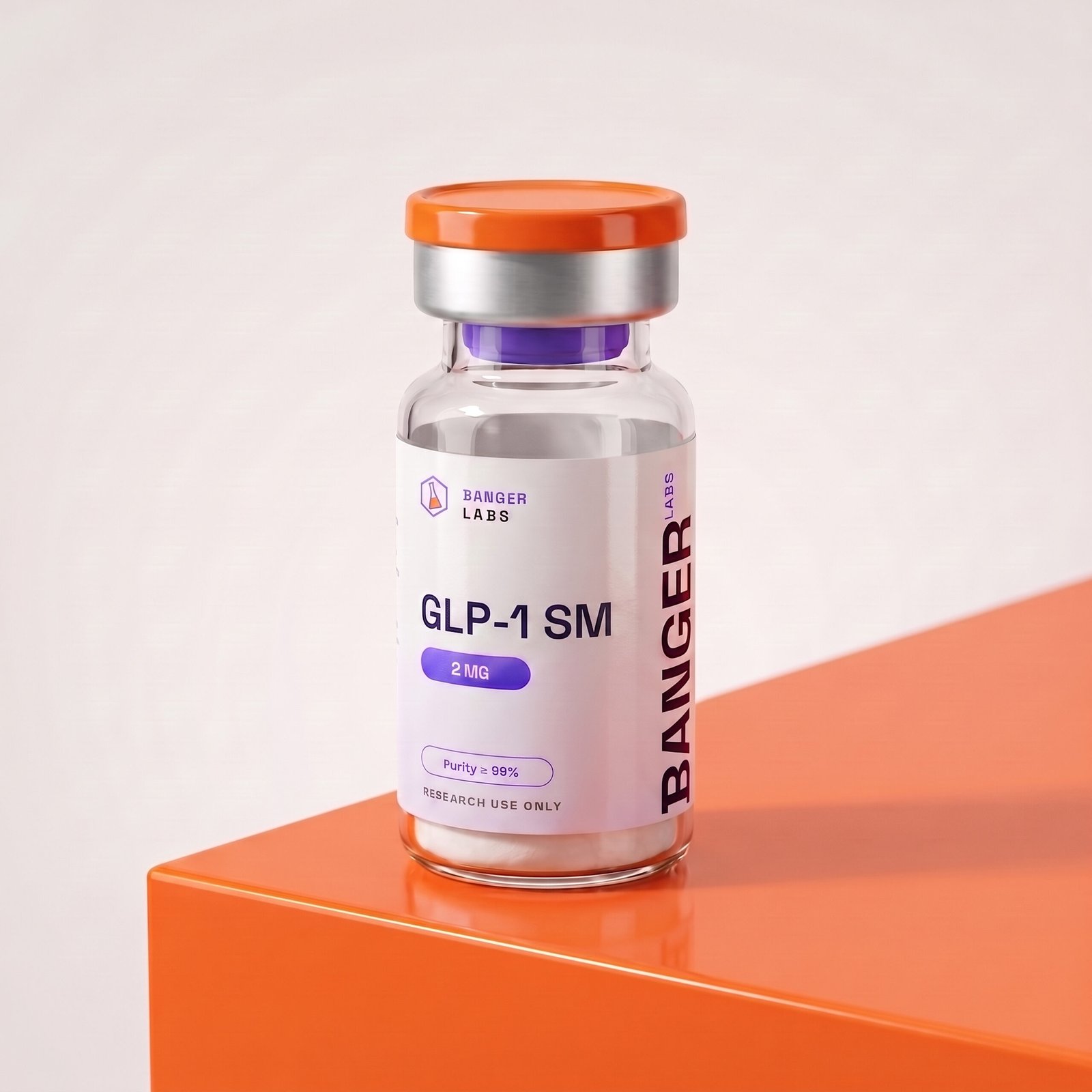
| GLP-1 SM | GLP-1 receptor agonist | GLP-1 SM is a synthetic GLP-1 receptor agonist peptide. It is studied in preclinical and animal models of incretin signaling, glucose metabolism, insulin secretion, and energy-balance regulation. |
| Semax | Neuroactive peptide (ACTH fragment) | Semax is a synthetic heptapeptide derived from a fragment of adrenocorticotropic hormone (ACTH). It is investigated in animal and in-vitro models of neuroprotection, BDNF-related signaling, and cognition-associated neurochemical pathways. |
| Sermorelin Acetate | GHRH analog | Sermorelin acetate is a synthetic analog of growth-hormone-releasing hormone (GHRH 1-29). It is studied in preclinical and animal models of growth-hormone axis signaling and pituitary secretagogue activity. |
| Shred+ | Research peptide blend | A research blend combining peptides associated with metabolic and body-composition studies. Its individual components are investigated together in preclinical and in-vitro models; the combination itself is used only for laboratory research, not for any therapeutic application. |
| SNAP-8 | SNAP-25-derived peptide | SNAP-8 (acetyl octapeptide-3) is an eight-amino-acid peptide derived from the N-terminal end of the SNARE protein SNAP-25. In cosmetic and in-vitro research it is studied for competing in SNARE-complex assembly to modulate catecholamine and acetylcholine vesicle release. |
| SS-31 | Mitochondria-targeting peptide | SS-31 (elamipretide) is a cell-permeable tetrapeptide that binds cardiolipin on the inner mitochondrial membrane. It is studied preclinically in models of mitochondrial dysfunction and oxidative stress for effects on bioenergetics, strictly for research use. |
| GLP-4 SV | Dual GCGR/GLP-1 agonist | GLP-4 SV is a peptide investigated as a dual glucagon receptor and GLP-1 receptor agonist. It is studied in preclinical metabolic and energy-balance models. For research use only, with no therapeutic or human application. |
| TB-500 | Thymosin beta-4 fragment | TB-500 is a synthetic peptide corresponding to the actin-binding region of thymosin beta-4. It is studied in vitro and in animal models for roles in cell migration, actin regulation, and tissue-repair processes, for research purposes only. |
| TB-500 + BPC-157 + GHK-Cu | Research peptide blend | A research blend of TB-500 (a thymosin beta-4 fragment), BPC-157 (a gastric pentadecapeptide), and GHK-Cu (a copper-binding tripeptide). These components are studied together in preclinical tissue-repair and cell-migration models, for laboratory research only. |
| TB-500 + BPC-157 + KPV + GHK-Cu | Research peptide blend | A research blend of TB-500, BPC-157, KPV (an alpha-MSH C-terminal tripeptide), and GHK-Cu (a copper-binding tripeptide). The components are investigated together in preclinical repair and inflammation-modulation models, for research use only. |
| Tesamorelin | GHRH analog | Tesamorelin is a stabilized synthetic analog of growth-hormone-releasing hormone (GHRH) that binds the GHRH receptor. It is studied in preclinical models of the somatotropic axis and lipid metabolism, strictly for research use. |
How the major classes work
For the mechanisms behind these classes — secretagogues, incretins, tissue-repair, melanocortin, and mitochondrial peptides — see the peptide mechanisms of action guide. To compare specific compounds, browse the research categories or the comparison guides such as BPC-157 vs TB-500 and CJC-1295 vs Ipamorelin.
Key research & analytical terms
HPLC purity
A measure of a peptide’s chromatographic purity determined by High-Performance Liquid Chromatography, expressed as the percentage of the target peptide peak relative to total detected peaks. Higher HPLC purity indicates fewer process-related impurities in the material.
Mass spectrometry (MS) identity
An analytical confirmation that a peptide’s measured molecular mass matches its theoretical (expected) mass, verifying the compound’s identity. It complements purity data by establishing that the correct molecule was synthesized.
Net peptide content
The actual mass fraction of pure peptide in a vial, excluding bound water, counter-ions (e.g., TFA/acetate salts), and residual solvents. It is typically lower than the gross labeled weight and is used for accurate quantification in research.
Certificate of Analysis (CoA)
A document supplied with a research material that reports its analytical test results, such as HPLC purity, MS identity, and net peptide content. It serves as the manufacturer’s record of the lot’s measured specifications.
Lyophilized
Describing a material that has been freeze-dried, removing water under vacuum to leave a stable, dry powder or cake. Lyophilization improves the shelf stability of peptides for storage and shipping.
Reconstitution
The laboratory process of dissolving a lyophilized (freeze-dried) peptide powder in a suitable solvent or diluent to produce a solution at a defined concentration. It is performed prior to using the material in research applications.
Bacteriostatic water
Sterile water containing a small amount of a bacteriostatic agent (commonly 0.9% benzyl alcohol) that inhibits bacterial growth, used as a diluent to reconstitute lyophilized peptides for research. The preservative allows a reconstituted solution to be stored over multiple uses.
Research Use Only (RUO)
A designation indicating that a material is intended solely for laboratory research and not for diagnostic, therapeutic, or human/animal consumption. RUO products are not evaluated or approved for clinical or medical use.
GHRH
Growth Hormone-Releasing Hormone, a hypothalamic peptide that, in research models, stimulates the pituitary to release growth hormone. GHRH and its analogs are studied as references in endocrine signaling research.
GHRP / Ghrelin mimetic
Growth Hormone-Releasing Peptides, a class of synthetic peptides that mimic the hormone ghrelin by acting at its receptor to stimulate growth hormone release in research models. They are studied alongside GHRH analogs for their distinct receptor pathway.
Secretagogue
A substance that, in research contexts, stimulates the secretion of another substance such as a hormone. Growth hormone secretagogues, for example, are studied for their ability to promote growth hormone release.
Incretin
A class of gut-derived hormones (notably GLP-1 and GIP) that, in research models, are released after nutrient intake and modulate insulin secretion. Incretin peptides are widely studied in metabolic-signaling research.
GLP-1
Glucagon-Like Peptide-1, an incretin hormone studied in research models for its roles in glucose-dependent insulin signaling, appetite pathways, and gastric motility. GLP-1 and its analogs are common subjects of metabolic research.
GIP
Glucose-Dependent Insulinotropic Polypeptide, an incretin hormone studied for its role in modulating insulin signaling and lipid metabolism in research models. It is frequently investigated in combination with GLP-1 in metabolic research.
Agonist
A molecule that binds to and activates a specific receptor to produce a biological response, as characterized in research assays. Peptide agonists are studied for their ability to trigger receptor-mediated signaling pathways.
Peptide
A short chain of amino acids linked by peptide (amide) bonds, generally shorter than a full protein. Peptides are studied as signaling molecules and research reference compounds.
Amino acid
An organic molecule containing amine and carboxyl groups that serves as the basic building block of peptides and proteins. The sequence of amino acids defines a peptide’s structure and properties.
Half-life
The time required for the concentration or activity of a substance to decrease to half its initial value, as measured in research models. It is used to characterize how quickly a peptide is cleared or degraded in vitro or in vivo.
In vitro
Describing experiments conducted outside a living organism, such as in test tubes, cell cultures, or other controlled laboratory environments. In vitro studies are used to characterize a compound’s properties under defined conditions.
Preclinical
Describing the research stage that precedes any clinical (human) testing, typically involving in vitro and animal-model studies. Preclinical work characterizes a compound’s properties and behavior in controlled research settings.
Common questions
What does “research use only” mean for these peptides?
It means each material is supplied for laboratory and research use — not for human or veterinary consumption, and not as a drug or supplement. See our research-use-only guide for the full explanation.
Is every compound in this glossary third-party tested?
Yes. Every compound is manufactured to at least 99% HPLC purity and ships with a per-batch Certificate of Analysis from an independent laboratory, published openly in the CoA library.
How are blends and kits different from single compounds?
Blends combine two or more peptides studied together in preclinical research; kits provide a full multi-vial run of a single compound. Both carry the same per-batch purity and CoA documentation.
How should these peptides be stored and reconstituted?
Lyophilized peptides are reconstituted with bacteriostatic water and kept cold; handling affects integrity. See the reconstitution and storage guide for validated protocols.
Related research reading
References
- U.S. National Center for Biotechnology Information, PubChem. https://pubchem.ncbi.nlm.nih.gov/
- U.S. National Library of Medicine, PubMed. https://pubmed.ncbi.nlm.nih.gov/
Banger Labs supplies materials for laboratory and research use only. Not for human consumption. Not intended to diagnose, treat, cure, or prevent any disease. Statements have not been evaluated by the FDA.
Shop research peptides
Research-grade, ≥ 99% HPLC standard, COA per batch:

- Is Banger Labs Legit? An Honest Look →
- Testing & Quality Standards: How Banger Labs Verifies Every Batch →
- How to Choose a Research Peptide Supplier: Testing, CoA, Shipping & Red Flags →
Browse the full Research Library →
For research use only. Not for human or veterinary use. Not a drug, food, or cosmetic.