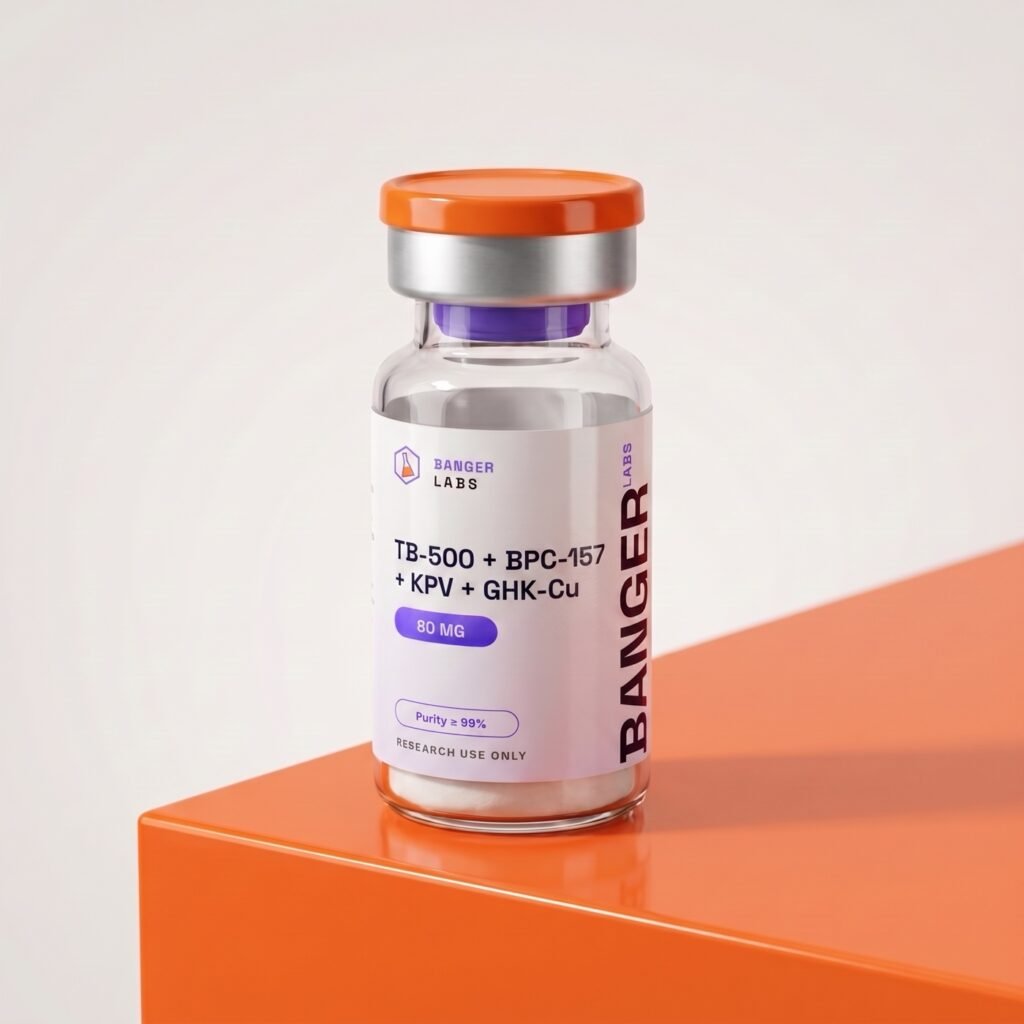
 For Research Use Only
TB-500 + BPC-157 + KPV + GHK-Cu
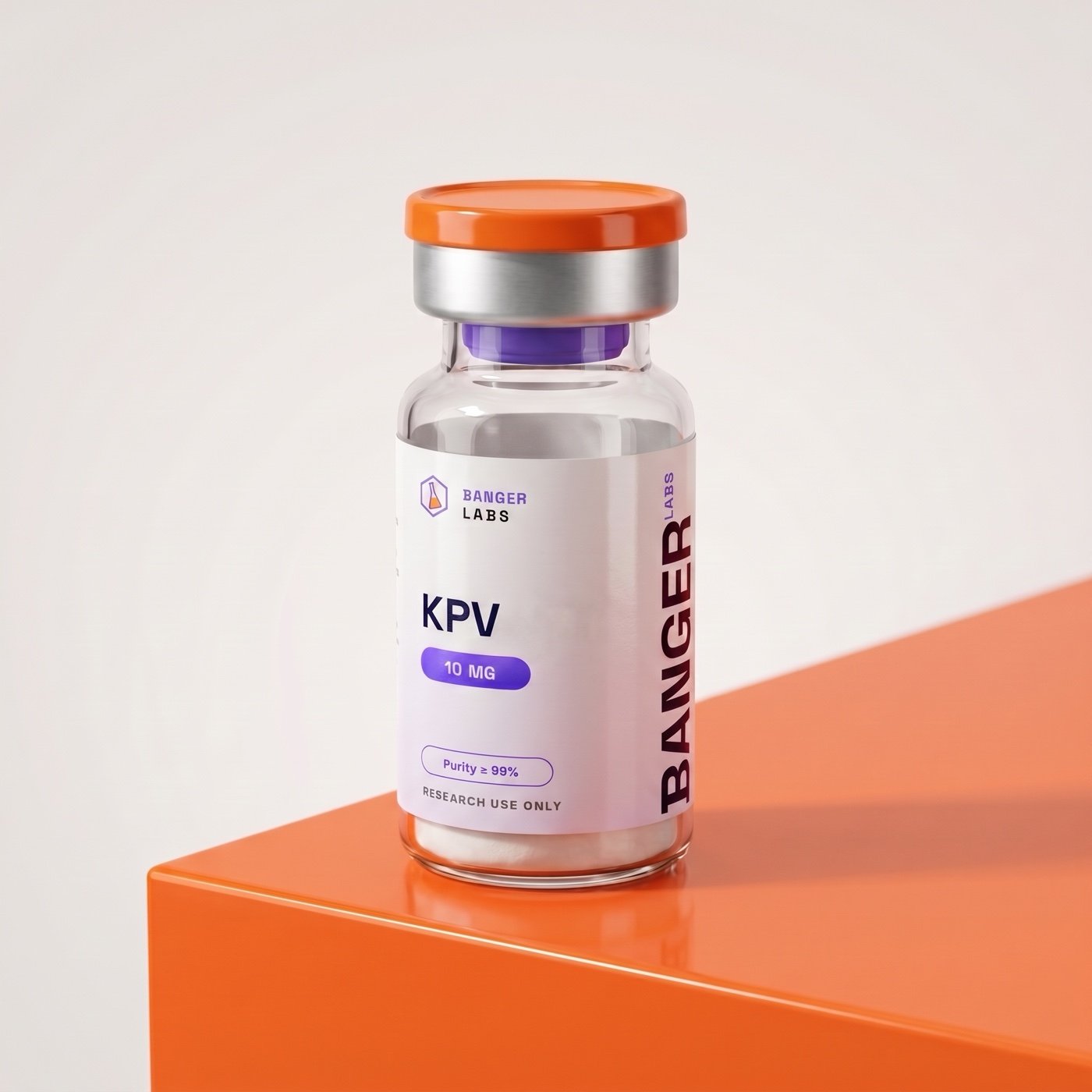
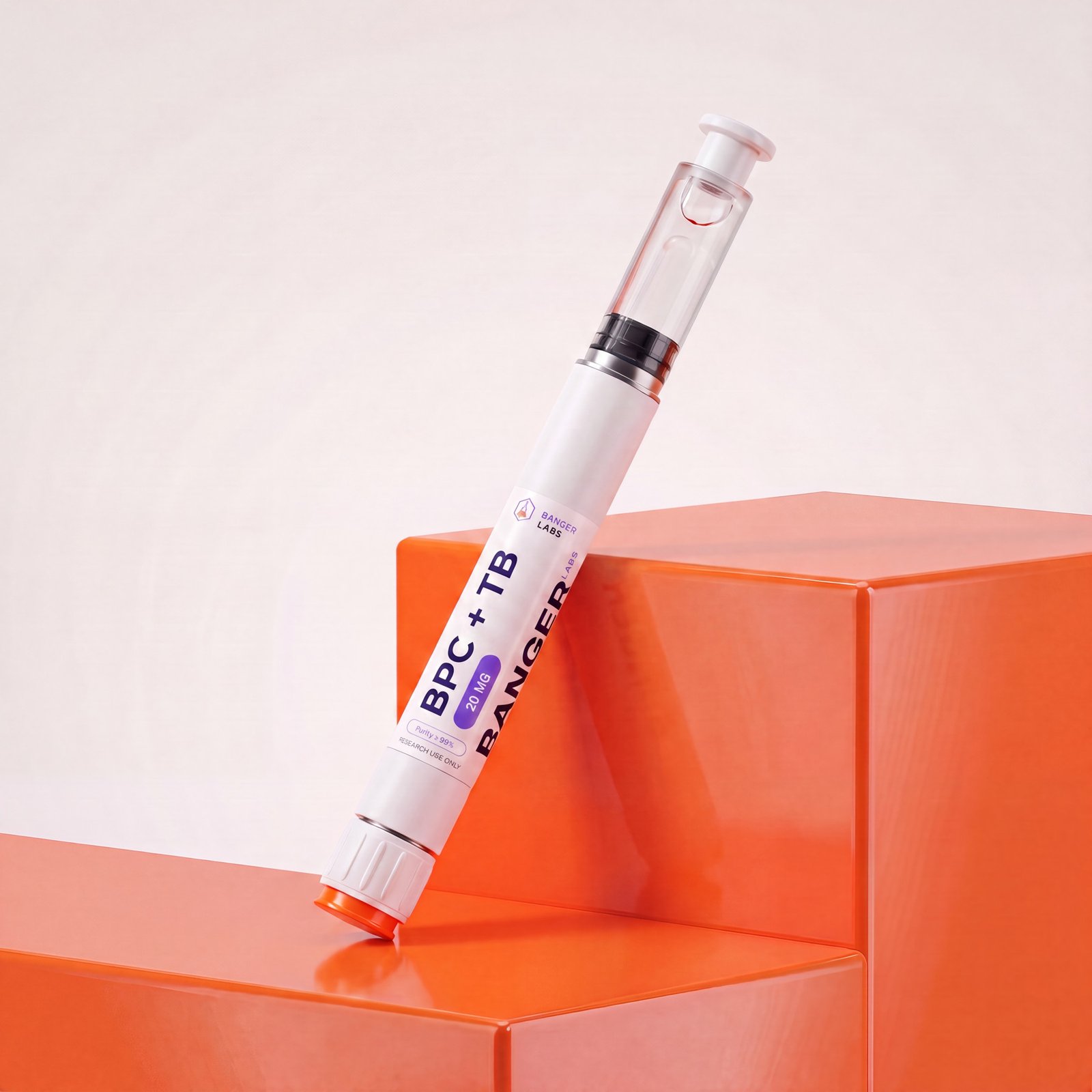
TB-500 + BPC-157 + KPV + GHK-Cu — research-grade peptide. ≥ 99% purity (HPLC), Certificate of Analysis with every batch. For laboratory research use only.
 + 1 Free 3ml BAC Water
+ 2 Free 3ml BAC Water
+ 1 Free 3ml BAC Water
+ 2 Free 3ml BAC Water
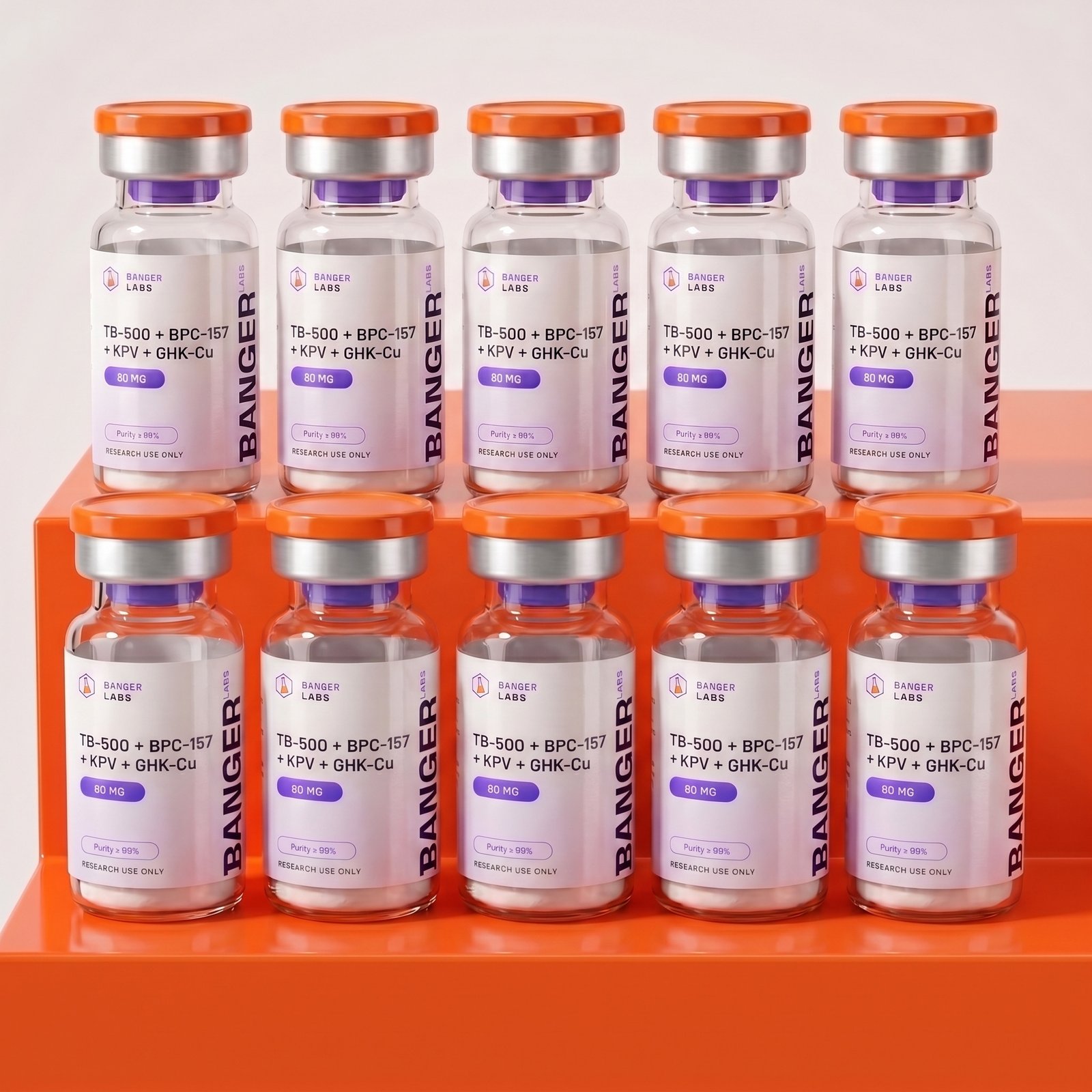 10 VIALS · 40% OFF
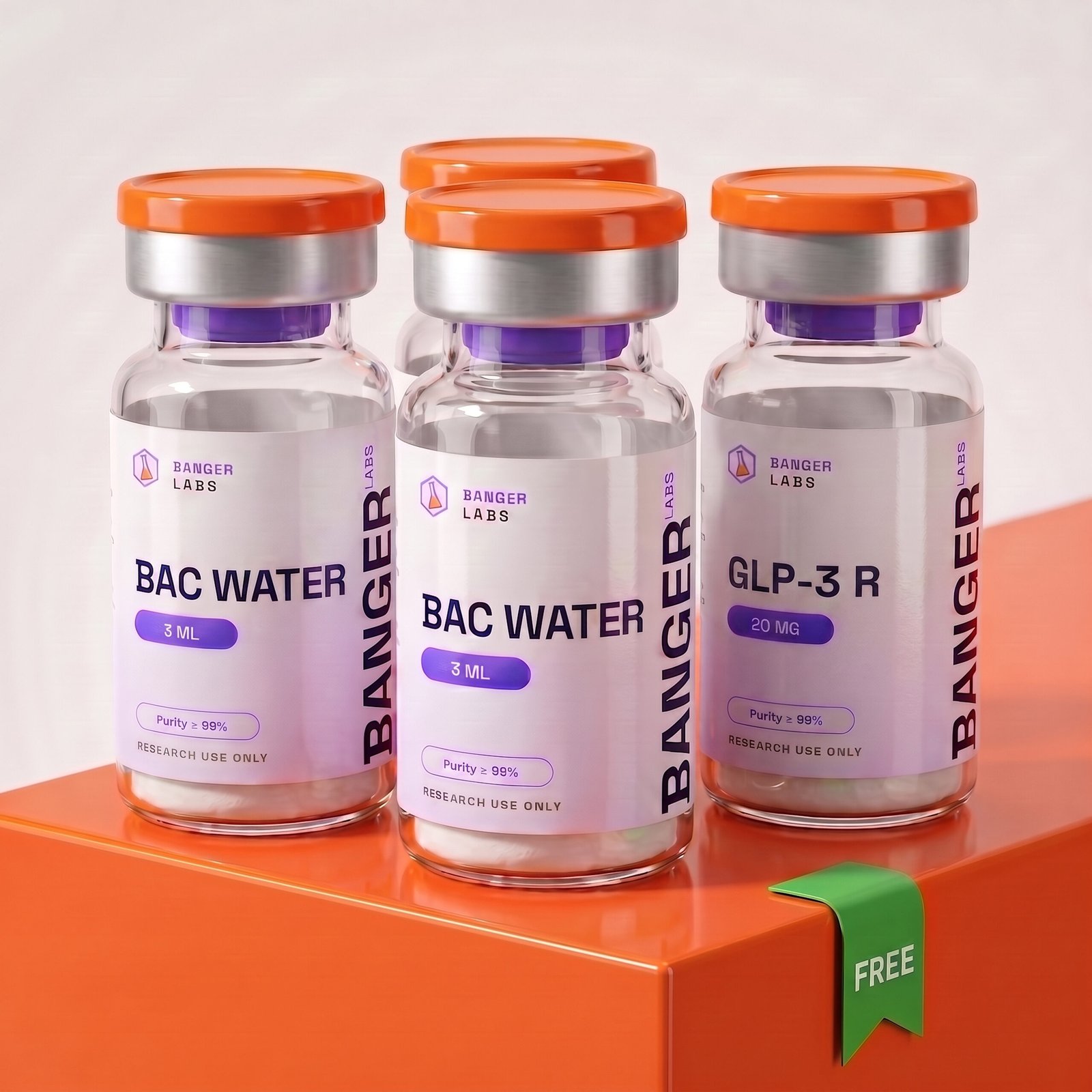 FREE
FREE- 3 Free 3ml BAC Water
- Free GLP-3 R 10mg vial
- Free Priority Shipping
Transparency
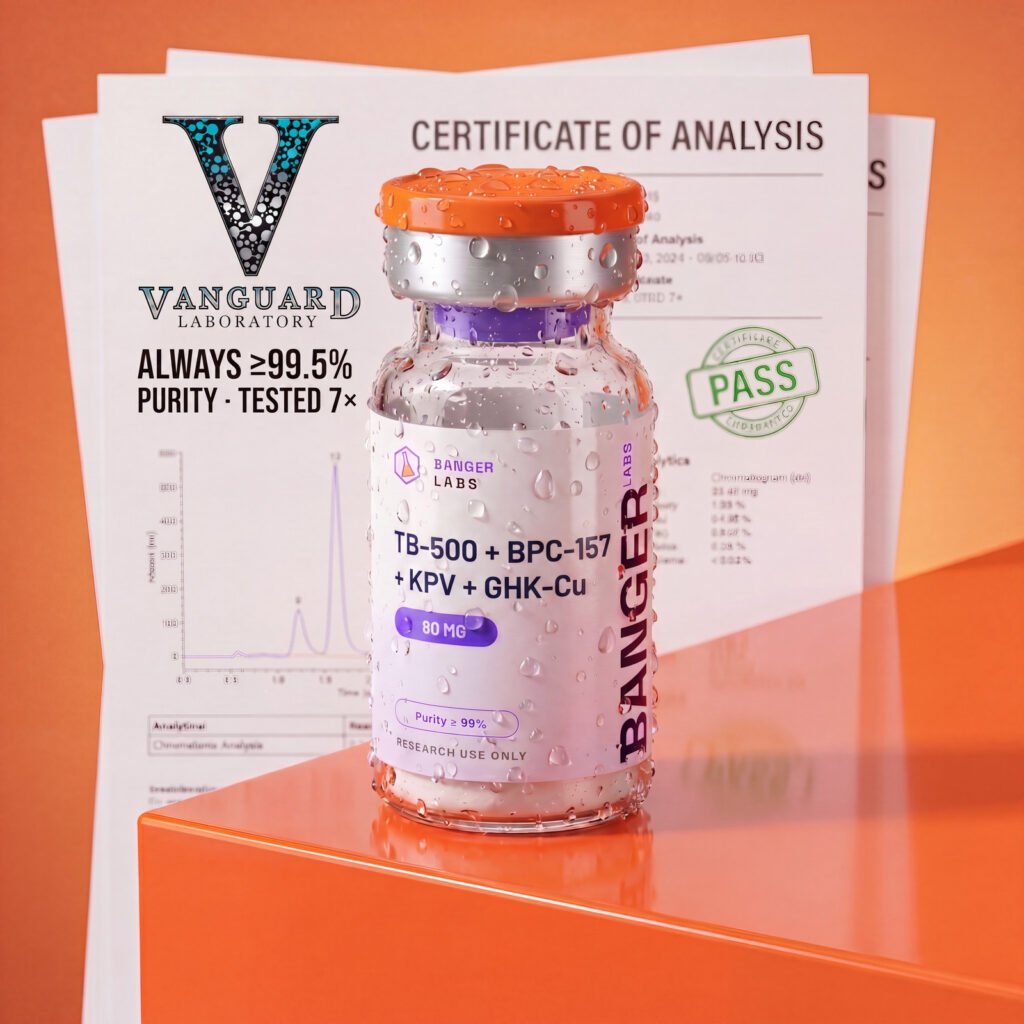
Certificate of Analysis
Every batch independently verified by third-party laboratories.
TB-500 + BPC-157 + KPV + GHK-Cu COA
All Banger Labs products are independently tested by accredited third-party laboratories. Results are batch-specific and provided for research transparency only. This product is not approved for human use.
Lab Verified
Every Dose, Independently Tested
Verified by Vanguard Laboratory — always ≥99.5% purity, tested 7×.
Support
Frequently Asked Questions
Everything you need to know about this product and your order.
Research Overview Cited research summary, handling & references — tap to expand
TB-500 + BPC-157 + KPV + GHK-Cu: A Research Compendium
What This Combination Is
This product combines four distinct research peptides, each with its own body of literature in the tissue-repair, anti-inflammatory and regenerative fields. TB-500 is a synthetic fragment of the actin-binding peptide Thymosin beta-4 (Tβ4), studied for wound healing and angiogenesis.[1] BPC-157 is a stable gastric pentadecapeptide studied for cytoprotection and angiogenesis.[3] KPV is the C-terminal tripeptide (Lys-Pro-Val) of alpha-melanocyte-stimulating hormone, studied for anti-inflammatory activity.[5] GHK-Cu is the copper-binding tripeptide glycyl-histidyl-lysine, studied in skin regeneration and gene modulation.[7] Each component is profiled separately below so its literature is represented accurately.
Areas Studied in the Research Literature
The themes below summarize the published literature for each component separately and are presented for scientific context only.
TB-500 — Repair & Actin
Thymosin beta-4, the parent of TB-500, is reviewed for its functions and applications in tissue repair,[1] and its defining actin-binding behavior has been detailed in mechanistic reviews.[2]
BPC-157 — Cytoprotection
BPC-157 is studied for regeneration and tissue repair,[3] including reported modulation of angiogenesis and the nitric-oxide system.[4]
KPV — Anti-Inflammatory
The melanocortin-derived tripeptide KPV has been reported to have anti-inflammatory potential in murine models of inflammatory bowel disease,[5] with later work on PepT1-mediated uptake of KPV in colitis models.[6]
GHK-Cu — Skin & Genes
GHK is studied as a natural modulator of multiple cellular pathways in skin regeneration,[7] with reviews on the regenerative and protective actions of GHK-Cu in light of gene-expression data.[8]
Shared Repair Theme
Although mechanistically distinct, all four components recur in the regeneration and tissue-repair literature, which is why they are studied together as a combination in research settings.[1]
Copper-Binding Distinction
GHK-Cu is unique among the four in carrying a bound copper(II) ion, which is integral to its proposed activity in skin and connective-tissue research.[8]
Reconstitution, Handling & Storage (Research)
General laboratory handling conventions for lyophilized research peptides, provided for research context only and not as directions for use in humans or animals.
Reconstitution
Each lyophilized peptide is typically dissolved with bacteriostatic or sterile water added slowly down the vial wall, then gently swirled until clear.
Handling
Peptides are generally kept cold during preparation and protected from light, oxidation and repeated temperature cycling; copper-bound GHK-Cu is handled to preserve its characteristic complex.
Storage
Lyophilized material is commonly stored frozen; reconstituted aqueous solutions are usually refrigerated and aliquoted to limit freeze–thaw cycles.
Stability & Half-Life Notes
The four components differ in size and chemistry — from the pentadecapeptide BPC-157 to the tripeptides KPV and GHK-Cu — but all are small peptides best kept cold and protected from oxidation in research handling.[2] GHK-Cu’s bound copper is central to its activity and is a specific handling consideration in its literature.[7]
Research Use Only — Not For Human Use
This material is sold strictly for laboratory and research purposes. It is not a drug, supplement, or medical product, and nothing in this overview constitutes medical advice or a claim of therapeutic benefit. It is not intended to diagnose, treat, cure, or prevent any disease and is not for human or veterinary use. The studies referenced here are cited solely to describe the scientific literature.
References
- Xing Y, et al. Progress on the Function and Application of Thymosin β4. Front Endocrinol (Lausanne). 2021. PMID: 34992578
- Ying Y, et al. Thymosin β4 and Actin: Binding Modes, Biological Functions and Clinical Applications. Curr Protein Pept Sci. 2023. PMID: 36464872
- Yuan C, et al. From Regeneration to Analgesia: The Role of BPC-157 in Tissue Repair and Pain Management. Int J Mol Sci. 2026. PMID: 41898733
- Sikiric P, et al. Stable Gastric Pentadecapeptide BPC 157 as a Therapy and Safety Key: ... Controlling and Modulating Angiogenesis and the NO-System. Pharmaceuticals (Basel). 2025. PMID: 40573323
- Kannengiesser K, et al. Melanocortin-derived tripeptide KPV has anti-inflammatory potential in murine models of inflammatory bowel disease. Inflamm Bowel Dis. 2008. PMID: 18092346
- Viennois E, et al. Critical role of PepT1 in promoting colitis-associated cancer and therapeutic benefits of the anti-inflammatory PepT1-mediated tripeptide KPV in a murine model. Cell Mol Gastroenterol Hepatol. 2016. PMID: 27458604
- Pickart L, et al. GHK Peptide as a Natural Modulator of Multiple Cellular Pathways in Skin Regeneration. Biomed Res Int. 2015. PMID: 26236730
- Pickart L, et al. Regenerative and Protective Actions of the GHK-Cu Peptide in the Light of the New Gene Data. Int J Mol Sci. 2018. PMID: 29986520
Scientific References
Explore the published research literature on TB-500. We link directly to independent, primary sources — we don't summarize or interpret findings. For research use only.
Links open external databases (pubmed.ncbi.nlm.nih.gov · clinicaltrials.gov). Banger Labs is not affiliated with these sources. For research use only — not medical advice.
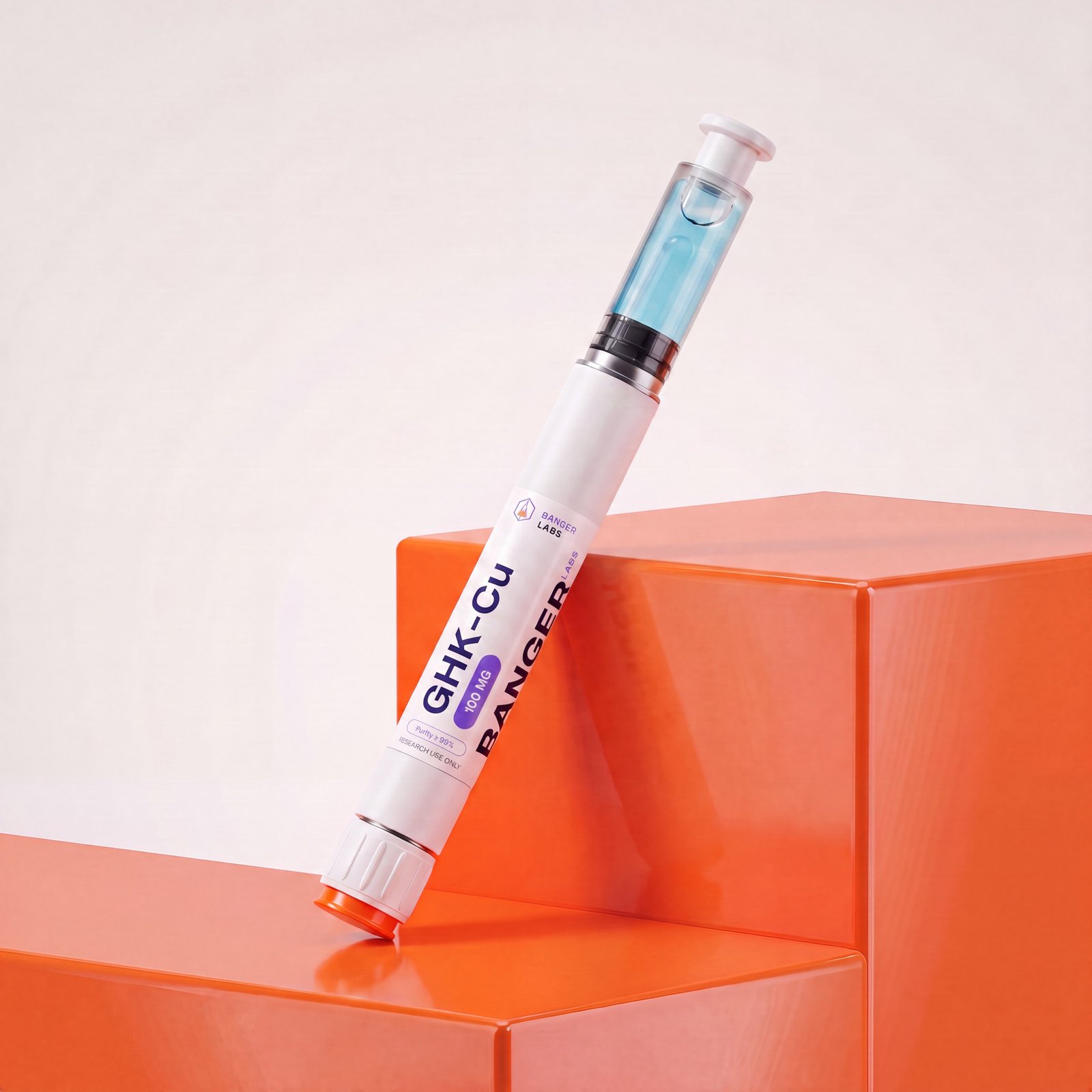
Certificate of Analysis
TB-500 + BPC-157 + KPV + GHK-Cu · ≥99.4% purity (HPLC)