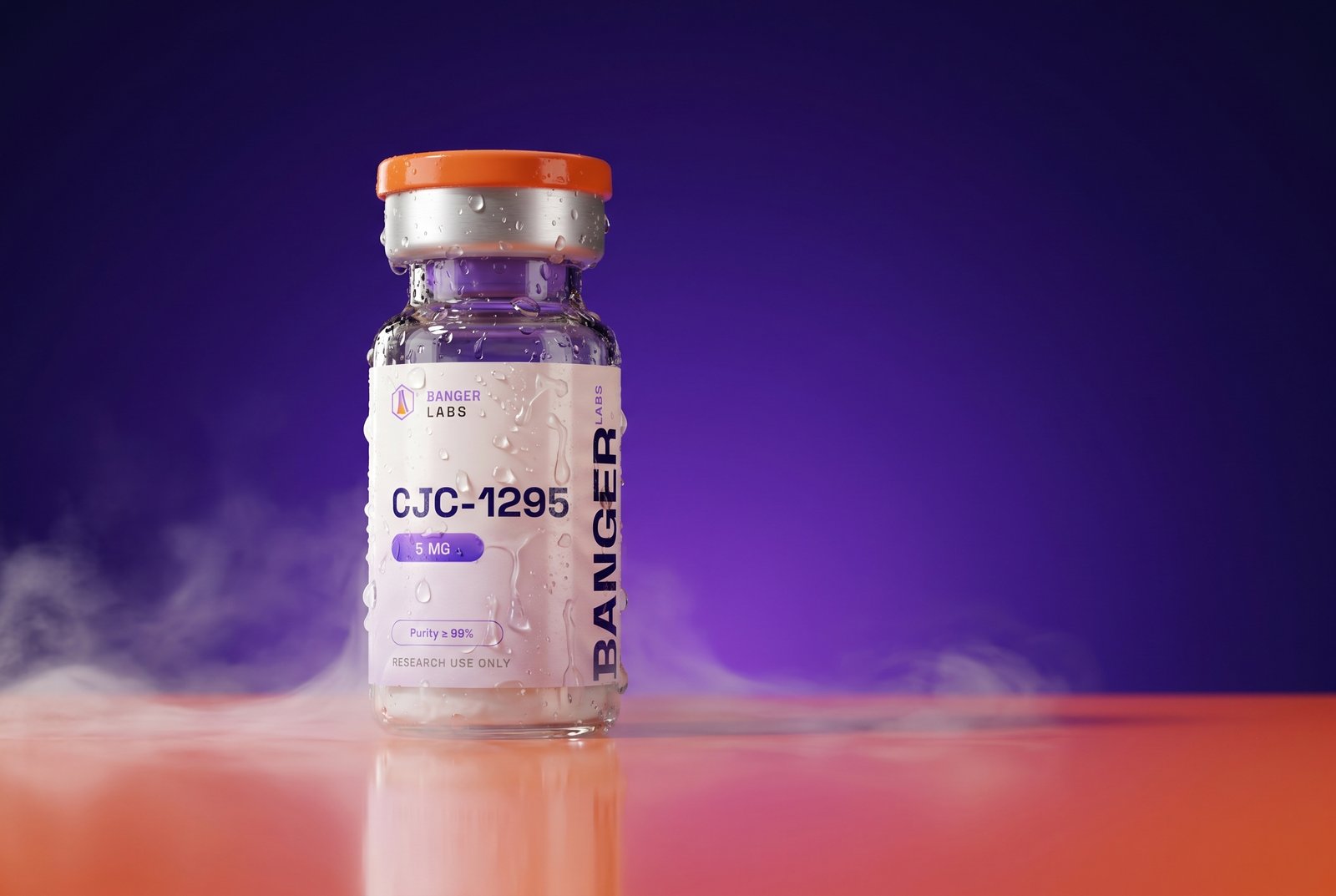
Every research peptide looks identical in the vial — a few milligrams of white lyophilized powder that could be 99% pure target compound or a poorly characterized mix of truncated fragments, residual solvents, and counter-ions. The label tells you nothing. The price tells you less. What actually separates a supplier you can build reproducible experiments around from one that will quietly contaminate your data is documentation and process: who tested the material, against what batch, with what methods, and whether the vendor can prove any of it on demand. This guide is a candid, checklist-driven walkthrough of how to evaluate a research peptide supplier — the questions to ask, the documents to demand, the red flags that should end the conversation, and an honest look at how a rigorous vendor measures up. Everything below assumes lab-use evaluation of materials sold strictly for research use only — not for human consumption.
Why supplier choice is a data-integrity decision, not a shopping decision
In bench research, the peptide is a reagent — and an uncharacterized reagent is a confound. If you cannot state the identity, purity, and content of the material you dosed into a cell line or animal model, you cannot attribute your results to the peptide rather than to an impurity, the wrong sequence, or a vial that was 40% mannitol bulking agent. Supplier vetting is therefore upstream quality control for your entire experiment, not a procurement formality.
The practical problem is that the research peptide market is lightly regulated relative to GMP pharmaceuticals. Vendors range from contract-manufacturing resellers with real analytical pipelines to drop-shippers who never physically touch the product. Two vendors can sell a vial labeled “CJC-1295” where one provides a batch-matched analytical certificate and the other provides nothing but a stock photo. Your job as a buyer is to force that difference into the open before you spend money or run an assay.
The core vendor evaluation checklist
Work through these in order. A vendor that fails an early item rarely redeems itself on the later ones — testing and documentation are the load-bearing items, and everything after is hygiene.
- Third-party analytical testing. Is identity and purity confirmed by an independent lab, not just the manufacturer’s word? Independent confirmation is the single strongest signal.
- Per-batch Certificate of Analysis. Does each lot ship with — or have available — a CoA that matches the batch number on your vial, rather than one generic CoA reused across every order?
- Method transparency. Does the CoA name the methods (HPLC for purity, MS for identity) and report actual numbers, not just a “≥98%” stamp with no chromatogram?
- Storage and cold-chain handling. Are products lyophilized, stored cold, and shipped in a way that protects a peptide that may degrade at ambient temperature?
- RUO compliance and labeling. Is the material clearly sold and labeled for research use only, with no dosing instructions or human-use claims?
- Payment and shipping legitimacy. Are payment methods, return policy, and shipping origin consistent with a real US-based business?
- Reputation and traceability. Can you find a real company behind the storefront, a consistent address, responsive support, and a documented testing track record?
The rest of this article expands the items that carry the most weight — testing, CoAs, cold-chain, RUO, and payment — and ends with the red flags that should override everything else.
Third-party testing: the difference between a claim and a measurement
Any vendor can print “99% pure” on a product page. A measurement is different: it is a number produced by an instrument, run on a specific sample, by a lab whose name you can check. The gold standard is independent third-party testing, where a lab with no stake in the sale runs the analysis. This matters because a manufacturer reporting on its own product has an incentive the third party doesn’t.
What the two key assays actually tell you
- Reversed-phase HPLC (purity) separates the target peptide from truncated sequences, deletion variants, and process impurities, and reports purity as a percentage of total peak area. This is your impurity readout.
- Mass spectrometry (identity) measures the molecular weight of the material and confirms it matches the theoretical mass of the intended sequence. This is how you know the vial actually contains the peptide on the label and not a similarly-named or mis-synthesized compound.
- Other assays — peptide content/net peptide (vs. salt and water), residual solvents, endotoxin, and acetate counter-ion content — add resolution but are secondary to HPLC + MS.
The CoA — and why it must be per batch
A Certificate of Analysis is the document that ties a specific production lot to its test results. The critical word is specific. Peptide synthesis is batch-based; purity and impurity profiles vary between batches even for the same sequence from the same manufacturer. A CoA that doesn’t reference the batch number on your vial is describing a different sample than the one you received — which makes it decorative, not evidential.
What a usable CoA contains
| Field | Why it matters | Red flag if missing |
|---|---|---|
| Product name + sequence | Confirms what was tested is what you ordered | Generic name only, no sequence |
| Batch / lot number | Ties the document to YOUR vial | No batch number, or one that doesn’t match the vial |
| HPLC purity (%) + chromatogram | The actual impurity measurement | A bare percentage with no trace |
| MS identity + observed mass | Confirms correct molecule | No mass data at all |
| Test date / method | Shows it’s current and reproducible | Undated or method unstated |
| Testing lab / signatory | Accountability and traceability | Anonymous or unsigned |
If reading these documents is new to you, our walkthrough on how to read a peptide CoA breaks down each field and what a clean chromatogram versus a problematic one looks like. You can also browse current per-batch certificates on our CoA page to see what “batch-matched” looks like in practice.
A generic CoA reused across every order is the most common — and most overlooked — red flag in the entire category.
Cold-chain, storage, and how the material arrives
Analytical purity at the factory is necessary but not sufficient — the material also has to survive the trip to your bench. Most research peptides ship lyophilized (freeze-dried), which is the stable form: as a dry powder, many peptides tolerate brief ambient exposure during transit and are stored frozen long-term. The fragile state is after reconstitution, when peptides in solution are vulnerable to hydrolysis, oxidation, aggregation, and freeze-thaw damage.
- Lyophilized on arrival. Powder, not pre-mixed solution. A vendor shipping ready-to-use liquid has made a stability tradeoff you didn’t agree to.
- Cold storage upstream. Long-term inventory held frozen (commonly −20 °C or colder), not on a warm shelf.
- Reasonable transit protection for heat-sensitive items, and clear storage guidance on the product or CoA.
- Intact, sealed vials with consistent fill and no obvious caking or discoloration on arrival.
Handling once it reaches you is your responsibility, and small mistakes undo good sourcing. Our guides on lyophilized vs. reconstituted peptides and reconstitution and storage cover bacteriostatic diluent choice, aliquoting to avoid repeated freeze-thaw, and realistic in-solution shelf life — all of which protect the purity you paid for.
RUO compliance: what a legitimate vendor will and won’t say
“Research use only” (RUO) is not a marketing flourish — it is a legal and labeling boundary. A compliant supplier sells peptides as laboratory reagents and conspicuously avoids anything that frames them as products for human use. This is partly self-protection for the vendor, but it’s also a useful filter for you: vendors that respect the RUO line tend to be the same vendors that invest in testing and documentation, because both reflect a serious, above-board operation.
Signals of a compliant operation
- Materials are explicitly labeled and described for research use only — not for human consumption.
- No human dosing protocols, no “how to cycle/stack,” no therapeutic, medical, or weight-loss claims on product pages.
- Mechanistic and study information is attributed to preclinical, in-vitro, or animal literature and labeled as such — not presented as treatment advice.
- A clear research disclaimer and terms of sale are easy to find, not buried.
If you want the full picture of what this designation does and doesn’t permit, see what “research use only” means. Paradoxically, a vendor making bold human-benefit claims is showing you they’re willing to ignore rules — which should lower, not raise, your confidence in their CoAs.
Payment, shipping, and operational red flags
Once testing and documentation check out, evaluate the business itself. Many of the worst experiences in this category aren’t about purity at all — they’re about vendors that take an order and vanish, or that operate in ways no legitimate US business would.
Red flags — any single one warrants caution; several together is a stop
- No CoA available, or a generic CoA reused for every product/batch. The cardinal sign of a reseller who never tests.
- Refuses to name its testing lab or share methods. Hiding the most basic quality question.
- Crypto-only or wire-only payment with no recourse, combined with no verifiable company identity.
- No physical address, no responsive support, or contact details that don’t resolve to a real entity.
- Human dosing instructions or therapeutic claims — both a compliance failure and a credibility tell.
- Prices far below the market floor for a properly synthesized, tested peptide (real HPLC/MS testing costs money; impossibly cheap usually means untested).
- Pre-reconstituted “ready to use” vials sold as the default, ignoring stability best practice.
- Inconsistent or stolen product photography, sequence errors, or molecular weights that don’t match the named peptide.
Green flags worth paying for
- Per-batch CoAs with HPLC chromatograms and MS data, available before or with purchase.
- Independent third-party testing the vendor will discuss openly.
- Standard, traceable payment options and a clear refund/replacement policy.
- US-based fulfillment, responsive support, and a transparent company identity.
- Honest RUO framing with study claims attributed to the literature.
How a rigorous supplier measures up — and how to apply this
Use the checklist as a scoring rubric, not a vibe check. Pull a CoA for a product you’re considering, confirm the batch number matches what you’d receive, read the HPLC purity and MS identity off the document, and ask support a direct testing question. A serious vendor passes all of that without friction; a drop-shipper falls apart at the first request for batch-matched data.
Banger Labs is built around exactly these items: per-batch Certificates of Analysis with HPLC purity and mass-spec identity, materials sold strictly for research use only, lyophilized product with storage guidance, and US-based fulfillment. We’ve written up our own answer to the question buyers ask first in is Banger Labs legit, and you can pressure-test the claims against our published CoAs. Apply the same standard to every vendor you evaluate, including us.
When you’re ready to look at specific compounds, our catalog is organized so you can match a peptide to a research area: fragments & copper peptides, receptor agonists, secretagogues — which includes growth-hormone-axis research peptides like CJC-1295 (DAC) — and specialty compounds. Whatever you choose, let the documentation decide.
Common questions
What is the single most important thing to check before buying from a research peptide supplier?
A batch-specific Certificate of Analysis. It must reference the exact lot number you’ll receive and report HPLC purity (with a chromatogram) and mass-spec identity. A generic CoA reused across all orders, or no CoA at all, is the strongest signal to walk away — it usually means the vendor never tests the material it sells.
Why does the CoA need to match my specific batch instead of just the product?
Peptides are made in discrete synthesis batches, and purity and impurity profiles vary between batches even for the same sequence from the same manufacturer. A CoA tied to a different lot describes a different sample than the one in your vial, so it can’t tell you what you actually received. Always confirm the batch number on the document matches the batch number on the vial.
Is third-party testing really better than the manufacturer’s own testing?
Independent third-party testing is the stronger signal because the lab has no stake in the sale. Manufacturer testing isn’t worthless — many reputable operations test in-house competently — but a vendor that uses or can name an independent lab, and will discuss its methods openly, removes the conflict of interest. The real red flag is a vendor that won’t say who tested the material at all.
Should research peptides ship as powder or pre-mixed solution?
As lyophilized (freeze-dried) powder. The dry form is far more stable and tolerates brief transit better, whereas peptides in solution are vulnerable to hydrolysis, oxidation, aggregation, and freeze-thaw degradation. A vendor shipping pre-reconstituted liquid as the default has made a stability tradeoff that can compromise the material before it reaches your bench.
Are extremely low prices a reliable warning sign?
Often, yes. Proper solid-phase synthesis plus real HPLC and mass-spec characterization has a genuine cost floor. Prices well below that floor frequently indicate untested material, a drop-shipper who never handles the product, or low-purity synthesis. Price shouldn’t be your primary filter in either direction — but a price that seems too good usually reflects a quality or documentation shortcut.
Related research reading
References
- U.S. Food and Drug Administration — Research Use Only / Investigational Use Only IVD products labeling guidance: https://www.fda.gov/regulatory-information/search-fda-guidance-documents/distribution-vitro-diagnostic-products-labeled-research-use-only-or-investigational-use-only
- National Center for Biotechnology Information (NCBI) / PubChem — compound identity, molecular weight, and structure records for peptides: https://pubchem.ncbi.nlm.nih.gov
- Mant CT, Hodges RS, et al. — Reversed-phase high-performance liquid chromatography of peptides: principles and applications for purity analysis. Journal of Chromatography A (review literature on RP-HPLC peptide analysis).
- U.S. Pharmacopeia (USP) — General chapters on peptide identity, purity, and impurity testing for synthetic peptides (analytical method principles): https://www.usp.org
Banger Labs supplies materials for laboratory and research use only. Not for human consumption. Not intended to diagnose, treat, cure, or prevent any disease. Statements have not been evaluated by the FDA.
Shop research peptides
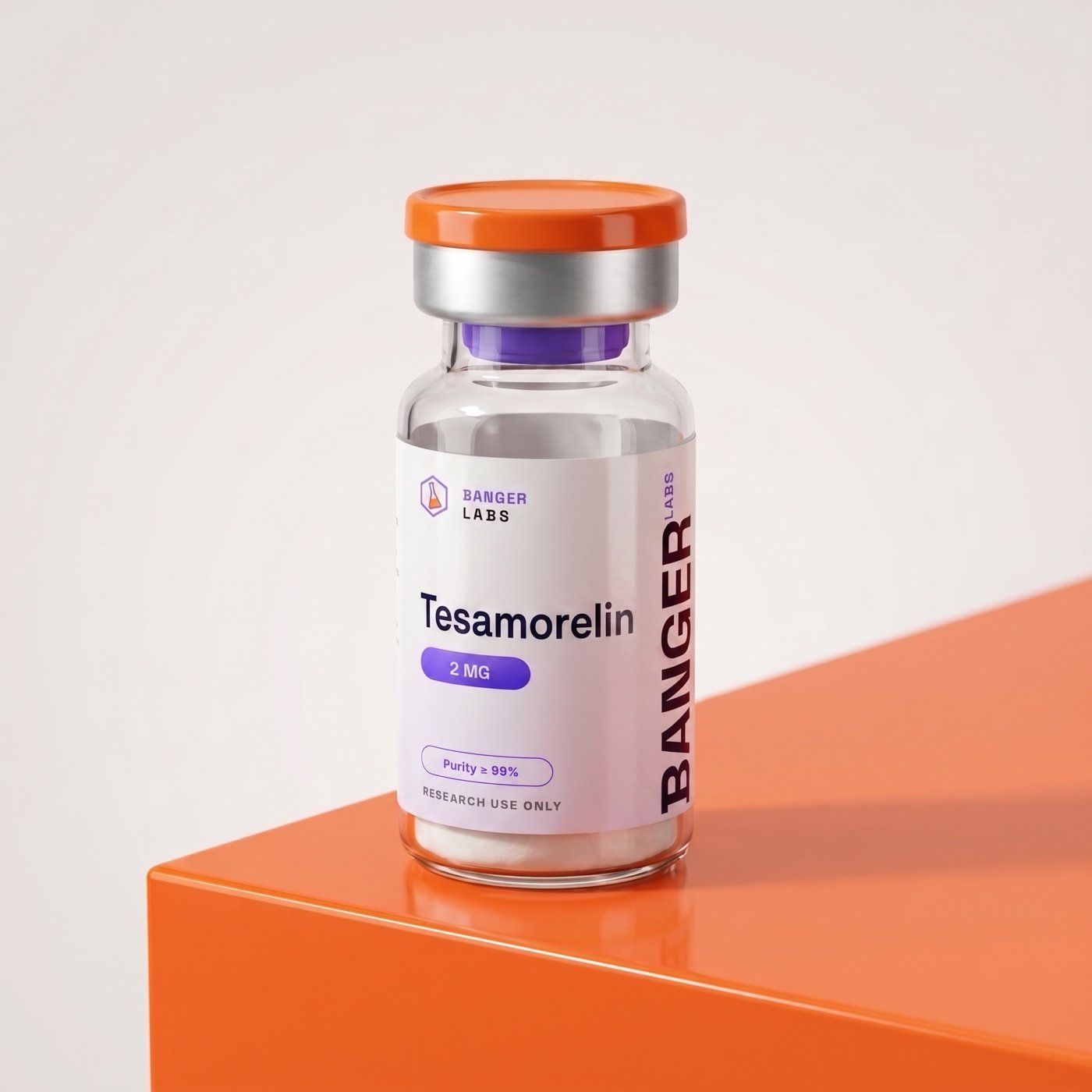
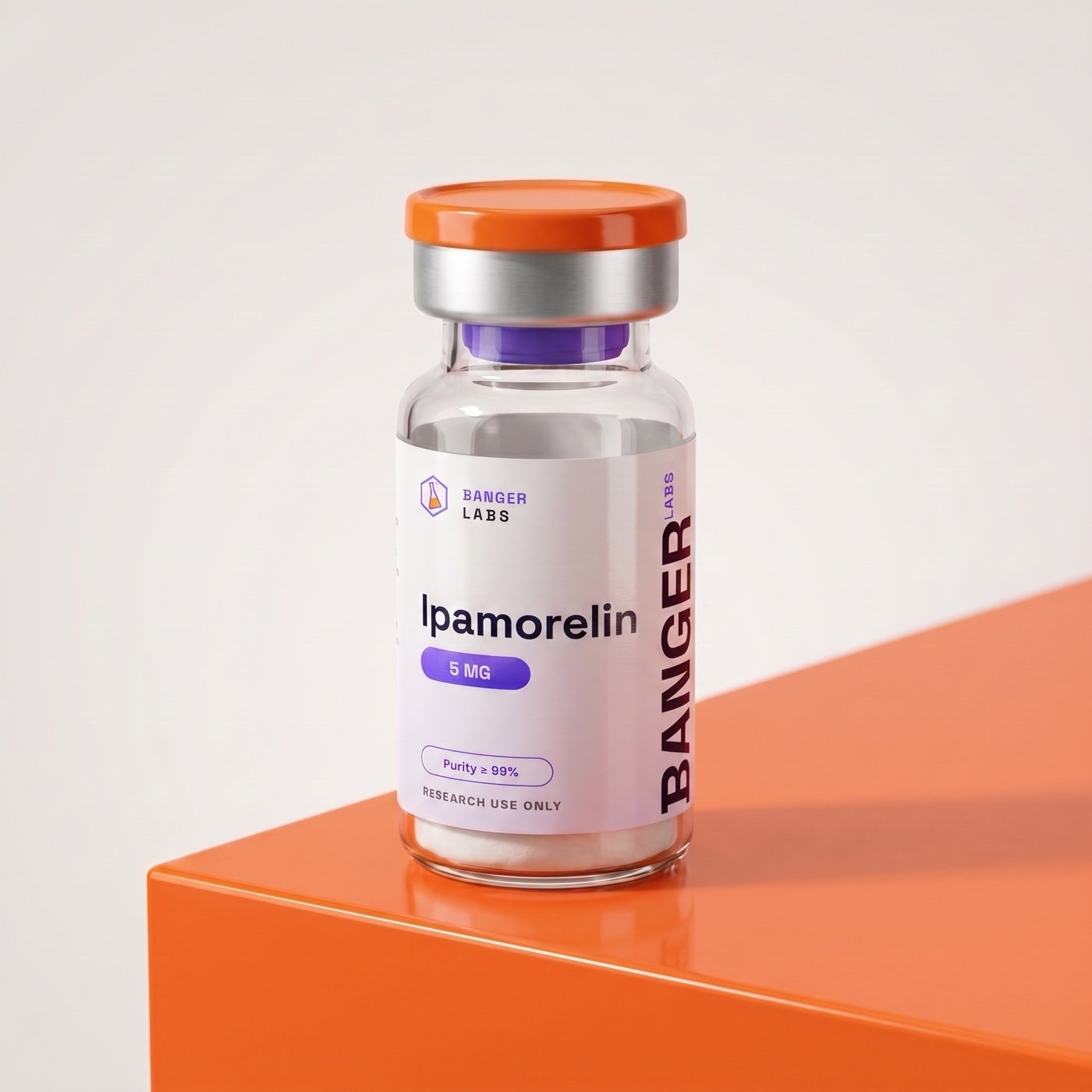
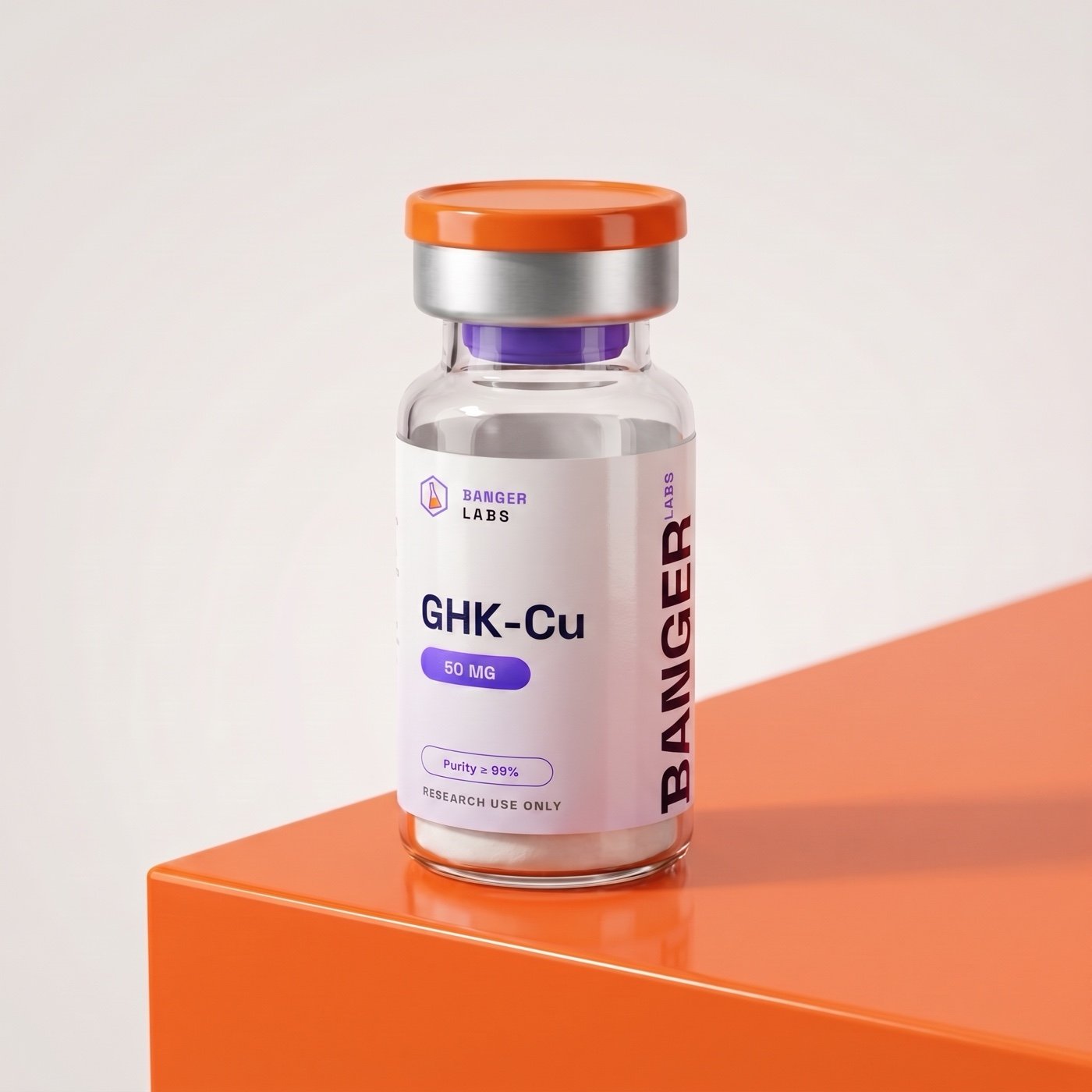
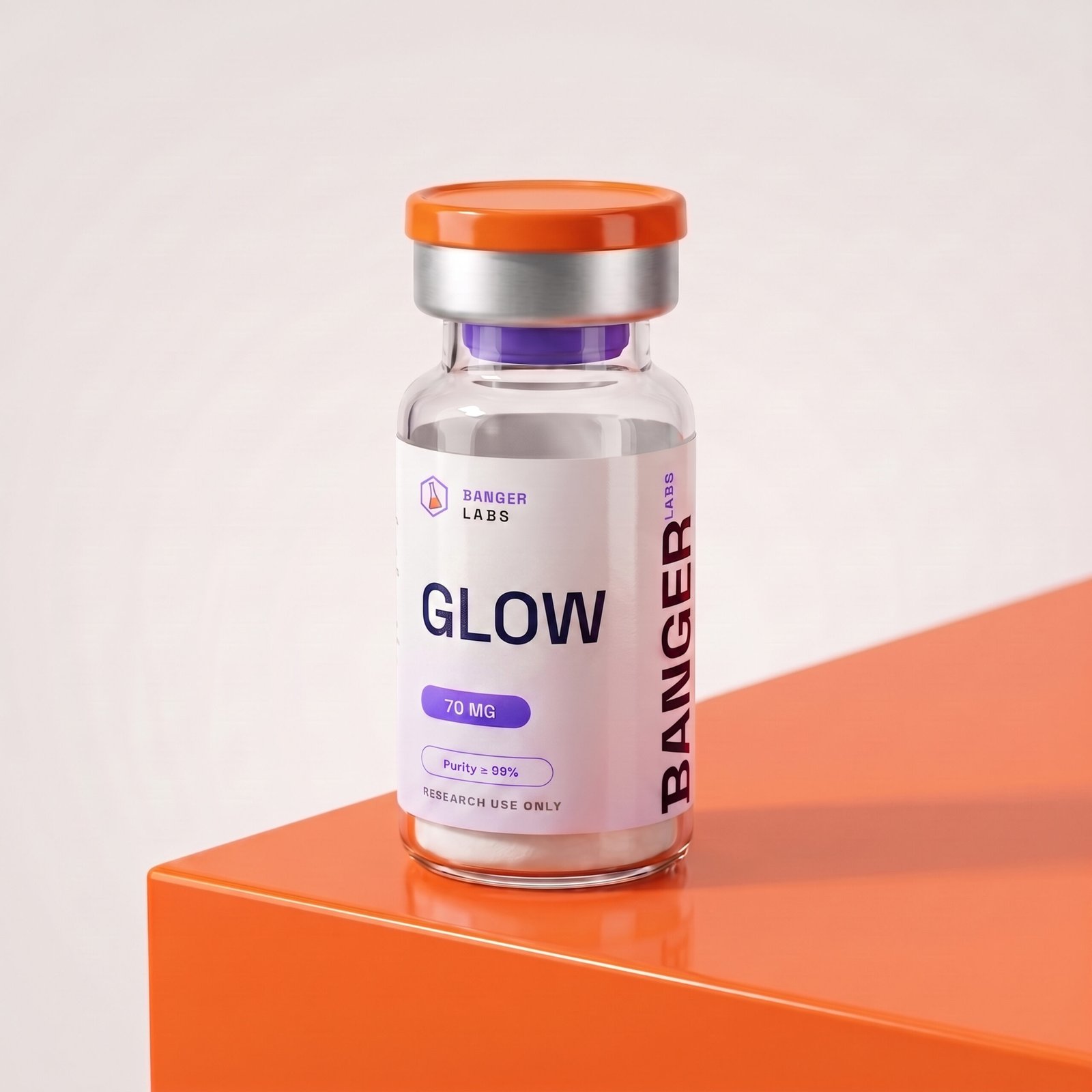
Research-grade, ≥ 99% HPLC standard, COA per batch:
- Is Banger Labs Legit? An Honest Look →
- Testing & Quality Standards: How Banger Labs Verifies Every Batch →
- What “Research Use Only” Actually Means for Peptides →
Browse the full Research Library →
For research use only. Not for human or veterinary use. Not a drug, food, or cosmetic.