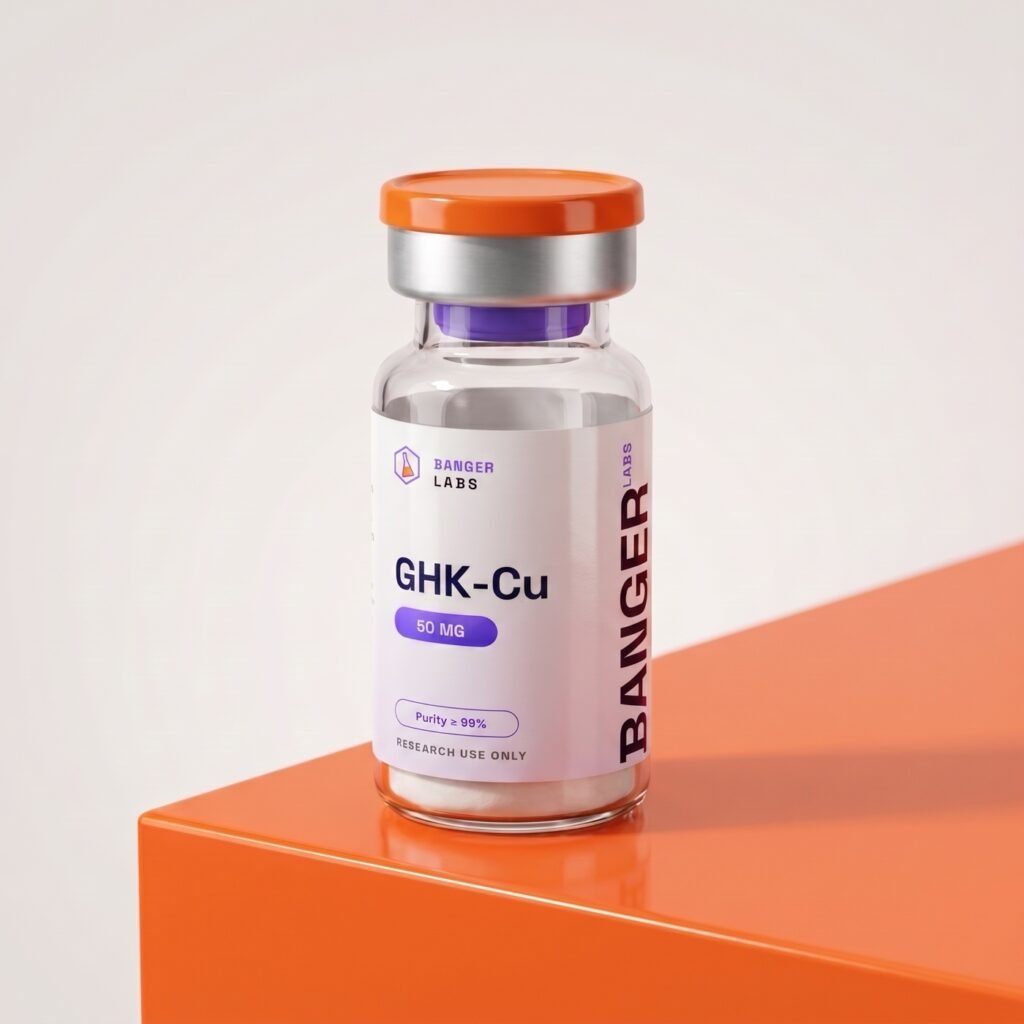
 For Research Use Only
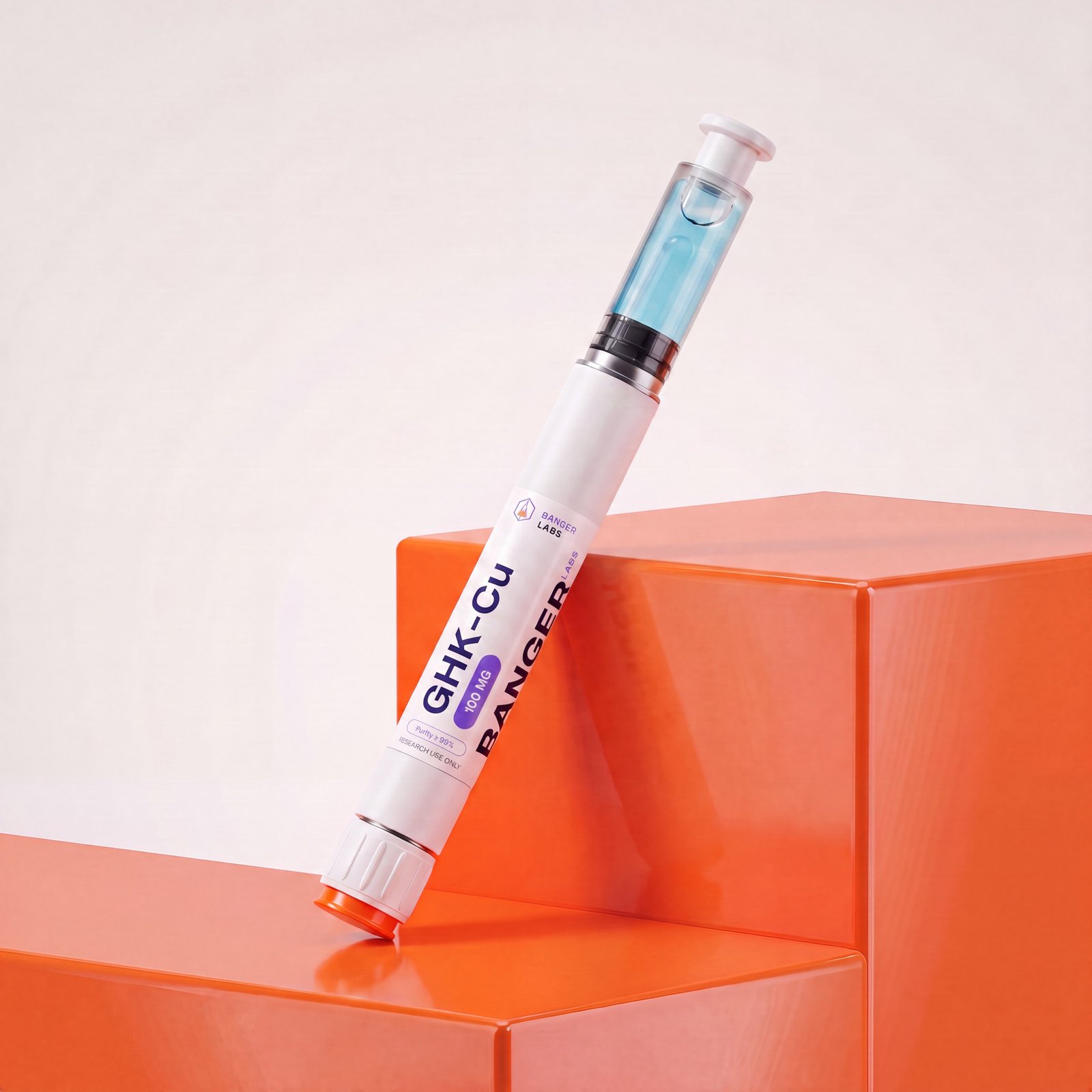
GHK-Cu
GHK-Cu — research-grade peptide. ≥ 99% purity (HPLC), Certificate of Analysis with every batch. For laboratory research use only.
 + 1 Free 3ml BAC Water
+ 2 Free 3ml BAC Water
+ 1 Free 3ml BAC Water
+ 2 Free 3ml BAC Water
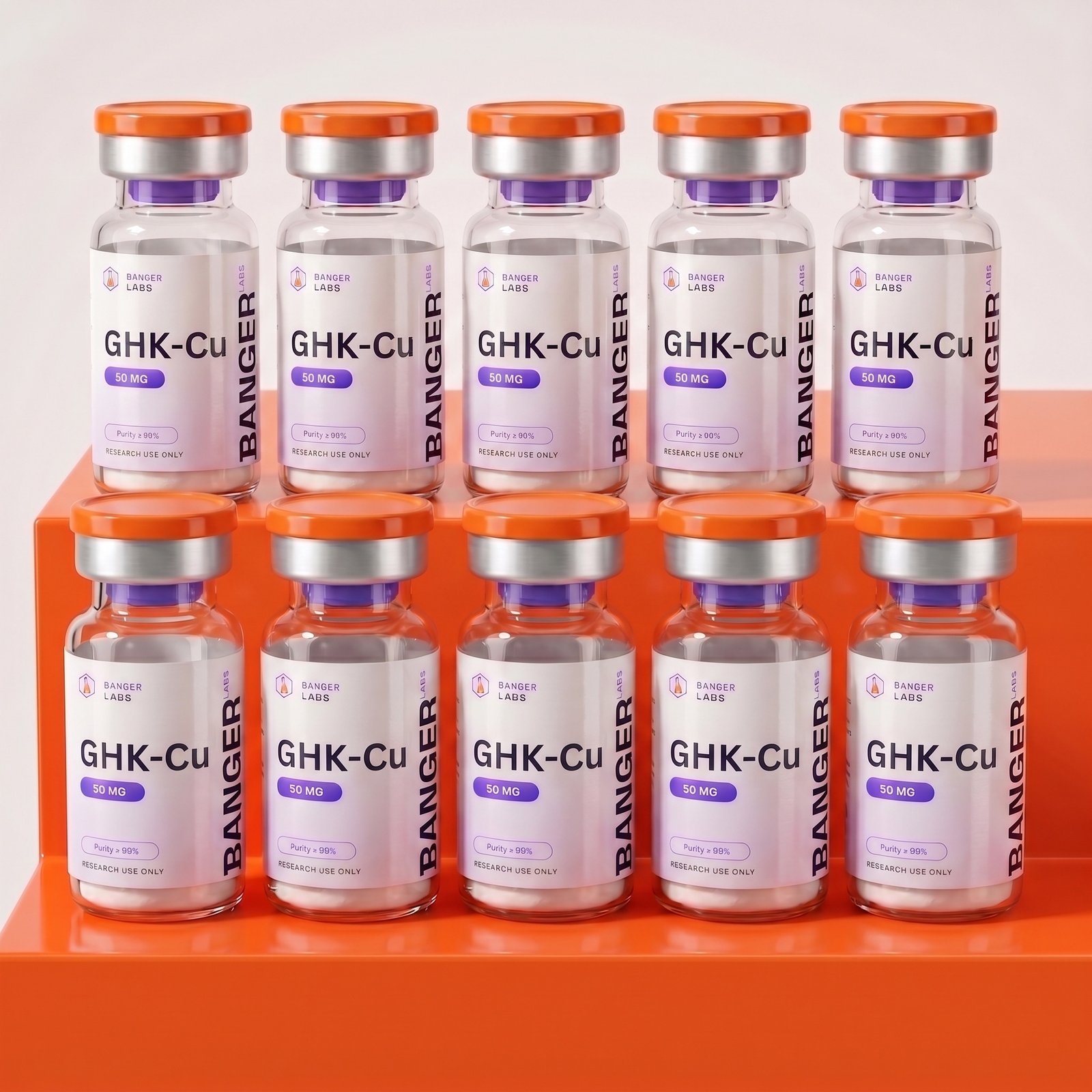 10 VIALS · 40% OFF
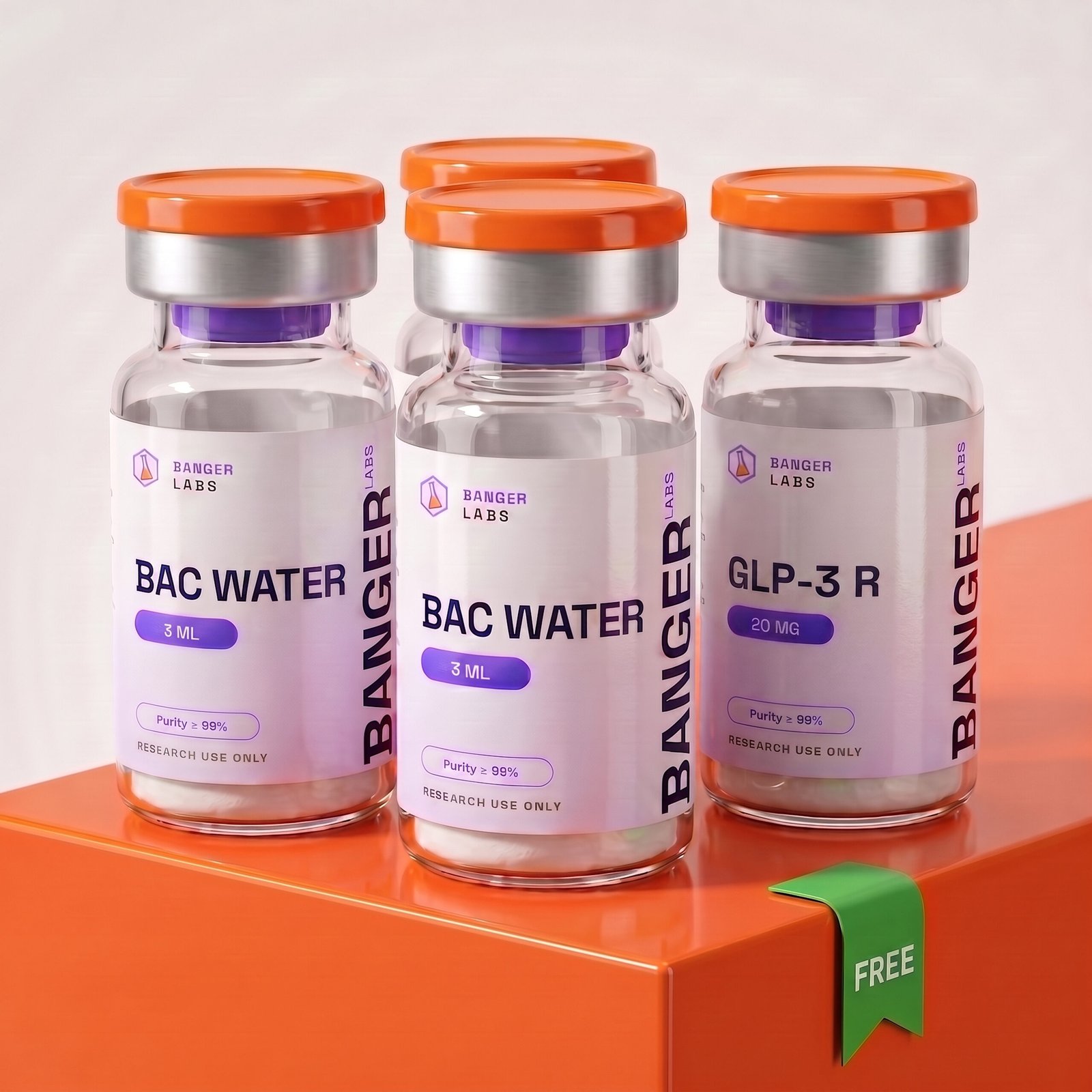 FREE
FREE- 3 Free 3ml BAC Water
- Free GLP-3 R 10mg vial
- Free Priority Shipping
Transparency
Certificate of Analysis
Every batch independently verified by third-party laboratories.
GHK-Cu COA
All Banger Labs products are independently tested by accredited third-party laboratories. Results are batch-specific and provided for research transparency only. This product is not approved for human use.
Lab Verified
Every Dose, Independently Tested
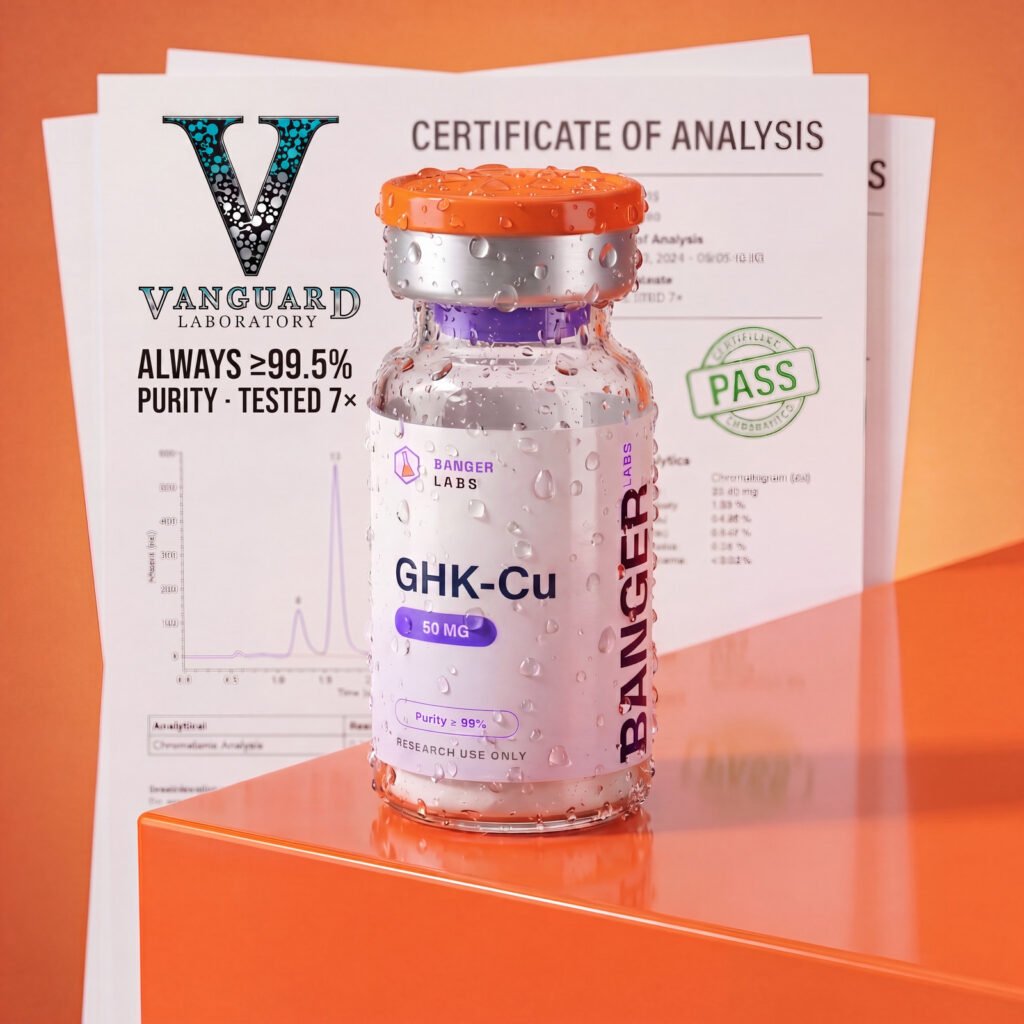
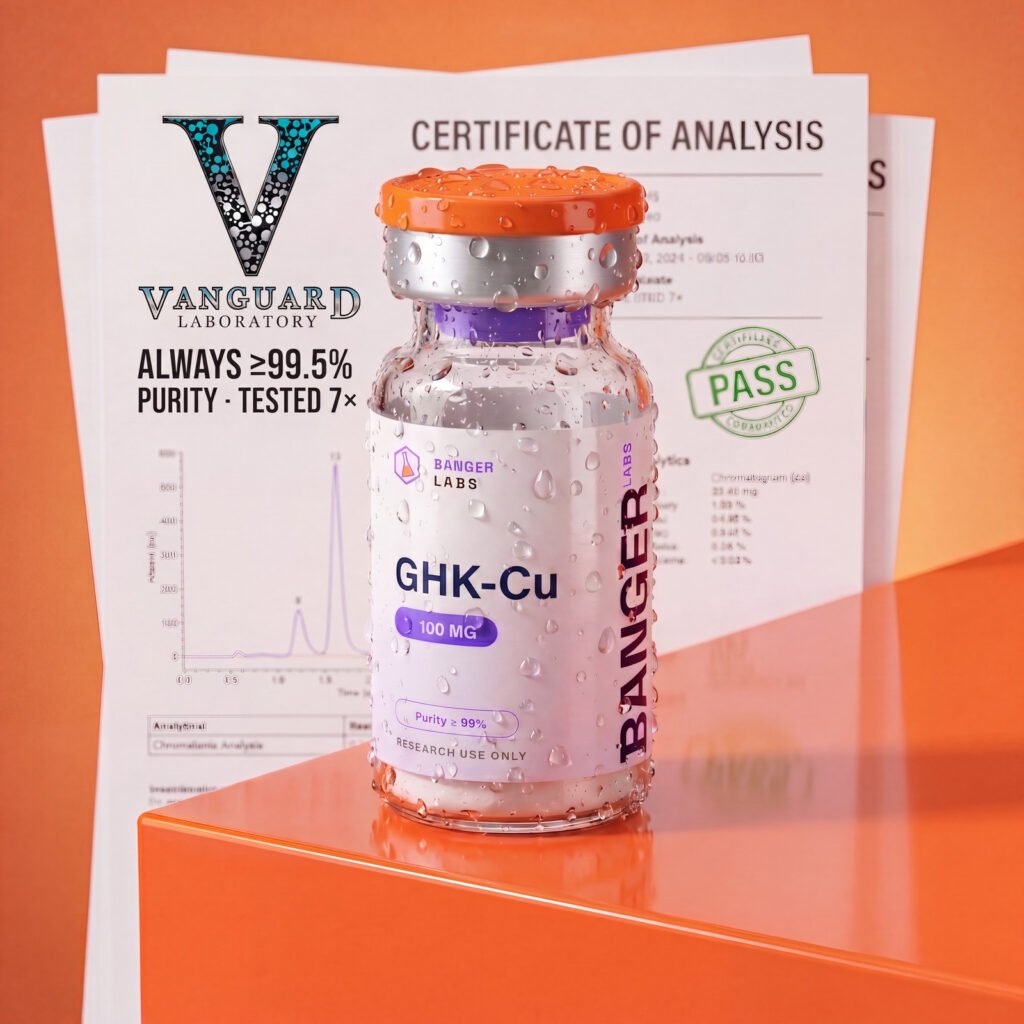
Verified by Vanguard Laboratory — always ≥99.5% purity, tested 7×. Swipe to view your selected dose.
Support
Frequently Asked Questions
Everything you need to know about this product and your order.
Research Overview Cited research summary, handling & references — tap to expand
GHK-Cu (Copper Tripeptide-1): A Research Compendium
What GHK-Cu Is
GHK-Cu is the copper(II) complex of the human tripeptide glycyl-L-histidyl-L-lysine (GHK), a small endogenous sequence first described in human plasma and later studied across many tissue and culture systems. The peptide has a high affinity for copper ions, and the resulting GHK-Cu complex is the form most frequently investigated in the regenerative and cosmetic-science literature.[1] Reviews characterize GHK and GHK-Cu as modulators of multiple cellular pathways, with reported relevance to tissue remodeling and skin biology in experimental settings.[2] In research, GHK-Cu is handled exclusively as a laboratory reference material; the summaries below describe directions explored in peer-reviewed publications and are not statements about results in humans.
Areas Studied in the Research Literature
The themes below recur across the published GHK / GHK-Cu literature. They are provided to orient researchers and imply no clinical benefit, safety, or efficacy in any species.
Copper Coordination Chemistry
GHK's defining biochemical feature is its capacity to bind copper(II), forming the GHK-Cu complex that is central to most published investigations and to its use in early culture-system studies.[1]
Skin Regeneration Pathways
Review-level work has framed GHK as a natural modulator of multiple cellular pathways implicated in skin regeneration, summarizing a large body of in vitro observation.[2]
Gene-Expression Profiling
Analyses of gene-expression data have been used to revisit the regenerative and protective actions attributed to GHK-Cu, situating the peptide within transcriptomic research.[3]
Tissue Remodeling
The peptide has been examined in the context of tissue remodeling, a recurring theme in the biomaterials and dermatology literature.[4]
Oxidative Stress & Aging Models
GHK-Cu has been discussed in relation to oxidative stress and degenerative conditions of aging in review work, including hypotheses extending to cognitive health.[5]
Anti-Aging Peptide Research
The broader potential of GHK as an anti-aging peptide has been reviewed, mapping where the field has proposed continued study.[6]
Biomaterials & Delivery Systems
GHK has been incorporated into biomaterial scaffolds, with work on oxidized alginate hydrogels and mesenchymal stem cell osteogenesis as one example of delivery-focused research.[7] Skin-permeation methodology for liposome-encapsulated GHK-Cu has likewise been investigated.[8]
Reconstitution, Handling & Storage (Research)
The following describes generally accepted laboratory handling practices for lyophilized research peptides. It is general technical guidance for trained personnel and is not a protocol for any use in humans or animals.
Before Opening
Lyophilized material is typically kept sealed and cold until use; equilibrating a sealed vial toward room temperature before opening helps limit condensation onto the powder.
Reconstitution
Copper-peptide complexes are colored in solution, and researchers commonly reconstitute with a suitable sterile diluent added slowly down the vial wall, swirling gently rather than shaking to limit mechanical stress.
Storage After Reconstitution
Solutions are generally stored refrigerated and protected from light, with handling minimized; aliquoting reduces repeated temperature cycling of a working stock.
Freeze–Thaw
Repeated freeze–thaw cycles are widely regarded as a degradation risk for peptide solutions, so single-use aliquots are a common practice for longer-term storage.
Stability & Half-Life Notes
As a small copper-binding tripeptide, GHK-Cu is generally treated as sensitive to oxidative, enzymatic, and physical degradation in solution, which underlies the standard emphasis on cold storage, protection from light, and avoidance of repeated freeze–thaw cycles. The copper component also makes formulation and pH relevant to stability. Specific stability characteristics should be assessed empirically for any given preparation rather than assumed from general peptide behavior.
Research Use Only — Not For Human Use
This product is sold strictly as a research-use-only (RUO) reference material intended for in vitro experimentation and laboratory study by qualified professionals. It is not a drug, dietary supplement, cosmetic, or food, and it is not intended to diagnose, treat, cure, or prevent any disease or condition. It is not for human or veterinary use and must not be administered to humans or animals. The summaries above describe published scientific investigation only and make no claim of safety or efficacy. Purchasers are responsible for handling, storing, and disposing of this material in accordance with all applicable laws, regulations, and institutional policies.
References
- Pickart L, et al. The use of glycylhistidyllysine in culture systems. In Vitro. 1981. PMID: 7021400
- Pickart L, et al. GHK Peptide as a Natural Modulator of Multiple Cellular Pathways in Skin Regeneration. Biomed Res Int. 2015. PMID: 26236730
- Pickart L, et al. Regenerative and Protective Actions of the GHK-Cu Peptide in the Light of the New Gene Data. Int J Mol Sci. 2018. PMID: 29986520
- Pickart L, et al. The human tri-peptide GHK and tissue remodeling. J Biomater Sci Polym Ed. 2008. PMID: 18644225
- Pickart L, et al. The human tripeptide GHK-Cu in prevention of oxidative stress and degenerative conditions of aging: implications for cognitive health. Oxid Med Cell Longev. 2012. PMID: 22666519
- Dou Y, et al. The potential of GHK as an anti-aging peptide. Aging Pathobiol Ther. 2020. PMID: 35083444
- Klontzas ME, et al. Oxidized alginate hydrogels with the GHK peptide enhance cord blood mesenchymal stem cell osteogenesis. Acta Biomater. 2019. PMID: 30772514
- Ogórek K, et al. Are We Ready to Measure Skin Permeation of Modern Antiaging GHK-Cu Tripeptide Encapsulated in Liposomes? Molecules. 2025. PMID: 39795193
Scientific References
Explore the published research literature on GHK-Cu. We link directly to independent, primary sources — we don't summarize or interpret findings. For research use only.
Links open external databases (pubmed.ncbi.nlm.nih.gov · clinicaltrials.gov). Banger Labs is not affiliated with these sources. For research use only — not medical advice.
Certificate of Analysis
GHK-Cu · ≥99.4% purity (HPLC)