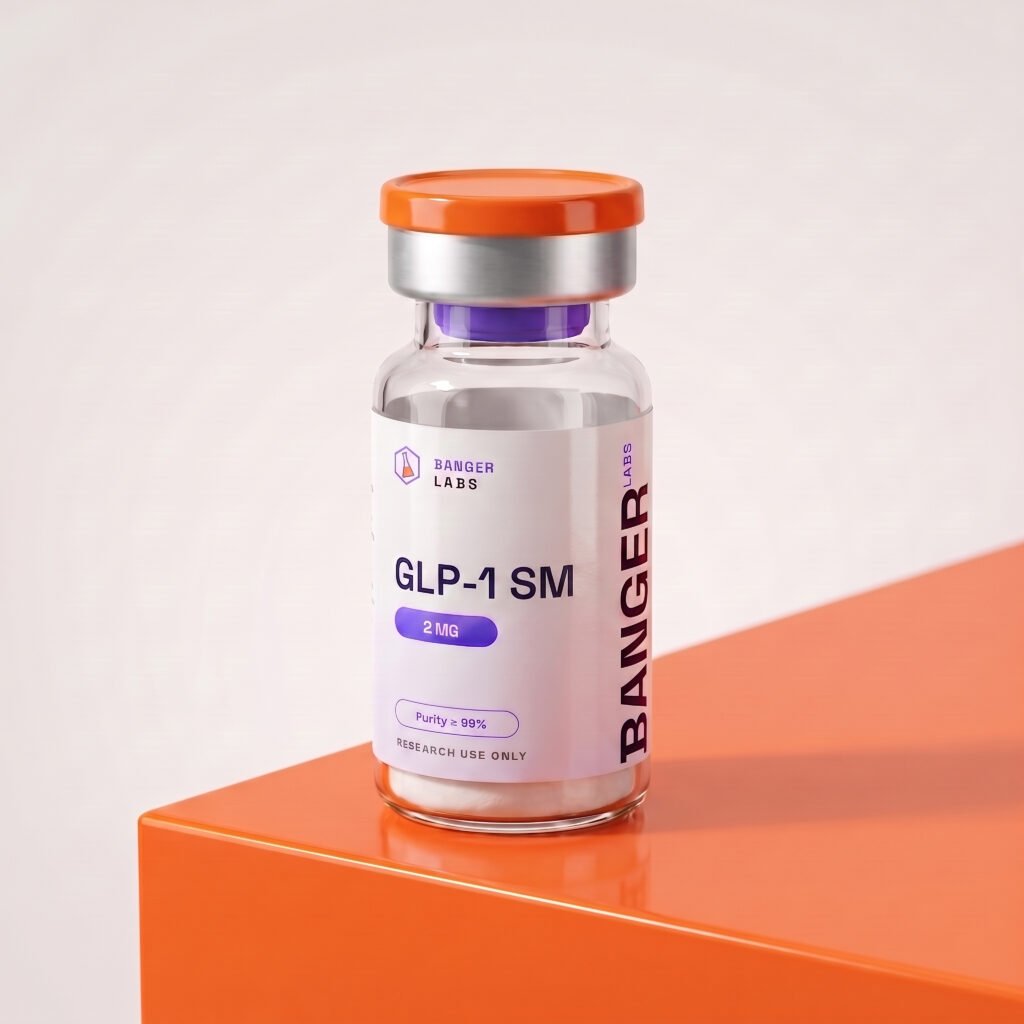
 For Research Use Only
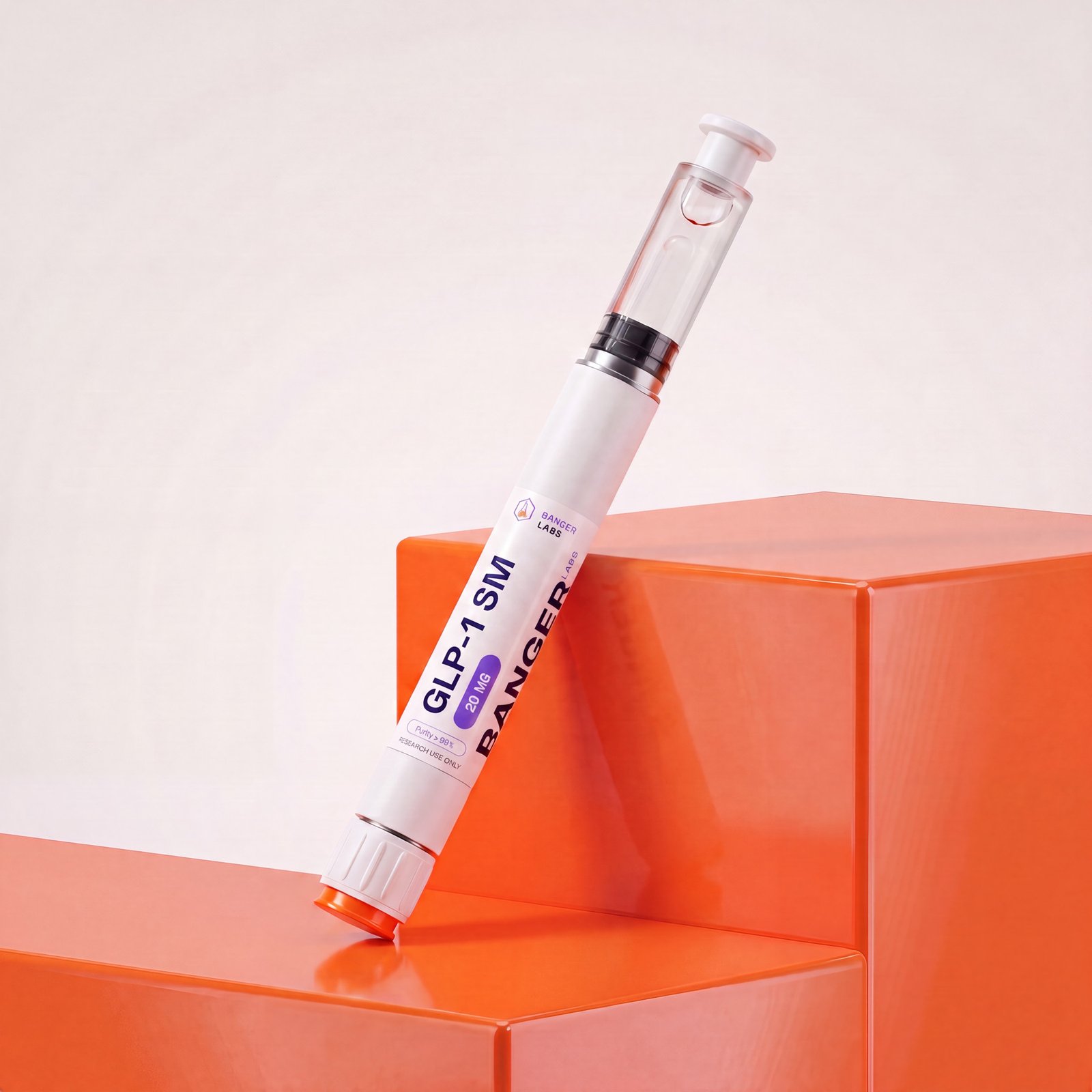
GLP-1 SM
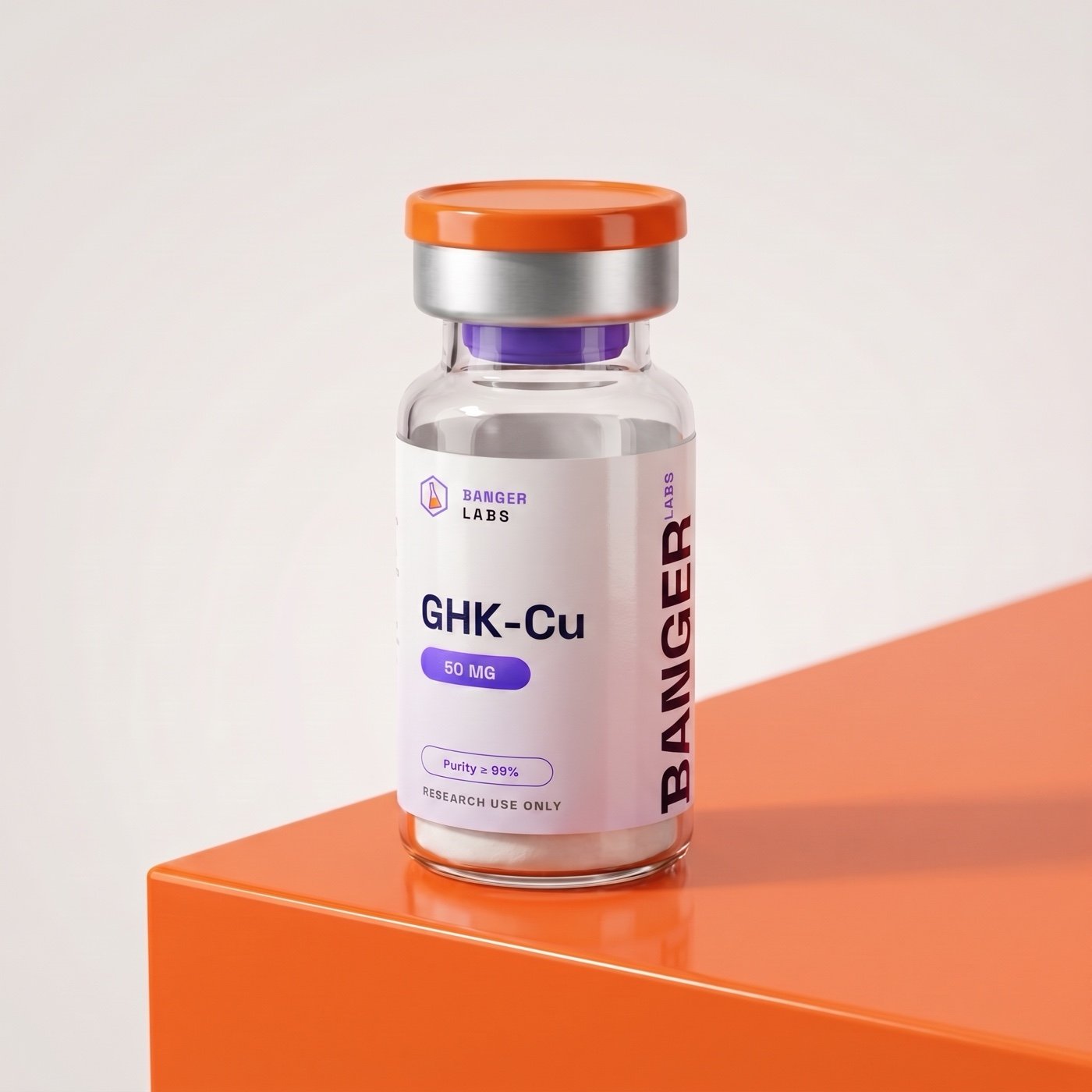
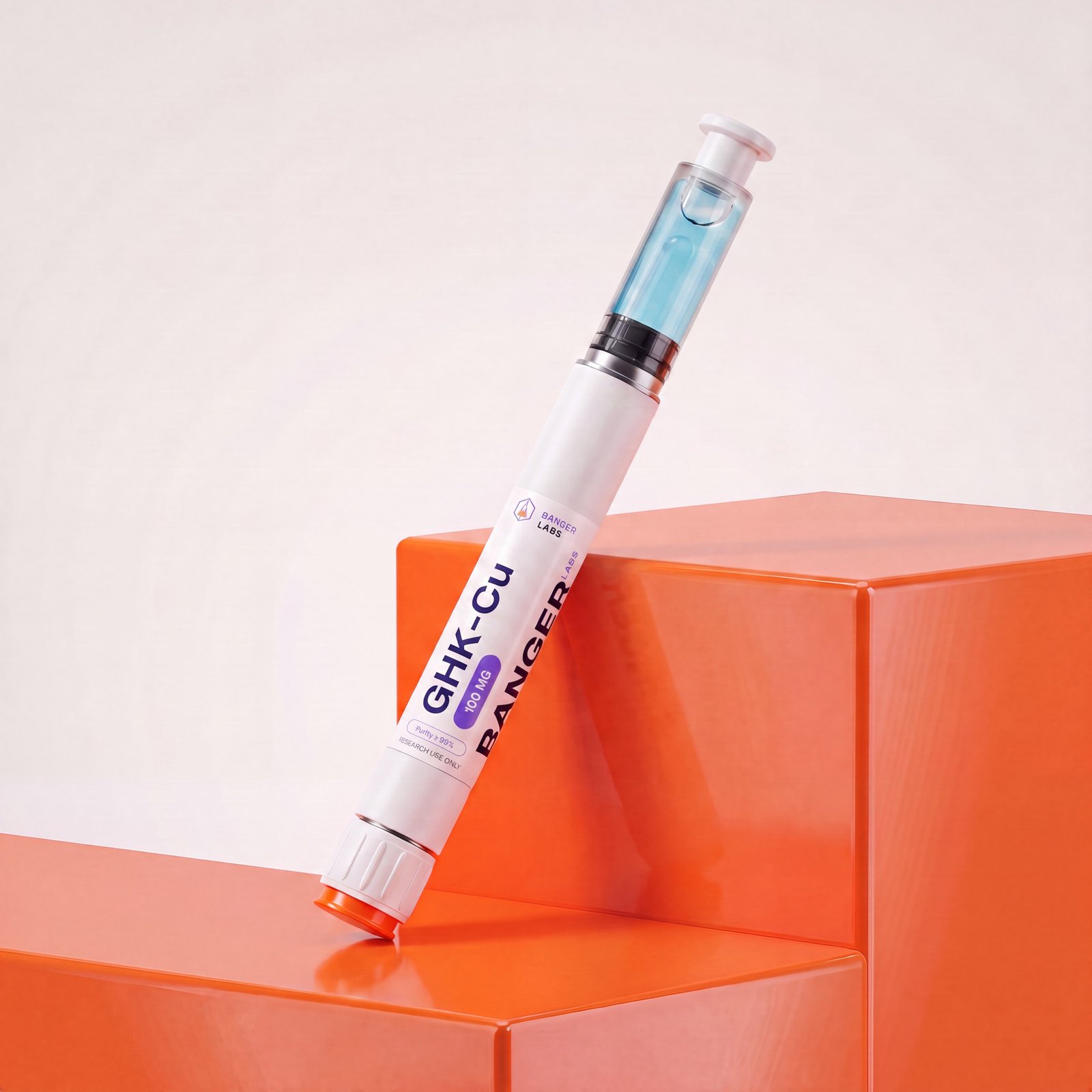
GLP-1 SM — research-grade peptide. ≥ 99% purity (HPLC), Certificate of Analysis with every batch. For laboratory research use only.
 + 1 Free 3ml BAC Water
+ 2 Free 3ml BAC Water
+ 1 Free 3ml BAC Water
+ 2 Free 3ml BAC Water
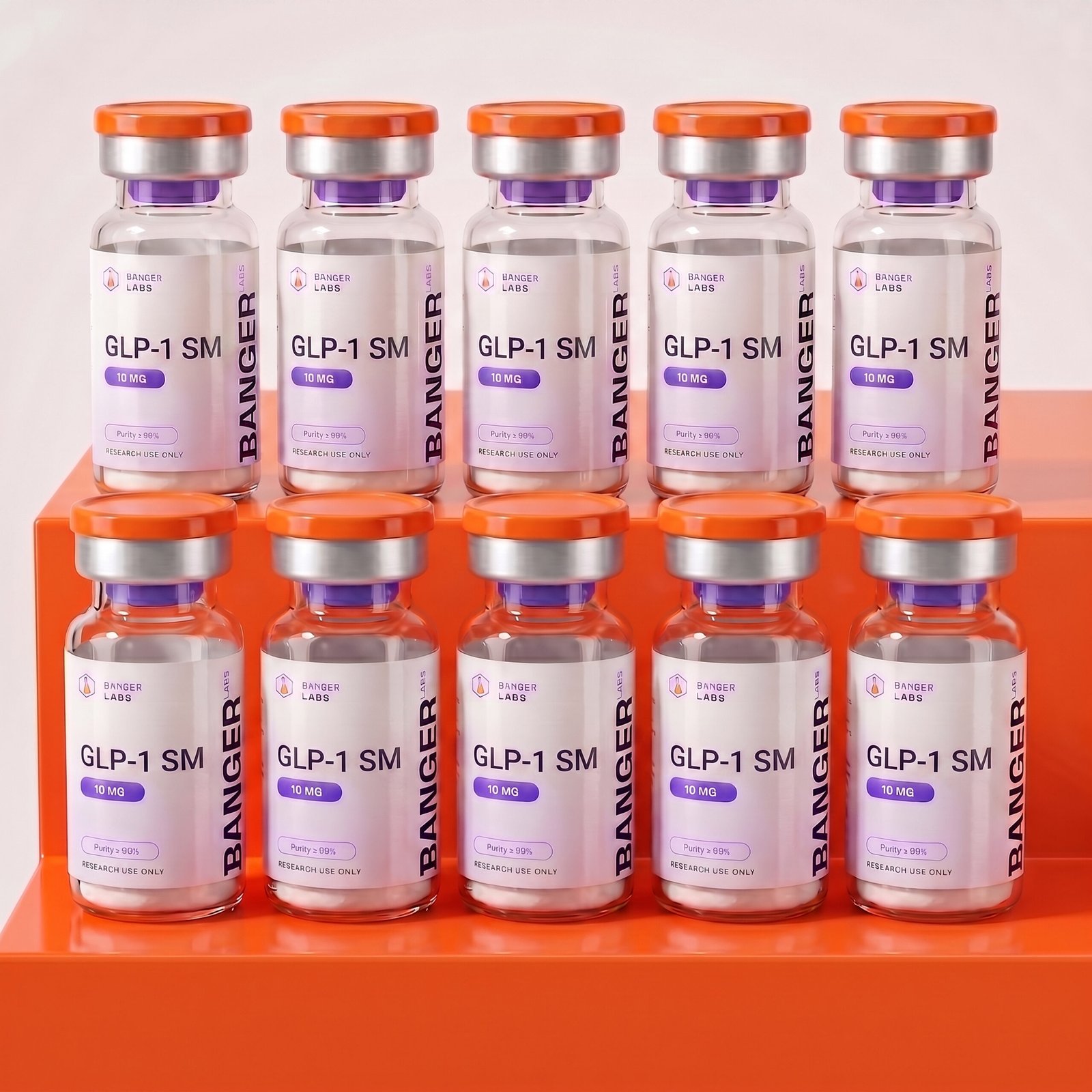 10 VIALS · 40% OFF
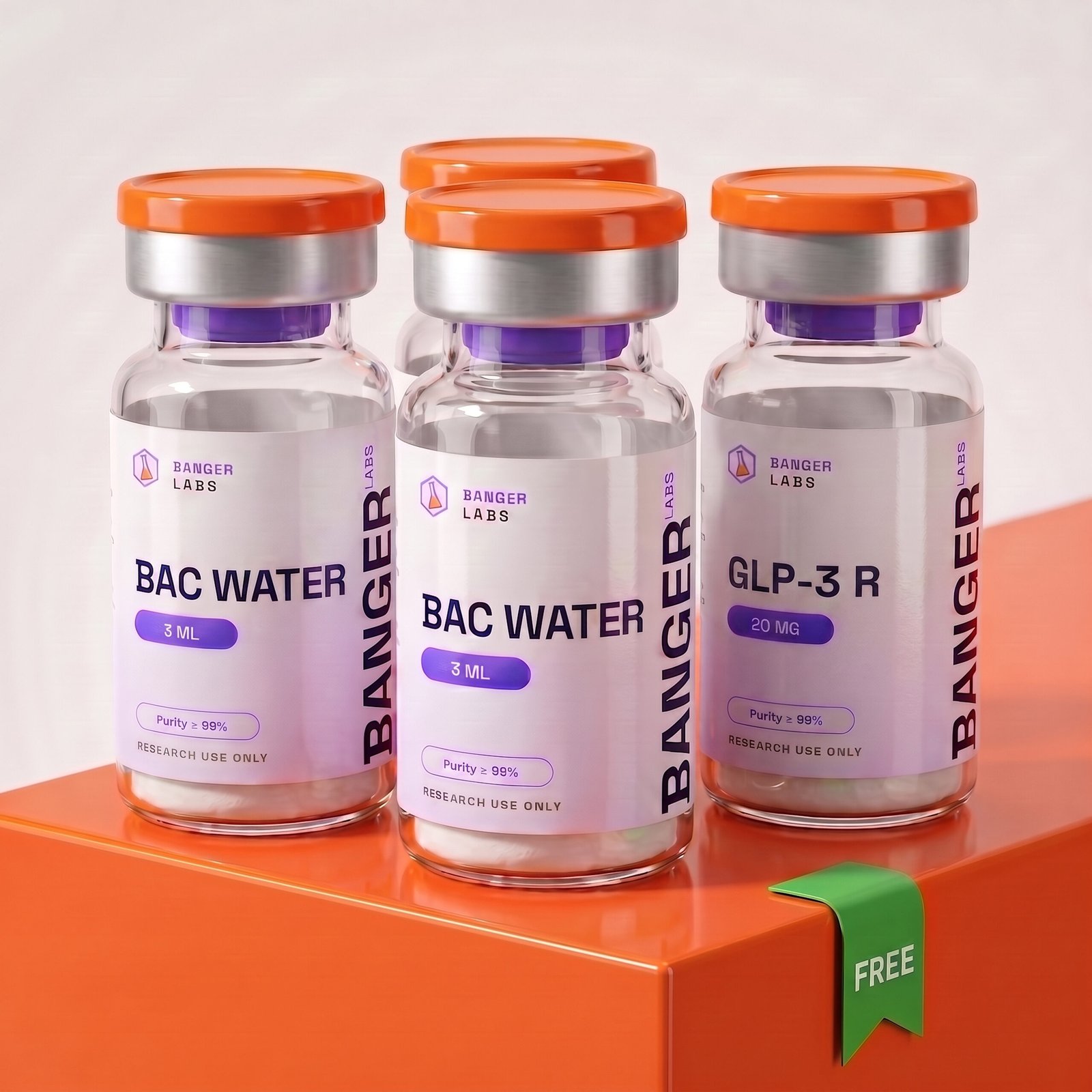 FREE
FREE- 3 Free 3ml BAC Water
- Free GLP-3 R 10mg vial
- Free Priority Shipping
Transparency
Certificate of Analysis
Every batch independently verified by third-party laboratories.
GLP-1 SM COA
All Banger Labs products are independently tested by accredited third-party laboratories. Results are batch-specific and provided for research transparency only. This product is not approved for human use.
Lab Verified
Every Dose, Independently Tested
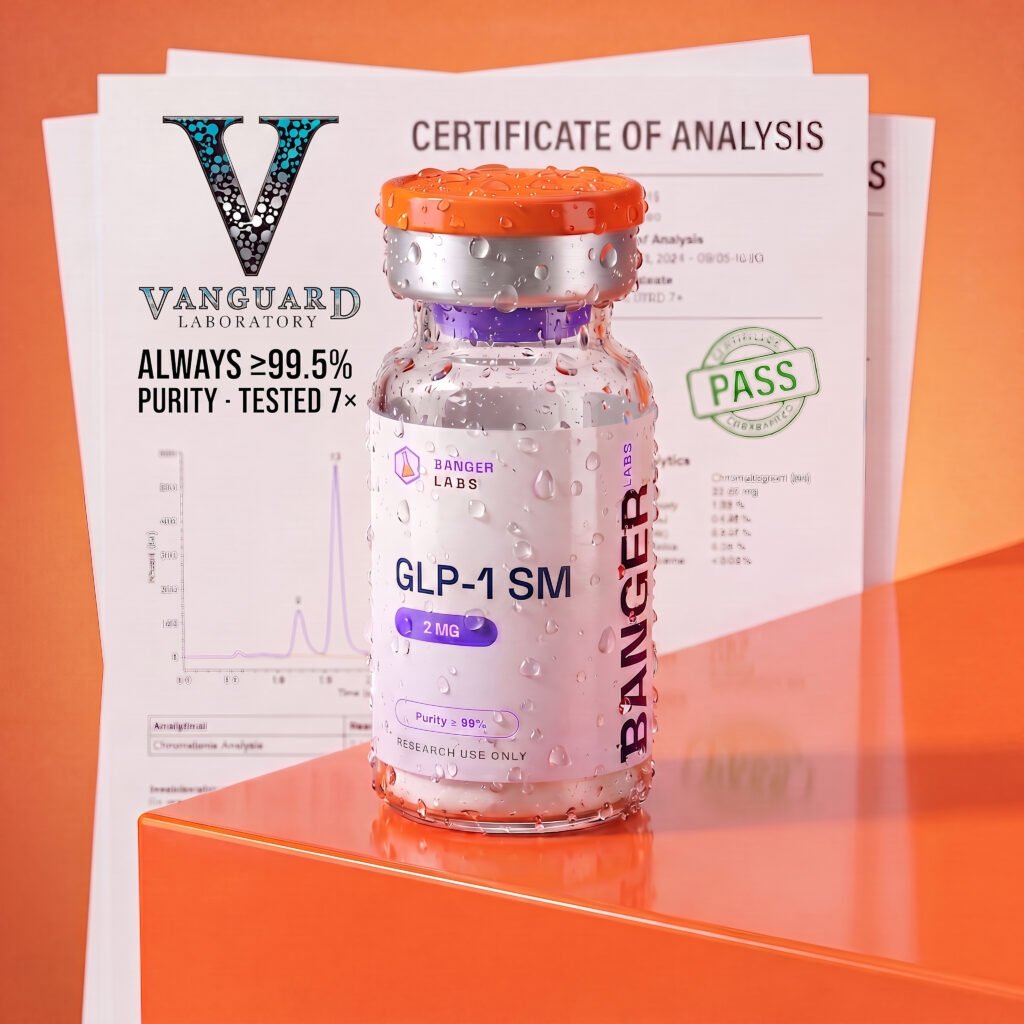
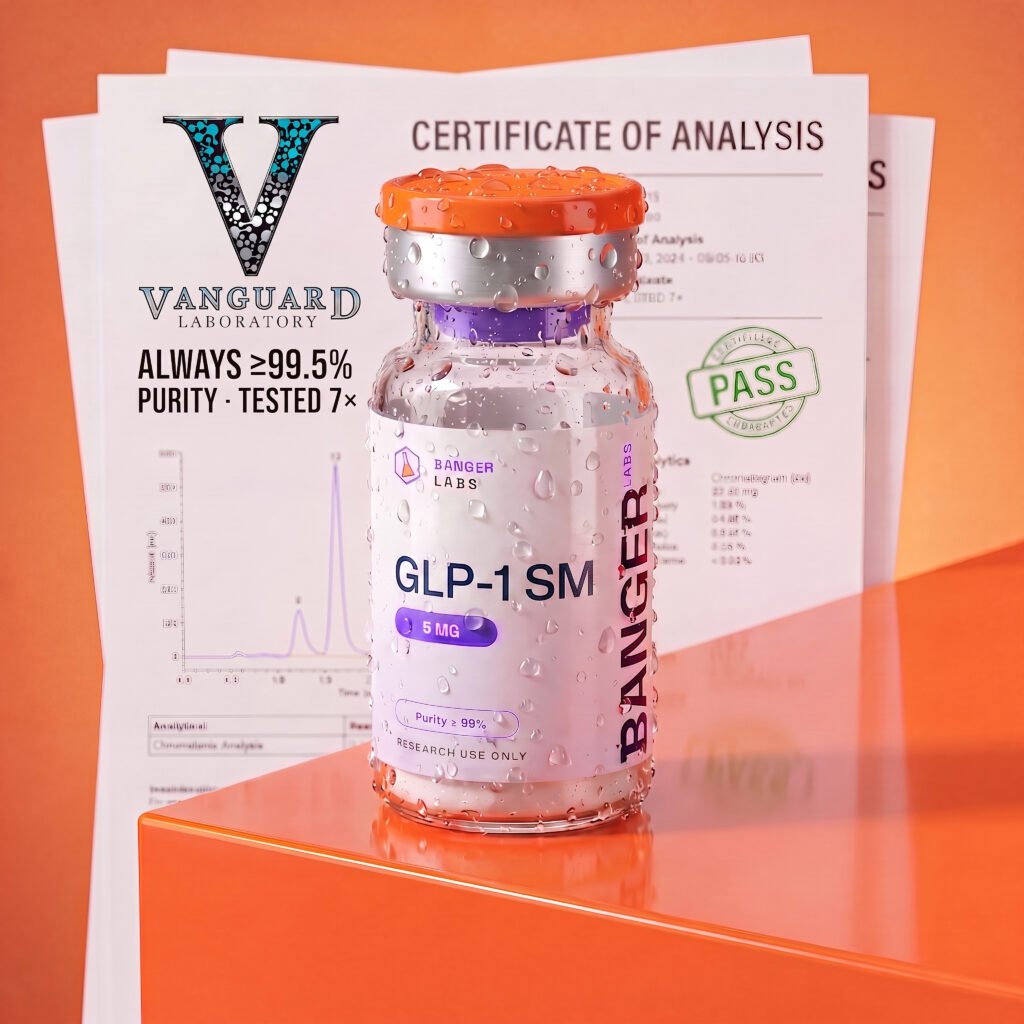
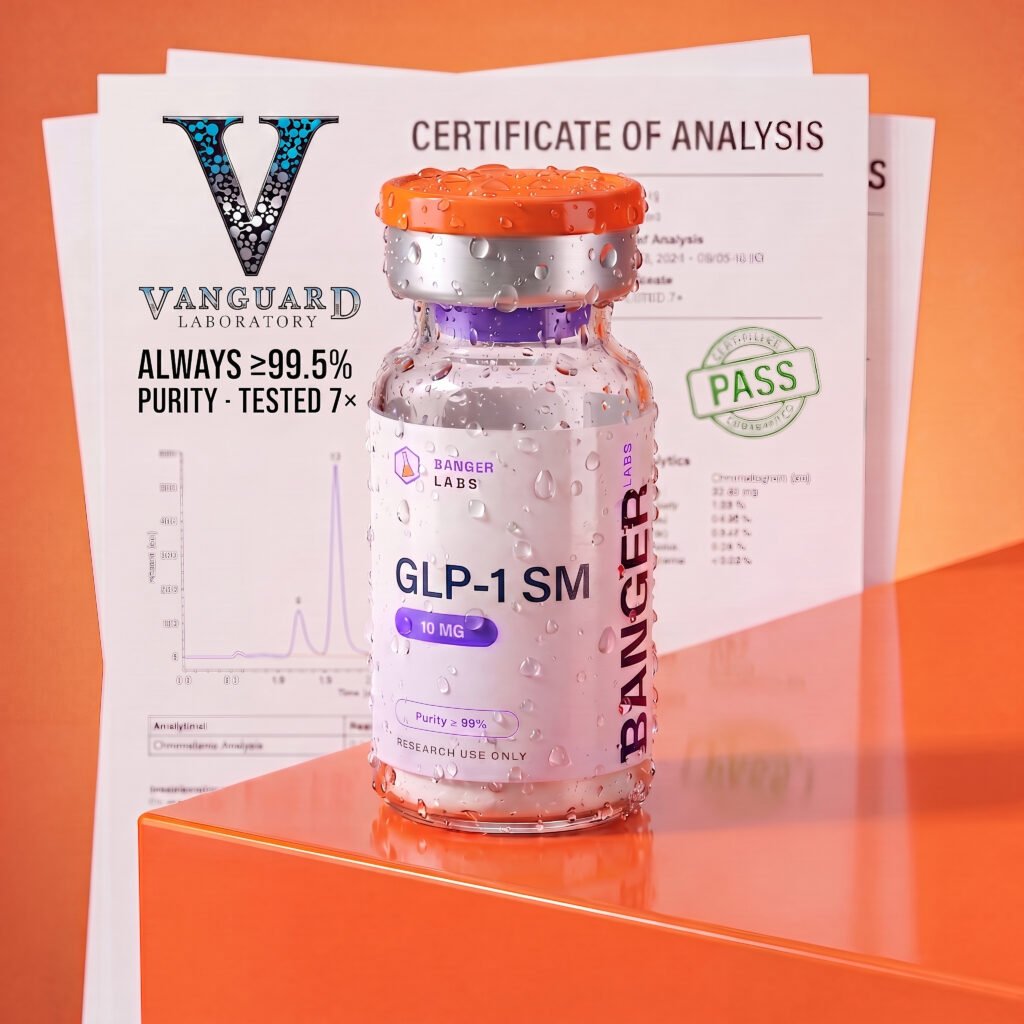
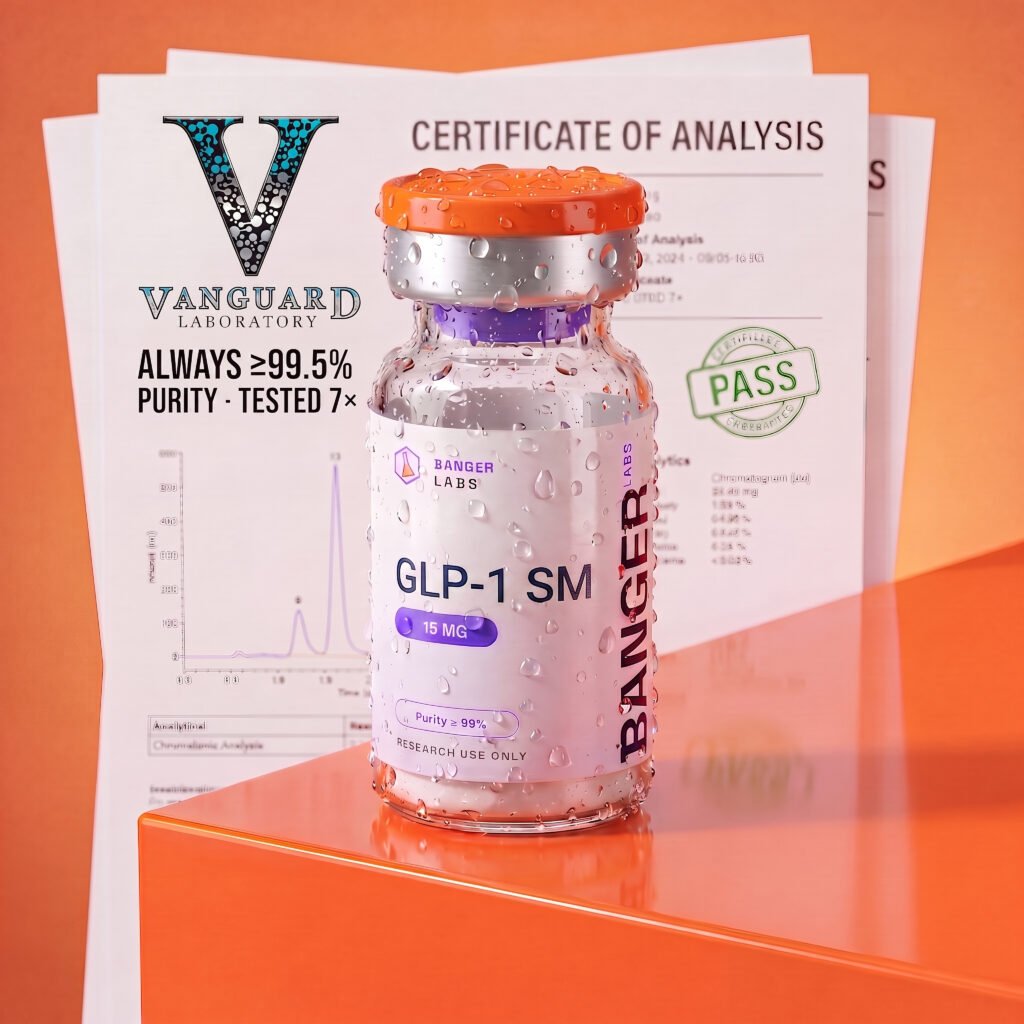
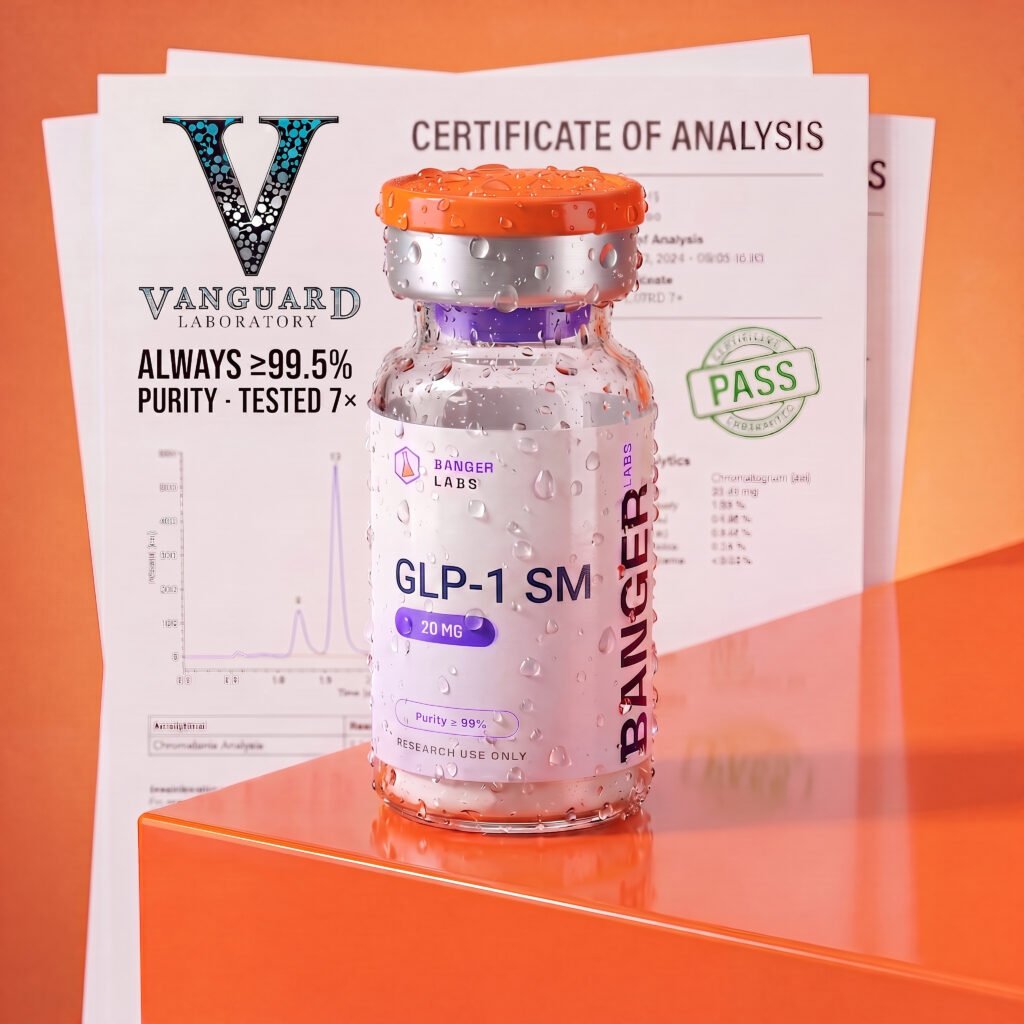
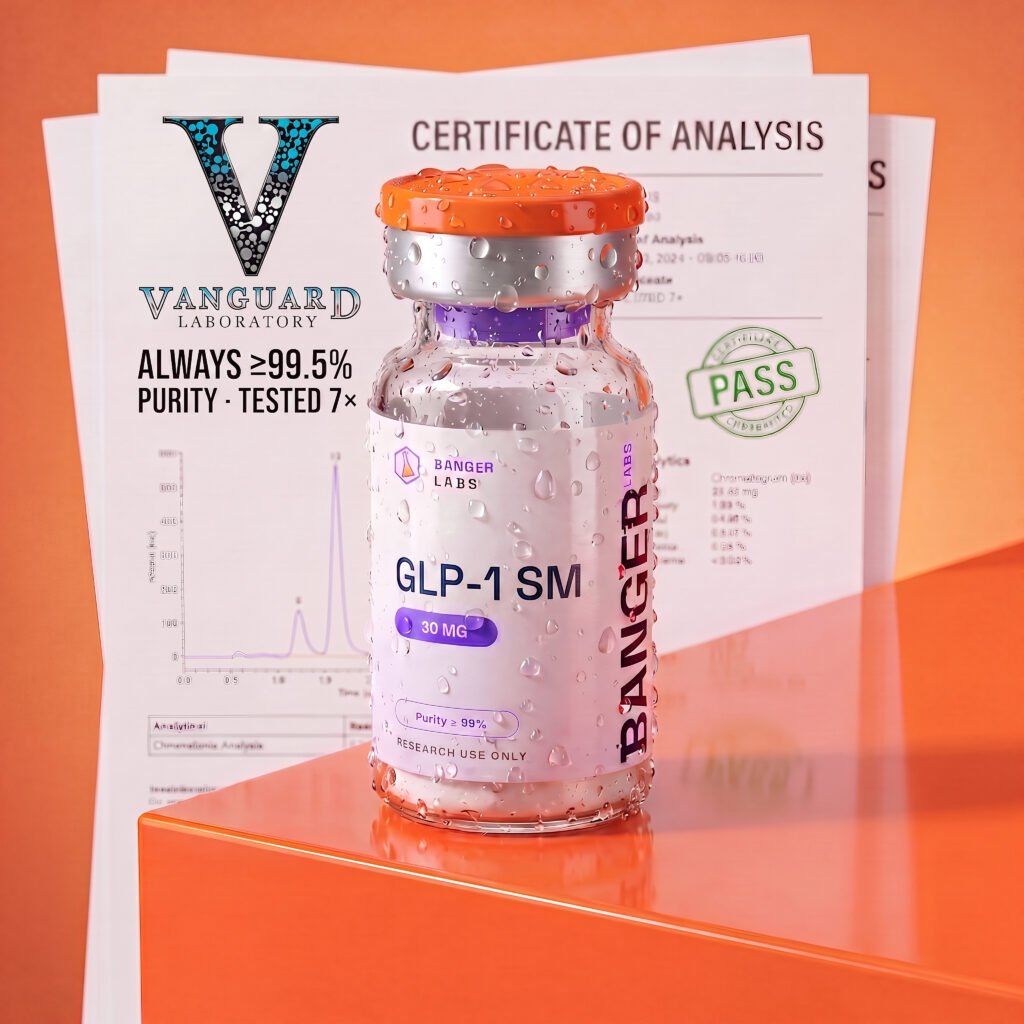
Verified by Vanguard Laboratory — always ≥99.5% purity, tested 7×. Swipe to view your selected dose.
Support
Frequently Asked Questions
Everything you need to know about this product and your order.
Research Overview Cited research summary, handling & references — tap to expand
GLP-1 SM: A Research Compendium
What GLP-1 SM Is
GLP-1 SM is a synthetic, long-acting analogue of glucagon-like peptide-1 (GLP-1), an incretin hormone, and is used in research as a selective agonist of the GLP-1 receptor. The molecule was designed by introducing amino-acid substitutions into the native GLP-1 backbone and attaching a fatty-acid (C18 diacid) side chain via a linker, modifications described in the peptide-engineering literature as means of resisting enzymatic degradation and promoting reversible binding to serum albumin.[1] In preclinical and mechanistic studies, GLP-1 SM is characterised as a tool for probing GLP-1 receptor signalling, a class-B G-protein-coupled receptor expressed in pancreatic islet tissue, the central nervous system, and the cardiovascular system.[2] This material is supplied strictly as a research chemical for laboratory investigation and is not a drug product, dietary supplement, or article intended for human or veterinary administration.
Areas Studied in the Research Literature
The published literature on GLP-1 SM and the broader GLP-1 receptor agonist class spans receptor pharmacology, peptide engineering, and mechanistic work in cell and animal models. The summaries below describe what investigators have studied; they do not represent claims about outcomes.
GLP-1 Receptor Pharmacology
A central theme in the literature is characterisation of GLP-1 receptor activation and downstream cyclic-AMP signalling. Review articles describe how GLP-1 receptor physiology has informed the design of agonists studied in cell-based and rodent systems.[2]
Peptide Engineering & Albumin Binding
The discovery paper details the structure-activity work behind the acylated peptide, including the role of the fatty-diacid side chain in reversible albumin binding studied in vitro as a strategy to extend molecular persistence.[1]
Anti-Inflammatory Mechanisms
Mechanistic reviews summarise immunological and anti-inflammatory signalling attributed to GLP-1 receptor engagement in preclinical cell and tissue models, an active area of laboratory research.[3]
Vascular & Cardiac Signalling (Preclinical)
Investigations in animal and isolated-tissue models have examined GLP-1 receptor action in vascular endothelium and cardiac energy metabolism, characterising receptor-mediated signalling pathways.[5][6]
Absorption Mechanisms
Translational pharmacology work has examined transcellular absorption of derivatized GLP-1 receptor agonists in animal models, characterising the physical chemistry of peptide uptake.[4]
Metabolic Pathway Probing
Across the class, GLP-1 receptor agonists are used as research tools to dissect incretin signalling and energy-metabolism pathways in cultured cells and rodent models.[2]
Reconstitution, Handling & Storage (Research)
The following points reflect general laboratory practice for lyophilised research peptides as reported in handling literature. They are procedural notes for bench work, not instructions for use in any organism.
Reconstitution
Lyophilised peptide is typically dissolved in bacteriostatic or sterile water added slowly down the vial wall, then allowed to dissolve without vigorous agitation to limit shear and foaming.
Aliquoting
For studies requiring repeated sampling, dividing the reconstituted stock into single-use aliquots is a common practice to avoid repeated freeze-thaw cycles.
Storage
Lyophilised material is generally stored frozen and protected from light and moisture; reconstituted solutions are typically kept refrigerated and used within a short working window per laboratory protocol.
Documentation
Recording lot, concentration, solvent, and preparation date supports reproducibility and traceability in a research setting.
Stability & Half-Life Notes
As an acylated, albumin-binding peptide analogue, GLP-1 SM is described in the engineering literature as having greater enzymatic stability than native GLP-1, which is rapidly degraded by dipeptidyl peptidase-4. The reversible albumin-binding design is reported to support an extended molecular persistence in pharmacokinetic models.[1][4] Stability of any given research preparation depends on solvent, temperature, pH, and freeze-thaw history; investigators should confirm integrity for their own conditions.
Research Use Only — Not For Human Use
GLP-1 SM supplied by Banger Labs is a research chemical intended solely for in-vitro and laboratory research conducted by qualified professionals. It is not a medicine, has not been approved for the diagnosis, treatment, cure, or prevention of any condition in this form, and must not be administered to humans or animals. No statement here describes therapeutic effect, dosing, or efficacy.
References
- Lau J, Bloch P, Schäffer L, et al. Discovery of the Once-Weekly Glucagon-Like Peptide-1 (GLP-1) Analogue GLP-1 SM. J Med Chem. 2015. PMID: 26308095
- Drucker DJ. GLP-1 physiology informs the pharmacotherapy of obesity. Mol Metab. 2022. PMID: 34626851
- Bendotti G, Montefusco L, Lunati ME, et al. The anti-inflammatory and immunological properties of GLP-1 Receptor Agonists. Pharmacol Res. 2022. PMID: 35738455
- Buckley ST, Bækdal TA, Vegge A, et al. Transcellular stomach absorption of a derivatized glucagon-like peptide-1 receptor agonist. Sci Transl Med. 2018. PMID: 30429357
- Almutairi M, Al Batran R, Ussher JR. Glucagon-like peptide-1 receptor action in the vasculature. Peptides. 2019. PMID: 30227157
- Al Batran R, Almutairi M, Ussher JR. Glucagon-like peptide-1 receptor mediated control of cardiac energy metabolism. Peptides. 2018. PMID: 29412838
Scientific References
Explore the published research literature on GLP-1 SM. We link directly to independent, primary sources — we don't summarize or interpret findings. For research use only.
Links open external databases (pubmed.ncbi.nlm.nih.gov · clinicaltrials.gov). Banger Labs is not affiliated with these sources. For research use only — not medical advice.
Certificate of Analysis
GLP-1 SM · ≥99.4% purity (HPLC)