By the Banger Labs Research Team · Updated June 2026
What is Melatonin?
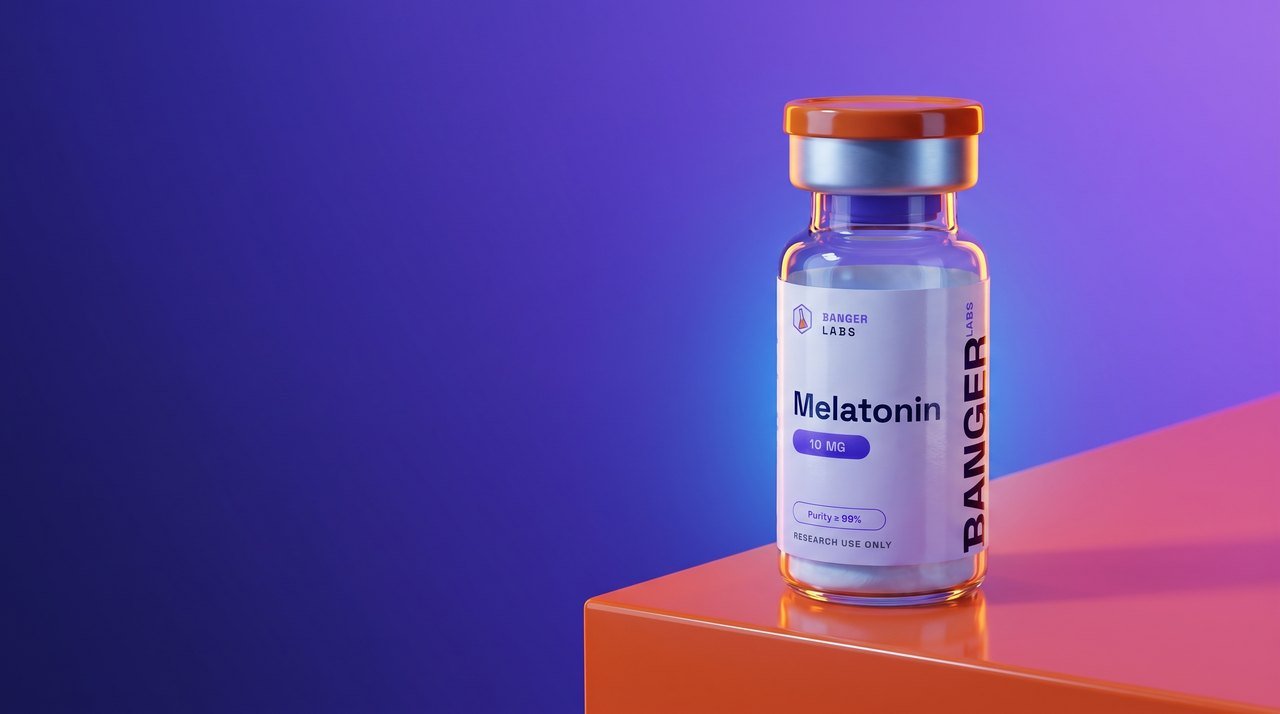
Melatonin is an endogenous indoleamine (chemical name N-acetyl-5-methoxytryptamine), not a peptide, synthesized and released primarily by the pineal gland and also locally in the retina and other peripheral tissues. It is derived biosynthetically from the amino acid L-tryptophan via serotonin and N-acetylserotonin intermediates. This brief is provided for research-use-only, educational reference and describes only established structural and preclinical findings.
How Melatonin is studied
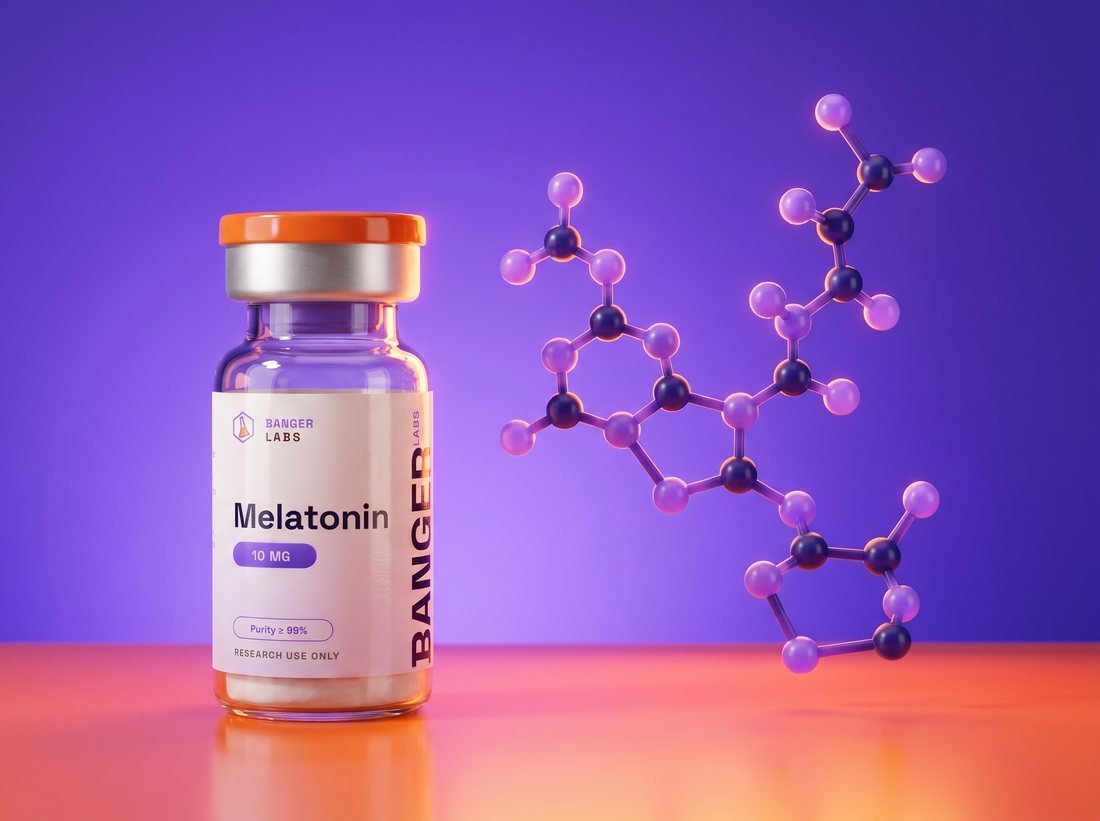
In mammalian research models, melatonin acts as an agonist at two high-affinity G protein-coupled receptors, MT1 (MTNR1A) and MT2 (MTNR1B), which are expressed in the suprachiasmatic nucleus and various peripheral tissues. Receptor activation modulates downstream G-protein signaling associated with circadian and seasonal physiological rhythms in study systems. Melatonin has also been characterized in vitro as a direct free-radical scavenger and antioxidant molecule.
Research areas
- Studied in preclinical and in vitro models of circadian and seasonal biological rhythm regulation
- Investigated as a research probe for MT1/MT2 melatonin receptor pharmacology and signaling
- Examined in laboratory antioxidant and free-radical-scavenging assays
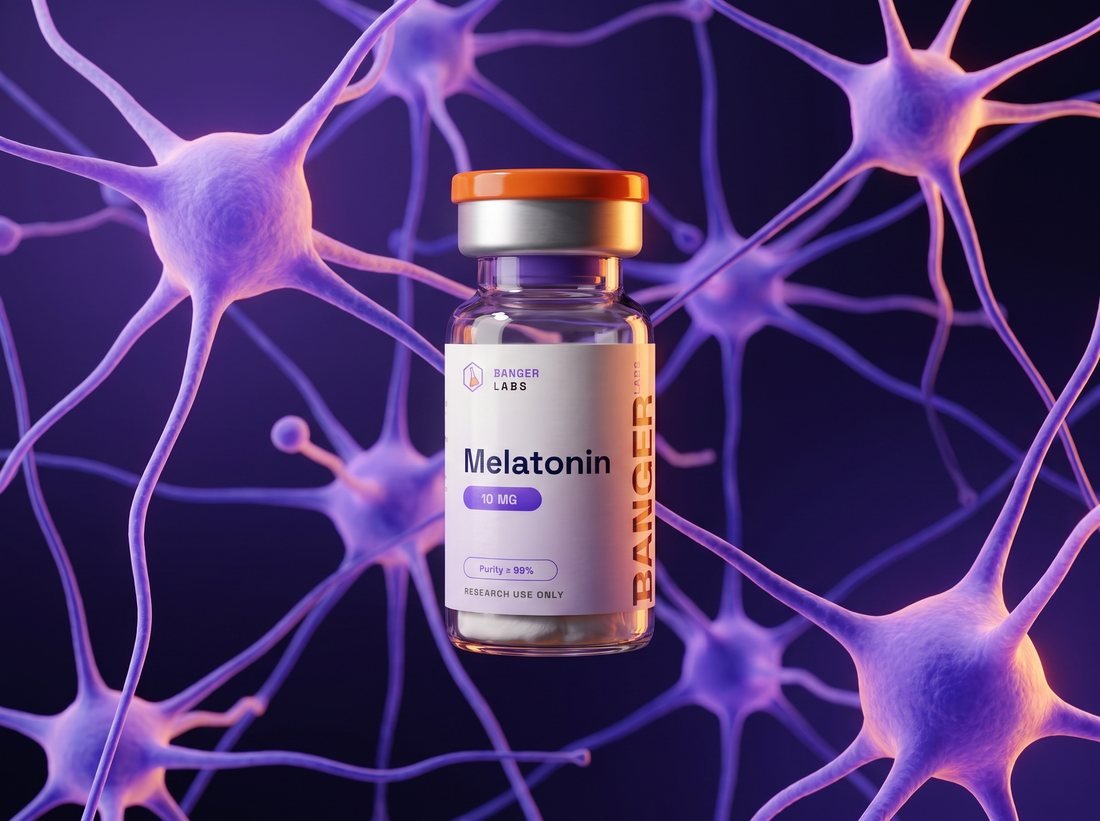
- Used in neurobiology research models exploring neuroprotection-related pathways
- Studied in cellular and animal models of melatonin biosynthesis and metabolism
These describe laboratory/preclinical research only. No therapeutic, medical, or efficacy claims are made.
Melatonin specifications
Handling & quality
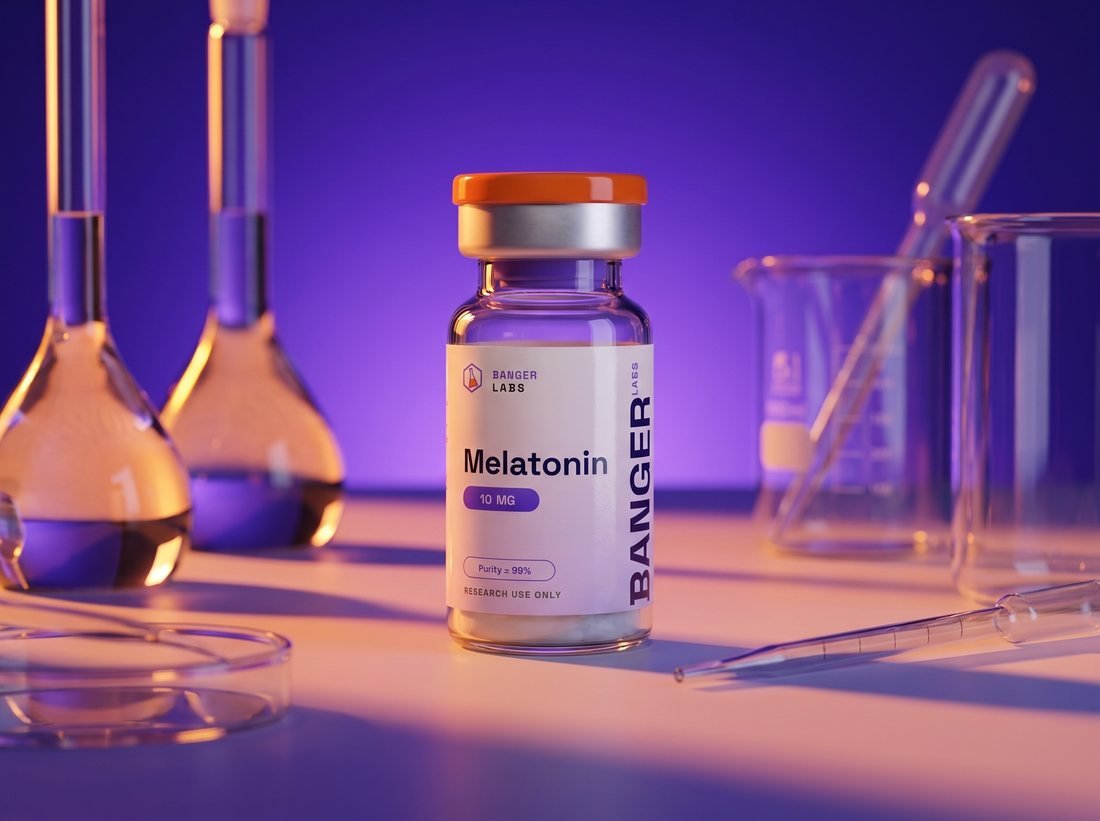
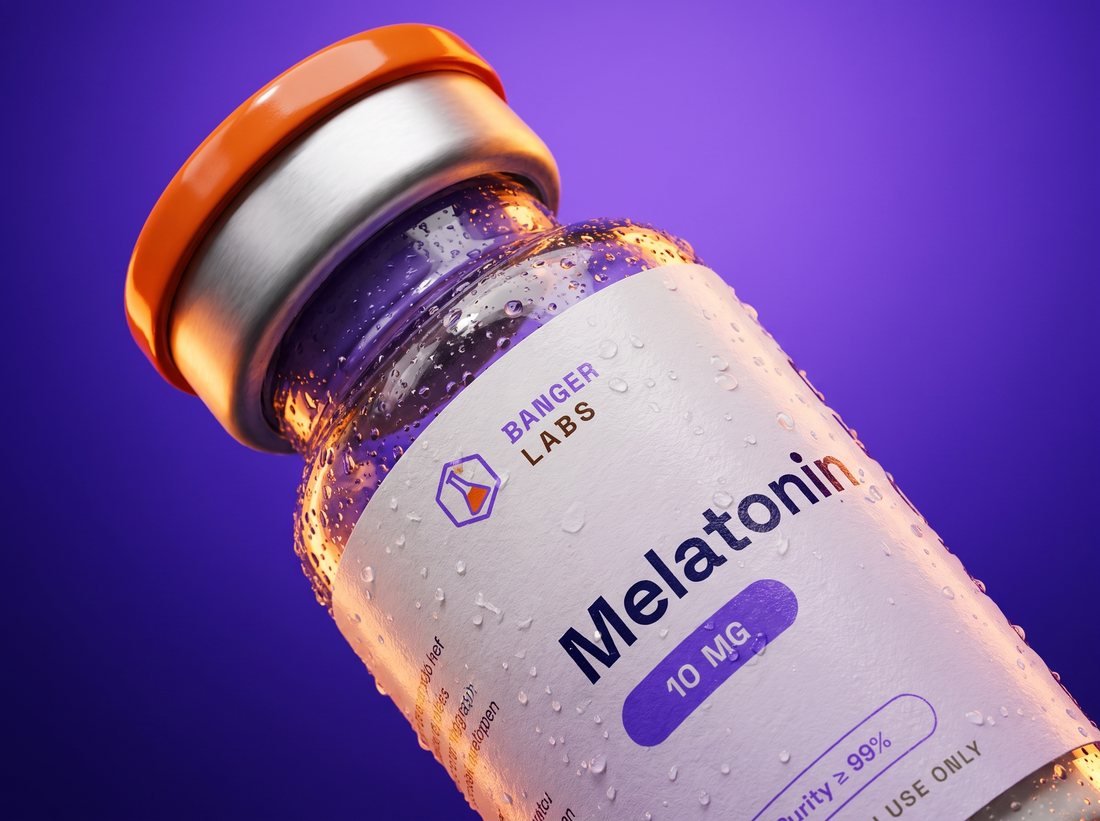
Melatonin is held to a ≥ 99% HPLC purity standard with a Certificate of Analysis available per batch. Reconstitute with bacteriostatic water and store refrigerated; handle strictly for research. See reconstitution & storage.
Frequently asked questions
What is Melatonin?
Melatonin is an endogenous indoleamine (chemical name N-acetyl-5-methoxytryptamine), not a peptide, synthesized and released primarily by the pineal gland and also locally in the retina and other peripheral tissues. It is derived biosynthetically from the amino acid L-tryptophan via serotonin and N-acetylserotonin intermediates. This brief is provided for research-use-only, educational reference and describes only established structural and preclinical findings.
Is Melatonin research use only?
Yes. Melatonin is supplied strictly for laboratory research — not for human or veterinary use, and not as a drug, food, or supplement.
Does Banger Labs provide a COA for Melatonin?
Yes — a Certificate of Analysis (HPLC purity + mass-spec identity) is available per batch on request. See the COA Library.
References
- MT1 and MT2 Melatonin Receptors: A Therapeutic Perspective — PMC / Annual Review of Pharmacology and Toxicology
- Melatonin and Health: Insights of Melatonin Action, Biological Functions, and Associated Disorders — PMC / Cellular and Molecular Neurobiology
- Melatonin Synthesis and Function: Evolutionary History in Animals and Plants — PMC / Frontiers in Endocrinology
Sources are provided for scientific reference and describe laboratory/preclinical research; they do not constitute medical advice or efficacy claims.
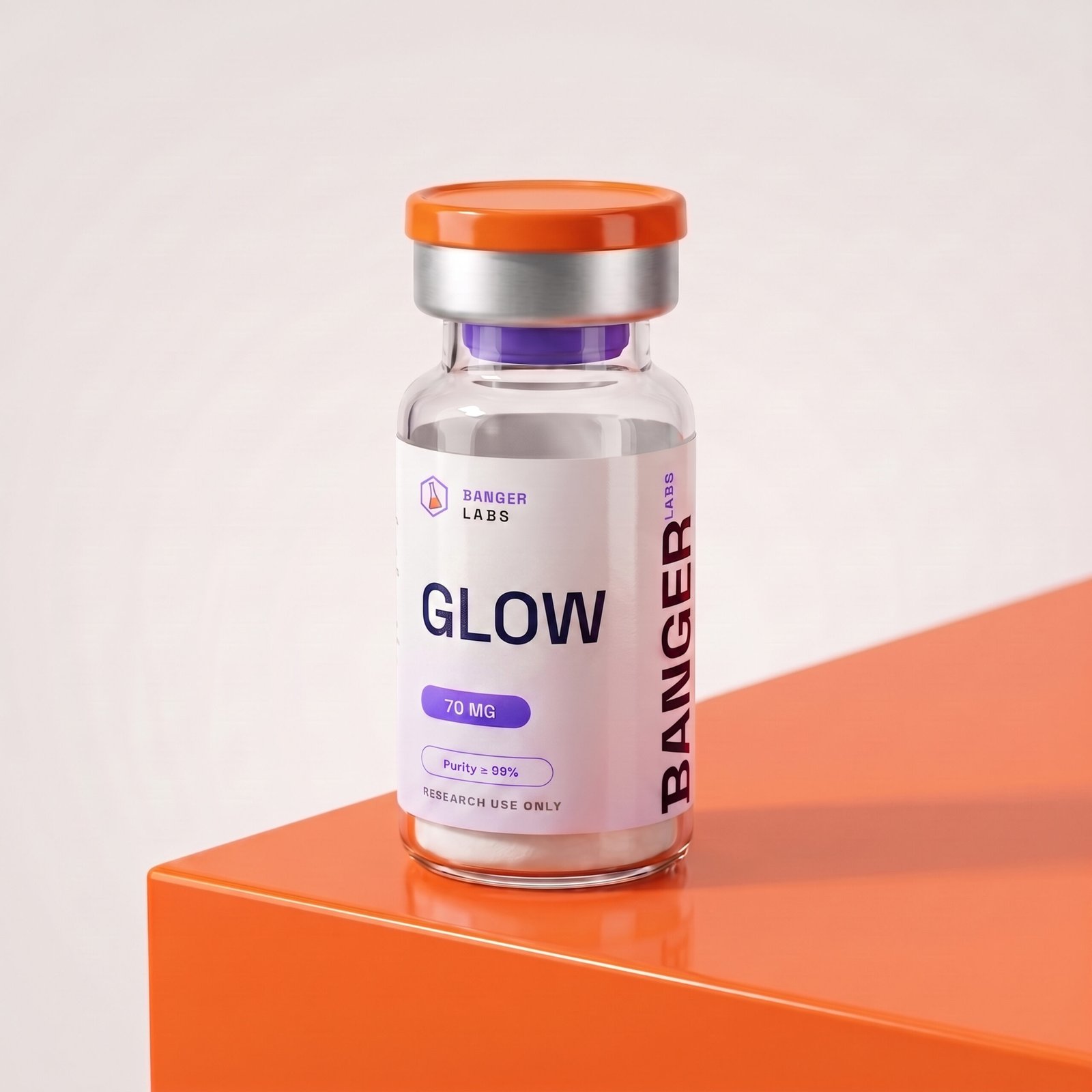
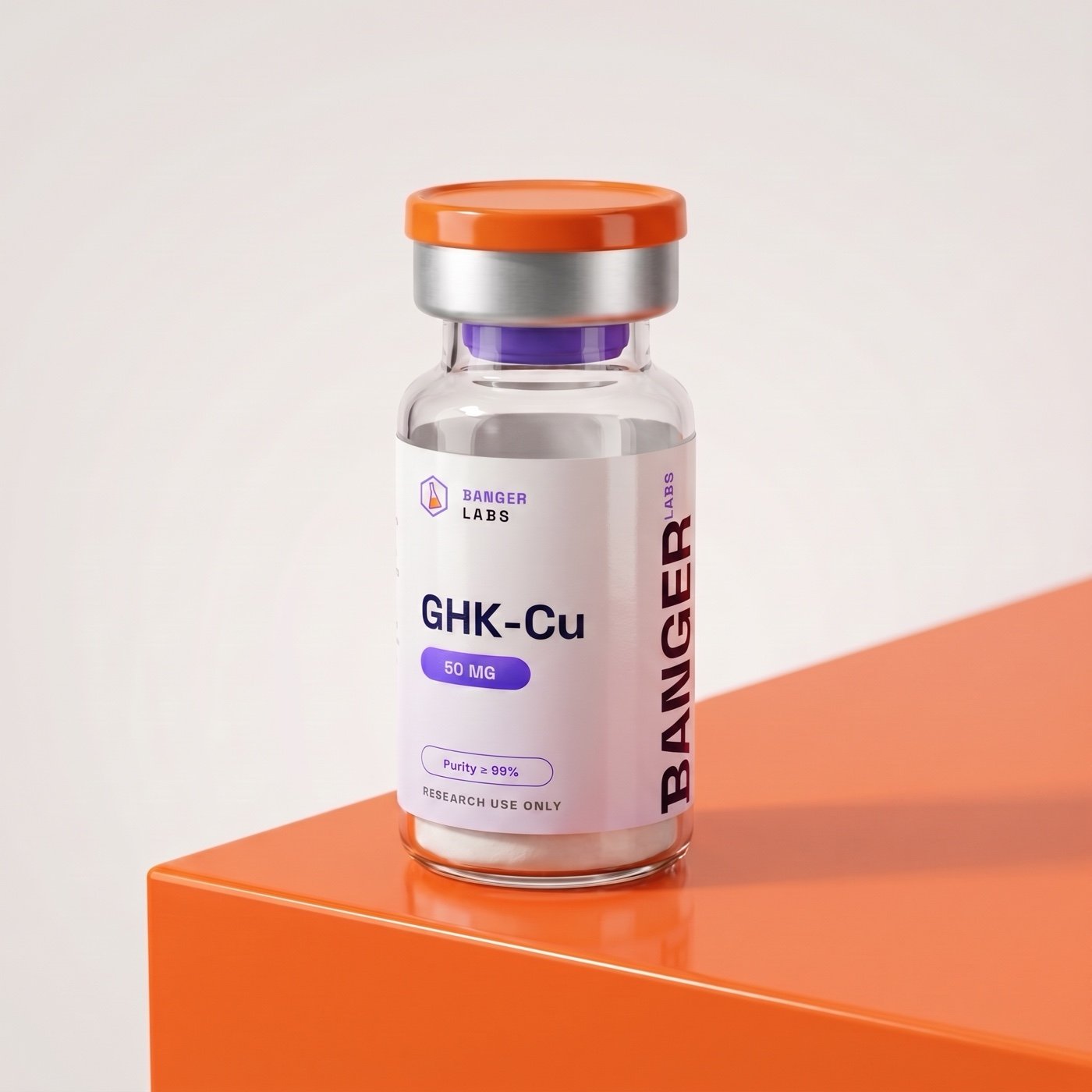
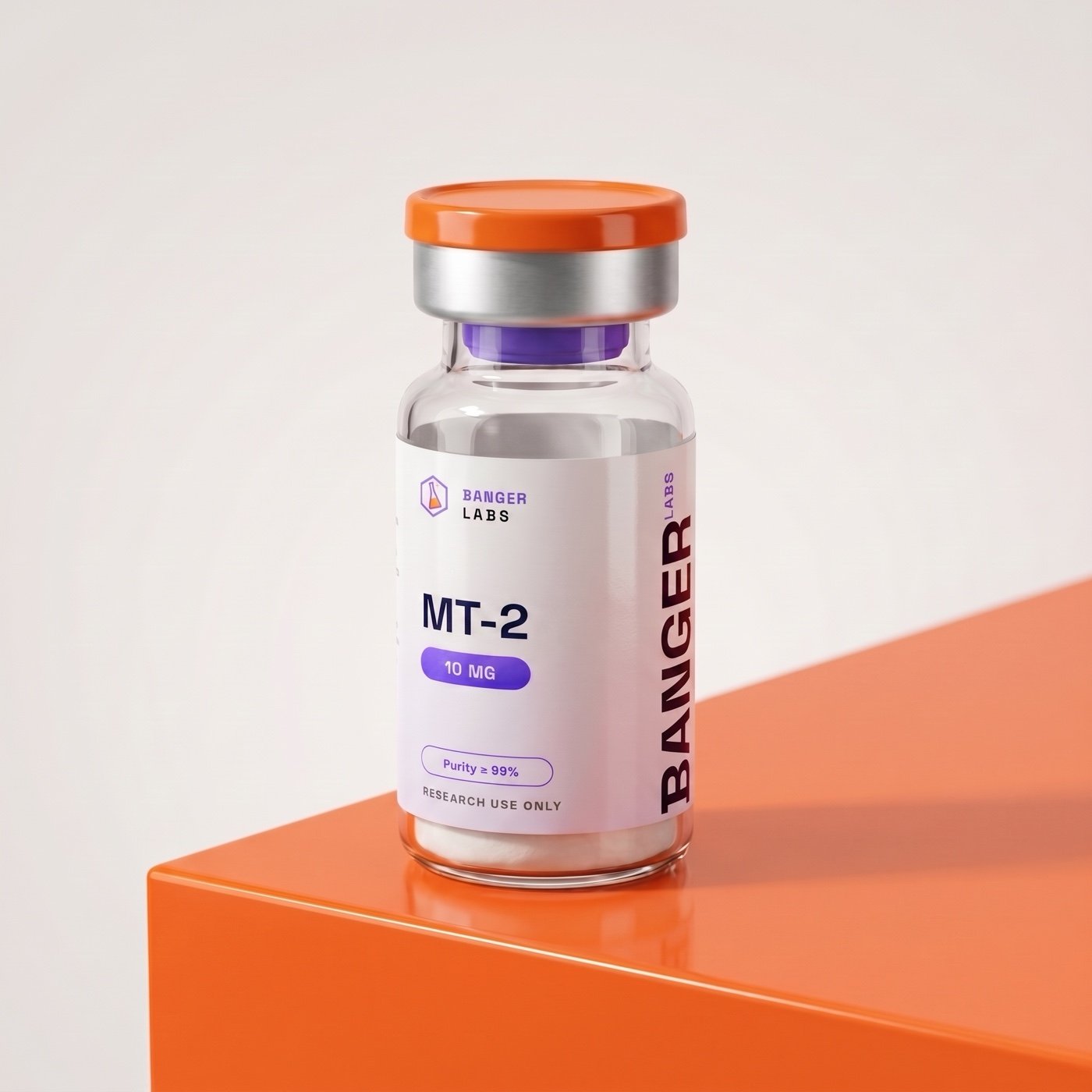
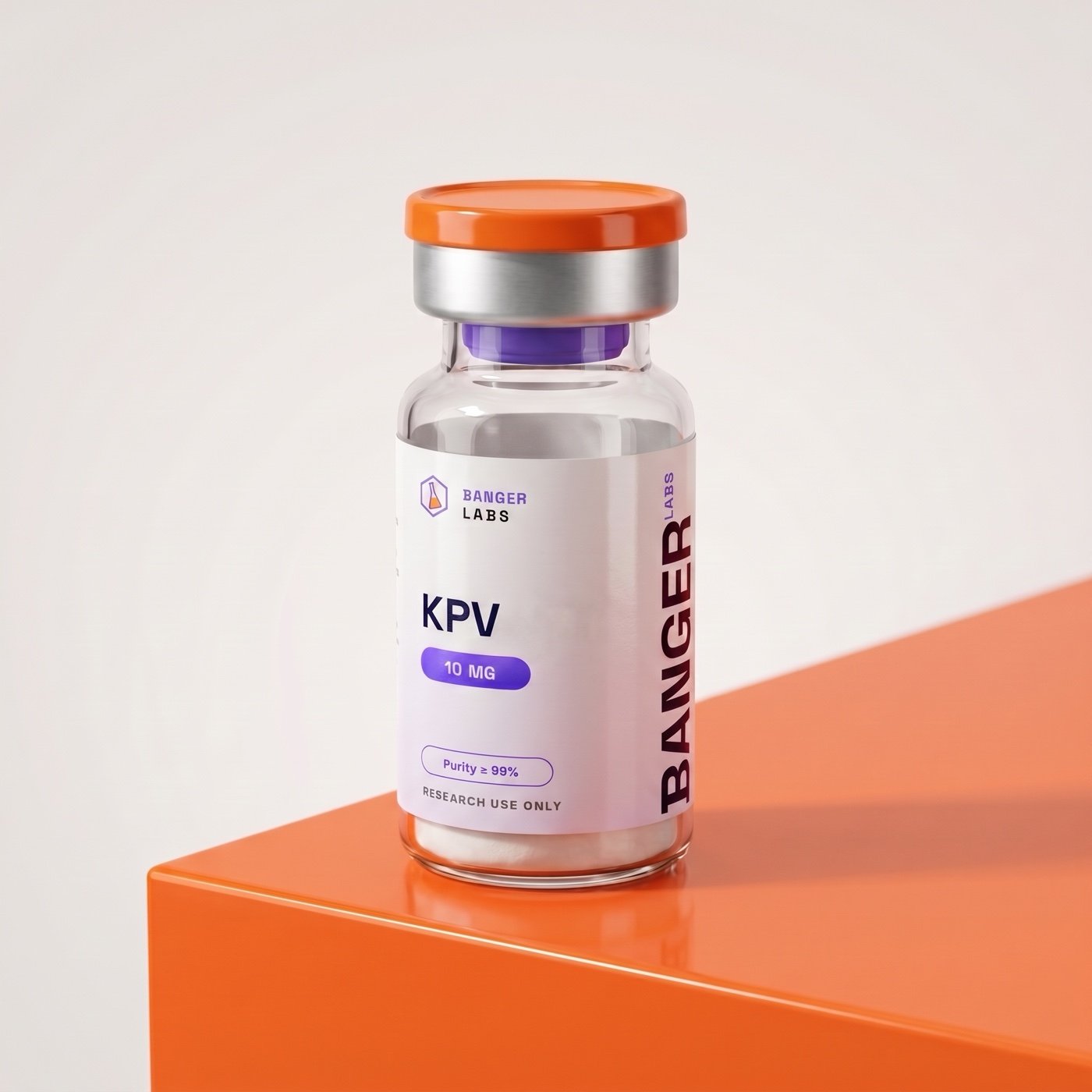
Shop Melatonin & related research peptides

By the Banger Labs Research Team. For research use only. Not for human or veterinary use. Not a drug, food, or cosmetic. Educational information, not medical advice.