By the Banger Labs Research Team · Updated June 2026
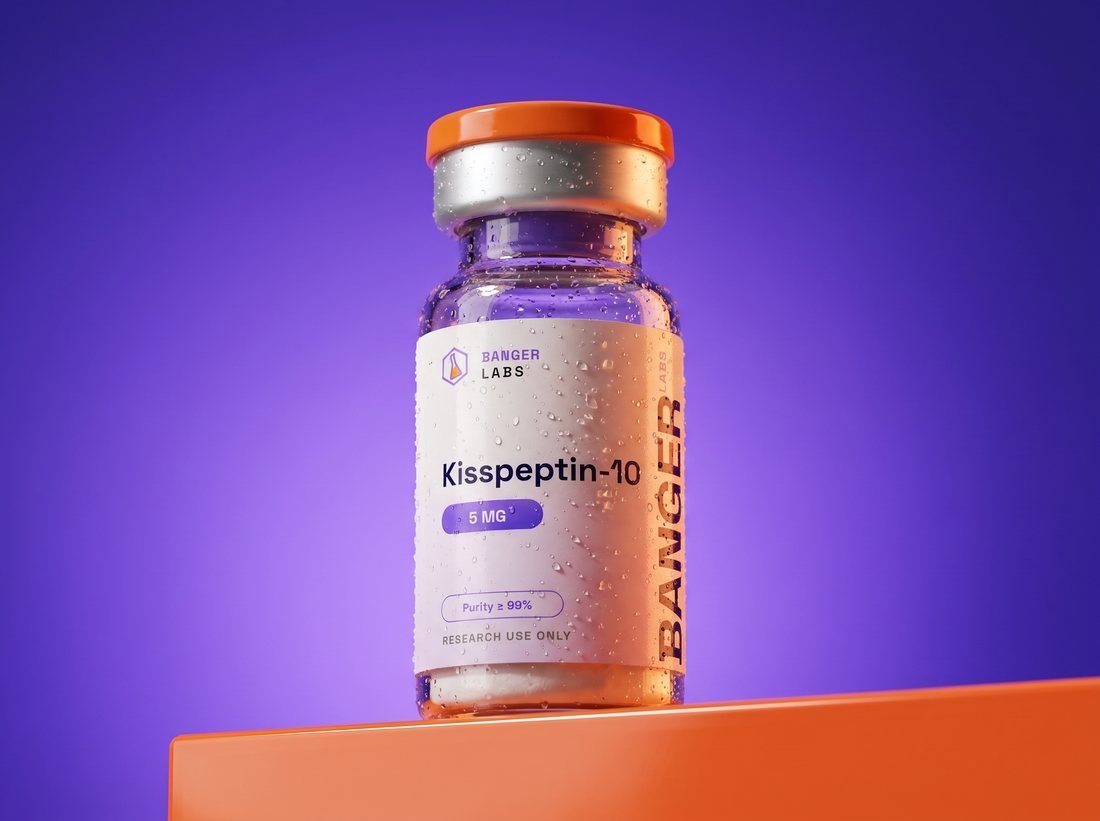
What is Kisspeptin-10?
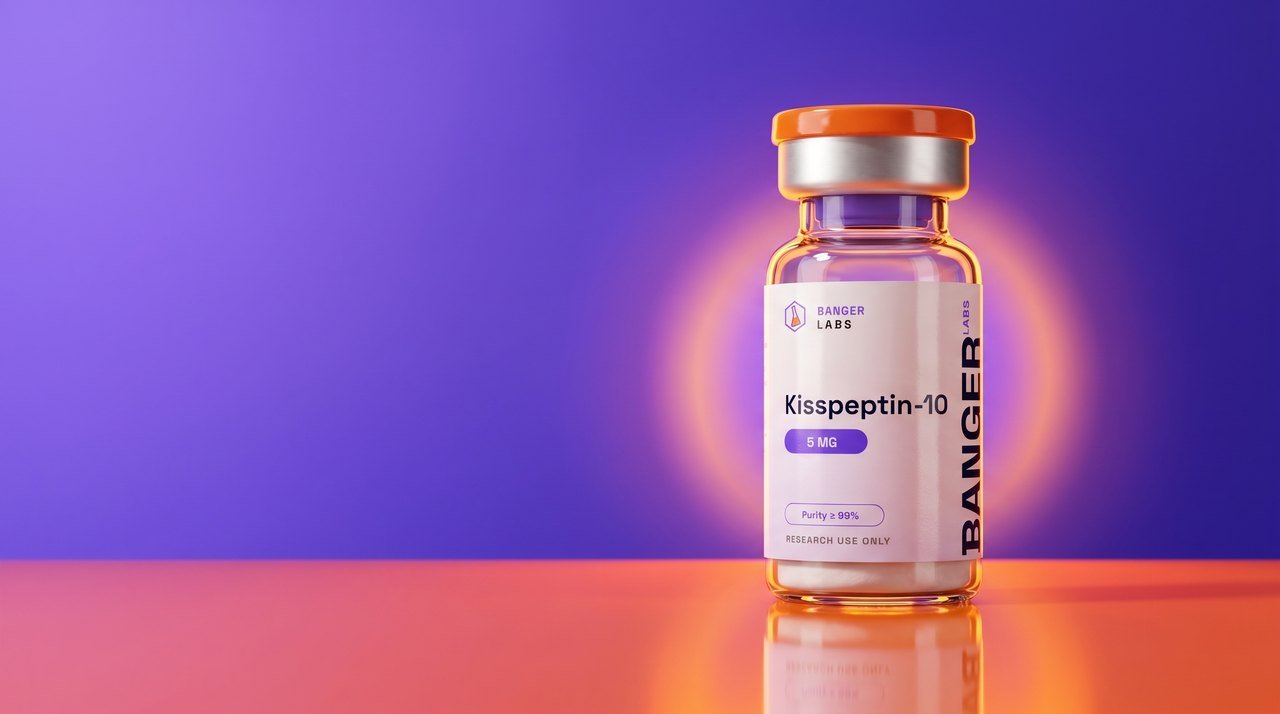
Kisspeptin-10 is the smallest fully active fragment of the kisspeptin family, derived from the C-terminal region of the 54-amino-acid kisspeptin (metastin) encoded by the KISS1 gene. Kisspeptins belong to the Arg-Phe-amide (RFamide) peptide family, and KP-10 shares the common C-terminal decapeptide sequence required for receptor binding. It is described in the literature as a research-grade peptide for in vitro and preclinical neuroendocrine studies.
How Kisspeptin-10 is studied
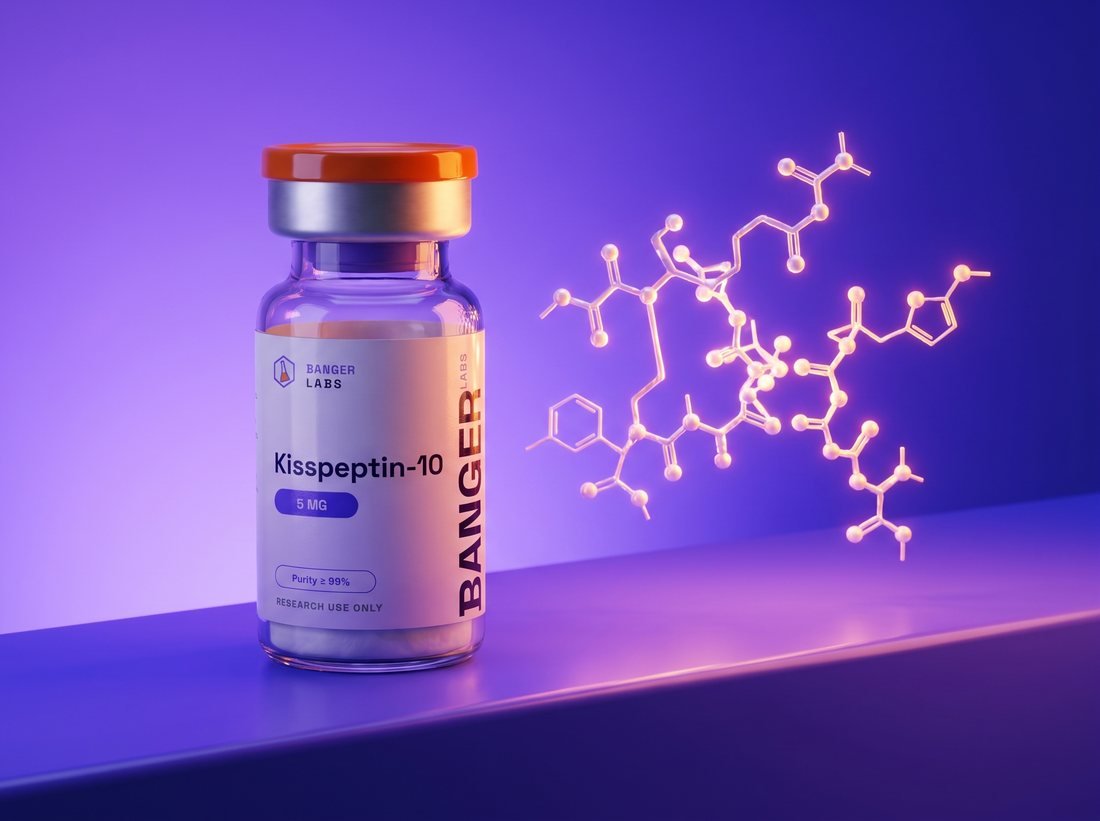
In reported research, kisspeptin-10 acts as an agonist at the kisspeptin receptor KISS1R (formerly GPR54), a G-protein-coupled receptor. Receptor activation has been characterized as coupling to Gq/11 and the phospholipase C / inositol-trisphosphate cascade, leading to intracellular calcium mobilization. In experimental models this signaling has been associated with depolarization and increased firing of GnRH-expressing neurons.
Research areas
- Studied in preclinical and in vitro research on the KISS1R/GPR54 receptor and its signaling pathways
- Investigated as a research tool for probing GnRH-neuron activity and the dynamics of pulsatile gonadotropin (LH/FSH) secretion in animal and cell models
- Examined in neuroendocrine and reproductive-axis physiology research, including studies of puberty onset in animal models
- Used in receptor-pharmacology characterization (binding/potency comparisons among kisspeptin fragments)
- Explored in cell-biology research contexts such as KISS1/GPR54 signaling in cancer-biology and bone/osteoblast differentiation models
These describe laboratory/preclinical research only. No therapeutic, medical, or efficacy claims are made.
Kisspeptin-10 specifications
Handling & quality
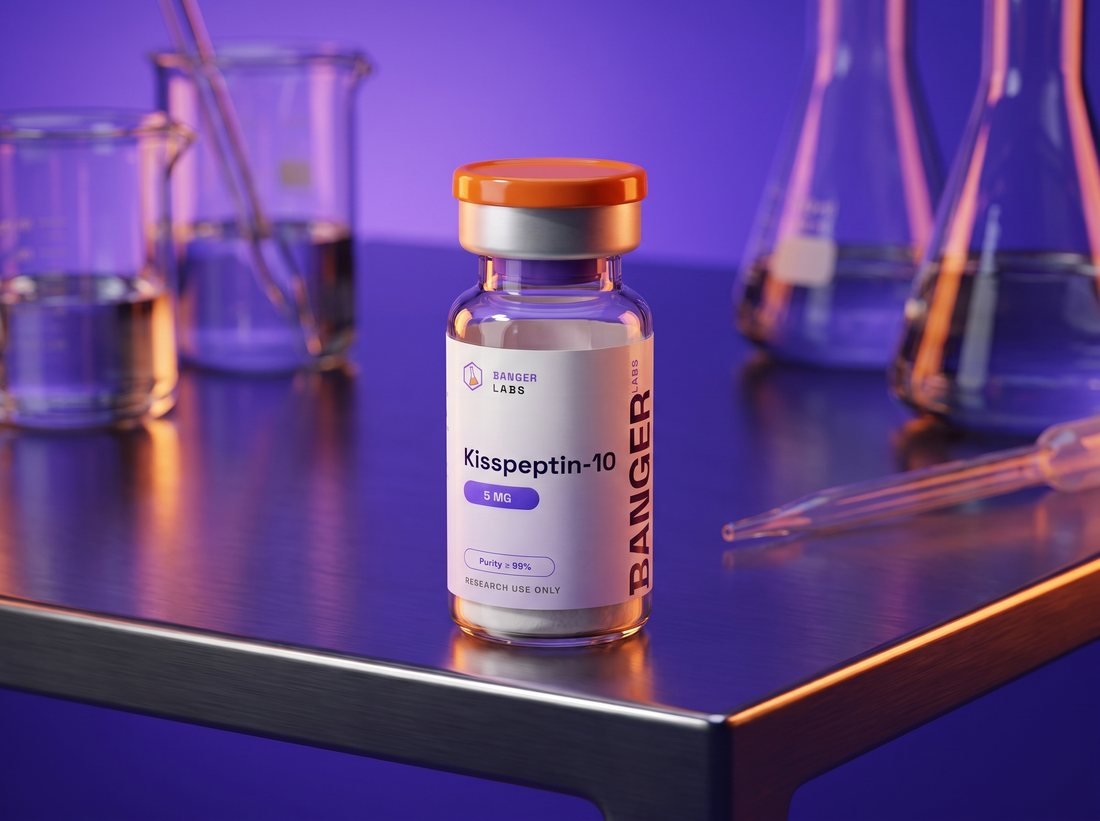
Kisspeptin-10 is held to a ≥ 99% HPLC purity standard with a Certificate of Analysis available per batch. Reconstitute with bacteriostatic water and store refrigerated; handle strictly for research. See reconstitution & storage.
Frequently asked questions
What is Kisspeptin-10?
Kisspeptin-10 is the smallest fully active fragment of the kisspeptin family, derived from the C-terminal region of the 54-amino-acid kisspeptin (metastin) encoded by the KISS1 gene. Kisspeptins belong to the Arg-Phe-amide (RFamide) peptide family, and KP-10 shares the common C-terminal decapeptide sequence required for receptor binding. It is described in the literature as a research-grade peptide for in vitro and preclinical neuroendocrine studies.
Is Kisspeptin-10 research use only?
Yes. Kisspeptin-10 is supplied strictly for laboratory research — not for human or veterinary use, and not as a drug, food, or supplement.
Does Banger Labs provide a COA for Kisspeptin-10?
Yes — a Certificate of Analysis (HPLC purity + mass-spec identity) is available per batch on request. See the COA Library.
References
- International Union of Basic and Clinical Pharmacology. LXXVII. Kisspeptin receptor nomenclature, distribution, and function — Pharmacological Reviews (PubMed)
- Kisspeptins: a multifunctional peptide system with a role in reproduction, cancer and the cardiovascular system — British Journal of Pharmacology (PMC)
- KiSS-1 and GPR54 as new players in gonadotropin regulation and puberty — Endocrine (PubMed)
- Kisspeptin-10 (KP-10) stimulates osteoblast differentiation through GPR54-mediated regulation of BMP2 expression and activation — Scientific Reports (PMC)
Sources are provided for scientific reference and describe laboratory/preclinical research; they do not constitute medical advice or efficacy claims.
Shop Kisspeptin-10 & related research peptides
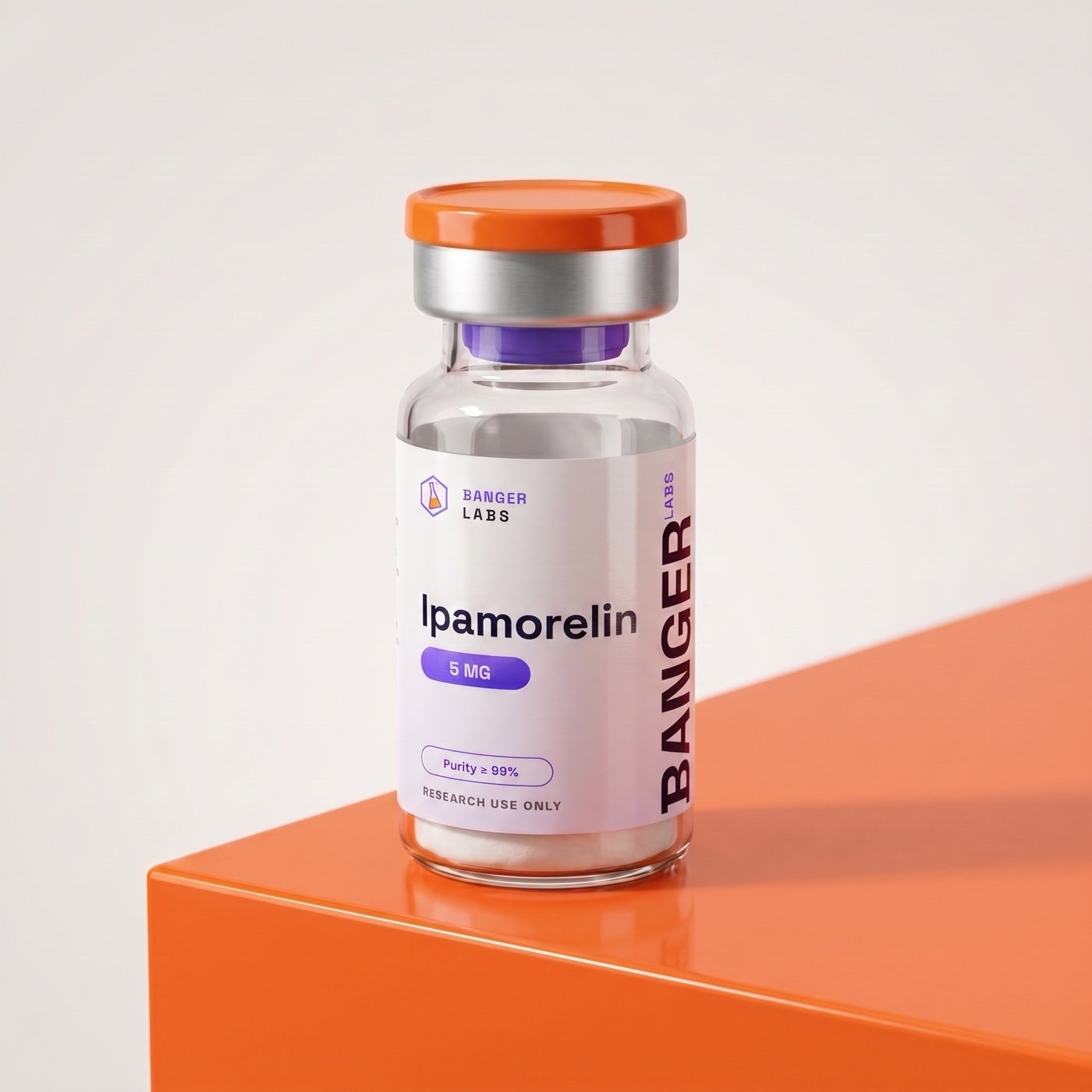
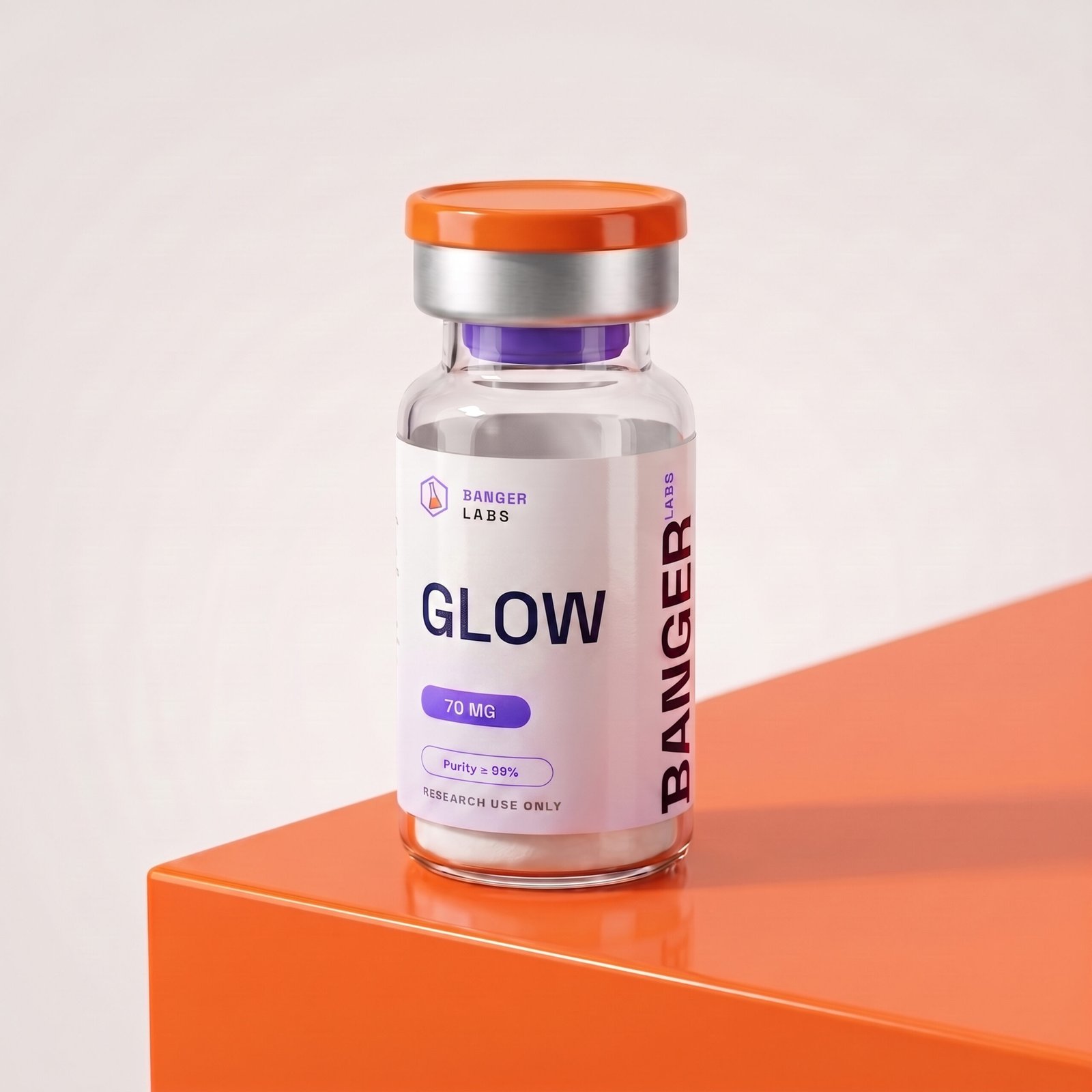
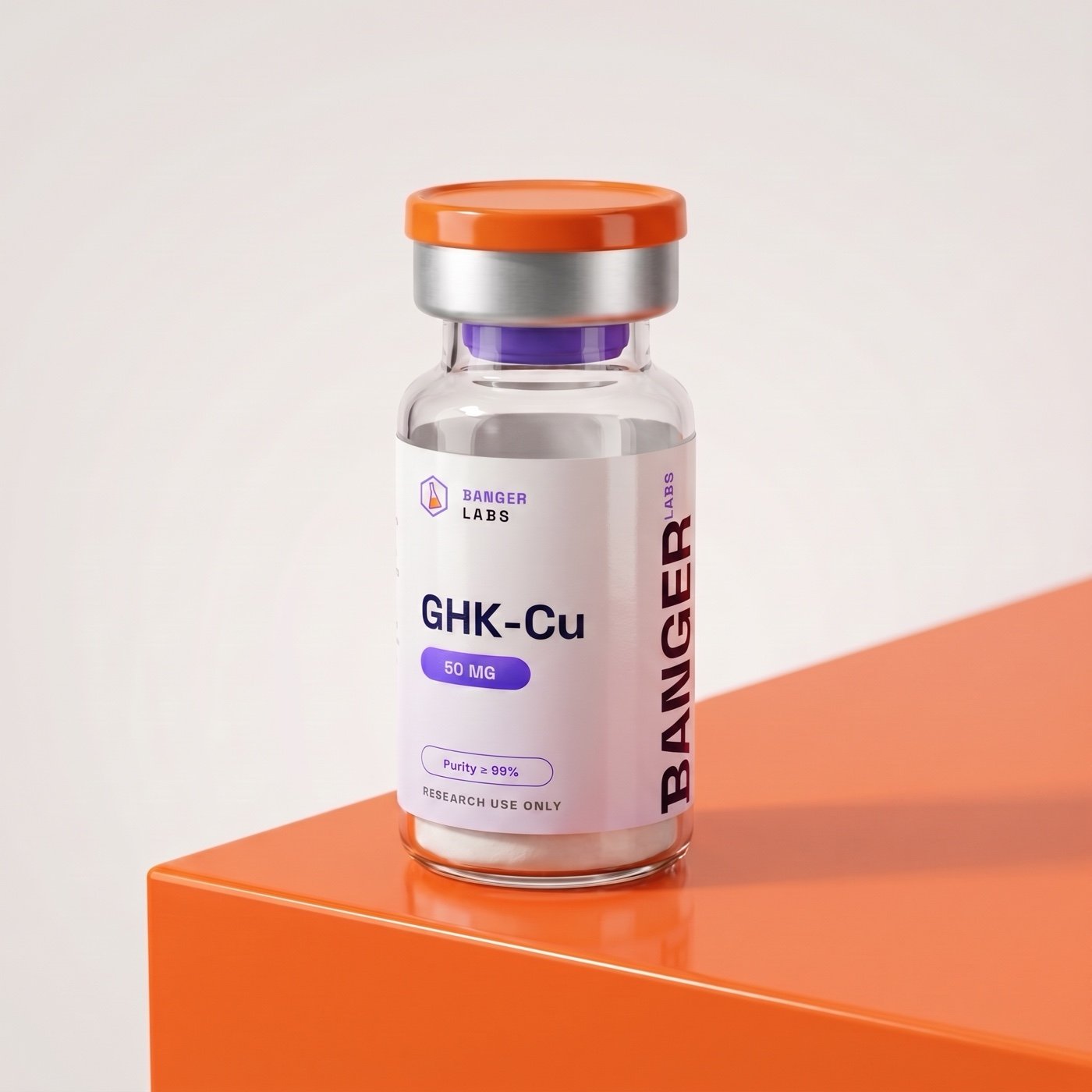
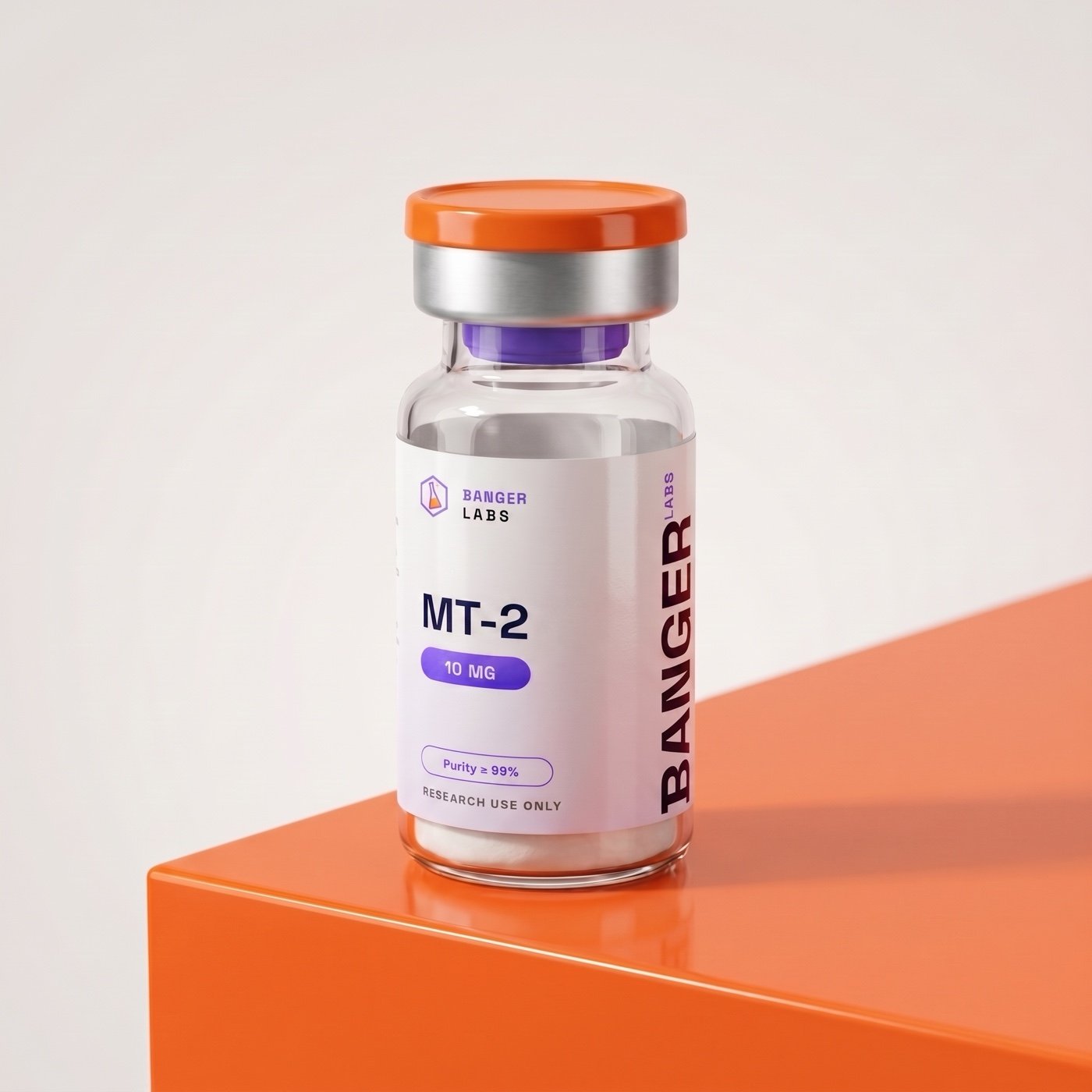
By the Banger Labs Research Team. For research use only. Not for human or veterinary use. Not a drug, food, or cosmetic. Educational information, not medical advice.