By the Banger Labs Research Team · Updated June 2026
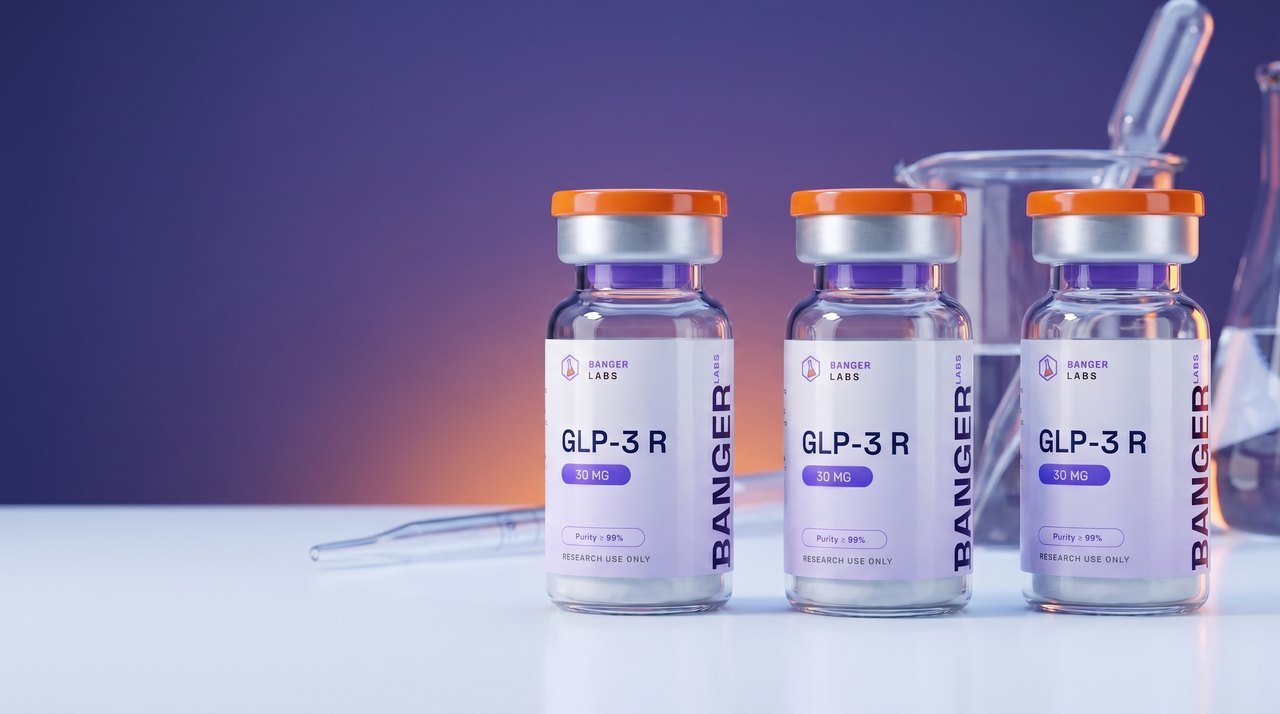
Short answer: Lyophilized (freeze-dried) peptides are the most stable — stored frozen and dark, they last the longest. Once reconstituted with bacteriostatic water, store refrigerated and use within a shorter window. Heat, light, and repeated freeze-thaw reduce stability.
Storage at a glance
Maximizing stability
Keep lyophilized vials frozen until use, minimize freeze-thaw cycles, protect from light, and reconstitute with bacteriostatic water using gentle swirling. See the full reconstitution & storage guide and the calculator.
Frequently asked questions
How long do reconstituted peptides last?
Stored refrigerated and dark, typically within weeks; always follow compound-specific guidance and your COA.
Do peptides need to be frozen?
Sealed lyophilized vials are best kept frozen; reconstituted vials are kept refrigerated.
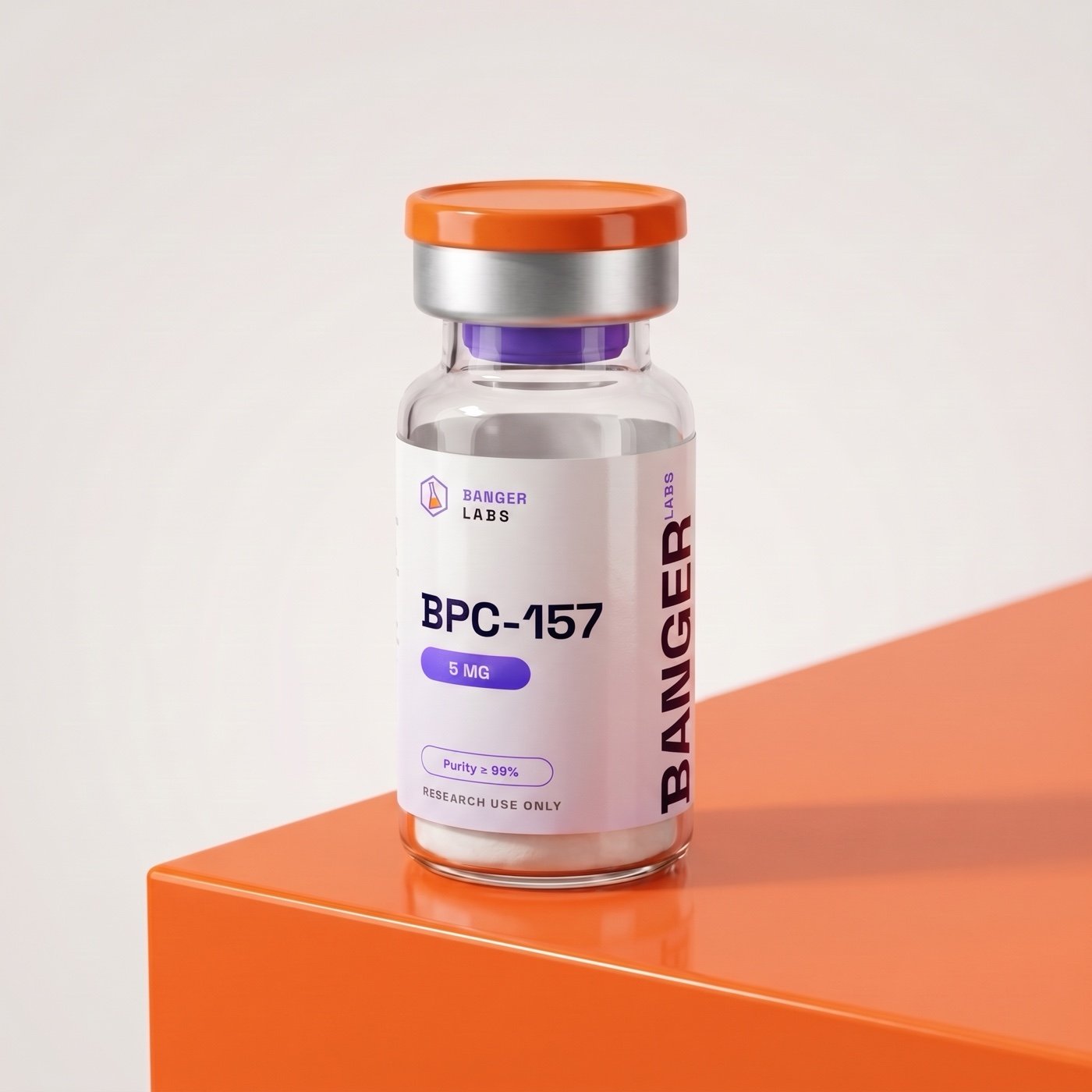
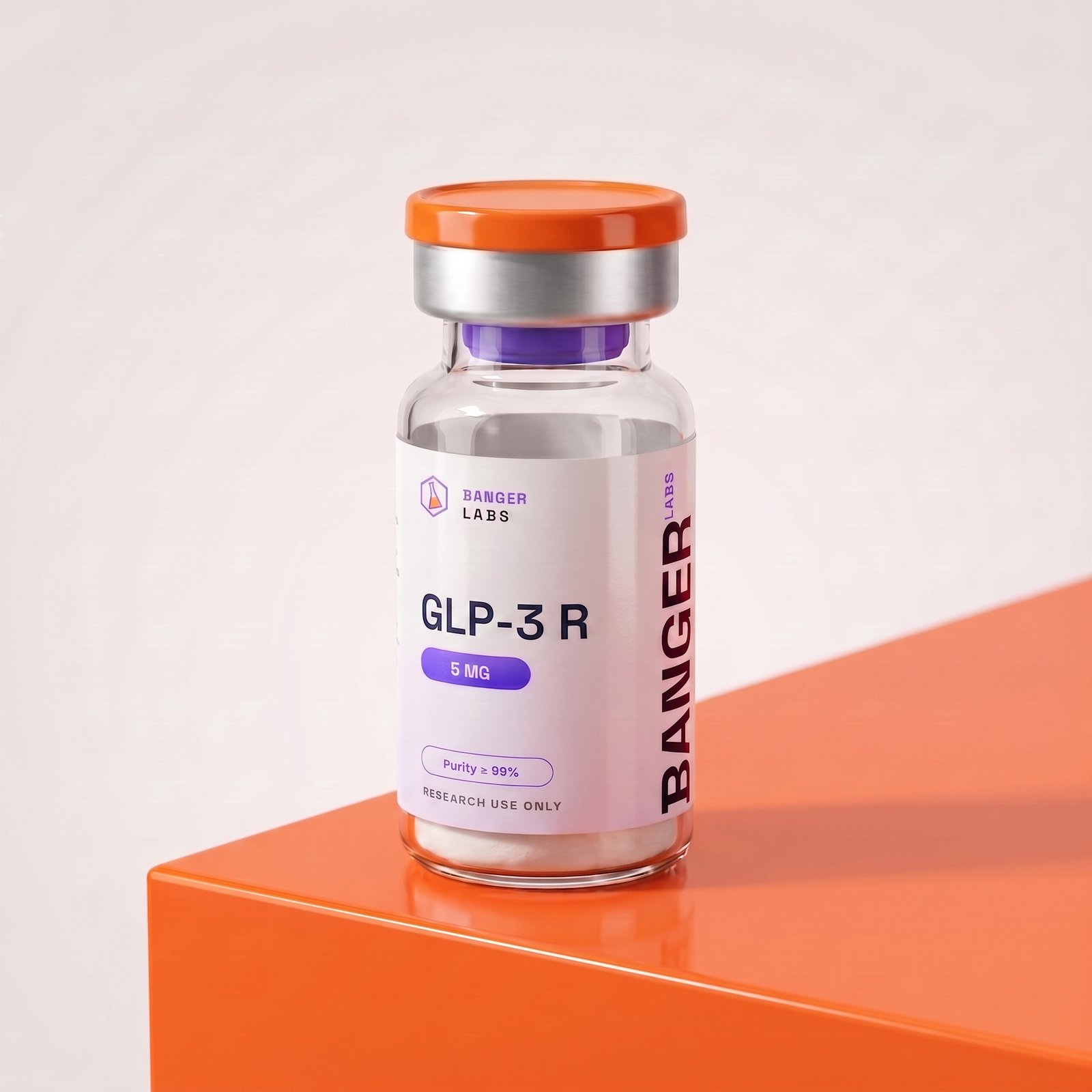
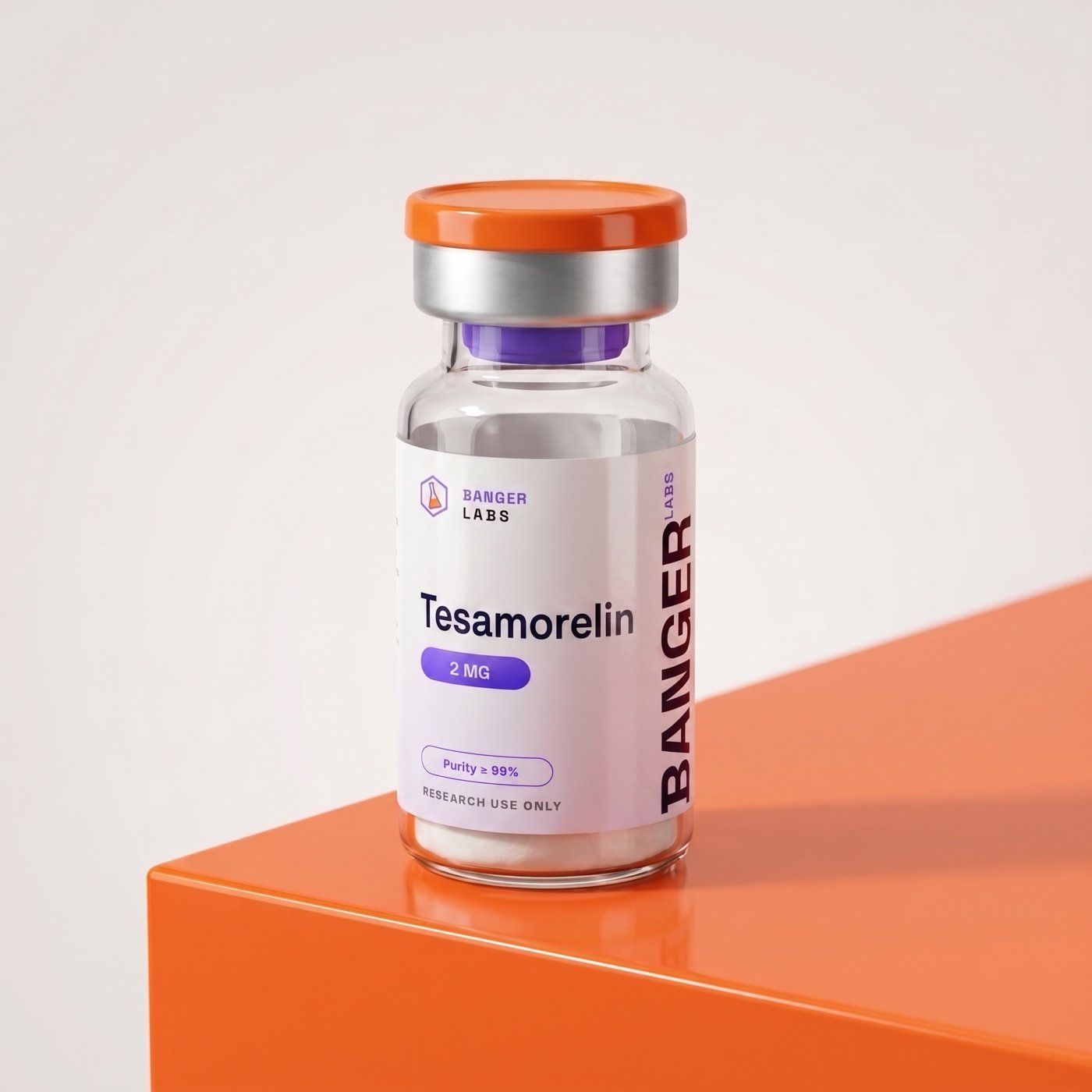
Shop research peptides
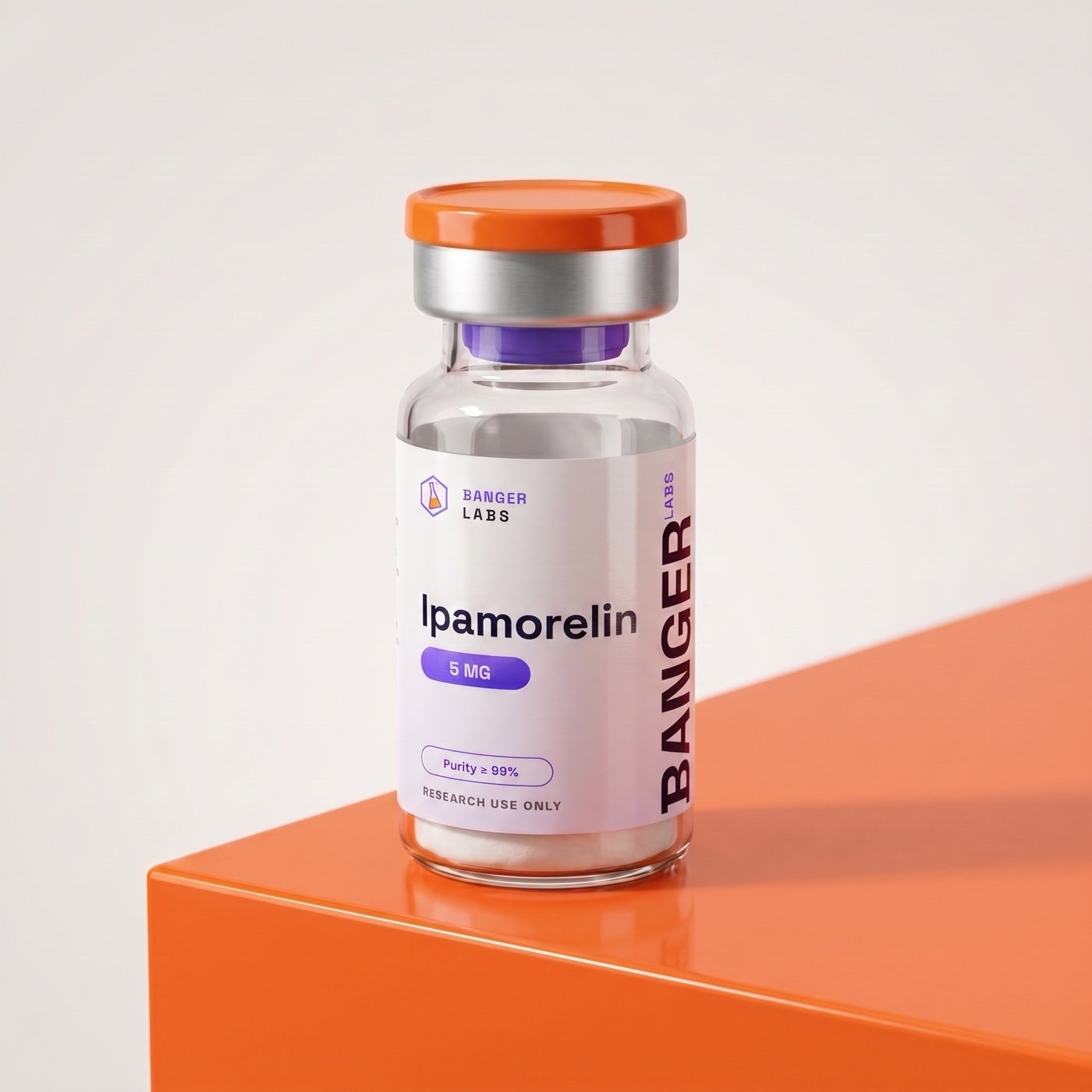
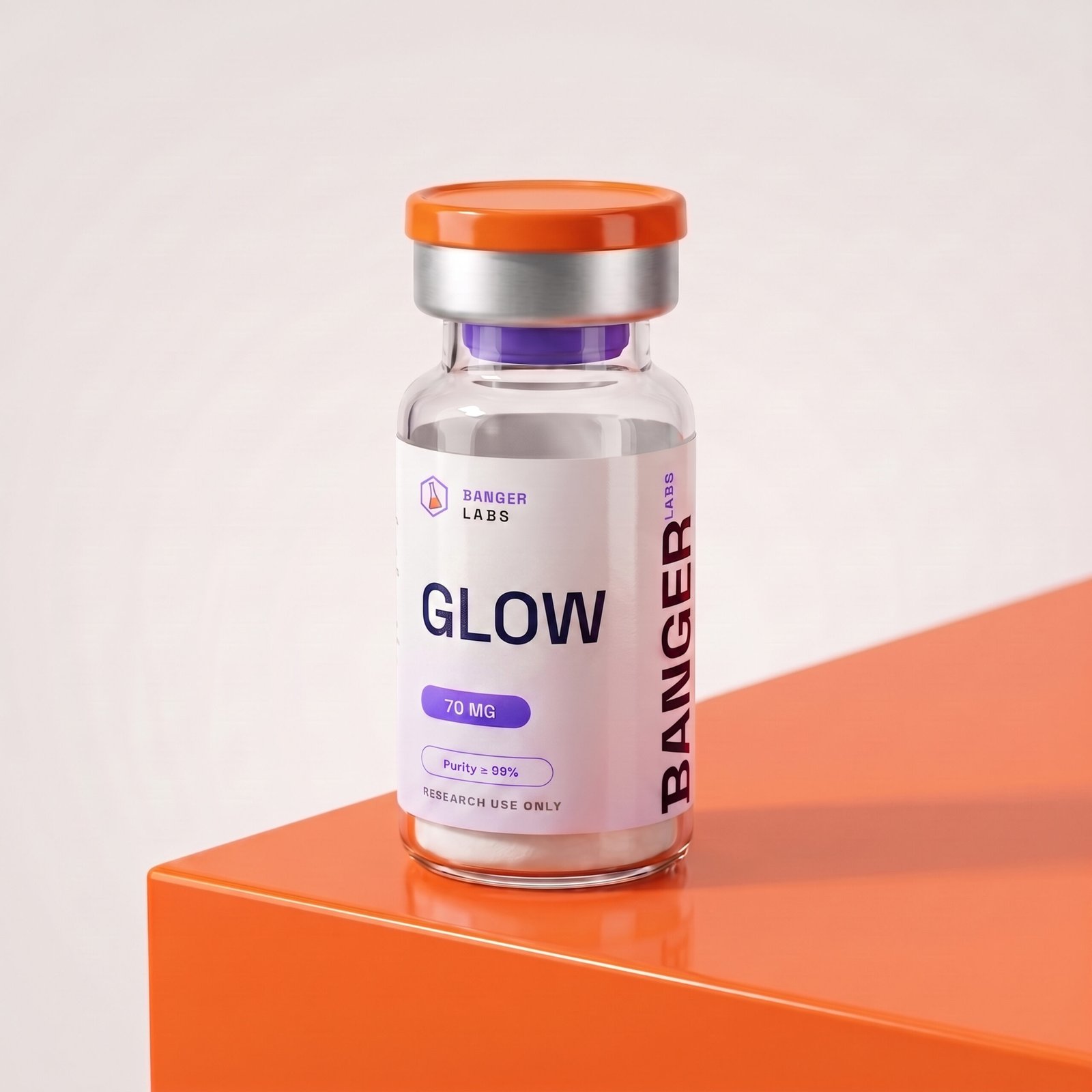
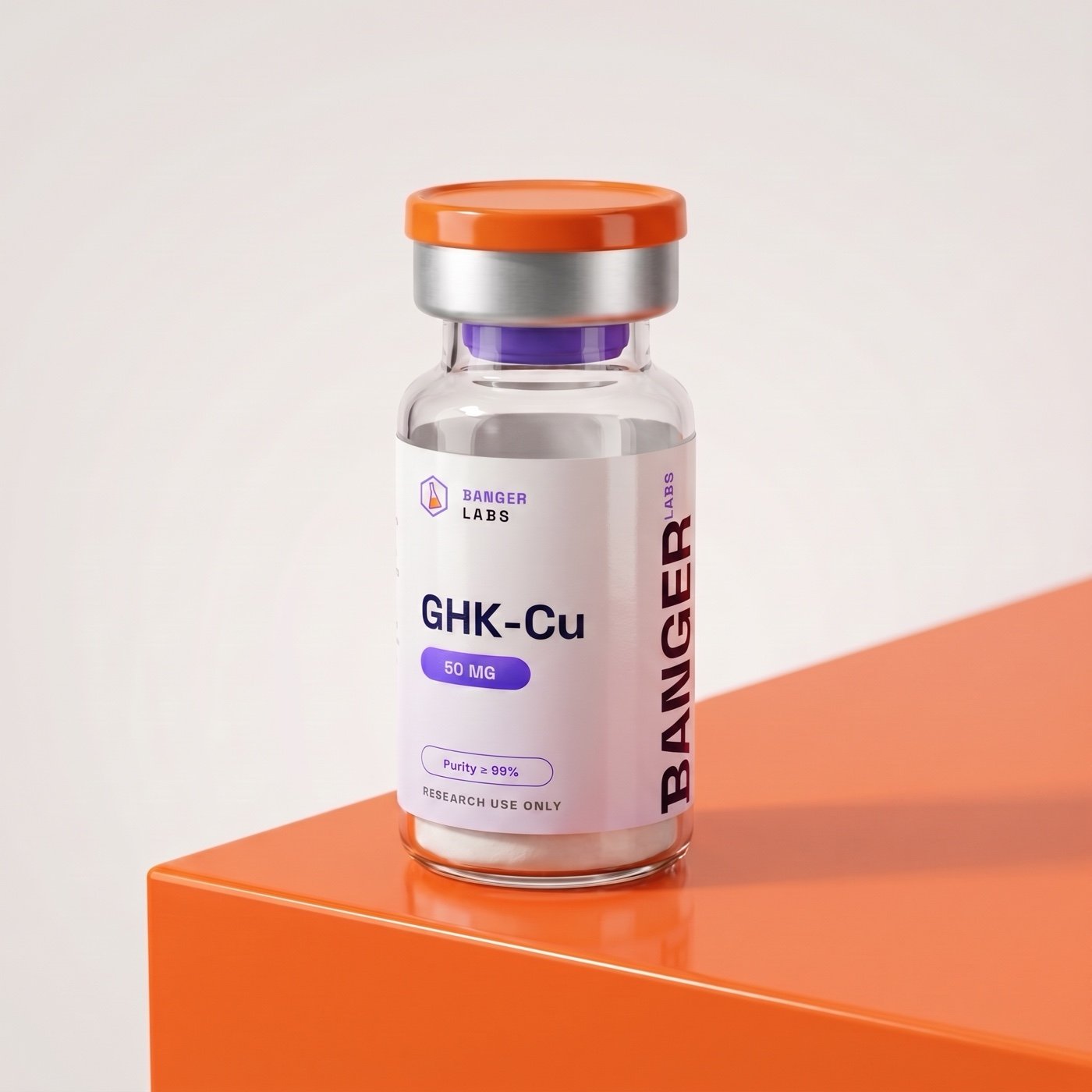
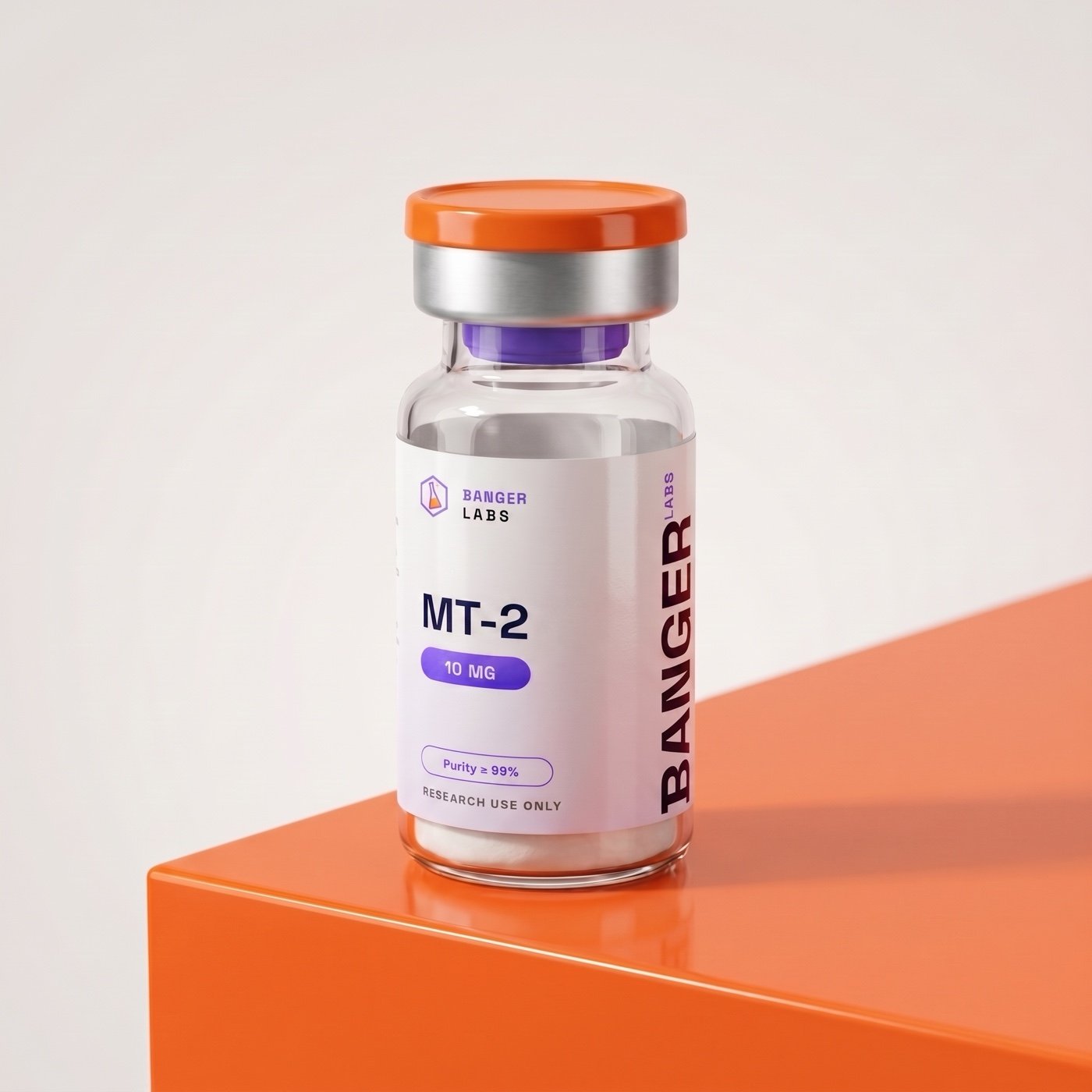
By the Banger Labs Research Team. For research use only. Not for human or veterinary use. Not a drug, food, or cosmetic. Educational information, not medical advice.