By the Banger Labs Research Team · Updated June 2026
Why half-life matters in research
Half-life shapes experimental design — dosing frequency in a model, washout periods, and interpretation of results. Peptides engineered for stability (e.g., GHRH analogs vs native GHRH) are modified specifically to extend it.
What influences a peptide’s half-life
Amino-acid sequence and length, chemical modifications (acylation, cyclization, D-amino acids), susceptibility to enzymatic degradation, and administration route in the research model. Because values vary widely by source and method, we do not publish single fixed figures — consult the literature and your COA.
Frequently asked questions
What is a peptide’s half-life?
The time for half the compound to be cleared from a system; it determines how long it remains active in a research model.
Why do half-life figures vary?
They depend on the model, route, and method — always cite the specific study rather than a single number.
Shop research peptides
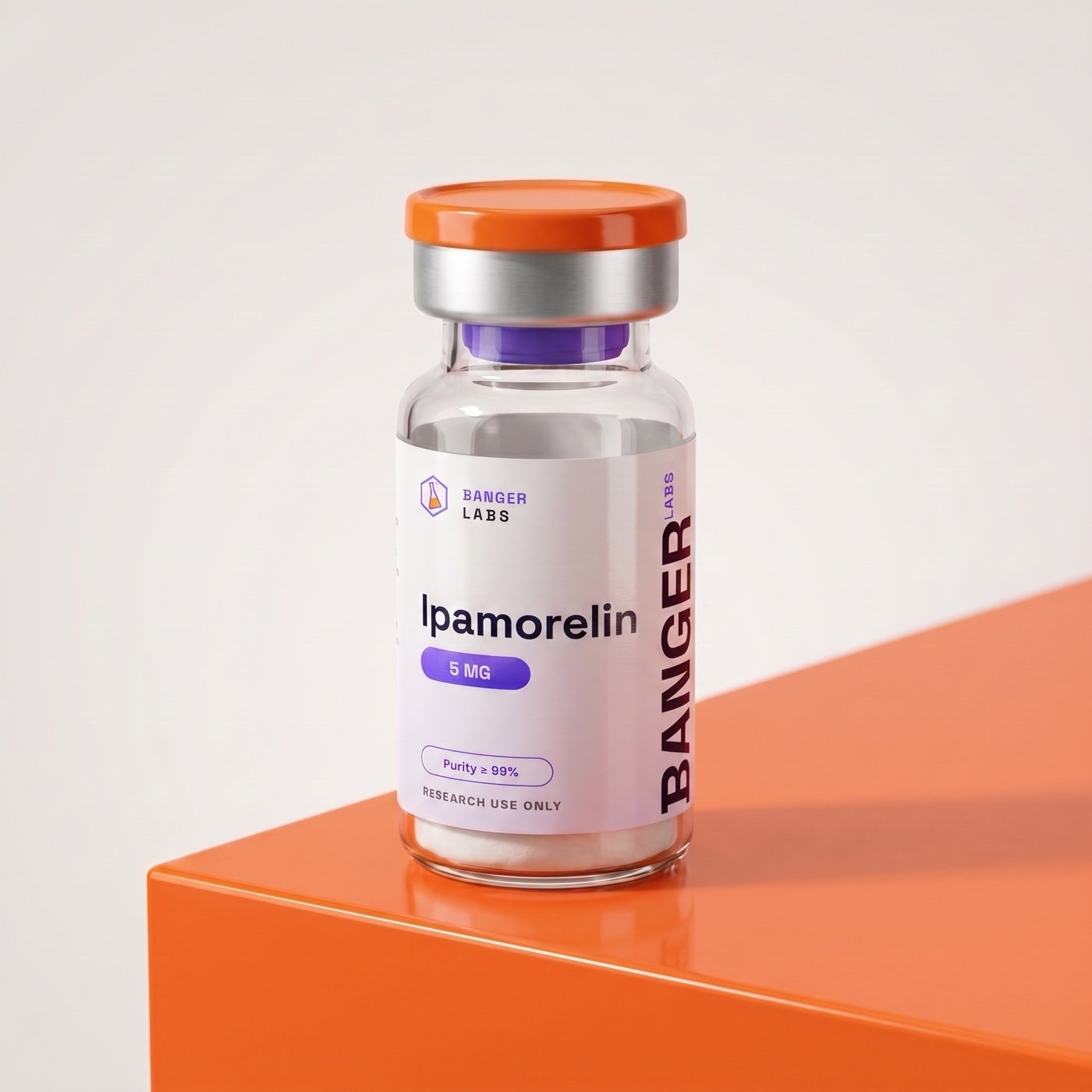
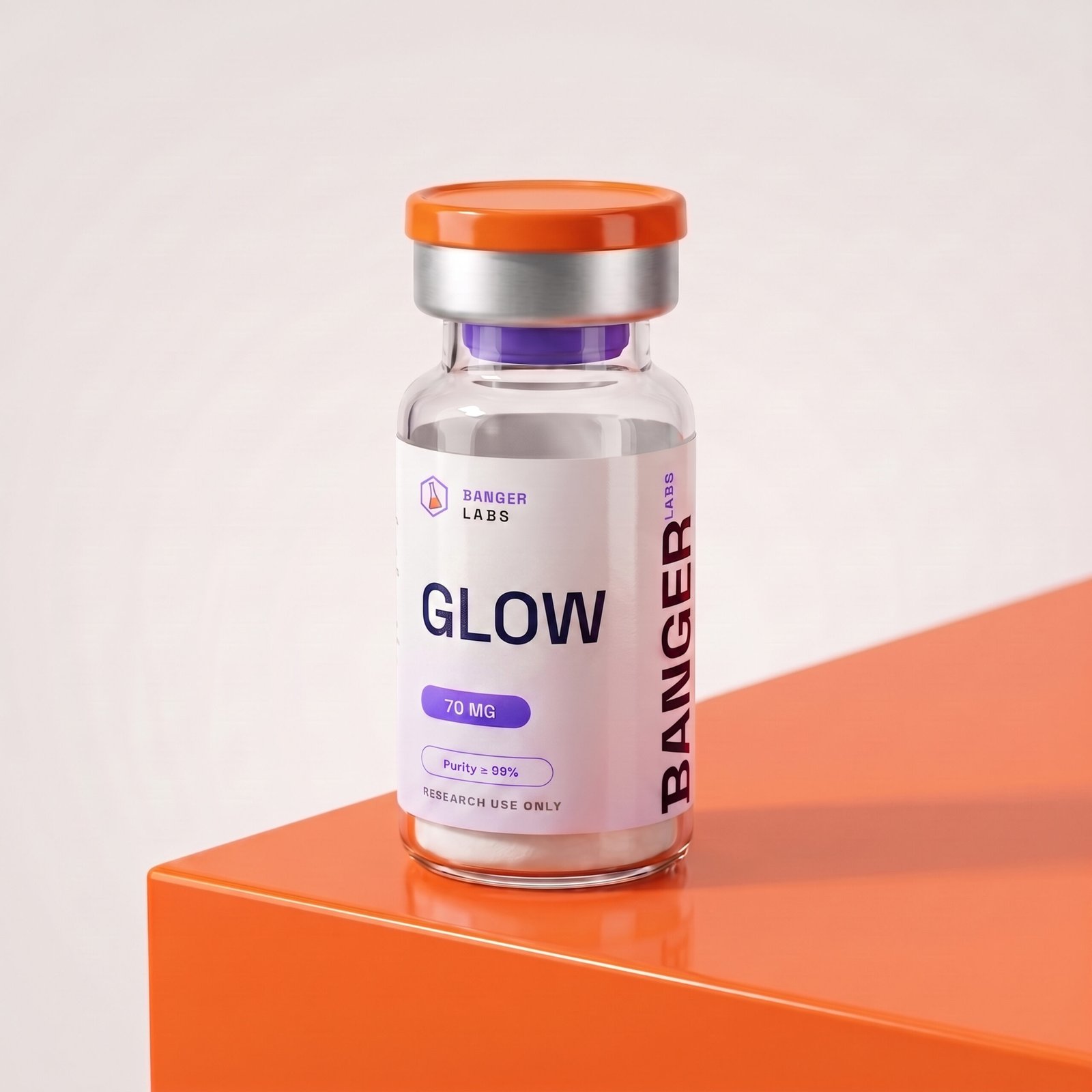
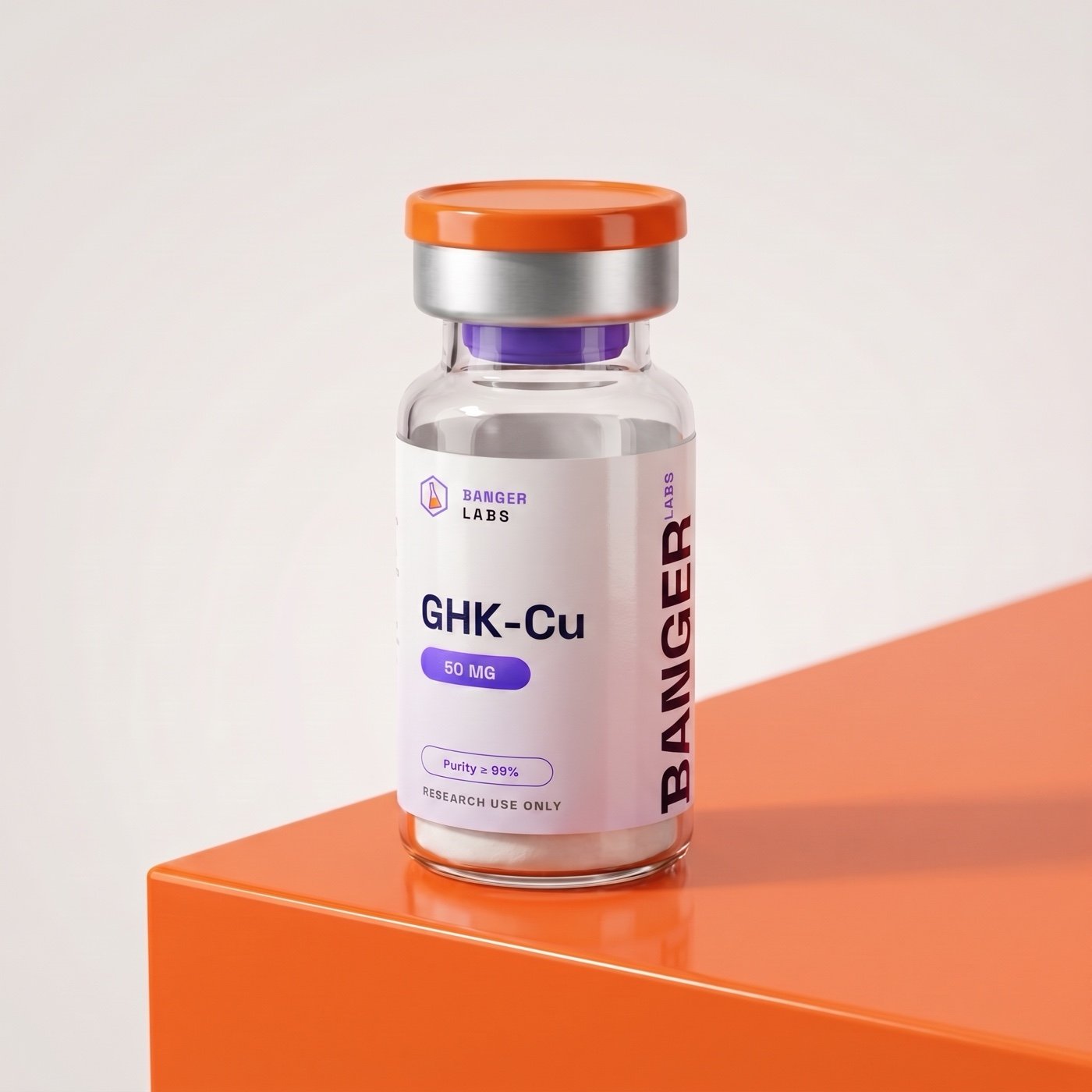
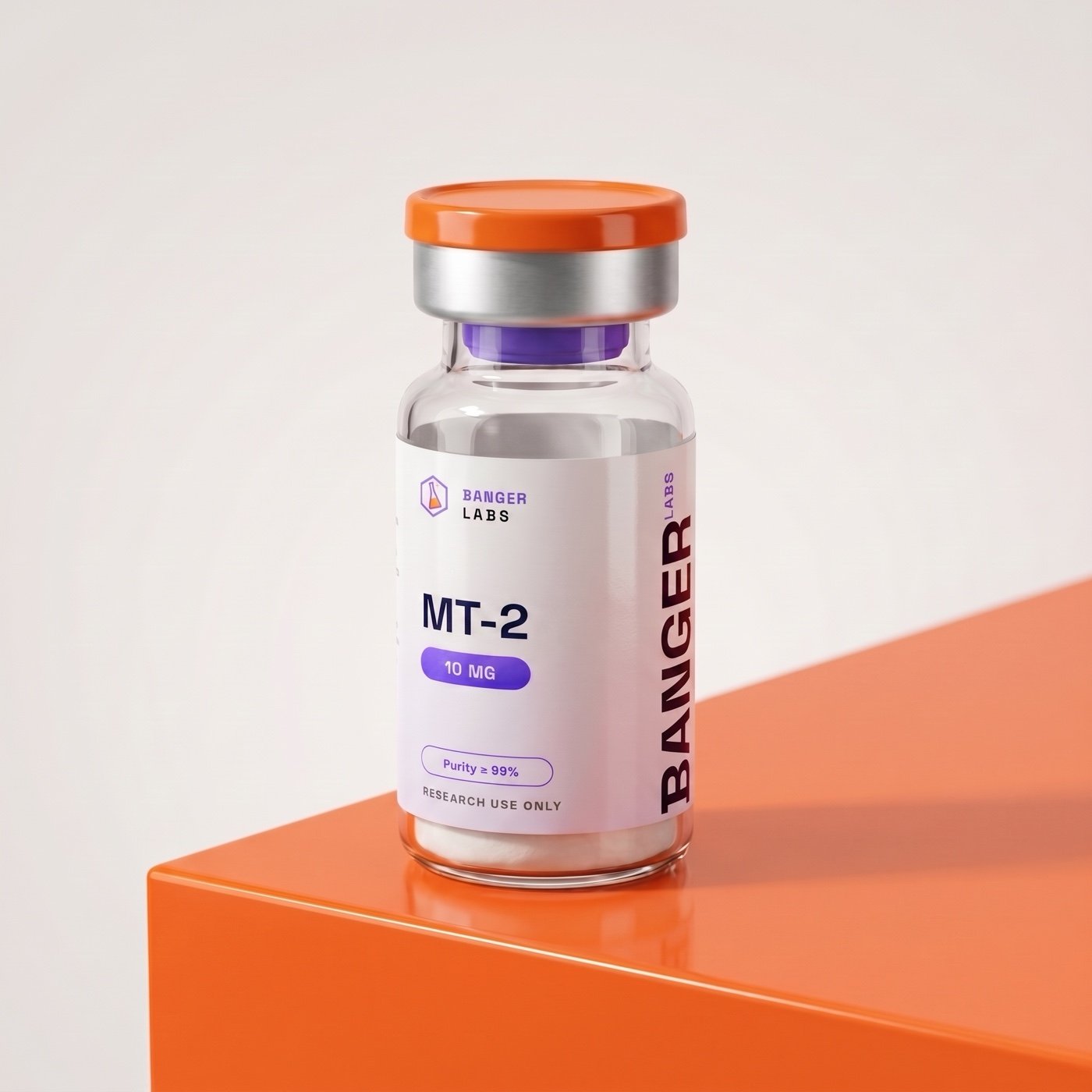
By the Banger Labs Research Team. For research use only. Not for human or veterinary use. Not a drug, food, or cosmetic. Educational information, not medical advice.