By the Banger Labs Research Team · Updated June 2026
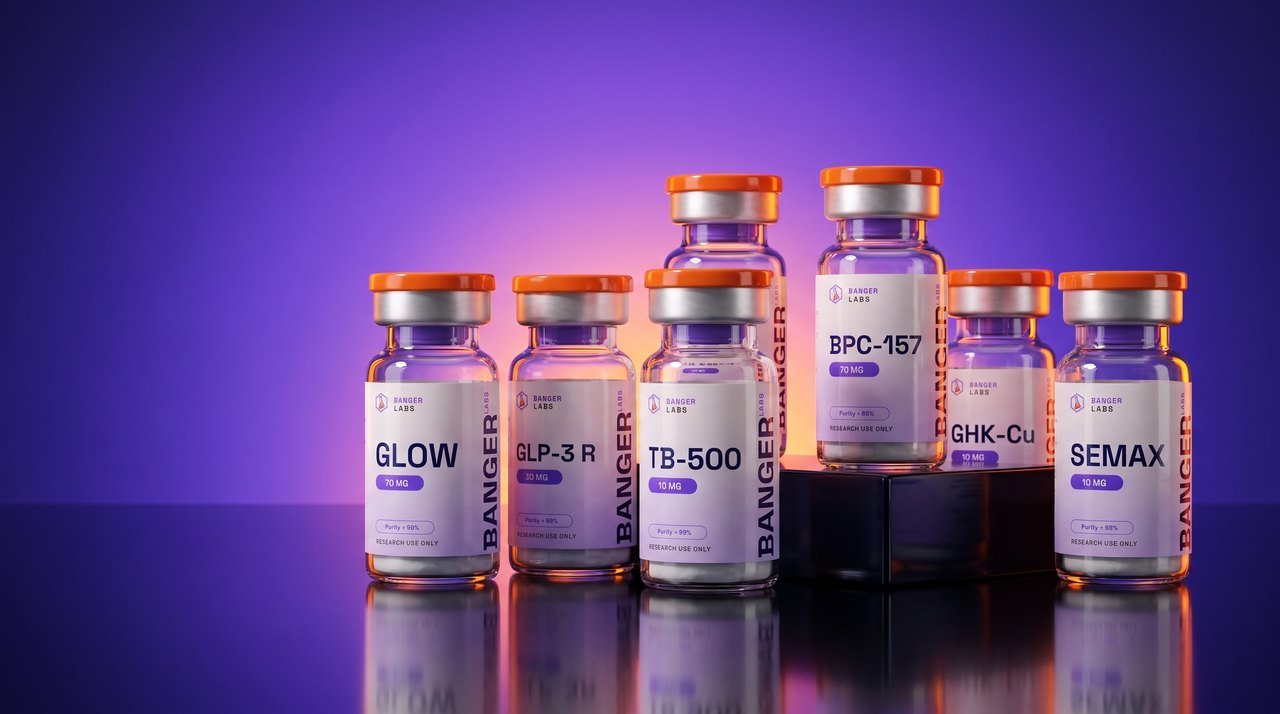
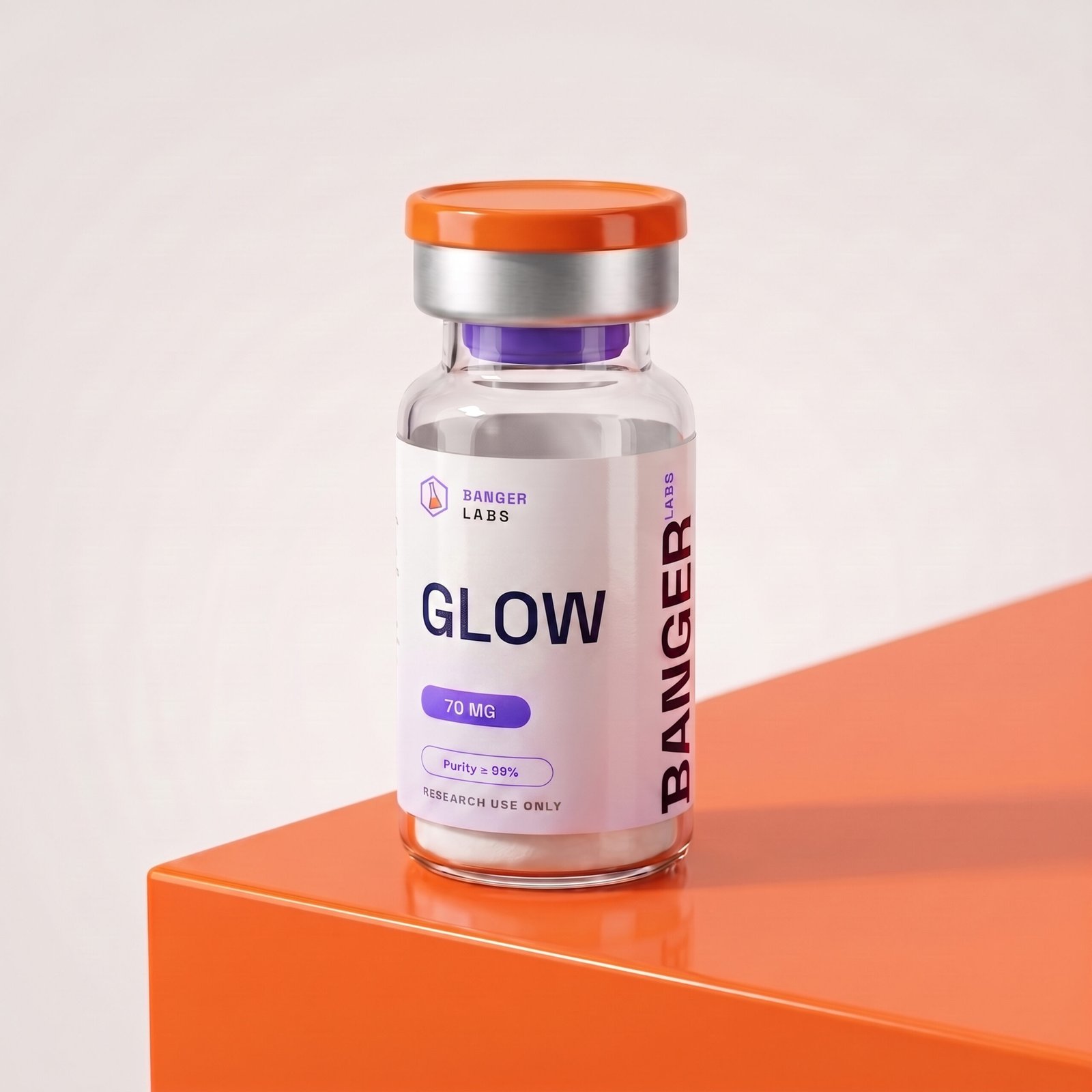
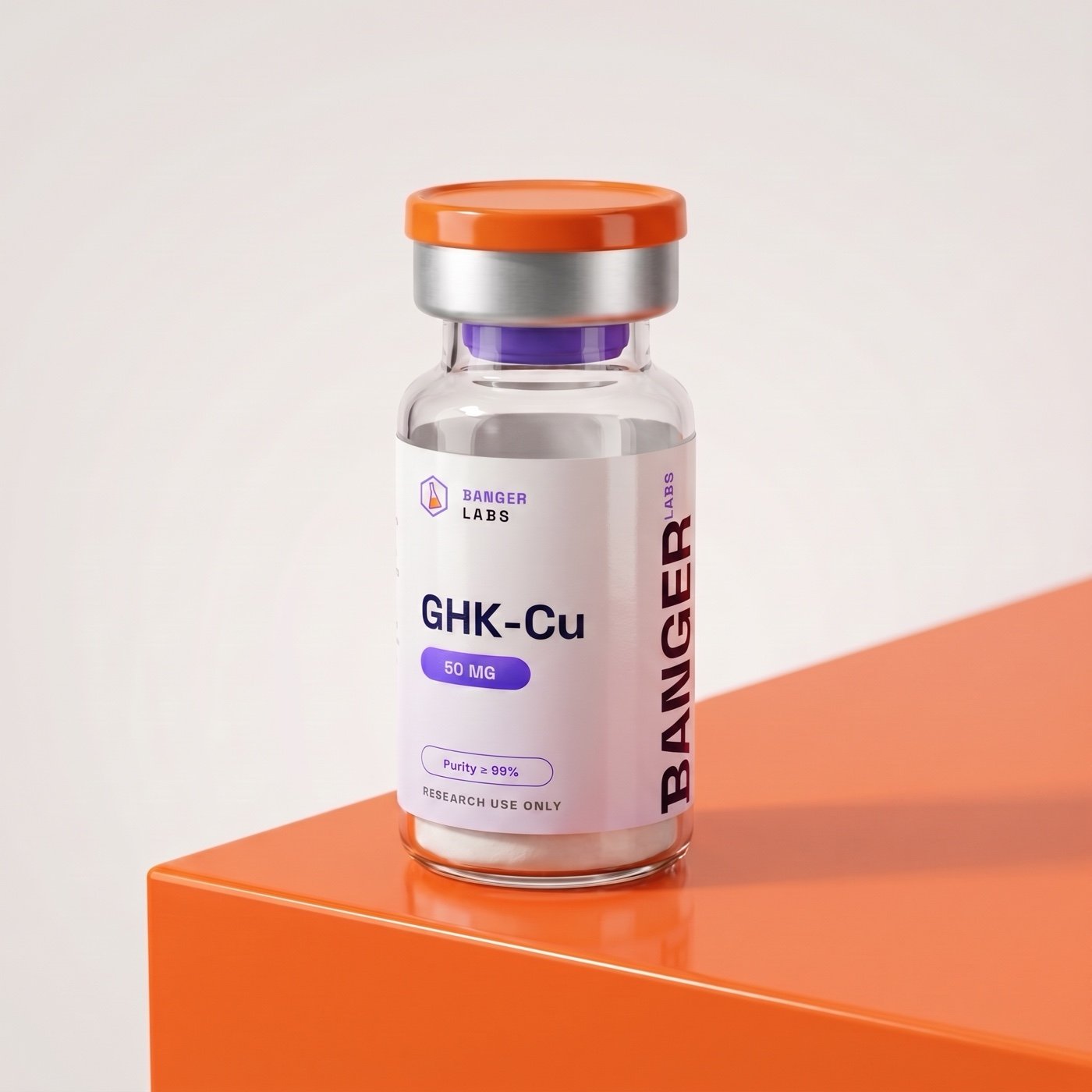
Short answer:BPC-157 is a gastric-derived pentadecapeptide studied for systemic tissue and GI repair; GHK-Cu is a copper-binding tripeptide studied for skin, extracellular-matrix, and regenerative research. They act through different mechanisms and are sometimes combined (e.g., in the GLOW blend).
At a glance
How they differ
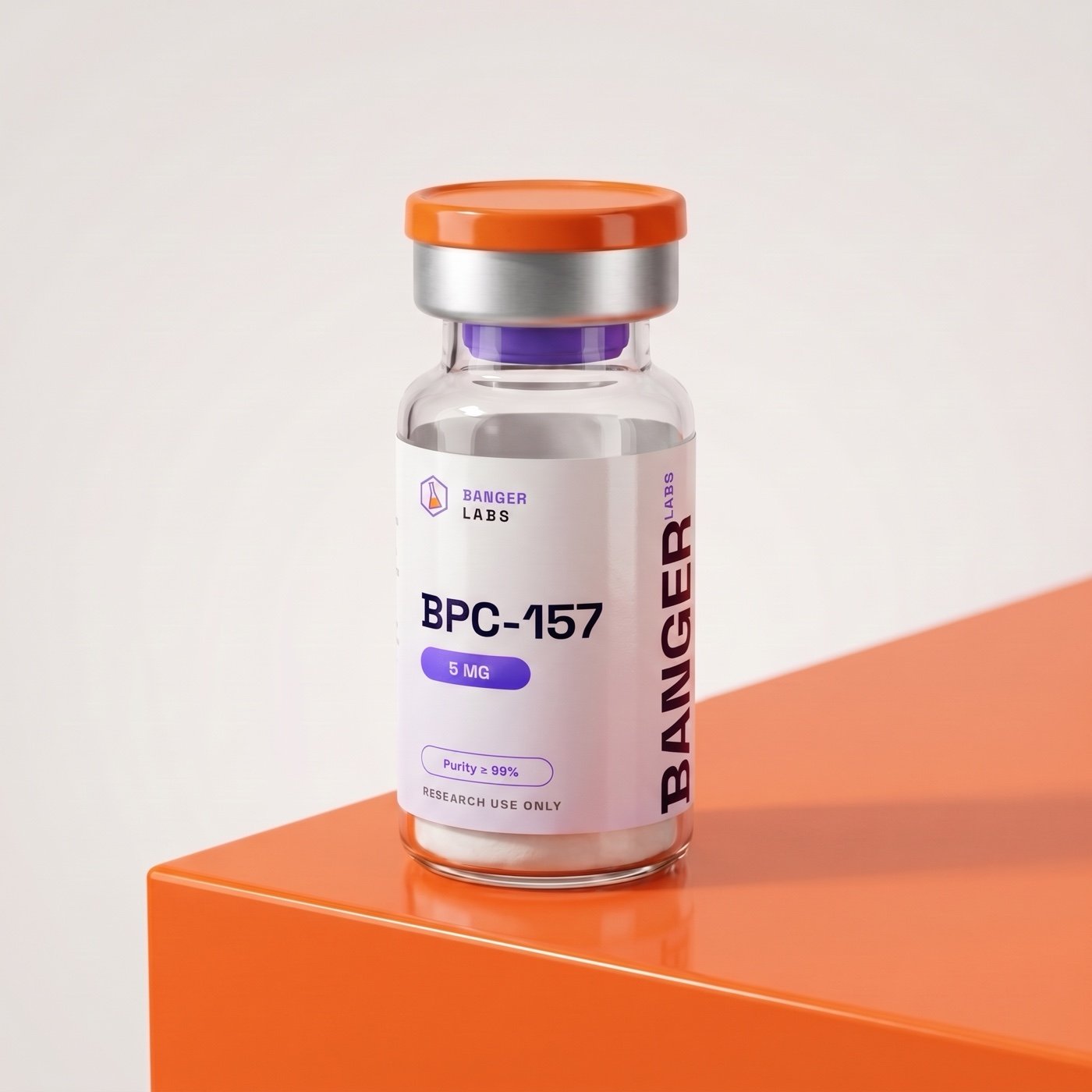
BPC-157 is studied for broad, systemic repair signaling, while GHK-Cu’s research centers on copper-dependent remodeling of the extracellular matrix and skin. Because their mechanisms are complementary, they appear together in repair-research blends.
Frequently asked questions
Can BPC-157 and GHK-Cu be used together in research?
They are studied together and combined in the GLOW blend with TB-500.
Which is better, BPC-157 or GHK-Cu?
They are studied for different contexts (systemic repair vs skin/ECM); “better” depends on the research model. Both are research use only.
Shop research peptides
By the Banger Labs Research Team. For research use only. Not for human or veterinary use. Not a drug, food, or cosmetic. Educational information, not medical advice.