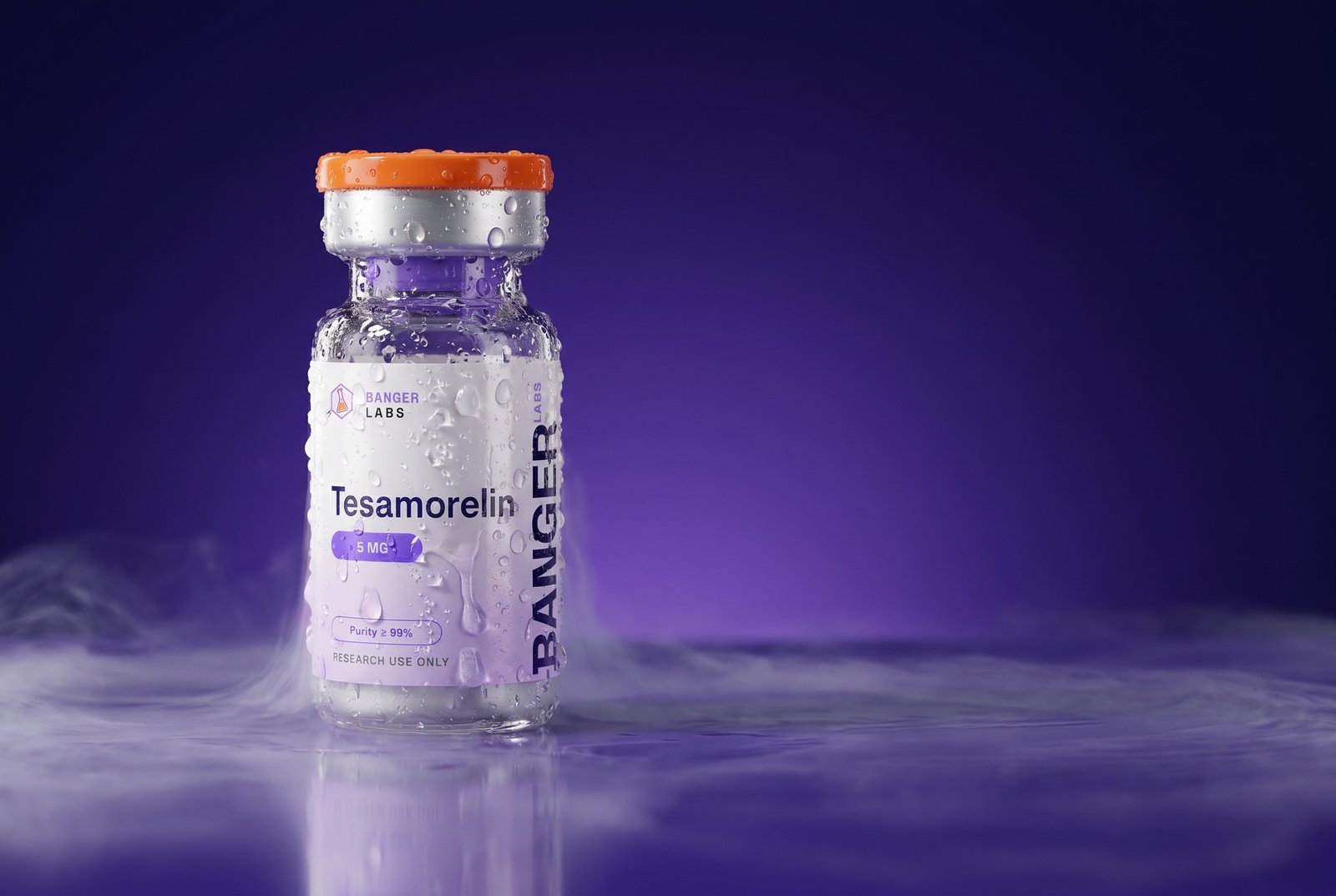
If you have shopped for peptides online, you have seen the phrase “research use only” on every label and disclaimer. It is not marketing boilerplate — it is a specific compliance designation that defines what these materials are, who they are sold to, and the documentation a serious supplier is expected to provide. Here is what it actually means.
The short version
“Research use only” (often shortened to RUO) means a material is intended for laboratory and research applications — not for human or veterinary consumption, and not as a drug, supplement, or cosmetic. Reputable peptide suppliers sell exclusively on these terms, label every product accordingly, and document the identity and purity of each batch so researchers can trust what they are working with.
What “research use only” means in practice
The RUO designation comes from how laboratory reagents and reference materials are classified. A product labeled research use only is supplied for investigational work — cell culture, assay development, analytical reference, and preclinical study — and is explicitly not evaluated or approved for diagnosing, treating, curing, or preventing disease in humans or animals.
That single distinction drives everything else: how the product is labeled, how it is sold, and what a buyer should expect in return. A compliant RUO supplier will never attach human dosing protocols, therapeutic claims, or “how to cycle” instructions to a product, because doing so would contradict the research-only basis on which it is sold.
- Labeled “For research use only. Not for human consumption.”
- Documented with a per-batch Certificate of Analysis (CoA) confirming identity and purity.
- Sold as a chemical/reference material, not as a drug or supplement.
- Free of medical claims — no treatment, dosing-for-humans, or outcome promises.
Why peptides are sold this way
Most research peptides — from repair compounds like BPC-157 and TB-500 to growth-hormone secretagogues like CJC-1295 and Ipamorelin — are studied extensively in preclinical literature but are not approved pharmaceuticals for general human use. Selling them on a research-use basis is the honest, compliant way to make them available to the laboratories, universities, and independent researchers who study them.
It also protects the buyer. Because the entire transaction is framed around research, a credible supplier competes on the things that matter to a researcher — verifiable purity, batch documentation, and consistency — rather than on exaggerated health claims that should make any careful buyer suspicious.
How researchers actually buy RUO peptides
Buying RUO material is straightforward, but the diligence is different from buying a consumer product. Researchers evaluate the document trail, not the marketing:
- Confirm the product is labeled and sold for research use only.
- Read the Certificate of Analysis for that batch — identity (mass spectrometry) and purity (HPLC). See our guide on how to read a peptide CoA.
- Check that an independent laboratory is named on the CoA and that the result is tied to the specific lot.
- Verify storage and handling guidance, since lyophilized peptides have specific reconstitution and storage requirements.
What a compliant RUO supplier should provide
| Standard | What to look for | Why it matters |
|---|---|---|
| Purity | HPLC purity ≥99%, with an impurity profile | Reproducible research needs a known, consistent material |
| Identity | Mass-spec confirmation matching the expected mass | Proves the vial contains the peptide it claims to |
| Per-batch CoA | A document tied to the exact lot you receive | Spot-checks of “a” batch are not the same as testing yours |
| Independent testing | A named third-party laboratory | Removes the conflict of a vendor grading its own work |
| Honest labeling | “Research use only,” no human-dosing claims | Signals a supplier operating within the RUO framework |
These are the same standards Banger Labs holds every compound to — ≥99% HPLC purity, mass-spec identity, and an openly published CoA for every batch.
Red flags that a supplier is not really operating RUO
- Human dosing charts, “cycles,” or before/after results attached to products.
- Therapeutic or weight-loss claims (“treats,” “cures,” “guaranteed results”).
- No Certificate of Analysis, or a single generic CoA reused across every product.
- Purity stated with no testing method or no named laboratory.
- No clear “research use only / not for human consumption” labeling.
Any one of these suggests a seller more interested in marketing than in the documentation that defines legitimate research material.
How Banger Labs documents every batch
Every compound in our catalog is supplied for research use only, tested by an independent laboratory for HPLC purity (≥99%) and mass-spec identity, and shipped with a per-batch Certificate of Analysis that we publish openly in our CoA Library. You can read the documentation before you ever place an order — which is exactly how research material should be bought. Browse the full catalog or start with our fragments and copper peptides and secretagogues research categories.
Common questions
Does “research use only” mean the peptide is illegal?
No. It means the material is sold for laboratory and research use, not as an approved drug or supplement for human consumption. Compliant suppliers label and sell on exactly these terms.
Can a research-use-only label be trusted if there are no human-use claims?
That is the point — the absence of human-dosing and therapeutic claims is a sign the supplier is operating within the RUO framework. Trust is built on the Certificate of Analysis: HPLC purity and mass-spec identity from a named laboratory.
What documentation should come with an RUO peptide?
A per-batch Certificate of Analysis tied to the lot you receive, showing HPLC purity and mass-spec identity confirmation, with the testing laboratory named. Banger Labs publishes these openly.
Why is purity so important for research peptides?
Reproducible research depends on a known, consistent material. A purity figure such as ≥99% by HPLC, plus an impurity profile, tells a researcher exactly what they are working with from one batch to the next.
Related research reading
References
- U.S. Food & Drug Administration — “Research Use Only and Investigational Use Only In Vitro Diagnostic Products” (labeling guidance). https://www.fda.gov/regulatory-information/search-fda-guidance-documents/distribution-vitro-diagnostic-products-labeled-research-use-only-or-investigational-use-only
- U.S. FDA — General device labeling regulations, 21 CFR Part 809. https://www.ecfr.gov/current/title-21/chapter-I/subchapter-H/part-809
Banger Labs supplies materials for laboratory and research use only. Not for human consumption. Not intended to diagnose, treat, cure, or prevent any disease. Statements have not been evaluated by the FDA.
Shop research peptides
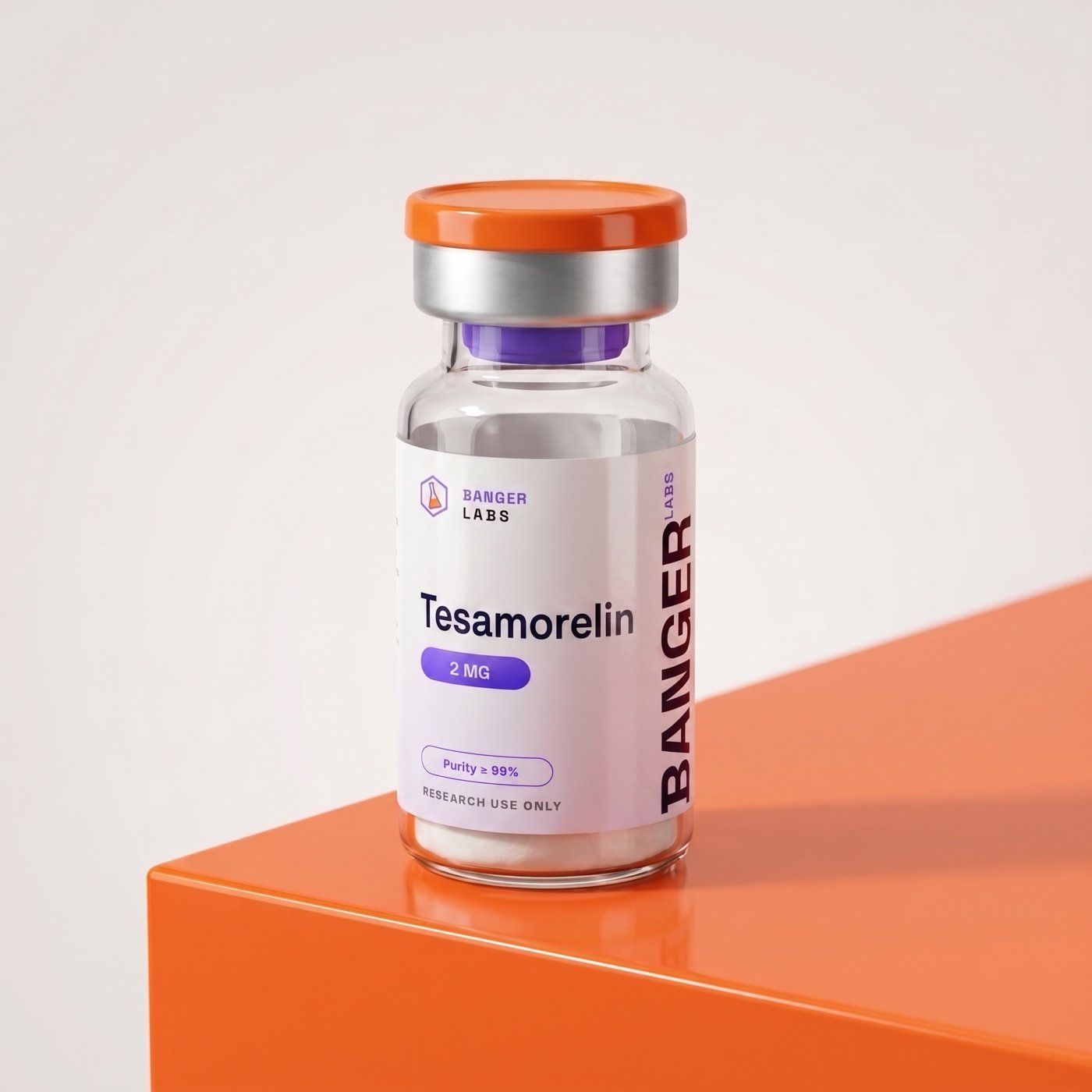
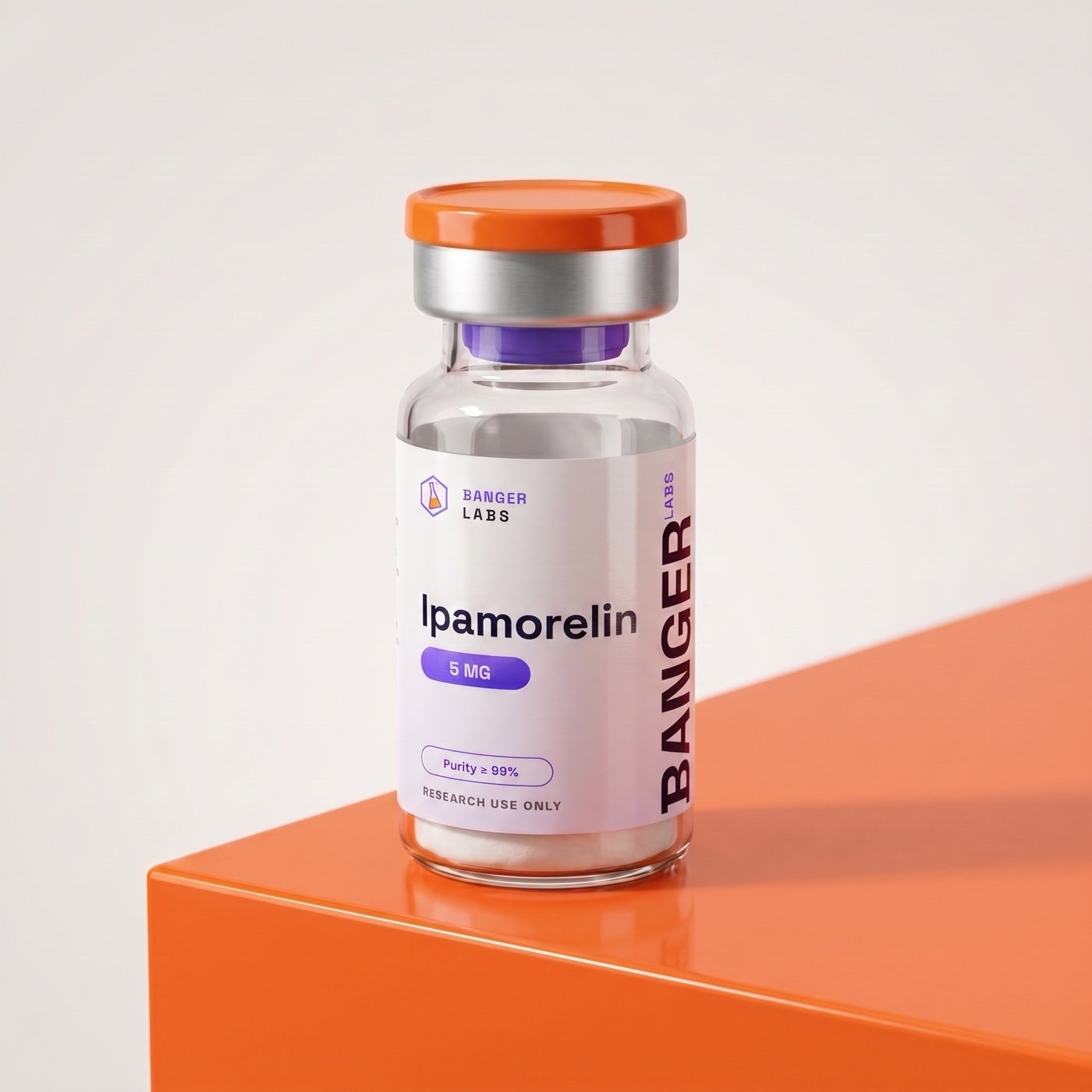
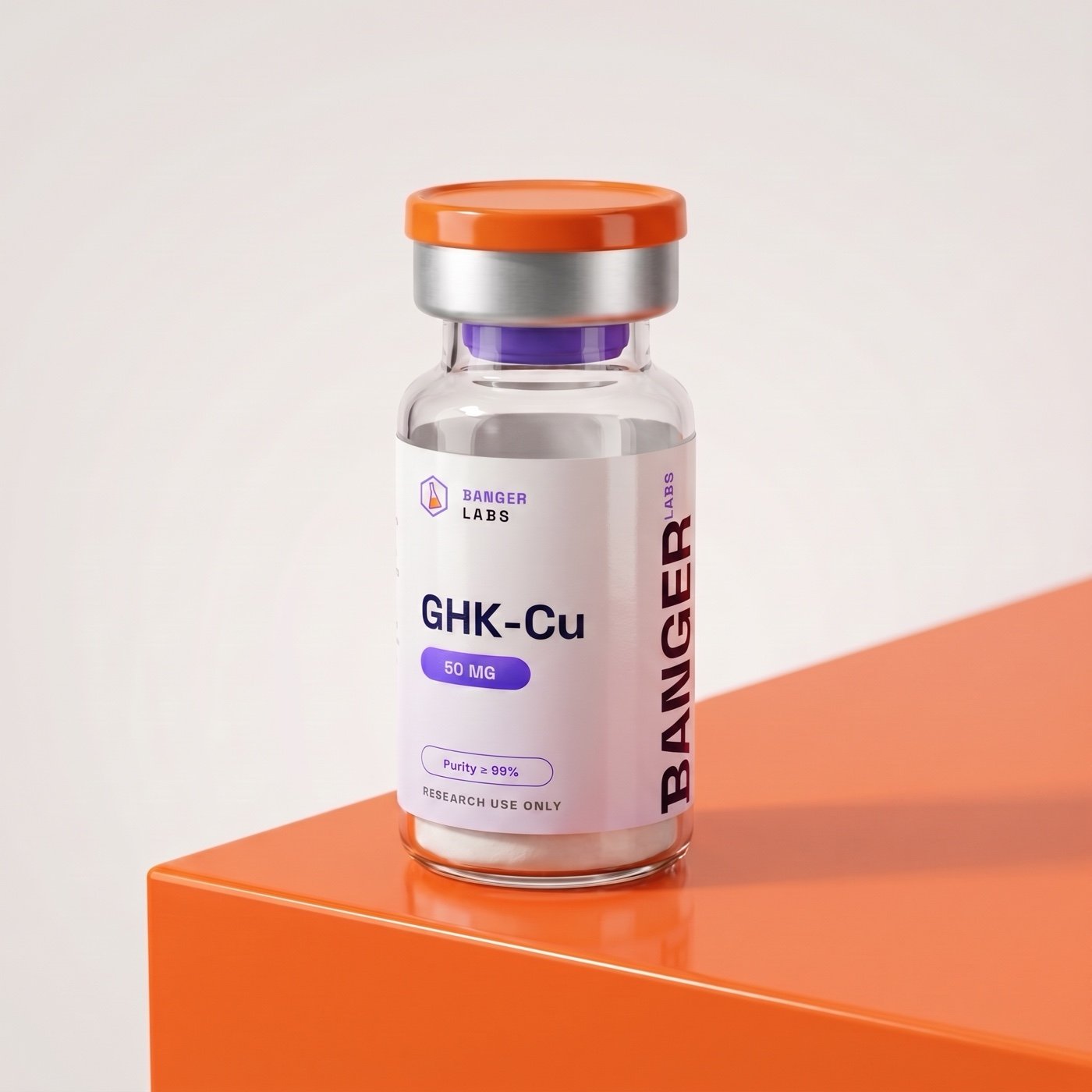
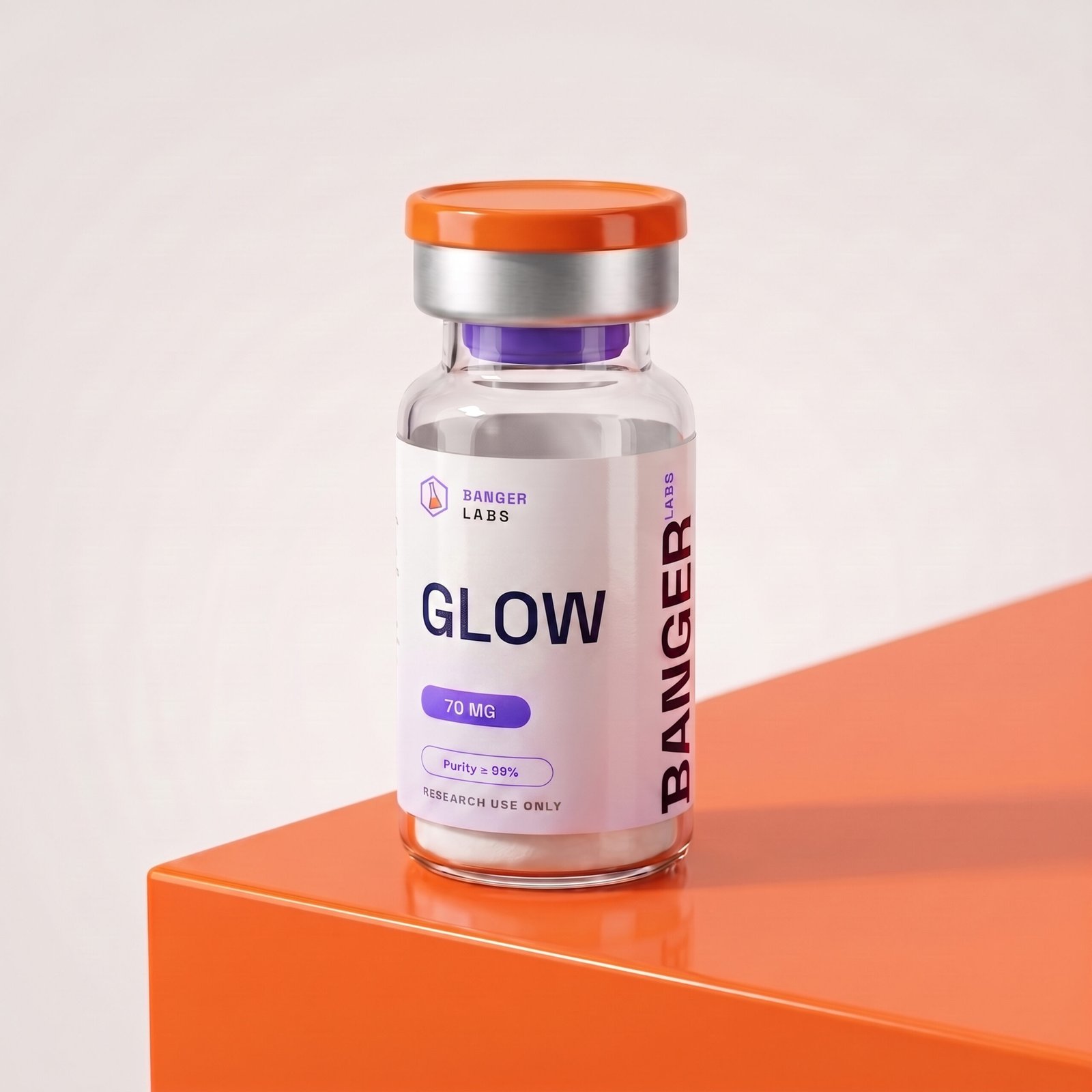
Research-grade, ≥ 99% HPLC standard, COA per batch:
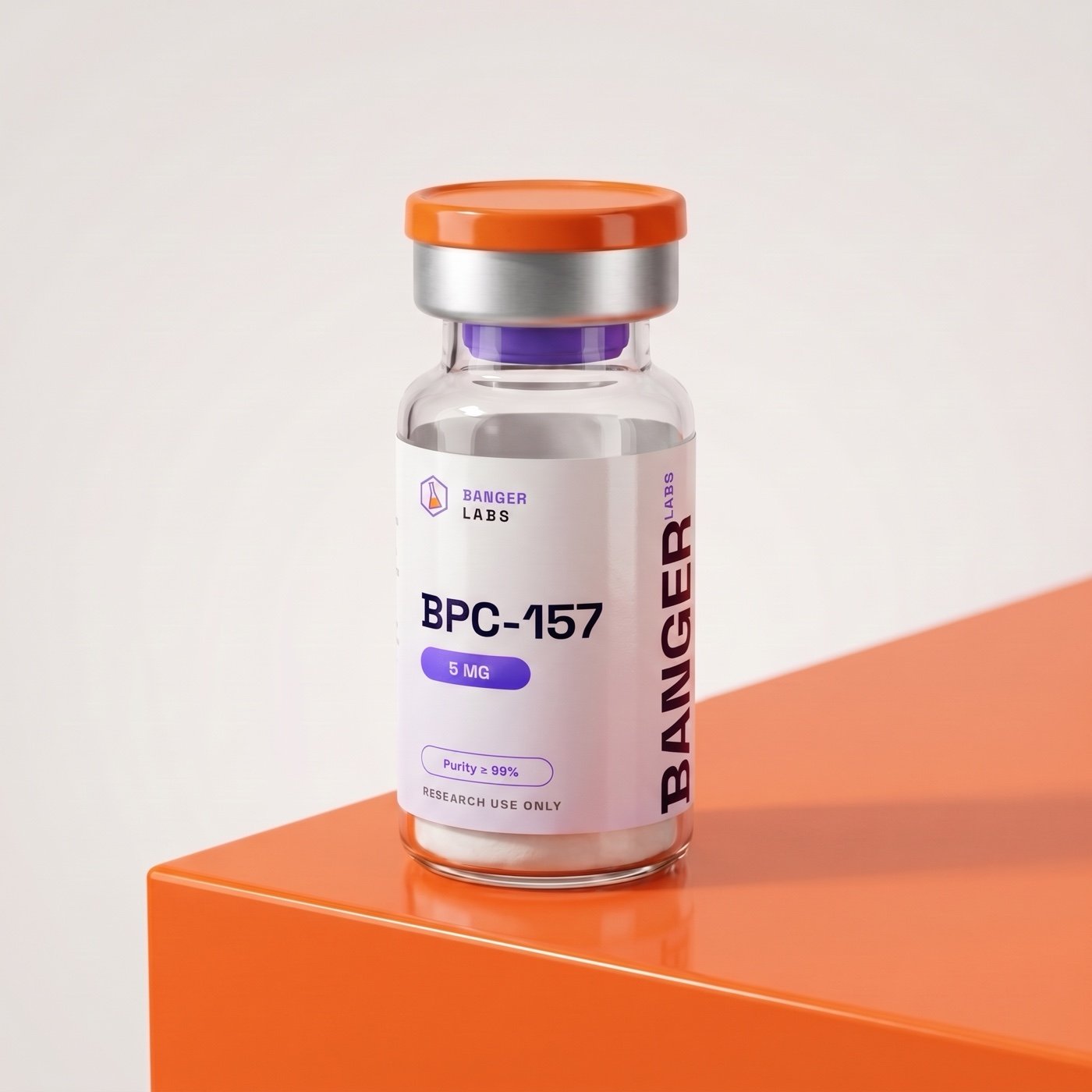
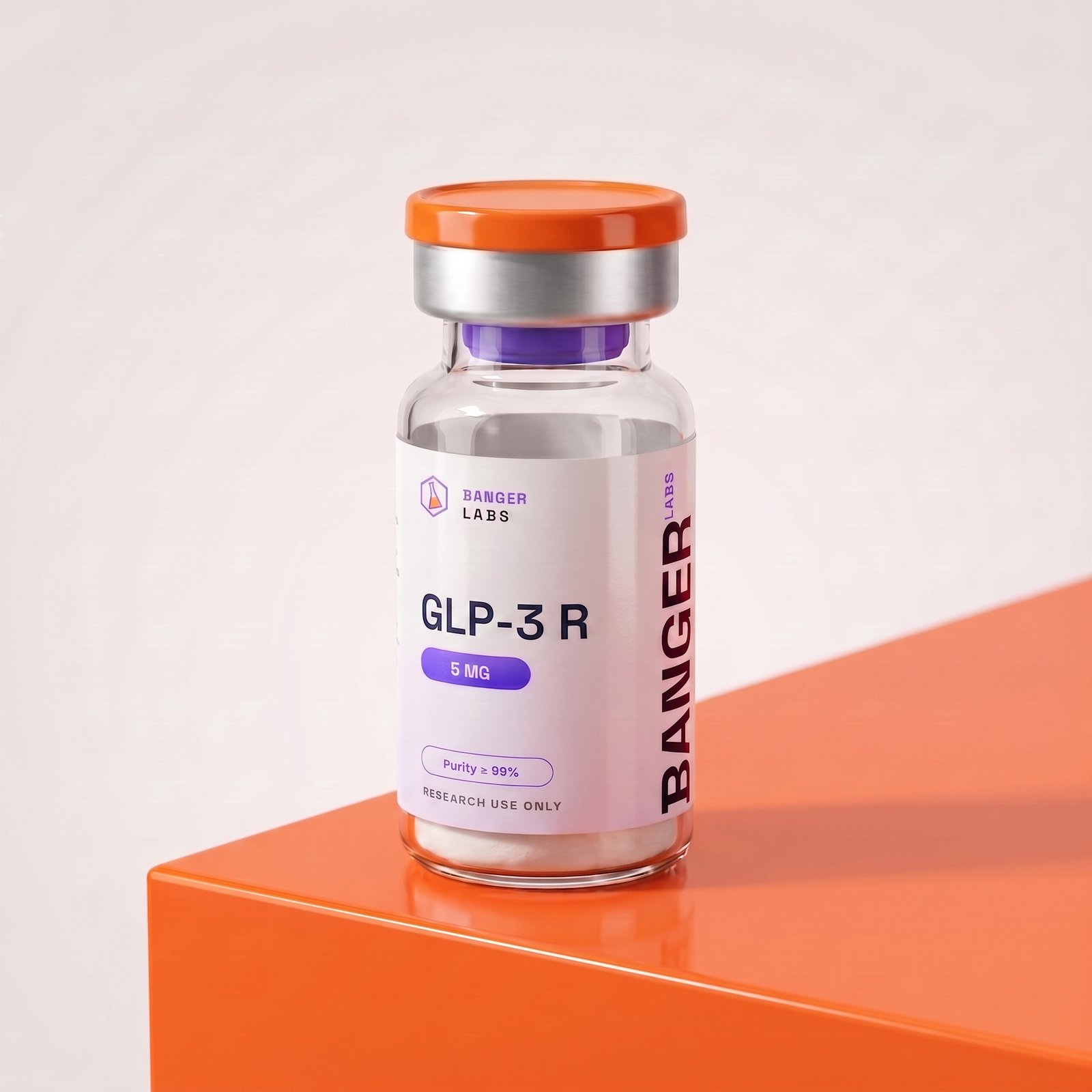
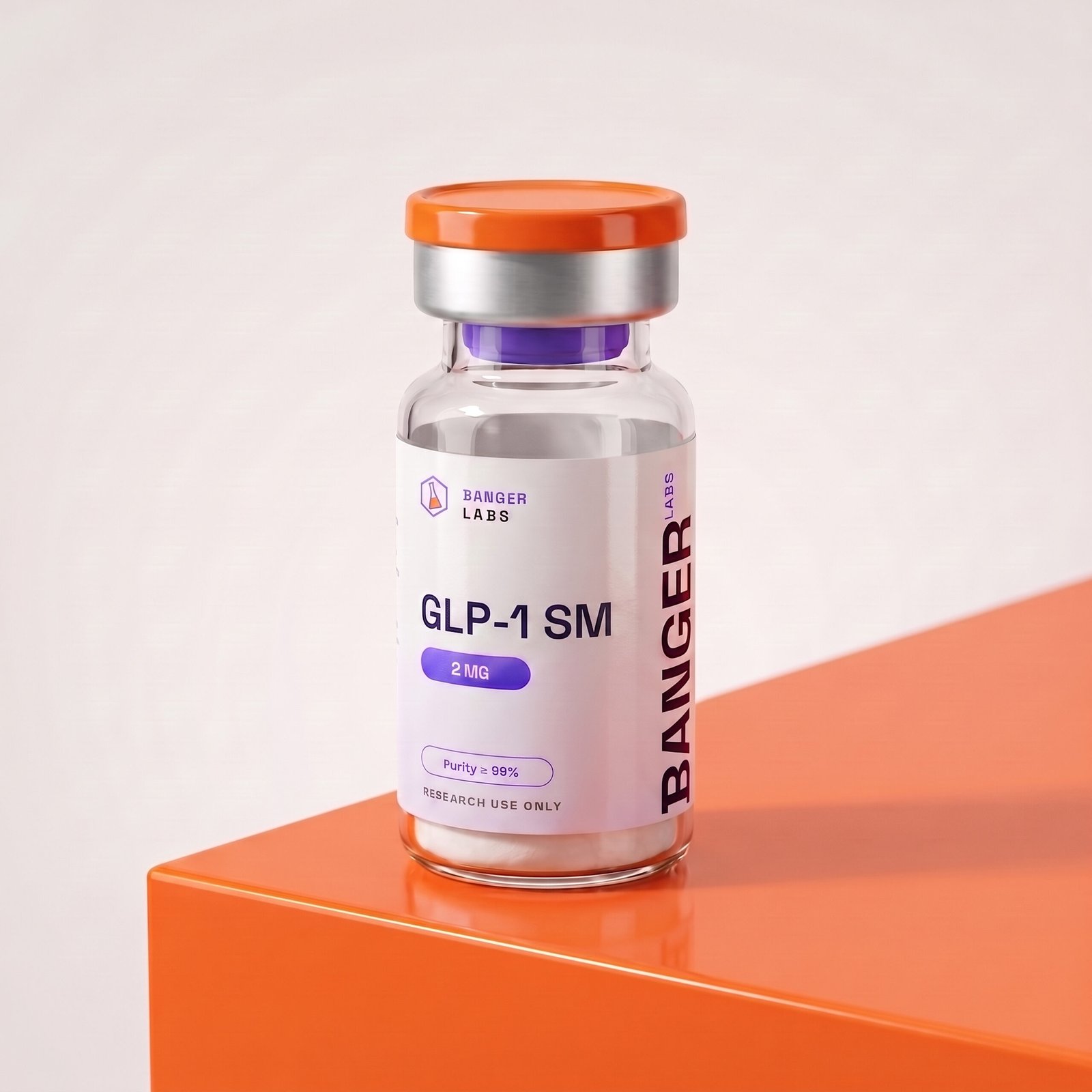
- Is Banger Labs Legit? An Honest Look →
- Testing & Quality Standards: How Banger Labs Verifies Every Batch →
- How to Choose a Research Peptide Supplier: Testing, CoA, Shipping & Red Flags →
Browse the full Research Library →
For research use only. Not for human or veterinary use. Not a drug, food, or cosmetic.