By the Banger Labs Research Team · Updated June 2026
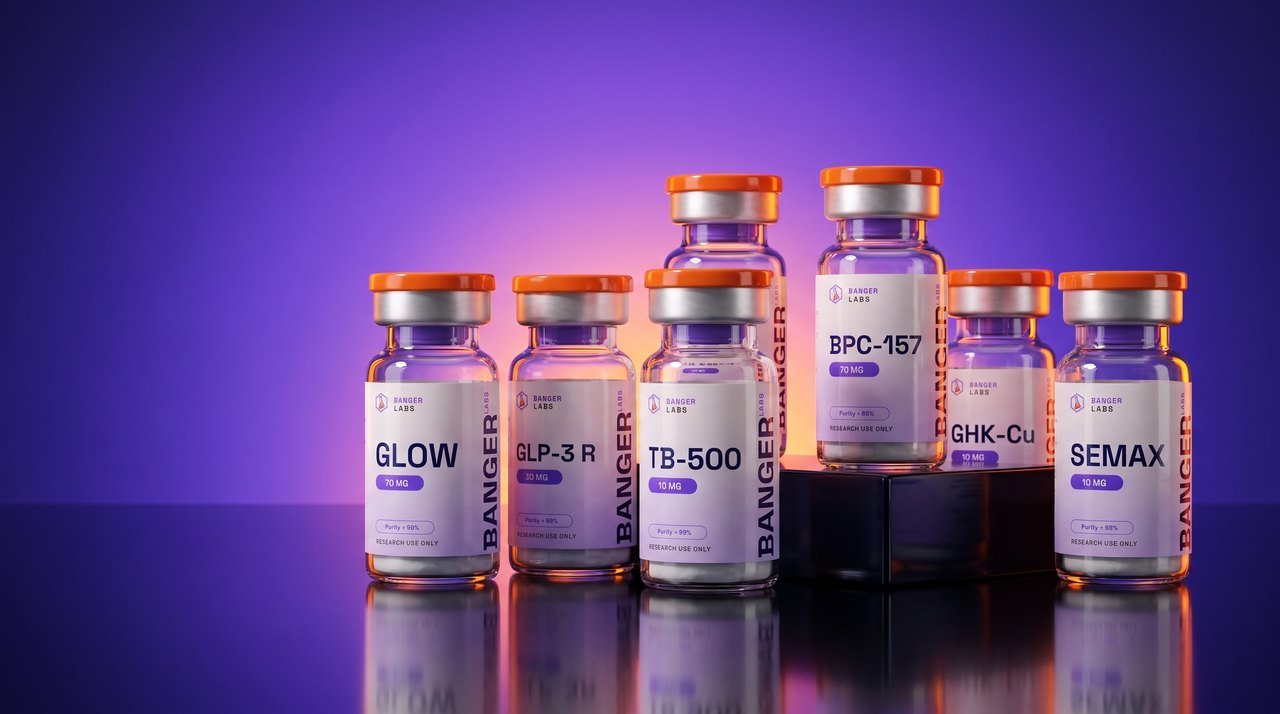
Short answer: Both are repair-research peptides studied for tissue/recovery contexts. BPC-157 is a gastric-derived pentadecapeptide most studied in localized/GI repair models; TB-500 is a synthetic Thymosin β-4 fragment studied for systemic actin-regulation. They are frequently researched together.
BPC-157 vs TB-500 at a glance
Why they are studied together
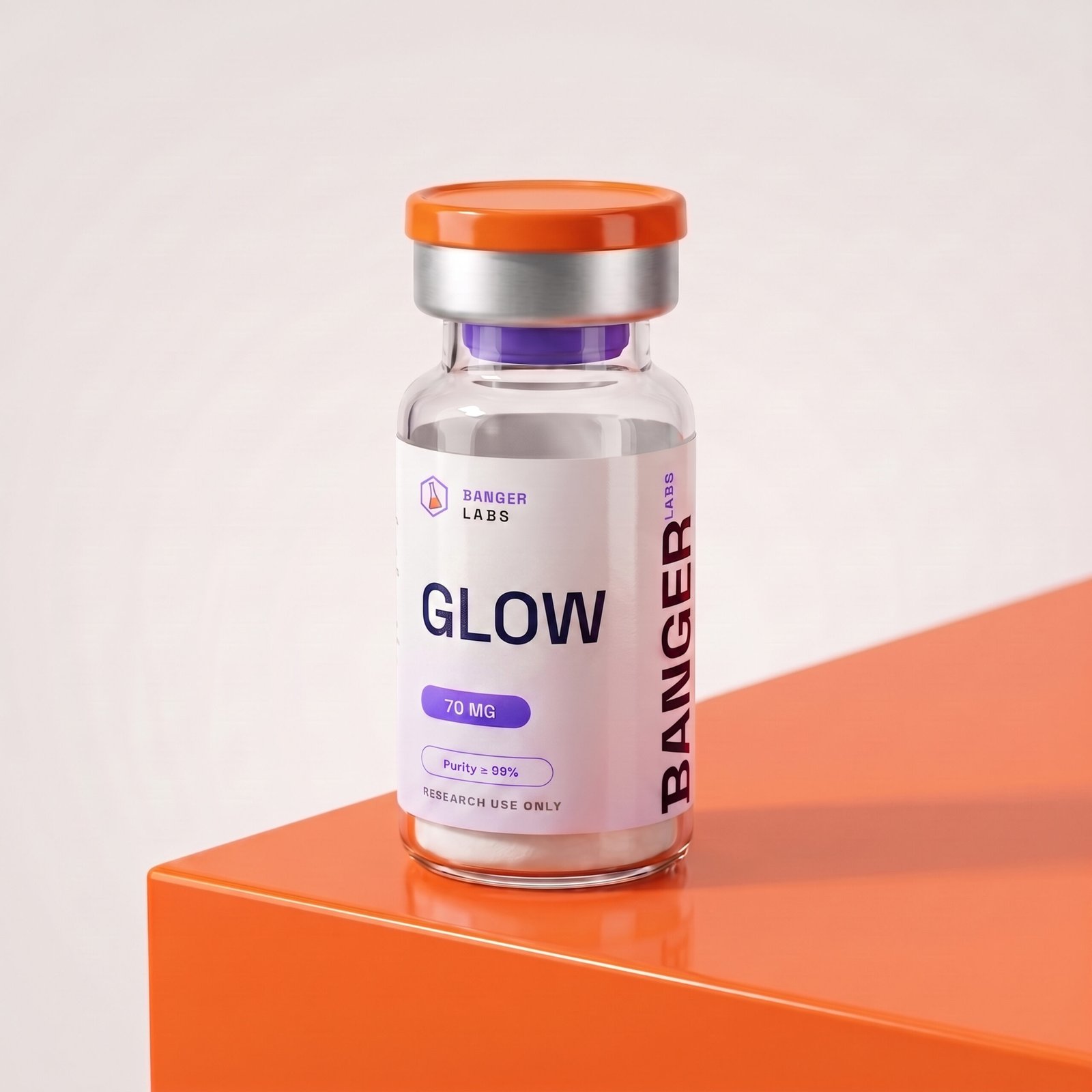
In research settings the two are often paired because their proposed mechanisms are complementary — BPC-157’s localized profile alongside TB-500’s systemic distribution. Banger Labs’ GLOW blend combines BPC-157 + TB-500 + GHK-Cu for exactly this kind of comparative research.
Frequently asked questions
Is BPC-157 or TB-500 better?
They are studied for different contexts (localized vs systemic) and are often combined; “better” depends on the research model. Both are research-use-only.
Can BPC-157 and TB-500 be used together in research?
They are commonly studied together; the GLOW blend pairs them with GHK-Cu.
Shop research peptides
Keep exploring
By the Banger Labs Research Team. For research use only. Not for human or veterinary use. Not a drug, food, or cosmetic. Educational information, not medical advice.