By the Banger Labs Research Team · Updated June 2026
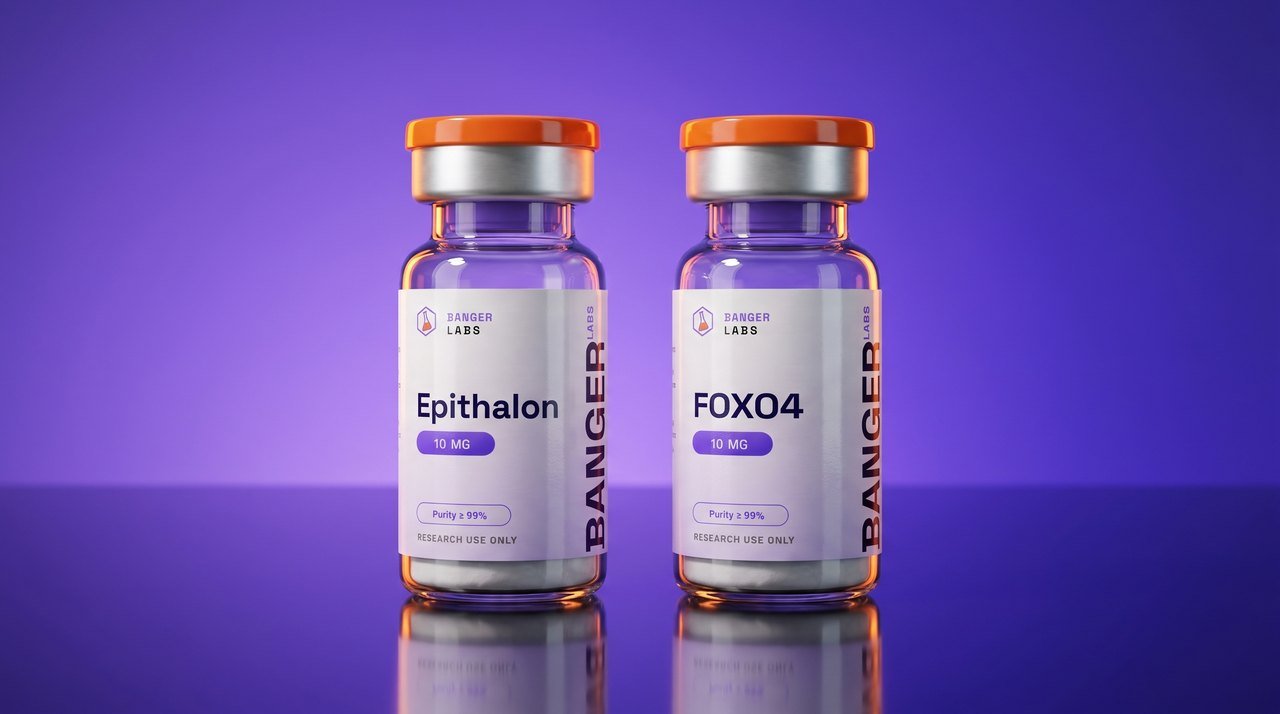
Epithalon vs FOXO4-DRI at a glance
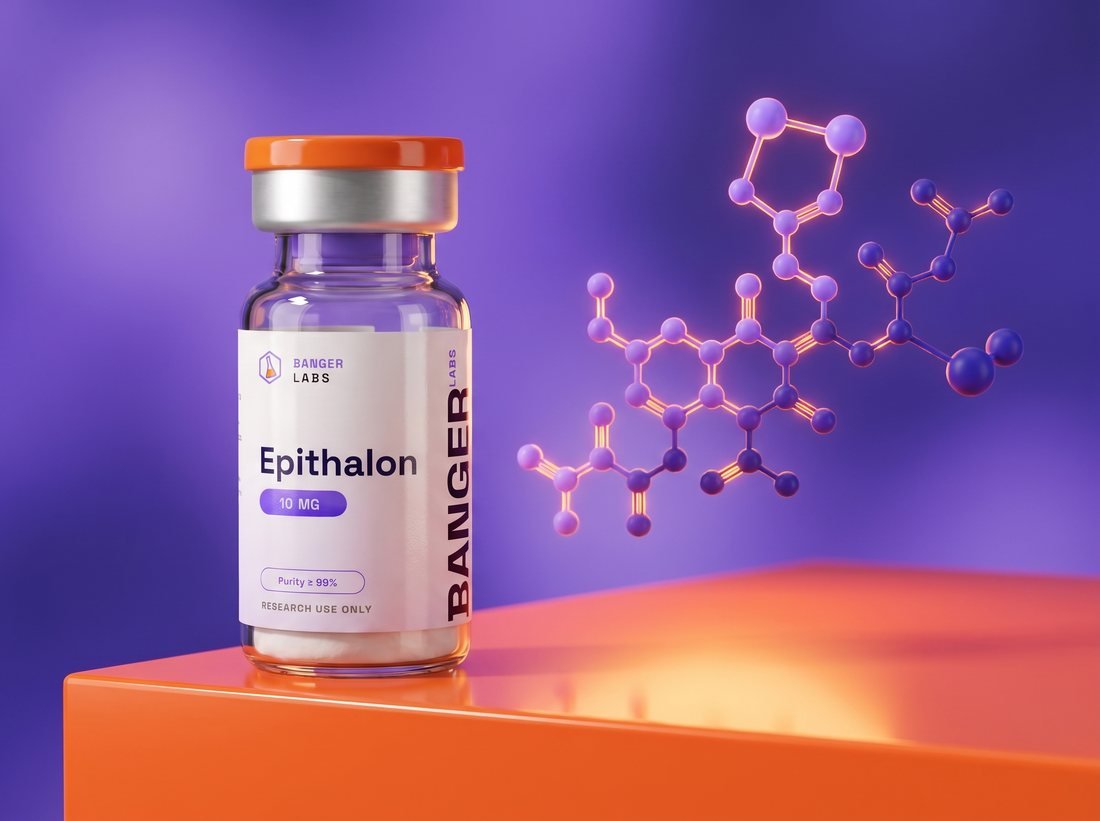
What is Epithalon?
Epithalon is a short synthetic tetrapeptide with the amino acid sequence Ala-Glu-Asp-Gly (AEDG), designed as a simplified analog of Epithalamin, a peptide fraction originally derived from bovine pineal gland. It was developed in the laboratory of Vladimir Khavinson at the St. Petersburg Institute of Bioregulation and Gerontology and is studied as a “peptide bioregulator” in research settings.
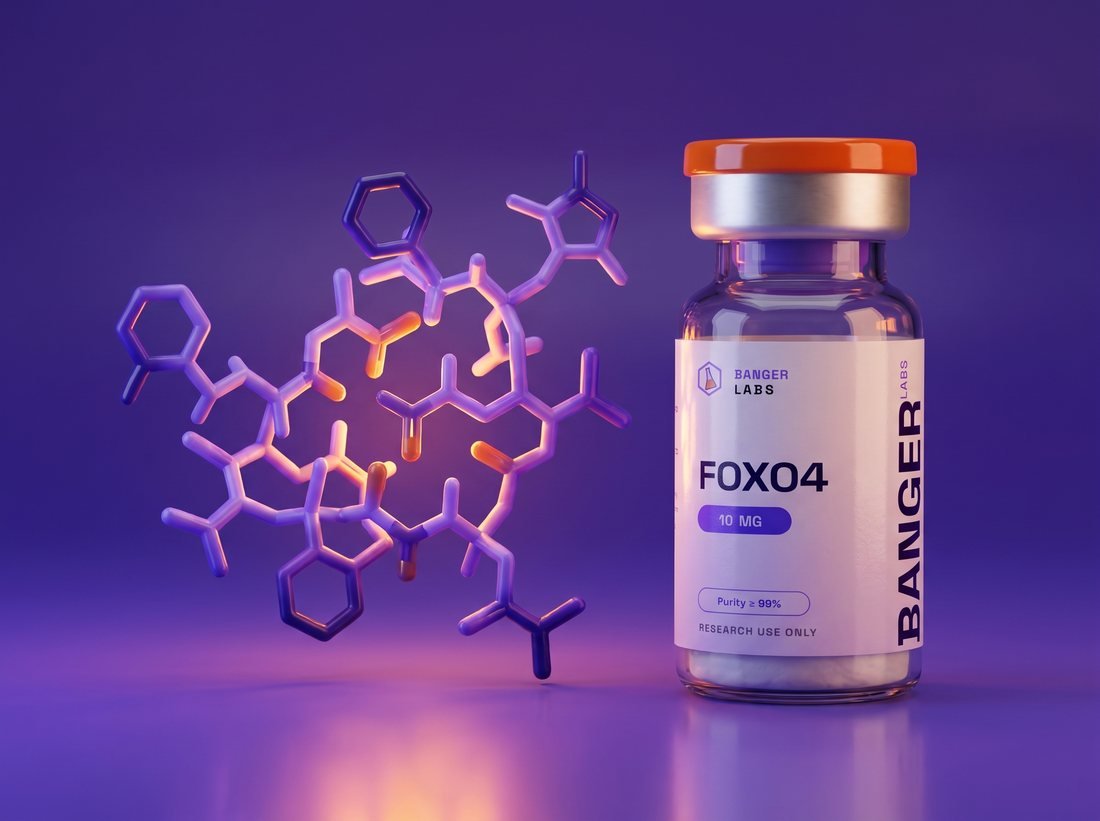
What is FOXO4-DRI?
FOXO4-DRI is a synthetic peptide first described by Baar et al. (Cell, 2017) and engineered in a “D-retro-inverso” configuration, meaning it is built from D-amino acids in reverse sequence to confer protease resistance while preserving binding geometry. It is derived from the p53-binding region of the FOXO4 transcription factor and is paired with a cationic cell-permeability segment. It is handled strictly as a laboratory research compound.
How they differ
In published in vitro and preclinical reports, Epithalon has been investigated for its association with telomerase (hTERT) expression and telomere-length dynamics in cultured human cells. It has also been studied as a short peptide that may interact with chromatin/DNA and modulate gene expression and protein synthesis in cell and animal models. These are research-context observations of mechanism and not established human-therapeutic effects. By contrast, In published preclinical and in vitro research models, senescent cells are reported to upregulate FOXO4, which sequesters p53 and limits apoptotic signaling. FOXO4-DRI is studied as a competitive disruptor of the FOXO4-p53 interaction; recent structural work (Nature Communications, 2025) characterizes its binding to the disordered p53 transactivation domain (p53TAD2). In these research models, disruption of this interaction has been associated with p53 nuclear exclusion and activation of pro-apoptotic signaling (e.g., BAX) in senescent cells. These are mechanistic research observations only and do not imply any human effect.
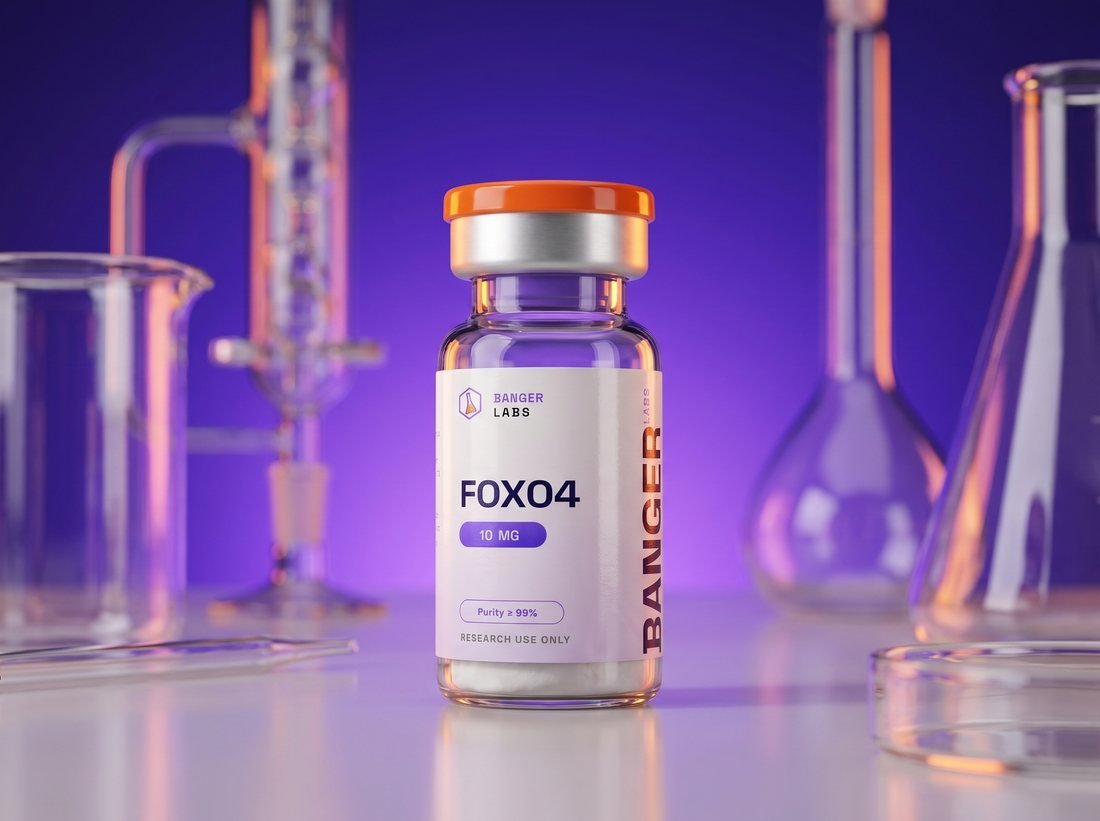
These describe laboratory/preclinical research only. No therapeutic, medical, or efficacy claims are made.
Frequently asked questions
Are Epithalon and FOXO4-DRI the same?
No — see the comparison table above; they differ in class and the research contexts in which they are studied.
Are these research use only?
Yes. Both are supplied strictly for laboratory research — not for human or veterinary use.
References
- Overview of Epitalon—Highly Bioactive Pineal Tetrapeptide with Promising Properties — PMC (peer-reviewed review)
- AEDG Peptide (Epitalon) Stimulates Gene Expression and Protein Synthesis during Neurogenesis: Possible Epigenetic Mechanism — PMC / Molecules 2020 (peer-reviewed)
- Epitalon increases telomere length in human cell lines through telomerase upregulation or ALT activity — PMC (peer-reviewed)
- Epitalon — Wikipedia (encyclopedic overview)
- Senolytic Peptide FOXO4-DRI Selectively Removes Senescent Cells From in vitro Expanded Human Chondrocytes — Frontiers in Bioengineering and Biotechnology
- The disordered p53 transactivation domain is the target of FOXO4 and the senolytic compound FOXO4-DRI — Nature Communications
- FOXO4-DRI regulates endothelial cell senescence via the P53 signaling pathway — PMC / NCBI
Shop these research peptides
Shop Epithalon →Shop FOXO4-DRI →
By the Banger Labs Research Team. For research use only. Not for human or veterinary use. Educational information, not medical advice.